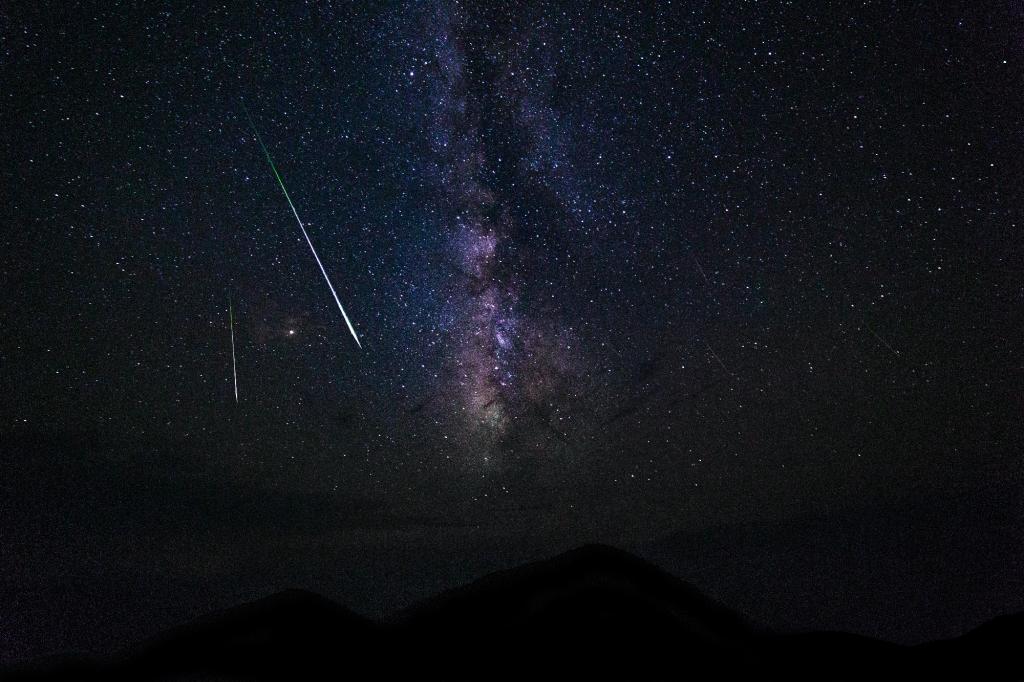
If you bought a pair of protective glasses this summer and enjoyed catching a glimpse of the best solar eclipse since 1999, there are more opportunities to enjoy some spectacular astronomical sights this winter… no kit required (although a decent telescope wouldn’t go amiss).
Astronomical winter begins on the winter solstice – the shortest day of the year – which falls on 21 December 2026, but most of us mark the beginning of winter using the meteorological calendar, on 1 December, running until the end of February.
Of course, these months can be pretty wet and cloudy in most parts of the world, making a clear view towards the heavens more…
Read the full article at STUFF.TV