

As someone who enjoys fitness and makes a very average living from covering new technology, it might come as no surprise that I’ve been lucky enough to experience a wide range of fitness and workout gadgetry over the past 20 years.
Simple and discreet fitness trackers, such as those from Whoop, as well as more complex fitness watches like those from Garmin, Suunto and Apple, have all, at some point, graced my wrist for extended periods of time.
Full disclosure, I settled on Garmin many moons ago for the daily workout tracking, purely because I became so ingrained in the ecosystem that it became very difficult to swap to anything else. That said, Suunto, Fitbit, Whoop and Apple offer excellent alternatives, even if the latter only lasts a couple of days before you have to charge it.
But another piece of health-tracking technology that has entered the scene recently is the smart ring, which essentially packs a similar sensor suite to a smartwatch or fitness tracker into a device that is a similar size and weight to many —albeit chunky — wedding bands.
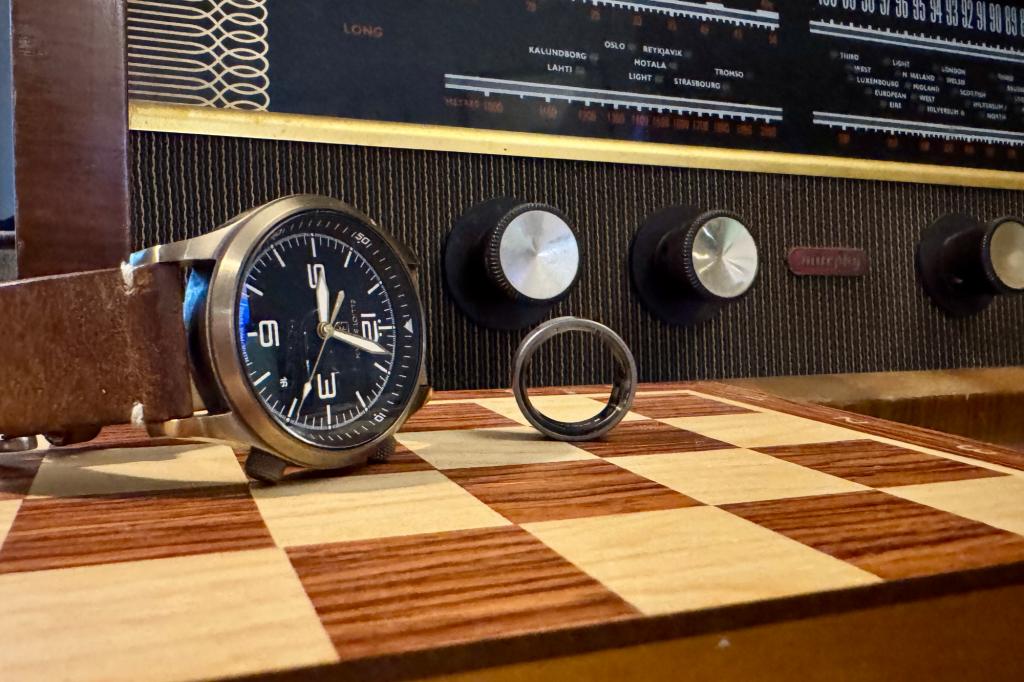
Oura Ring, Ultrahuman and Samsung have become some of the most recognised names in the business, while RingConn, Amazfit and Circular have also emerged as slightly more budget-friendly alternatives.
In addition to this, there are a bunch of unknown brands that can be found strewn across the internet that promise similar levels of health and activity tracking for much less… although these tend to be too good to be true.
But can a ring really replace those wrist-based devices that have been designed to support everyone from elite athletes to fitness newcomers on their training journey? I asked the same question, so I tried a number of the top ring brands over a couple of months to find an answer.
A discreet option
One of the main issues I have with smartwatches is the fact that they commandeer so much wrist real estate for such a long time. If you really want to get the most out of a Garmin, Sunnto, Whoop or Fitbit et al, you ideally need to wear it 24/7 (assuming it offers sleep tracking), which means kissing goodbye to a sexy analogue watch.
This issue is further compounded by the fact that most smartwatches are absolutely massive and look like high-tech diving devices, while even the most discreet wrist-based trackers aren’t exactly stylish. Very few people compliment a Garmin Instinct, but they will admire a Tudor Pelagos, for example.
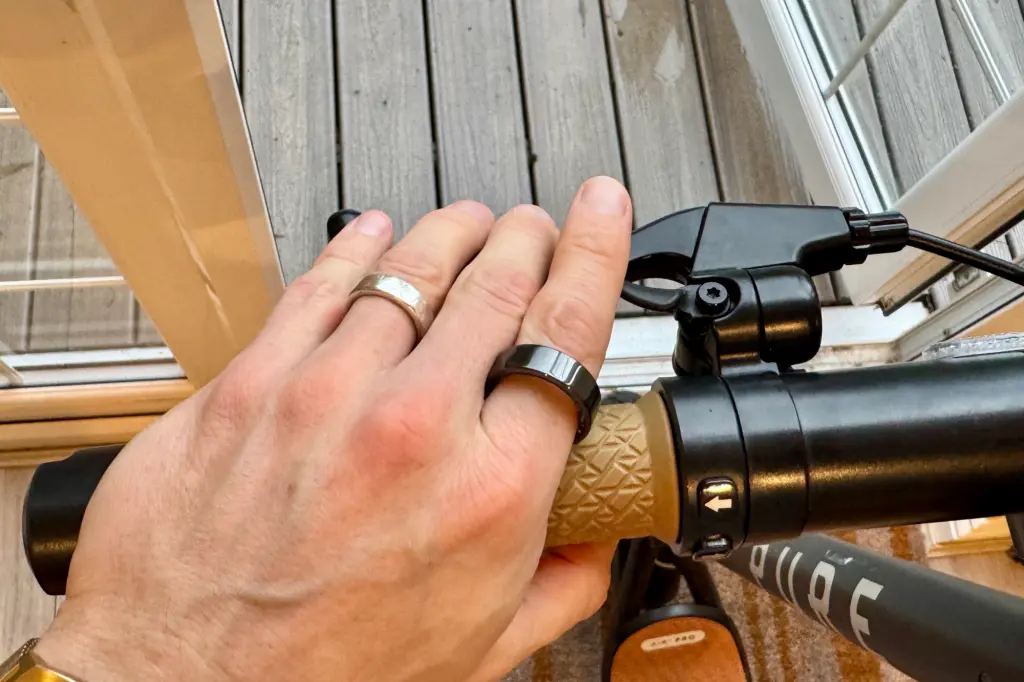
A smart ring offers a more unobtrusive way to track key health and fitness metrics, while freeing up the wrist for a timepiece of your choice. That’s because they essentially pack a very similar sensor suite, which includes accelerometers, photoplethysmography (PPG) sensors for heart rate and electrocardiogram (ECG) sensors in many models.
Between this lot, a smart ring can track sleep, movement, activities and stress monitoring via constant Heart Rate Variability (HRV) analysis. With this in mind, it can, arguably, act as a fitness tracker.
On top of this, many models, like the Ultrahuman Air, feature automatic activity detection, so will begin tracking and recording an activity after around ten minutes of effort. This includes things like running, cycling and some indoor workouts.
Go hard, or go home
The decision to replace a fitness tracker with a smart ring really needs to come down to a few things: how much does your fitness tracker currently offer? How serious are you about training and how much data you actually need to achieve those goals?
For those looking to generally get more active, lose weight, improve cardiovascular fitness and build the essential foundations for a successful training programme, a smart ring will do the job, as it can track things like distance, steps, heart rate and calories burned.
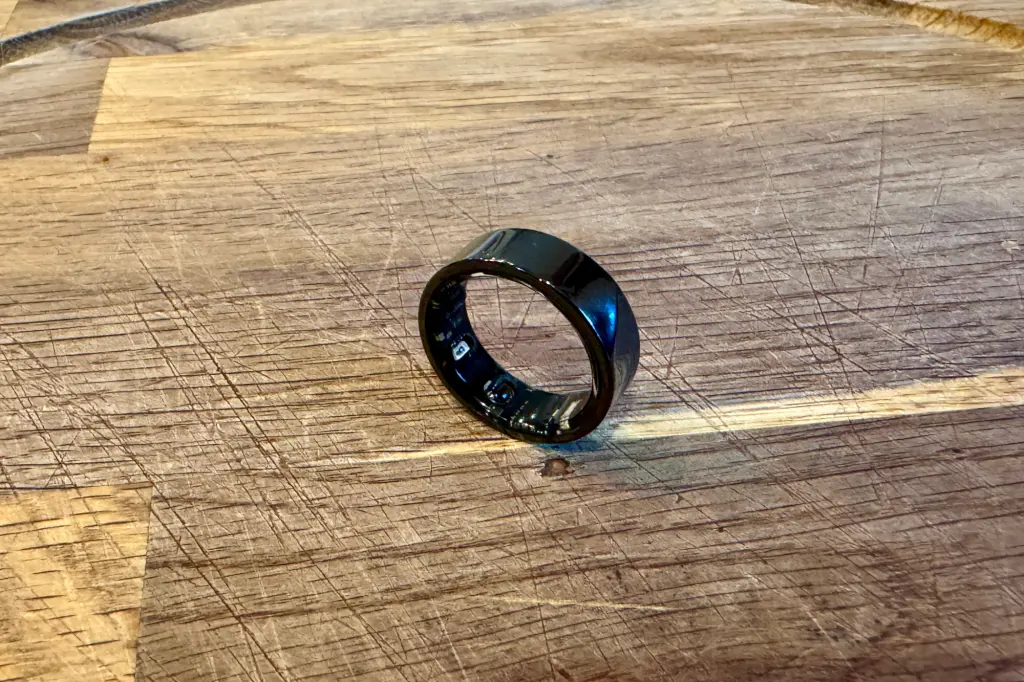
An accompanying smartphone app will then digest these metrics and determine whether the workout was easier or harder than normal, potentially suggesting ways to improve for next time. Put simply, it does what many basic fitness trackers also do.
However, a smart ring does have limitations, as the accelerometer sensors used aren’t as accurate as some of the best smartwatches and fitness trackers out there. It’s a similar story for the PPG and ECG sensors, which tend to get a bit confused when dynamic activities are taking place.
Admittedly, wrist-based optical sensors can also come unstuck, particularly if that activity involves grip, which will really throw off readings, but it’s possible to pair a separate chest-based heart rate monitor with most smartwatch ecosystems.
The same goes for things like power meters in bicycle pedals and some running shoes, while external accessories, such as turbo trainers, ANT+ enabled fitness equipment and even action cameras can often be controlled via the wrist — particularly in Garmin’s case.
This, coupled with the fact that brands like Garmin, Suunto and Fitbit offer sports science-backed training plans, makes them better suited for those who take their training very seriously.
A few examples might be those looking to embark on a marathon training plan, where monitoring section split times and pace is important, athletes wanting to increase Functional Threshold Power on a road bike and rowers requiring a strength training regime to build power on the water. Here, a dedicated fitness watch, preferably with a digital display, is the way forward.
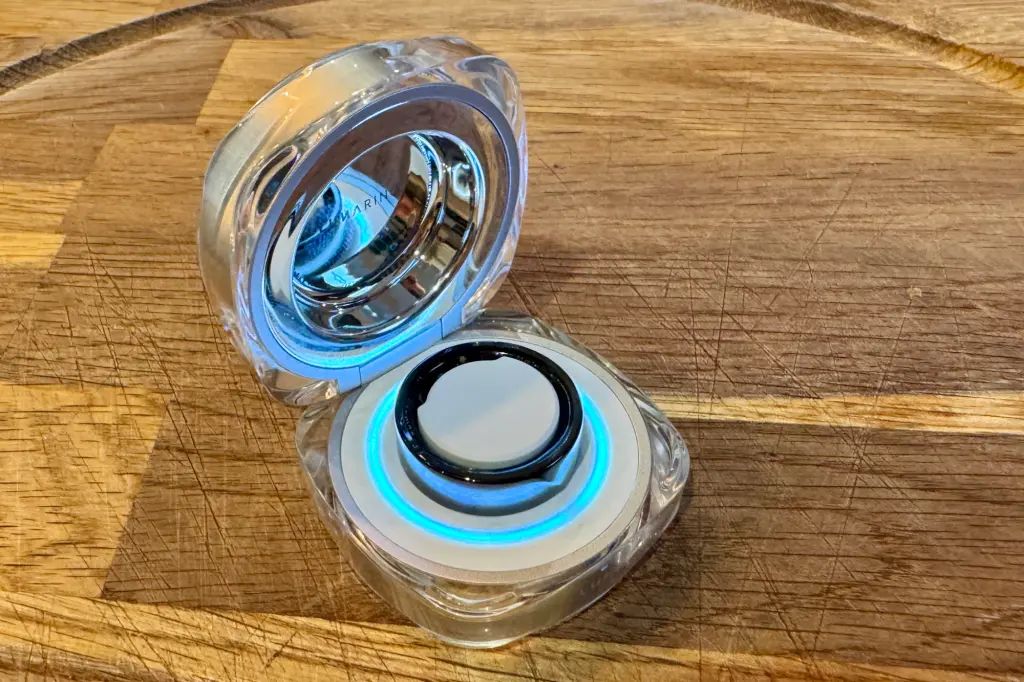
So, can a smart ring really replace a fitness tracker?
It is all of the additional things a wrist-based device with a screen can offer that sets them apart from Oura, Ultrahuman and Samsung’s offerings.
For this reason, it makes it very difficult to get rid of one entirely if competition — or at least very serious training — is on the cards.
However, if you’re not into serious fitness and just trying to generally get more active or learn more about your overall wellness, a smart ring can be a very useful tool.
Liked this? How I track sleep and fitness while still being a mechanical watch enthusiast
Read the full article here
