

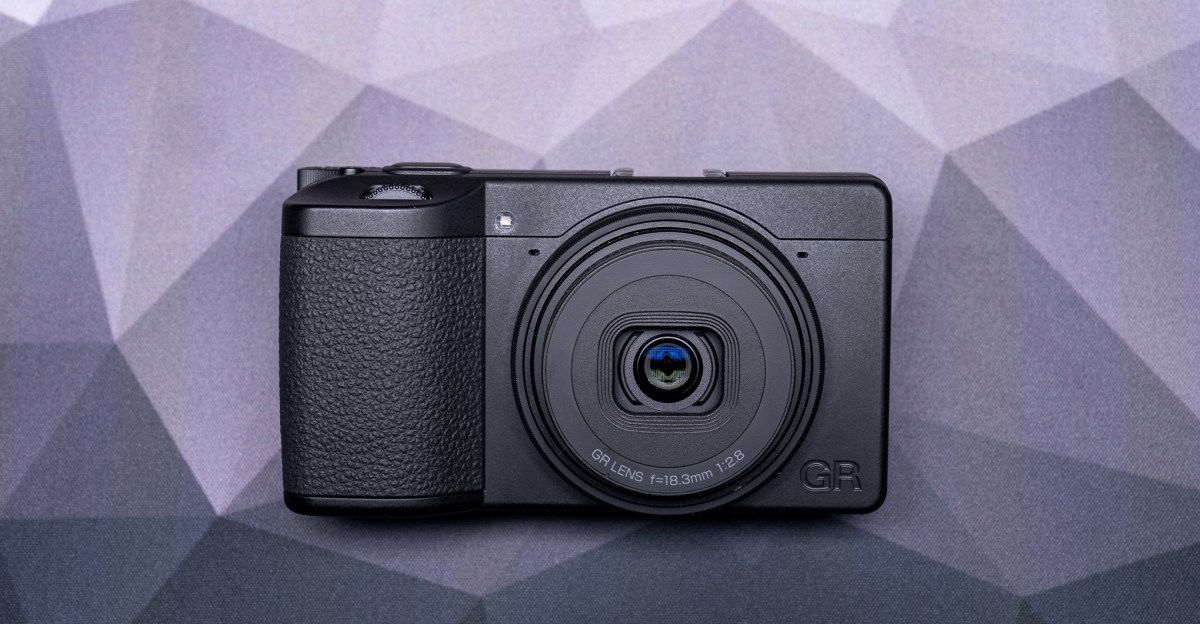
I love black-and-white photography. I also adore compact cameras you can always have by your side. So I’m a total mark for the Ricoh GR IV Monochrome, a fixed-lens camera that can’t zoom and can’t record color — at all. It’s a formula that makes the average person ask, “Why?”
I’ve tested the GR IV Monochrome for over a month, taking it with me everywhere and photographing everything. Let me explain how this pricey little point-and-shoot is likely to go down as one of my all-time-favorite cameras.
$2197
The Good
- Excellent black-and-white image quality
- Everything great about the standard GR IV: sharp lens, small size, solid focusing
- Fantastic high-ISO noise performance
- Limiting yourself to black and white has creative benefits
The Bad
- Expensive for a Ricoh GR
- Face / eye tracking autofocus pales in comparison to the bigger camera brands
- Short battery life (about 200-ish shots)
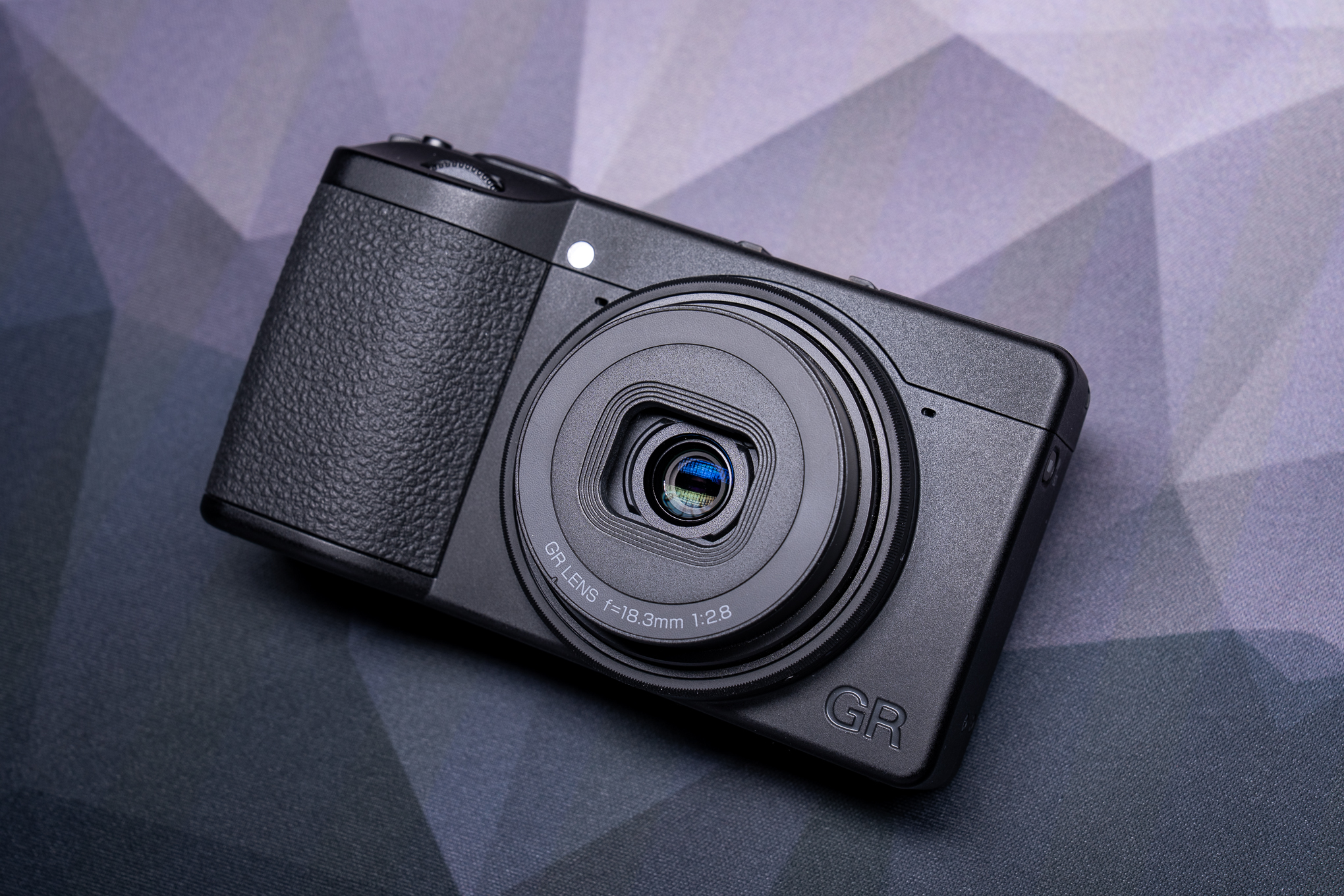
Ricoh GRs are some of the most unassuming, no-frills cameras around, and they have been since their conception in the film days. In the digital era, they’re pocket-size point-and-shoots with a large APS-C sensor permanently attached to a fixed focal length lens. If you’re familiar with Fujifilm’s popular X100 line, it’s like trimming one of those down to the bare minimum — that means no viewfinder and no fancy aperture ring. The X100 and other coveted street cameras like Leicas offer vintage-style shooting and double as lifestyle accessories or shoulder-carried jewelry (with prices to match). But a Ricoh GR is purely a shooter’s camera, with unabashedly modern methods of being used. Atop the camera is a typical mode dial, with customizable user presets, not an old-timey shutter speed dial.
The GR IV Monochrome takes last year’s Ricoh GR IV, strips out the color filter from the sensor, and replaces its built-in ND filter with a red filter (for one-click contrast adjustment purely using optics). Functionally, the alteration to the sensor gives the GR Monochrome an elevated ISO range of 160 to 409,600 and makes it better in low-light shooting (because color noise looks worse at high ISO than pure luminance grain). It maintains the upgrades established with the GR IV: improved autofocusing for its 28mm-equivalent f/2.8 lens, a 26-megapixel APS-C sensor, and 53GB of internal storage (supported by a microSD card slot).
Using the GR IV Monochrome feels just like the standard GR IV, with key functions that help it thrive in impromptu street-style shooting. It powers on and is ready to shoot in less than one second, and at any moment you can quickly full-press the shutter to forgo autofocusing and take a shot at a preset focus distance. Ricoh calls this Snap Focus, and it allows you to easily shoot from the hip with zone focusing — a staple of street photographers. The GR is all about spontaneity. Its autofocus system has face and eye detection, but it’s just a serviceable helper. The main way to use the GR is with single-point focusing and quickly moving it around the touchscreen. Many hardcore photographers will loathe its lack of an electronic viewfinder, but I’ve come to terms with its forgoing one for the sake of size.
But being forced into a black-and-white view of the world through this camera’s LCD is where the real magic happens. Any digital camera can be set to black-and-white mode, but not having the choice pushes you to look more intently at light and tonality. I pay extra attention to my compositions and seek out textures and tones I might ignore when shooting color. I know the camera can’t see color, so I mentally adjust my eye and my creativity to match — knowing there’s no bailout or reverting back to color in post. A more disciplined shooter may not feel they need all that, but I’ve shot enough on the GR IV Monochrome, other black-and-white-only cameras, and film cameras to know that I’m feasting when working with some limitations.
1/23
That’s the same ethos that drives people to go back to analog photography and digicams, or use toy-like cameras, but the GR IV Monochrome also unlocks the ability to shoot at extravagantly high ISOs in just about any light. The f/2.8 maximum aperture of the GR’s lens isn’t as fast as the f/1.7 and f/2 lenses of the Leica Q and Fujifilm X100 cameras of the world, but it’s fast enough when you barely notice much noise until ISO 25,600 and even a six-digit ISO is perfectly usable (even before denoising in post-processing software).
The other big way the GR IV sets itself apart from its Leica and Fujifilm competitors is that this camera is actually pocketable. I have ventured out of the house many times with my personal Leica Q2 slung over my shoulder, sans camera bag, ready to go on a little photo adventure or capture memories with family or friends. But it’s even easier to drop a Ricoh GR into a purse, diaper bag, or even a jacket / rear pants pocket. It turns any outing or errand into an opportunity to dabble in your creativity. These are snapshot-y moments that would usually be reserved for the camera you always have with you: your phone. But with the GR IV Monochrome, I feel more empowered and motivated to create something special and purposeful.
1/31
Am I creating art at the grocery store that’s worthy of the white walls of a Chelsea gallery? No. But seeing my own personal world through a black-and-white lens of such quality is enchanting. And there’s nothing wrong with feeling a little “artsy” sometimes, even if you’re just auditioning for the art critic in your own head.
The mundanity of our humdrum lives feels elevated when given the timeless quality of black and white. Lately, it’s felt even more authentic to me and worthy of appreciation, since generative AI is making so much of our world feel fake. It’s now commonplace to doubt everything we see as a possible deepfake or a dubious con — even from our own government. Black-and-white imagery still feels precious and real, at least as long as the AI-obsessed tech platforms don’t focus their Eye of Sauron of Enshittification on this niche of the medium.
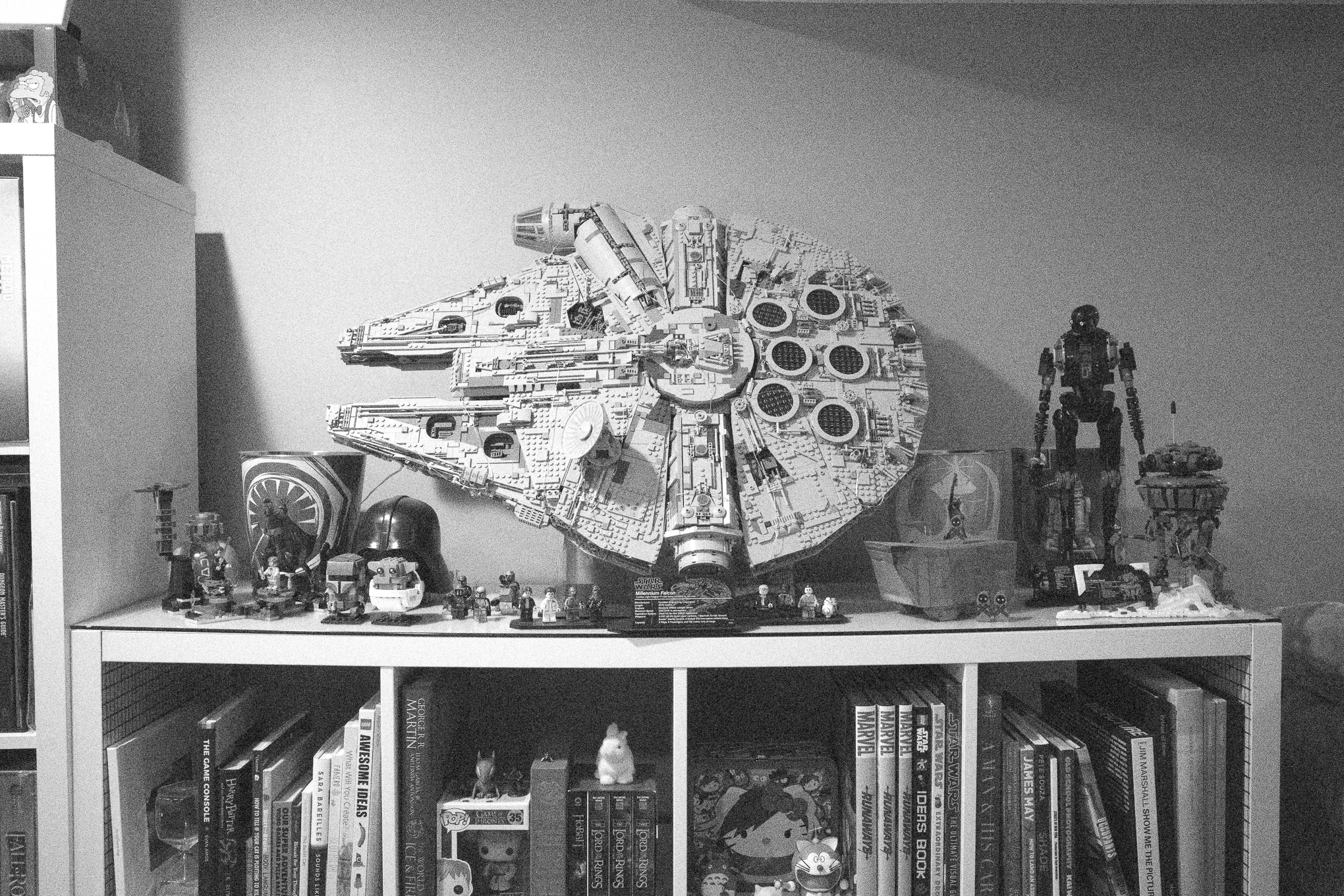
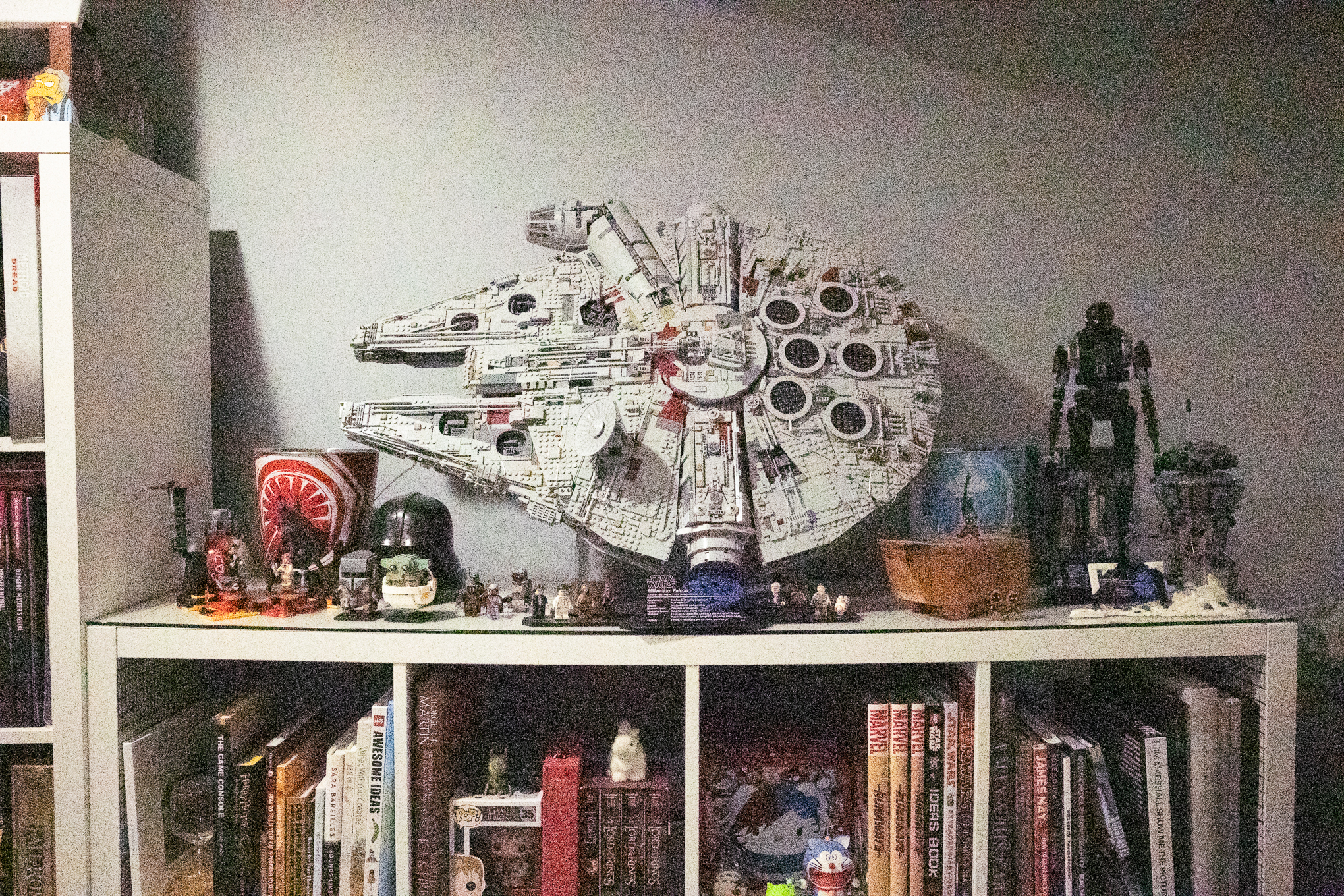
To be fair, cameras that can’t shoot color aren’t new. Leica has been making its Monochrom variants of Q and M cameras for nearly 14 years. But priced at nearly $8,000 to $11,000 and up, they’re mostly unattainable to an average enthusiast. At $2,199.95, the GR IV Monochrome isn’t cheap but it’s much more grounded and feasible to own one without it being your only possession. And frankly, it’s less hoity-toity and snobbish when your second, third, or fourth camera — the “artsy” one — doesn’t cost more than a used car.
1/34
I’d be lying if I said that’s not part of why I dig the GR IV Monochrome so much. I’d love to one day personally own a Leica Monochrom of some sort, but it’s hard not to opt for the catch-all color camera when you’re spending that kind of money (hence why I own a Leica Q2 and not a Q2 Monochrom). But since my brain was broken by Leica and pro-level mirrorless system prices years ago, I can simultaneously look at the GR IV Monochrome and think, “$2,200? That’s not bad,” and also “GR cameras used to be like 900 bucks — what gives?”
It’s the everyday companion status of the GR IV Monochrome that makes it extra-extra special. With this little guy in your pocket, with that kind of image quality and light gathering potential, it feels like a permission slip to capture a sense of authentic wonder wherever you go. The standard GR IV is the logical version to get, allowing you to capture the vibrancy of your world. But the more hardcore GR IV Monochrome brings the romance, gritty realism, and magic.
Photography by Antonio G. Di Benedetto / The Verge
Read the full article here
