

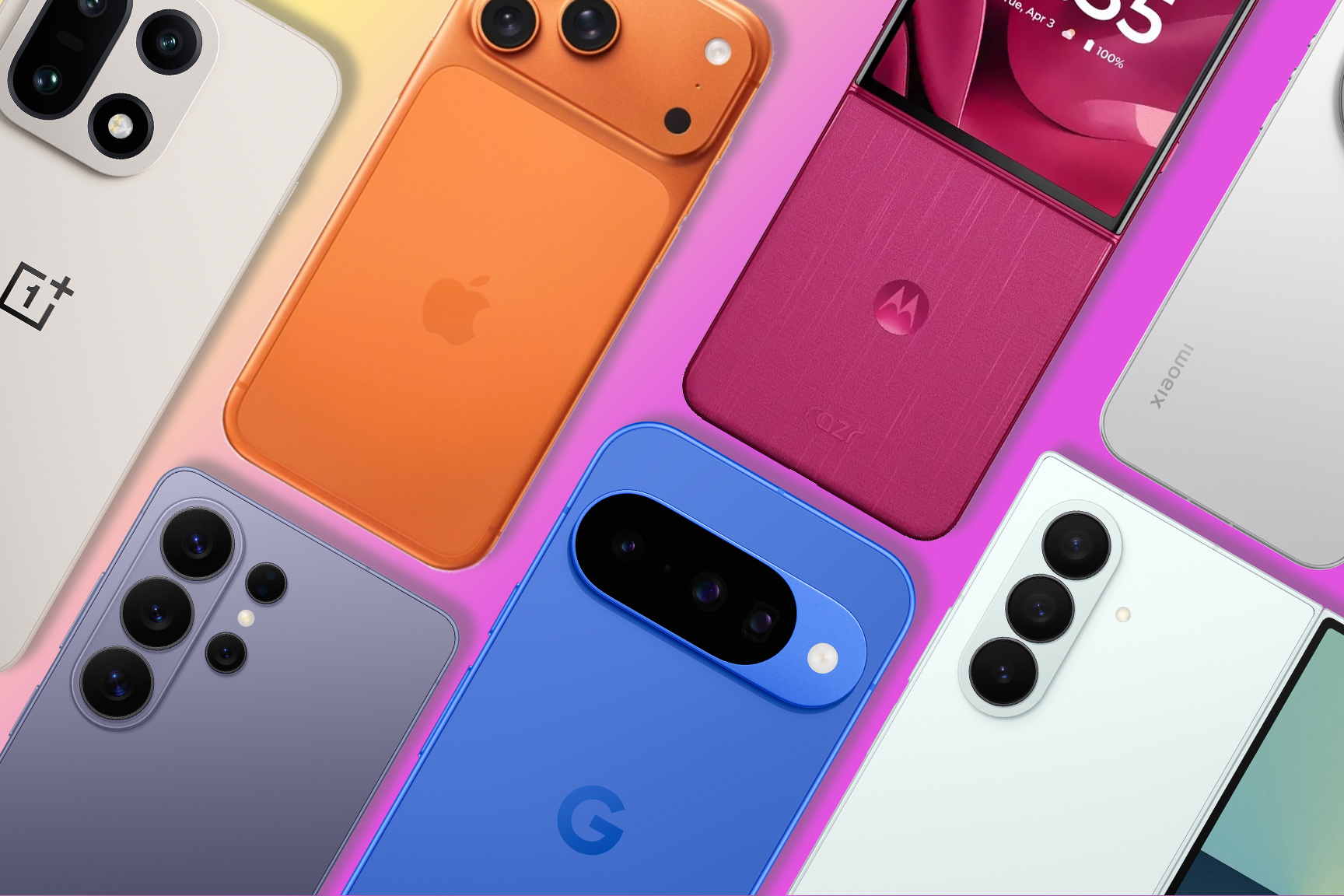
Thinking about upgrading your phone? You’ve come to the right place. With so many models to choose from, it can be tricky to know which one’s worth your money. That’s why we’ve put together this guide, highlighting our top picks based on the things that matter most day to day. Whether you’re drawn to a big-screen Android or Apple’s latest iPhone, these are the handsets we think stand out.
We don’t just look at spec sheets – we test phones in real life. That means streaming shows to see how long the battery lasts, snapping hundreds of photos in different conditions to judge the cameras, and firing up demanding games to push the processors. We also pay close attention to the display, design, durability, and software to see how each device actually feels to use.
Only the strongest performers make the cut. So, whether you want the sharpest screen, the best camera setup, lightning-fast speed, or a phone that can comfortably last all day (and beyond), our rankings will point you in the right direction.
Why you can trust Stuff: Our team of experts rigorously test each product and provide honest, unbiased reviews to help you make informed decisions. For more details, read how we test and rate products.
Our top best phone picks for 2026 at a glance
How to choose the best smartphone for you
In order to buy the best smartphone for your specific needs, there are several important factors to consider. Luckily, Stuff’s smartphone experts are here to help you compare options and make a final decision.
Operating system: iOS vs Android
Your first big decision is whether you want Apple’s iOS or Google’s Android. Both are great, but they suit different people.
If you’re already deep into Apple’s world, using a MacBook, iPad, or AirPods (even Apple Music and Apple TV), sticking with an iPhone makes life easy thanks to tight ecosystem integration and iCloud sync.
On the other hand, Android phones offer more flexibility, customisation, and choice, with devices from Samsung, Google, OnePlus and others at a wide range of prices. They also work better with Google’s services, such as Google Drive and Docs.
The decision isn’t an easy one, and far more complex than what we can cover in this small section. For example, you should even consider what devices your friends and family use. Ultimately, whether you choose iOS or Android, you’ll be getting a great operating system.
Display: resolution, refresh rate and brightness
The screen is what you stare at all day, so it matters. A good OLED display delivers rich contrast and true blacks, while LCD panels are usually found in cheaper models and can look slightly flatter.
Higher refresh rates (90Hz, 120Hz or even 144Hz) make scrolling and gaming feel buttery smooth. Also check the peak brightness rating – anything above 1000 nits helps with outdoor visibility.
Camera: quality beyond megapixels
Every phone claims to have a great camera, but the details matter. Don’t just look for a camera with the highest megapixel count, there are other more important things to consider. For example, a larger sensor size captures more light, which means sharper photos and better low-light performance.
Look for phones with optical zoom lenses if you shoot from a distance, and wide-angle cameras if you prefer shooting landscapes.
Now, a great camera phone is more than just the hardware. You’ll want to look for computational photography features like Night Mode or AI image processing to improve everyday snaps.
If photography is your thing, check our guide to the best camera phones, where we go into more depth about colour accuracy, portrait quality, and even video stabilisation.
Battery and charging: real-world testing
A big battery (measured in mAh) doesn’t always mean better performance – it’s about efficiency too. You’ll wan to read our full reviews that test real-world battery life, not just lab numbers.
Fast charging (wired or wireless) is another bonus – some phones can now top up 50-percent in under 30 minutes. It can really save the day when you’ve forgotten to put you phone on charge over night.
Reverse charging are also handy if you’ve got earbuds or a smartwatch (although not vital in our opinion).
Performance and hardware: power under the hood
A phone’s chipset and RAM affect everything from multitasking to gaming. Top-end processors like Apple’s A19 or Qualcomm’s Snapdragon 8 Elite Gen 5 deliver flagship performance, while mid-range chips strike a balance between power and efficiency. Most modern phones, even cheaper models, will now handle general browsing and social media, but will struggle when it comes to gaming and more graphics-intensive tasks.
Storage is worth considering too – 128GB is a safe minimum these days if you take lots of photos or download apps, but we’d recommend 256GB. Some Android phones offer expandable storage, which can save money later on.
Software support and updates
We’re keeping our phones for longer than ever, so a long support period matters. Apple leads the way with around five to seven years of iOS updates, while most Android brands now offer at least three to five years of OS and security patches. This means better performance, fewer bugs, and more security over time.
If you plan to keep your phone for several years, pick a brand known for consistent software updates, like Google, Samsung, or Apple.
Design and ergonomics: feel and durability
The best phone isn’t just about specs, it should also feel premium in your hand as well. Consider size, weight, and materials. Glass looks premium but can be slippery, while aluminium or matte finishes tend to grip better.
An IP rating tells you how water- and dust-resistant the phone is. An IP68 rating, for example, means it can survive a splash or two without stress.
If you prefer a more compact phone then you can read Stuff’s guide to the best small phones, or you might prefer a bigger screen which is better for watching videos and reading.
Special features worth knowing about
Modern smartphones pack clever extras. The foldables bring tablet-sized screens in your pocket, while flip phones offer extreme compactness.
Some models support stylus input for note-taking and sketching, while AI tools are now baked in for smart photo editing, real-time translation, and call screening.
At the high end, features like satellite connectivity are now becoming popular, while the best smartphones for gaming have advanced cooling and custom gaming modes for ultimate performance.
Price and value: finding your sweet spot
Finally, there’s price. Entry-level phones now offer impressive performance for under US$400 / £300, while mid-range models around US$600 / £500 hit a sweet spot of features and design. Flagships cost £1000 and beyond – but they usually deliver the best displays, cameras, and long-term support.
The trick is to balance what matters most to you. If you only browse and stream, you can save hundreds. If you want top-tier photography and longevity, it’s worth stretching your budget.
Once you’ve decided on a budget, you’ll be able to narrow down potential candidates from our best cheap phone guide, best mid-range smartphone guide, and the best premium phones (this guide).
The best smartphones you can buy today:
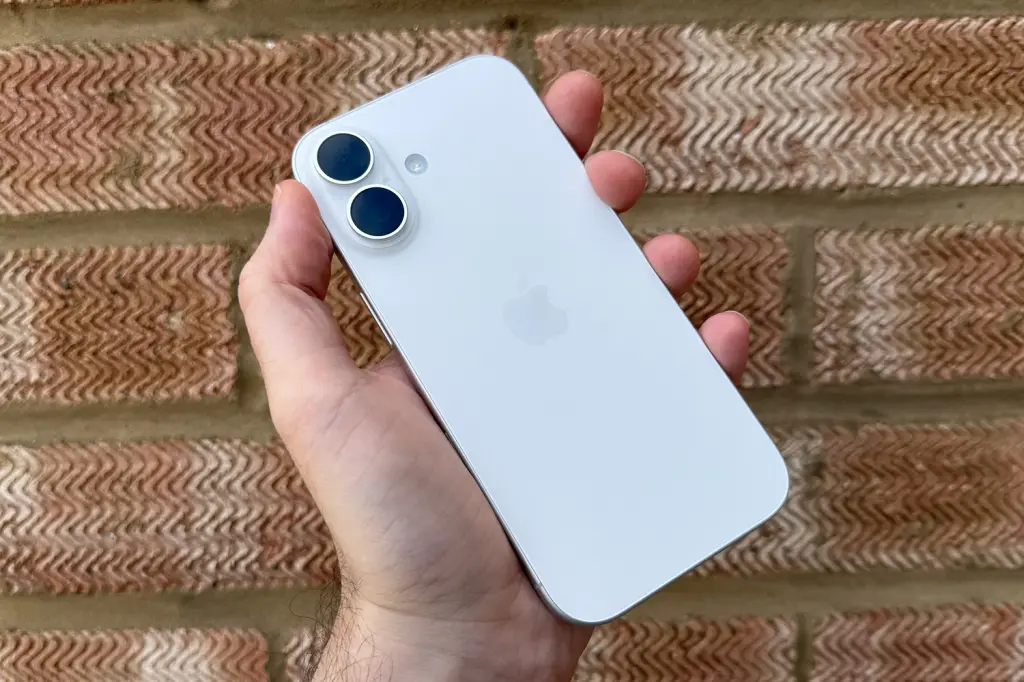
1. Apple iPhone 17
Scroll to see more →
| Specifications | Apple iPhone 17 |
|---|---|
| Screen | 6.3in 2622×1206 120Hz OLED |
| Processor | Apple A19 |
| RAM | 8GB |
| Storage | 256GB/512GB |
| Software | iOS 26 |
| Cameras | 48MP Dual Fusion rear, 18MP Centre Stage front |
| Battery | 3561mAh |
| Dimensions | 149.9×71.5×7.95 mm / 5.89×2.81×0.31in |
| Weight | 177g / 6.24 oz |
The iPhone 17 is Apple’s best all-rounder yet — and arguably the iPhone most people should buy in 2026. Despite being the entry-level iPhone, it delivers Pro-level performance without the eye-watering price or bulk. While its design hasn’t changed much, the new Ceramic Shield 2 improves scratch resistance, and the build feels as premium as ever.
The biggest win is the display. Apple’s finally upgraded the standard iPhone to a 120Hz OLED panel, matching the Pros for smoothness and adding a 1Hz always-on mode. During testing, scrolling felt far more fluid than on the iPhone 16, and brightness hit 3000 nits – clearly visible even in direct sunlight. The stereo speakers also pack a surprising punch when watching videos or gaming.
The dual 48MP camera system impresses in most conditions. In testing, macro shots showed noticeably better sharpness, and 1x photos looked rich and detailed. The lack of a telephoto lens remains the biggest gap versus the Pro models, digital zoom quickly loses quality beyond 2x, but 4K/60fps video recording and stabilisation keep it competitive.
Performance is stellar thanks to the A19 chip. Games like Assassin’s Creed ran smoothly (with only minor heating), and music production in Korg Gadget performed better than on an M1 iMac. Battery life easily lasts a day of mixed use. The main gripes? USB 2.0 speeds and iOS 26’s flawed “Liquid Glass” interface. Despite that, Apple’s ecosystem remains unmatched for creative tools and premium apps.
Why we chose it
Unless you need a telephoto lens or ultra-thin bragging rights, the iPhone 17 nails the essentials. It’s powerful, practical and, for once, a sensible choice.
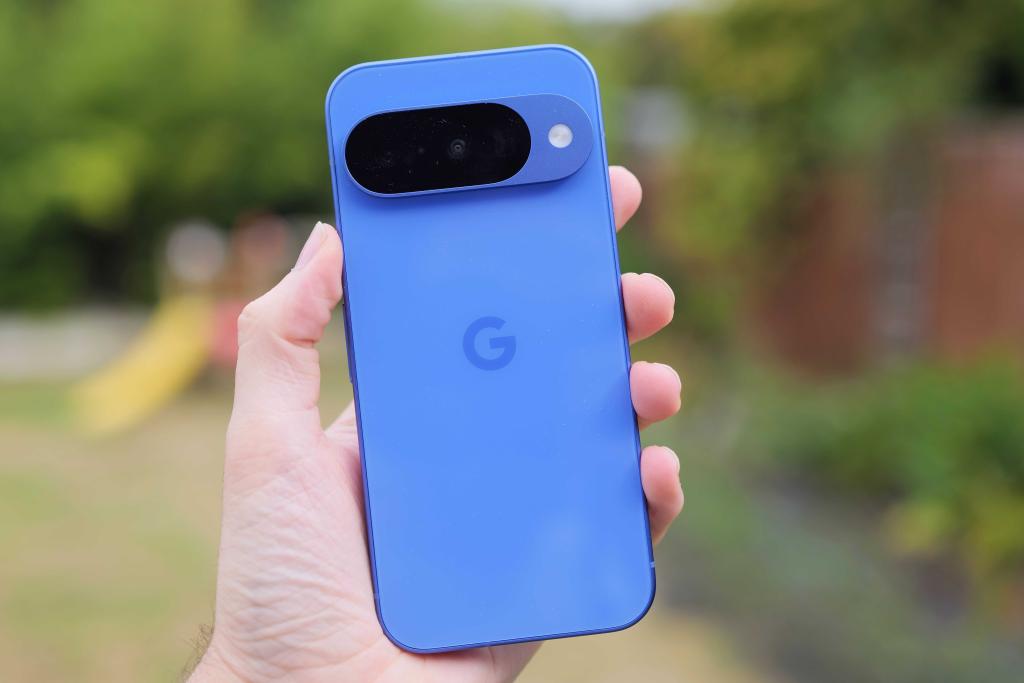
2. Google Pixel 10
Scroll to see more →
| Specifications | Google Pixel 10 |
|---|---|
| Screen | 6.3in Actua Display, 3000 Nits, 60-120Hz |
| Processor | Google Tensor G5 |
| RAM | 12GB RAM |
| Storage | 128GB / 256GB |
| Software | Android 15 |
| Cameras | 48MP Main + 12MP Ultrawide + 10.8MP Telephoto (rear) 10.5MP (front) |
| Battery | 4970 mAh |
| Dimensions | 152.8 x 72 x 8.6 mm / 6.02 x 2.83 x 0.34 in |
| Weight | 204 g / 7.20 oz |
Just like the iPhone 17 above, the Google Pixel 10 makes a strong case for skipping the Pro. After an extensive review, it’s clear Google’s flagship-lite hits that sweet spot between power, design, and practicality, making it the Android phone most people should buy.
Let’s start with the build. The satin-finish metal frame and glossy glass back strike the perfect balance of grip and polish. It feels better in hand than the Pro, and the flatter camera bar keeps it steady on a desk (a small but genuinely useful detail). The new Indigo colour of our review unit pops beautifully, and the whole design feels more refined without losing Pixel character.
The 6.3in Actua OLED screen is another highlight. At 3000 nits, it’s blisteringly bright outdoors, with 120Hz smoothness and rich HDR contrast that makes games like Subnautica and binge-watching Wednesday look top-tier. The stereo speakers are punchy too – loud enough to fill a room without that tinny edge you sometimes get on thinner phones.
Performance from the Tensor G5 chip is effortless. Everything runs fast and fluid, from multitasking to AI-powered tools like Magic Cue and Gemini’s smarter on-device help. Yes, benchmark hunters will find Snapdragon 8 Gen 4 phones that score higher, but in the real world, this thing is absolutely great.
Cameras are the real surprise. The Pixel 10 finally gets a 5x telephoto alongside wide and ultrawide lenses, making it a true triple-threat. Shots are sharp, vibrant, and consistent across all lenses, while AI tools like Auto Best Take genuinely save ruined group photos. Even the macro mode impressed; it’s great fun for texture shots and close-ups.
Battery life easily stretches through a day, and 30W wired charging plus 15W PixelSnap wireless top-ups keep it convenient. The only real gripe is 128GB base storage – it’s 2026, and that’s stingy. Otherwise, this is the Pixel to buy.
Why we chose it
You get nearly all the Pro’s capability for hundreds less, wrapped in a design that feels just as premium.
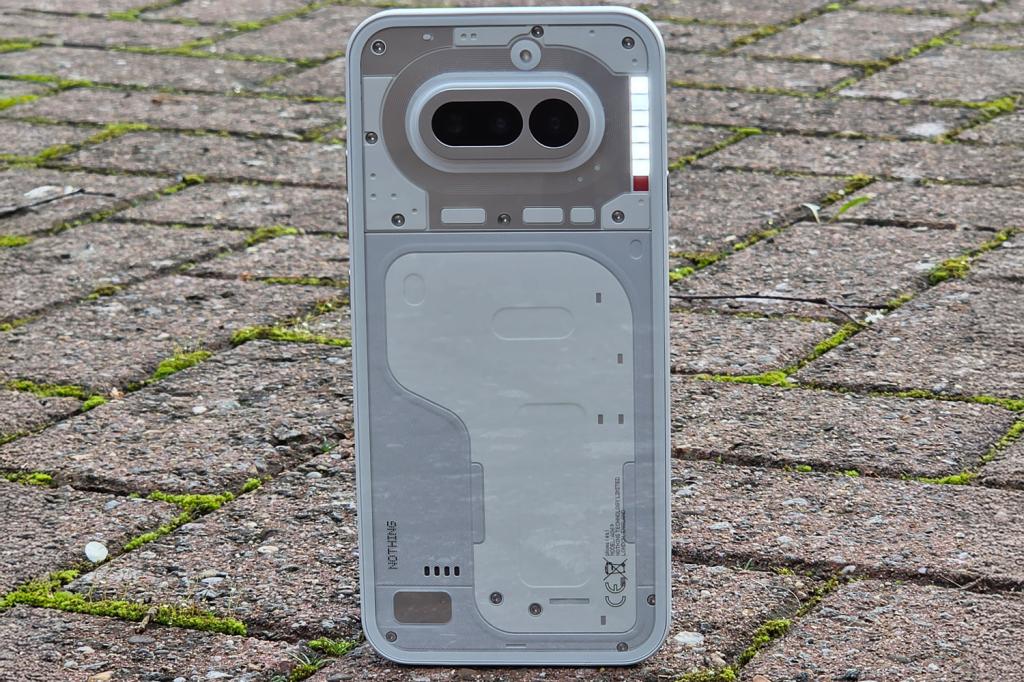
3. Nothing Phone 4a
Scroll to see more →
| Specifications | Nothing Phone 4a |
|---|---|
| Screen | 6.78in, 2800×1260 AMOLED w/ 30-120Hz |
| Processor | Qualcomm Snapdragon 7s Gen 4 |
| RAM | 8/12GB RAM |
| Storage | 50+50+8MP rear, 32MP front |
| Software | 128 GB/256 GB |
| Cameras | Android 16 w/ NothingOS 4.1 |
| Battery | 5080mAh w/ 50W wired charging |
| Dimensions | 164 x 78 x 8.55mm / 6.46 × 3.07 × 0.34 in |
| Weight | 205g / 7.23 oz |
Nothing has once again reimagined its signature feature – the Glyph LED – for its latest affordable smartphone generation. The Phone 4a ditches scattergun LEDs for a neater stacked bar, which sits alongside an upgraded rear camera trio. A periscope telephoto lens capable of 3.5x optical zoom instantly gives this handset an advantage over budget rivals that make do with 2x zoom – or no zoom at all.
A new Gen4 version of Qualcomm’s Snapdragon 7s chipset brings respectable levels of power, with a choice of 8GB of RAM and 128GB of storage, or 12GB and 256GB if you want to spend a little extra. It copes just fine with Play Store games, albeit at lower detail settings than a pricier handset can deliver. The battery capacity hasn’t changed but efficiency tweaks mean this is still an all-day phone, with 50W wired charging being faster than anything Google or Samsung offers for similar money.
Nothing’s take on Android is a big part of Phone 4a’s appeal: the minimal styling is slick and there’s no shortage of useful widgets to customise the home and lock screens with. It has a few useful AI-accelerated features but doesn’t overwhelm you like some rivals, and there’s essentially no bloatware. It’s a fantastic all-rounder for not very much money.
Why we chose it
It’s cheaper than a Pixel 10a (which is barely changed from its predecessor) yet has it beat in a few key areas. The Nothing Phone 4a has more distinctive styling, an equally long-lasting battery, and a more versatile rear camera setup. Things aren’t as clear-cut for US shoppers, with the Phone 4a not officially available there; a good carrier contract deal could make the Google Pixel 10a a better bet after all.
4. OnePlus 15
Scroll to see more →
| Specifications | OnePlus 15 |
|---|---|
| Screen | 6.78in, 2772×1272 AMOLED w/ 165Hz |
| Processor | Qualcomm Snapdragon 8 Elite Gen 5 |
| RAM | 12/16GB RAM |
| Storage | 256/512GB |
| Software | Android 16 w/ OxygenOS 16 |
| Cameras | 50 + 50 + 50MP rear, 32MP front |
| Battery | 7300mAh w/ 120W wired, 50W wireless |
| Dimensions | 161x77x8.1mm / 6.34 × 3.03 × 0.32 in |
| Weight | 215g / 7.6 oz |
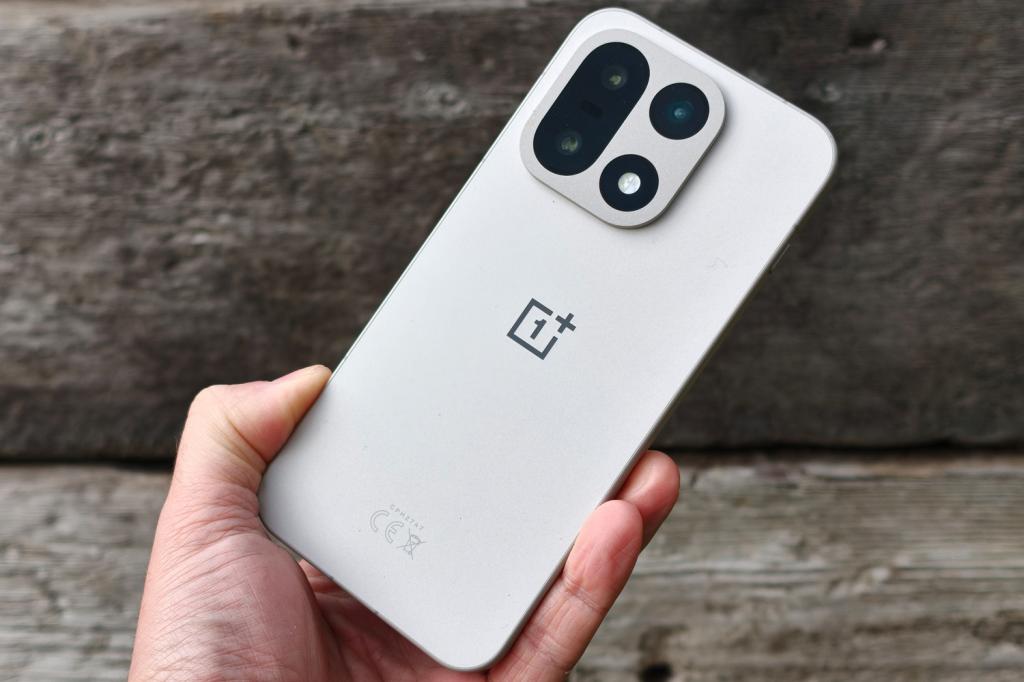
After fully testing it for a couple of weeks, it’s clear OnePlus isn’t the underdog anymore. This is a confident, full-fat flagship that delivers on almost every front – and does it for less money than its biggest rivals. The Snapdragon 8 Elite Gen 5 chip makes it feel ridiculously quick, even by 2026 standards, and the 7300mAh battery easily lasts two full days in real-world use. We ran our usual benchmarks, streamed HDR video, gamed, took hundreds of photos, and still struggled to drain it in a day.
The Sand Storm finish looks and feels fantastic, with a textured frame that’s more distinctive and durable than the usual glass slabs. The phone’s IP69K water resistance might be overkill, but it’s nice knowing it can take a soaking. The screen is another highlight – a 6.78in AMOLED that’s bright, sharp and wonderfully smooth, thanks to its 165Hz adaptive refresh rate. We only really noticed the difference in a handful of games, but everything else, from scrolling to swapping between apps, felt slick.
Cameras remain a strong point. The three 50MP lenses – wide, telephoto and ultrawide – all produce crisp, colourful shots with reliable exposure and great detail. We preferred the 3.5x zoom lens for portraits and close-ups, but the main camera handles almost everything with ease. Low-light performance can’t quite match the best from Samsung or Oppo, but it’s still more than good enough for most people.
Software has come a long way, too. OxygenOS 16 feels clean, fast and refreshingly light on bloatware. Mind Space and the new AI tools feel genuinely useful rather than gimmicky, and the promise of six years of updates is reassuring. Add in lightning-fast 120W charging, great design and bulletproof performance, and you’ve got one of the best Android phones of the year.
Why we chose it
The new battery life benchmark is also a performance monster, with oodles of style, a gorgeous screen, and straightforward software. The OnePlus 15 also packs in some very capable cameras. Unless you’re wedded to Samsung or Google, it’s the Android of the moment.
5. iPhone 17 Pro Max
Scroll to see more →
| Specifications | Apple iPhone 17 Pro Max |
|---|---|
| Screen | 6.9in 2868×1320 OLED HDR at 460ppi |
| Processor | Apple A19 Pro |
| RAM | 12GB |
| Storage | 256GB/512GB/1TB/2TB on-board |
| Software | iOS 26 |
| Cameras | 48MP ƒ/1.8 main, 48MP ƒ/2.2 ultrawide, 48MP ƒ/2.8 telephoto (8× optical zoom in) rear; 18MP ƒ/1.9 front |
| Battery | 4823 mAh (nanoSIM), 5088 mAh (eSIM) |
| Dimensions | 163x78x8.8mm / 6.43 x 3.07 x 0.35in |
| Weight | 233g / 8.22oz |
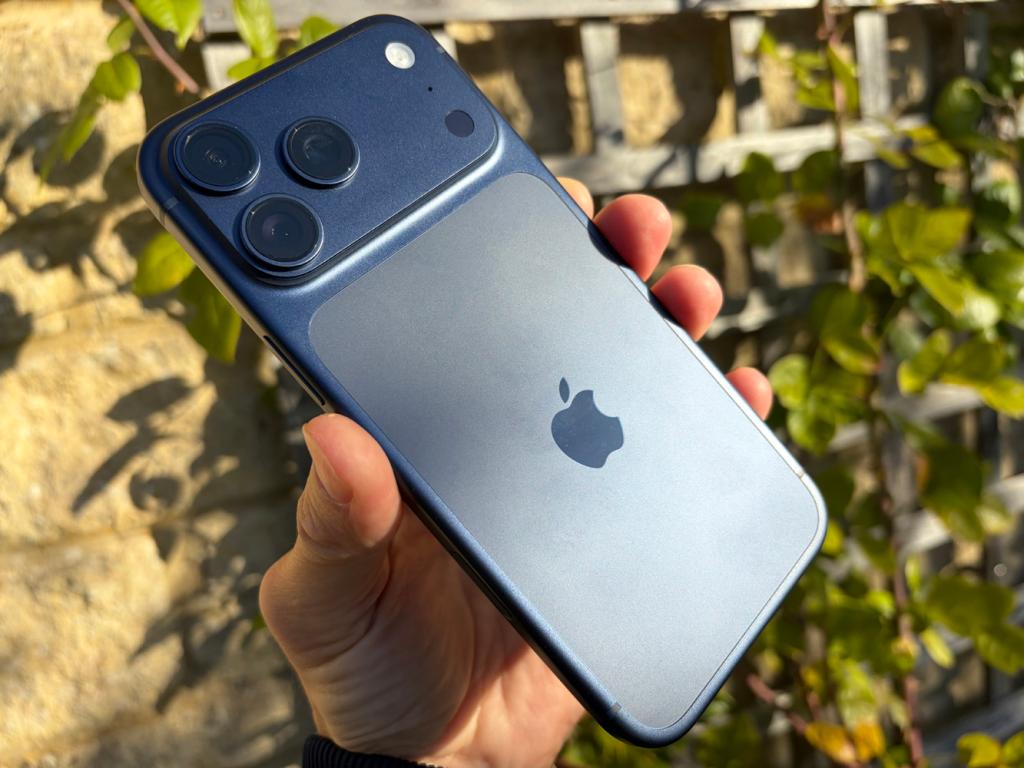
If you want the top-tier iPhone experience, the iPhone 17 Pro is the one to beat. It’s lightning-fast, takes outstanding photos, and its display is nothing short of gorgeous – though it doesn’t come cheap.
After spending time with the iPhone 17 Pro Max, there’s no doubt it’s every bit as powerful as Apple claims. Performance is jaw-dropping – in Geekbench 6, its single-core results were on par with the Mac Studio’s M3 Ultra chip. The new vapour chamber cooling keeps heat under control during gaming and high-zoom video recording, while the 4823mAh battery comfortably lasts close to two working days. A 40W charger refilled it to 50% in around 20 minutes.
The 6.9in OLED panel is a stunner, hitting a dazzling 3000nits outdoors – bright enough to stay clear even in direct sunlight. The refreshed “plateau” camera design stands out visually, and the updated 48MP triple-lens system produces sharp, detailed shots. Even at 8x optical zoom, images stay clean, and the 40x digital zoom easily outperforms the iPhone 16 Pro’s efforts.
The switch from titanium to aluminium won’t please everyone – ours picked up a tiny dent after a few days – but it still feels solid in the hand. iOS 26’s new Liquid Glass interface might split opinion, yet it looks stunning on such a large, vivid display.
Why we chose it
If you want the most capable iPhone Apple makes, this is the one.
6. Samsung Galaxy S26 Ultra
Scroll to see more →
| Specifications | Samsung Galaxy S26 Ultra |
|---|---|
| Screen | 6.9in, 3120×1440, 1-120Hz AMOLED |
| Processor | Qualcomm Snapdragon 8 Elite Gen 5 for Galaxy |
| RAM | 12/16GB |
| Storage | 256GB/512GB/1TB |
| Software | Android 16 w/ OneUI |
| Cameras | 200MP, f/1.4 main w/ PDAF, OIS + 10MP, f/2.4 telephoto w/ PDAF, OIS, 3x optical zoom + 50MP, f/2.9 telephoto w/ PDAF, OIS, 5x optical zoom + 50MP, f/1/0 ultrawide w/ PDAF rear 12MP, f/2.2 w/ PDAF front |
| Battery | 5000mAh w/ 60W wired, 25W wireless charging |
| Dimensions | 164x78x7.9mm / 6.44×3.07×0.31in |
| Weight | 214g / 7.55oz |
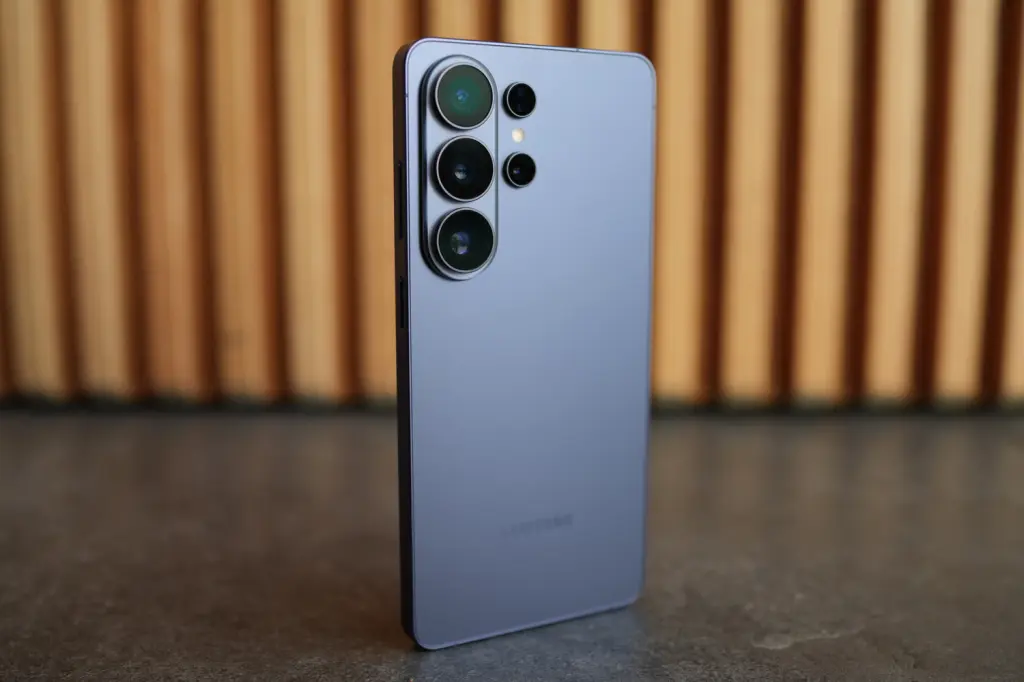
Samsung once again focuses on refinement, rather than reinventing its long-running flagship. The Galaxy S26 Ultra does debut some world-first display tech that’s genuinely innovative, and its performance is second to none. It iterates a familiar design to near-perfection, with skinnier bezels and less weight (even if it did require a return to aluminium from the S25 Ultra’s titanium) – and the S Pen hasn’t gone anywhere.
The 6.9in AMOLED screen may not be the brightest on the market, but its trump card is Privacy Display – a hardware filter that can narrow viewing angles at the press of a button, keeping your private information safe from shoulder snoopers. Samsung has also upgraded two of the four rear cameras with wider apertures for better low light performance, and brought a ‘For Galaxy’ version of Qualcomm’s Snapdragon 8 Elite Gen 5 silicon for good measure.
OneUI might be trying a little too hard to push AI innovation – the Now Nudge feature really didn’t prove helpful at all during my testing – but there’s no question it’s as fully featured a take on Android as you’ll find, with a strong ecosystem of supporting products like wearables, earbuds, tablets and laptops.
Battery life is a weak link now, and it’s true there are better cameraphones if you’re willing to shop outside the Samsung bubble. But the S26 Ultra otherwise excels as a long-term upgrade for Samsung fans.
Why we chose it
There’s safety in sticking with what you know, and with Samsung’s Western popularity under no real threat from the Chinese competition, this becomes the de facto choice for most Android power users.
7. Xiaomi 17 Ultra
Scroll to see more →
| Specifications | Xiaomi 17 Ultra |
|---|---|
| Screen | 6.9in, 2608×1200 AMOLED w/ 1-120Hz |
| Processor | Qualcomm Snapdragon 8 Elite Gen 5 |
| RAM | 12/16GB RAM |
| Storage | 128/512GB/1TB on-board |
| Software | Android 16 w/ HyperOS 3 |
| Cameras | 50MP, 1.0-in w/ f/1.7 aperture, PDAF, OIS +, 200MP telephoto w/ f/2.4-3.0 aperture, 3.2-4.3x optical zoom, PDAF, OIS +, 50MP, f/2.2 ultrawide w/ PDAF rear, 50MP front |
| Battery | 6000mAh w/ 90W wired, 50W wireless charging |
| Dimensions | 1163x78x 8.5mm / 4.58 × 3.07 × 0.33 in |
| Weight | 224g / 7.90 oz |
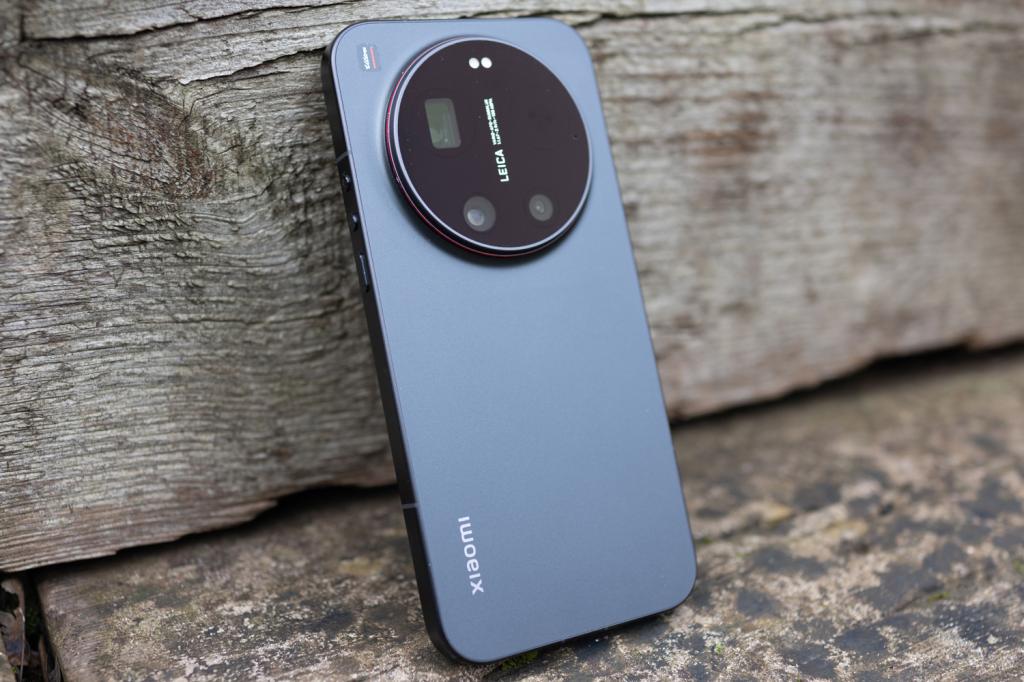
Xiaomi has been knocking it out of the park for multiple generations of Ultra flagship, thanks in part to a strong partnership with imaging experts Leica. The 17 Ultra is the best of the breed, with an incredibly potent 200MP telephoto zoom lens that uses a variable aperture to cover a wide optical zoom range. Combined with one of the phone world’s only 1.0-in main sensors, there’s no denying this is the best phone out there for serious photographers. The Leica-badged Leitzphone goes even further with a mechanical aperture ring around the huge rear camera island, adding a physical way to adjust zoom strength.
The rest of the phone is just as uncompromising, with a Snapdragon 8 Elite Gen 5 chipset delivering epic performance, a 6000mAh battery that can manage a day and a half between charges, and a gorgeous AMOLED display. Xiaomi has also slimmed down the dimensions and trimmed a few grams to make the 6.9in slab a bit more manageable.
It’s a mighty expensive handset, and not everyone will gel with HyperOS – but Xiaomi’s Android skin at least doesn’t overdose on AI like some rivals.
Why we chose it
There are a handful of Ultra-badged rivals from other Chinese brands that punch just as hard on the photography front, but none are as widely sold as the Xiaomi. The 17 Ultra’s huge 1in sensor and Leica-backed image processing are also hard to beat for sheer quality.
8. Samsung Galaxy Z Fold 7
Scroll to see more →
| Specifications | Samsung Galaxy Z Fold 7 |
|---|---|
| Screen | 6.5in, 2520×1080 120Hz AMOLED (outer) / 8in, 2184×1968 120Hz AMOLED (inner) |
| Processor | Qualcomm Snapdragon 8 Elite for Galaxy |
| RAM | 12/16GB |
| Storage | 256GB/512GB/1TB |
| Software | Android 16 w/ OneUI |
| Cameras | 200MP + 10MP telephoto + 12MP ultrawide rear, 10MP front, 10MP inner |
| Battery | 4400mAh w/ 25 wired, 15w wireless charging |
| Dimensions | 158x143x4.2mm / 6.22 × 5.63 × 0.17 in (unfolded) / 158x73x8.9mm / 6.22 × 2.87 × 0.35 in (folded) |
| Weight | 215g / 7.58 oz |
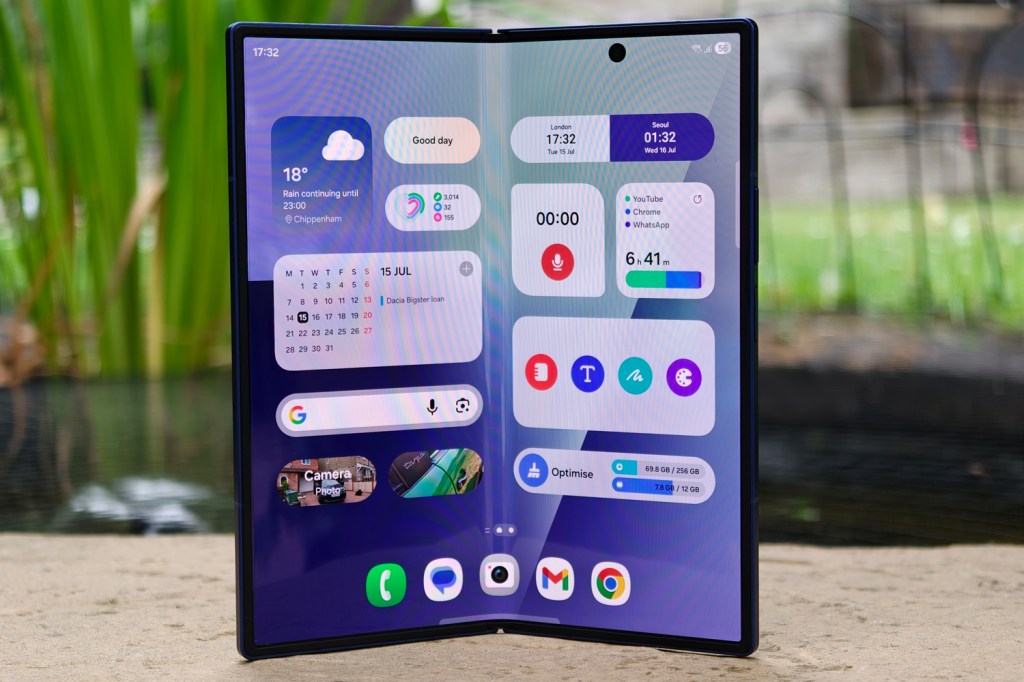
That the Galaxy Z Fold 7 arrived as unbelievably thin as it did was honestly a bit of a shock. We were used to Samsung phoning it in a bit with each successive generation, but this Fold feels entirely new, being just 4.2mm when unfolded and rocking a larger, more sensibly proportioned outer display. It feels like a traditional smartphone, until you unfurl it and see the giant 8in display lurking inside.
Performance is top-tier, courtesy of a Snapdragon 8 Elite for Galaxy chipset, and the software is much improved too. It arrives running Android 16, which brings some welcome boosts to multitasking, and all the AI-assisted apps continue to get smarter as well. A 200MP rear camera inherited from the Galaxy S25 Ultra is the icing on the cake.
Chinese brands were beginning to dominate the foldable space, leaving the rest of the world to look on with jealousy. That’s not the case anymore. Samsung is back at its best here.
Want more folding phone suggestions? Check out Stuff’s guide to the best folding smartphones.
9. Motorola Razr 60 Ultra
Scroll to see more →
| Specifications | Motorola Razr 60 Ultra |
|---|---|
| Screen | 4in, 1272×1080 165Hz AMOLED (cover) / 7in 2912×1224 165Hz AMOLED (main) |
| Processor | Qualcomm Snapdragon 8 Elite |
| RAM | 16GB |
| Storage | 512GB/1TB |
| Software | Qualcomm Snapdragon 8 Elite |
| Cameras | 50MP, f/1.8 w/ PDAF, OIS +, 50MP, f/2.0 ultrawide w/ PDAF rear, 50MP, f/2.0 front |
| Battery | 4700mAh w/ 68W wired, 30W wireless charging |
| Dimensions | 172x74x7.2mm / 6.77 × 2.91 × 0.28 in (unfolded), 88x74x15.7mm / 3.46 × 2.91 × 0.62 in (folded) |
| Weight | 199g / 7.02 oz |
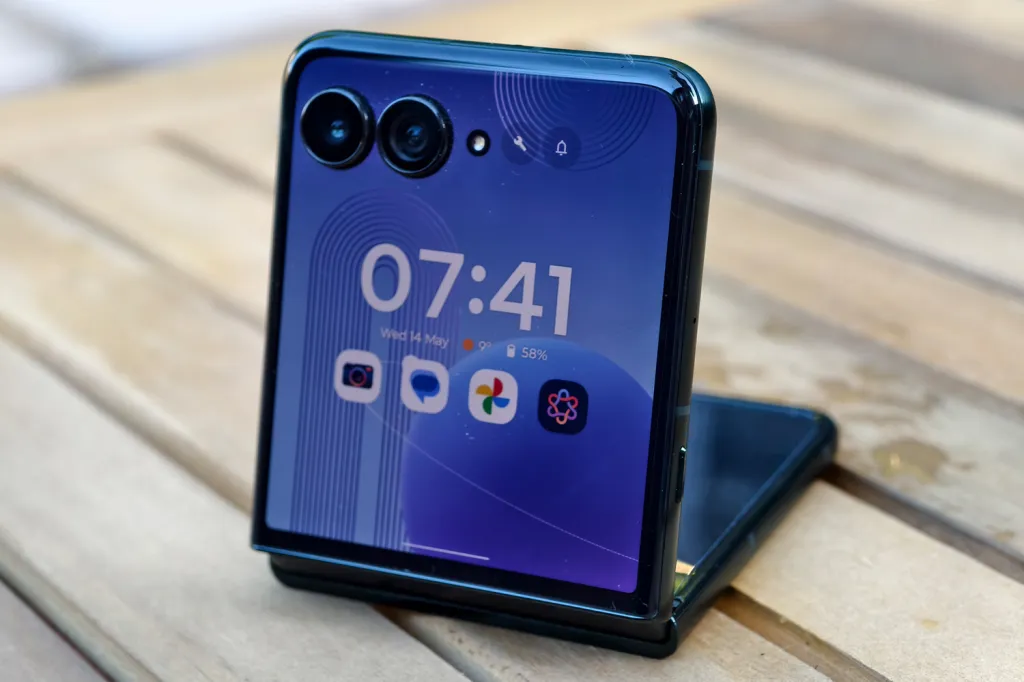
A mix of Pantone colours, Alcantara, leather or wood finishes make the Razr 60 Ultra feel more premium than any rival – though it’s not like there are many of those in the West. Motorola gives you full use of the 4in outer display, not restricting you to widgets unless you jump through multiple hoops like Samsung, saving you from having to even open the phone to reply to incoming notifications.
Flip it open and you’re greeted by a gorgeous 7in OLED that’s impressively bright and wonderfully sharp. The crease barely registers, colours are vivid, and 165Hz refresh rate makes scrolling silky. The 50MP main camera produces sharp, vibrant shots, and the ultrawide matches it for colour and tone. Shooting with the cover screen as a viewfinder is brilliant – especially for selfies.
Performance is flagship-strong thanks to the Snapdragon 8 Elite and 16GB RAM, even if it runs hot during long gaming sessions. The 4700mAh battery, meanwhile, comfortably lasted into day two, and 68W charging gets you back up in just over an hour.
It’s expensive, but with no real weak links, the Razr 60 Ultra is the closest any clamshell has come to perfection.
Frequently asked questions
A “mobile phone” is technically any portable device that can make calls and send texts – think old-school feature phones with very limited extras. A “smartphone” goes much further, combining calling with advanced computing power. Modern smartphones run platforms like iOS or Android, offer app stores, internet access, GPS, cameras, and much more. So while every smartphone is a mobile phone, the reverse isn’t true.
A flagship phone should comfortably last between four and six years. Premium models use high-end materials, powerful chipsets, and now get extended software support as well (up to seven years for iPhones and many new Android phones).
Naturally, battery health will decline first, but you can often replace it cheaply. The main reason to upgrade sooner is for new AI features, not because your old phone stopped working.
For most people in 2026, 12GB of RAM and 256GB of storage hits the ideal balance. It’s enough to keep everything running smoothly, whether you’re juggling apps, gaming, or keeping photos saved locally. If you’re the kind who edits video, plays demanding games, or loads your phone with hefty apps, you’ll be happier with at least 512GB of storage. Those who rely on cloud backups like Google Photos or iCloud can get away with less and spend the savings elsewhere.
Battery capacity is measured in milliamp-hours (mAh). It tells you roughly how much energy your phone can store. A 5000mAh battery usually lasts a day, but real-world endurance depends on screen brightness, refresh rate, and processor efficiency.
Charging speed, measured in watts (W), shows how quickly the battery can refill. Fast chargers rated 45W or higher can often deliver 50% in under 30 minutes.
You don’t need a phone case, but most people feel better with one. Modern phones are tougher than they used to be, but they’re still mostly glass, and glass doesn’t forgive a pavement drop. A slim case won’t turn your phone into a brick, but it’ll soak up the everyday knocks. If you’re careful and prefer the clean feel of a naked phone, you can get away without one. Just accept the risk. A single repair usually costs far more than a decent case, which is why most people don’t roll the dice.
Yes, but it really comes down to what matters most to you. Foldable phones in 2026 have come a long way – hinges are sturdier, and most screens now look almost crease-free. They’re brilliant if you like having a tablet-sized display that folds into your pocket. Great for multitasking, watching videos, or jotting down quick sketches on the go.
That said, they still cost more than regular flagships, and you’ll usually trade a bit of battery life for that second screen. If you enjoy experimenting with new tech and need extra screen space, go foldable. If you’d rather stick with something simpler and tougher, a standard phone will serve you better.
Recent updates
- 6th March 2026: Nothing Phone 4a, Xiaomi 17 Ultra, Samsung Galaxy S26 Ultra added
- 6th February 2026: Motorola Razr 60 Ultra added as the best flip phone. Best phone for creatives category removed
- 27th November 2025: Added a question about phone cases.
- 13th November 2025: We replaced the OnePlus 13 with the OnePlus 15.
- 31st October 2025: We’ve added the iPhone 17 Pro Max as the best premium iPhone.
- 27th October 2025: We’ve replaced the iPhone 16 with the newer iPhone 17 as the best phone overall. We also replaced the Google Pixel 9 Pro with the Google Pixel 10, and added the Google Pixel 10 Pro as well.


Read the full article here
