

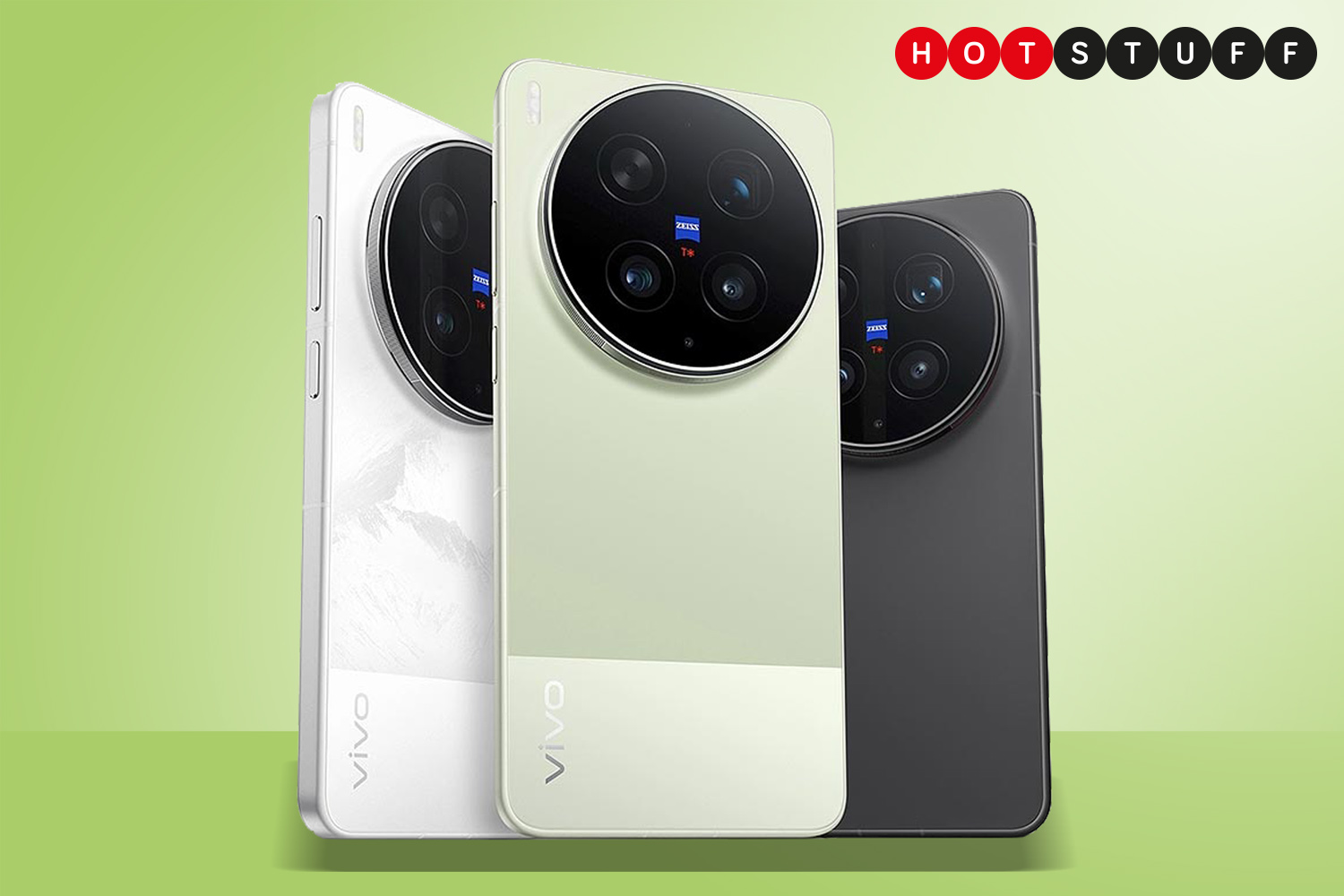
Vivo has carved a niche out for itself on home soil as a smartphone imaging innovator, but is now finally brining its mix of huge camera sensors and equally massive lens extender accessories to a wider audience. The Vivo X300 Ultra has officially launched for global markets, just in time to take on semi-related rival Oppo’s Ultra-badged alternative.
Until now, Vivo’s X-series Ultra flagships were strictly China-only. That’s all change for 2026, though depending on where you live you might still find the pocket-friendly cinema camera a bit of a challenge to get hold of.
That’s a shame, as it’s got some of the most appetising camera hardware I’ve ever seen bolted to a phone. A 200MP Sony Lytia LYT-901 is the headline act: the oversized 1/1.12-inch sensor has a native 35mm focal length, f/1.9 optics approved by glass expert Zeiss and what Vivo calls “gimbal-grade” optical image stabilisation.
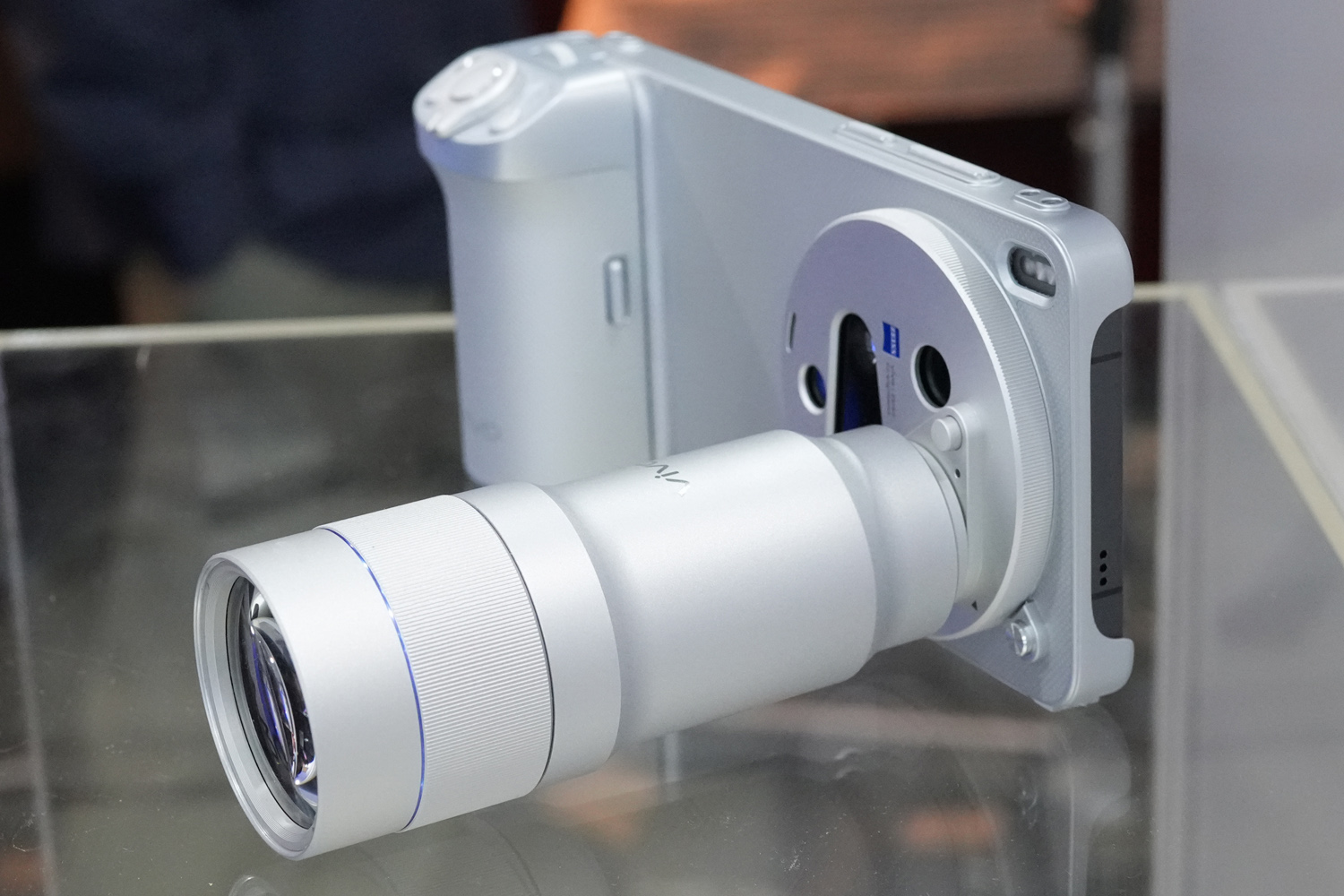
It’s backed up by the same 50 MP, f/2.0 ultrawide as the last-gen X200 Ultra, plus a massive pixel count telephoto. The 200MP Samsung ISOCELL HPB sensor gives a portrait-friendly 85mm focal length (that’s 3.7x optical zoom if you’re not a camera nerd), which can then be extended to a whopping 400mm – entirely optically – using one of two new lens extender bolt-ons. Laser autofocus and a dedicated colour spectrum sensor complete the set.
Vivo has put just as much care into the software side, doubling down on its Zeiss-backed image processing (which, for my money, has been some of the best on any phone for a few generations now) with 12fps continuous shooting, tracking autofocus at 60fps, and portrait modes that replicate the look of specific Zeiss camera lenses.
With Oppo also bringing its Find X9 Ultra to a wider audience this year, Vivo has turned the X300 Ultra’s focus more towards video. All three rear lenses can record 4K120 Dolby Vision video, it supports log recording, and has a Pro mode that lets you add your own LUTs and get a real-time preview of the colourised end product.
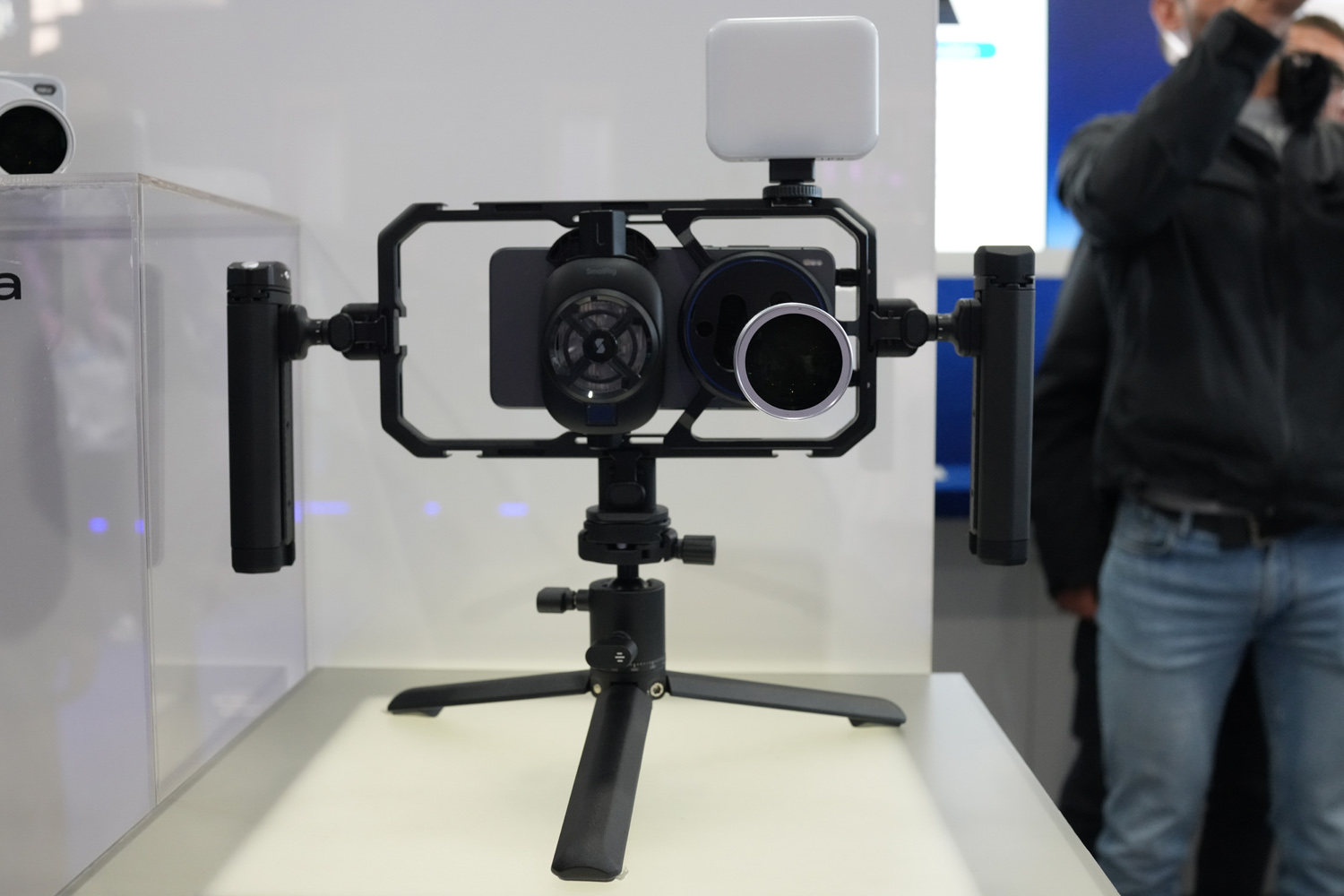
Photo gear maker Smallrig was then brought on board to create the pro-grade Camera Cage, a hulking brute of an accessory kit that includes multiple quick release brackets, dual handles, plenty of cold shoe mounts, and physical buttons for recording and zoom control. A cooling fan is also on board to tame the X300 Ultra, once slotted inside, when filming long 4K clips.
I got to see the OTT videography kit at Mobile World Congress earlier this year.
Beyond its camera capabilities, the X300 Ultra looks every bit the flagship phone.
Up front the 6.82in OLED display has a pin-sharp 3168×1440 resolution and rapid 144Hz refresh rate; underneath lies a top-tier Snapdragon 8 Elite Gen 5 chipset, up to 16GB of memory and as much as 1TB of storage – handy if you’ll be shooting a lot of 4K footage. A 6600mAh silicon-carbon battery should last through a full day of shooting, while charging speeds max out at 100W over USB-C and 40W on a compatible wireless charging pad.
It’s landing in black, green and white colours, with IP69 resistance and an ultrasonic under-display fingerprint sensor.
As has become the norm for Chinese brands with a limited presence in the West, Vivo’s definition of a “global” launch largely means Asia, India and parts – but not all – of Europe. Austria, Italy, Spain, Poland, Hungary, Russia and the Czech Republic are first in line, with no word on if UK phone photographers will be getting a sniff – or if they’ll have to go down the import route.
Vivo is sending me a unit for testing but it hadn’t arrived in time for the official reveal, so a full review will follow later. Hopefully by then the firm will have confirmed pricing and an exact launch date.


Read the full article here
