

Introduction
Distraction-free, screenless fitness trackers are having a moment. Whoop kicked things off, then Google gave it a go with the Fitbit Air. Now it’s Garmin’s turn. The Cirqa aims to please both workout newbies and brand loyalists, skipping the need for a subscription while still offering 24/7 health monitoring – something not everyone finds comfortable using the firm’s chunky multi-sport watches.
The $200/£180/€200 price of entry being a one-and-done deal instantly gives it an edge over Whoop’s monthly membership fees, while Garmin’s Connect companion app remains one of the most comprehensive out there for serious athletic and endurance training. But could that prove off-putting for anyone simply wanting a way to track the odd workout that doesn’t involve sticking a screen on your wrist?
After living with the Cirqa for a few weeks, I’ve found plenty of plus points worth praising – but also a few irks and quirks that mean it falls short of being the best all-round screen-free tracker out there.
Does the Cirqa do anything different design-wise?
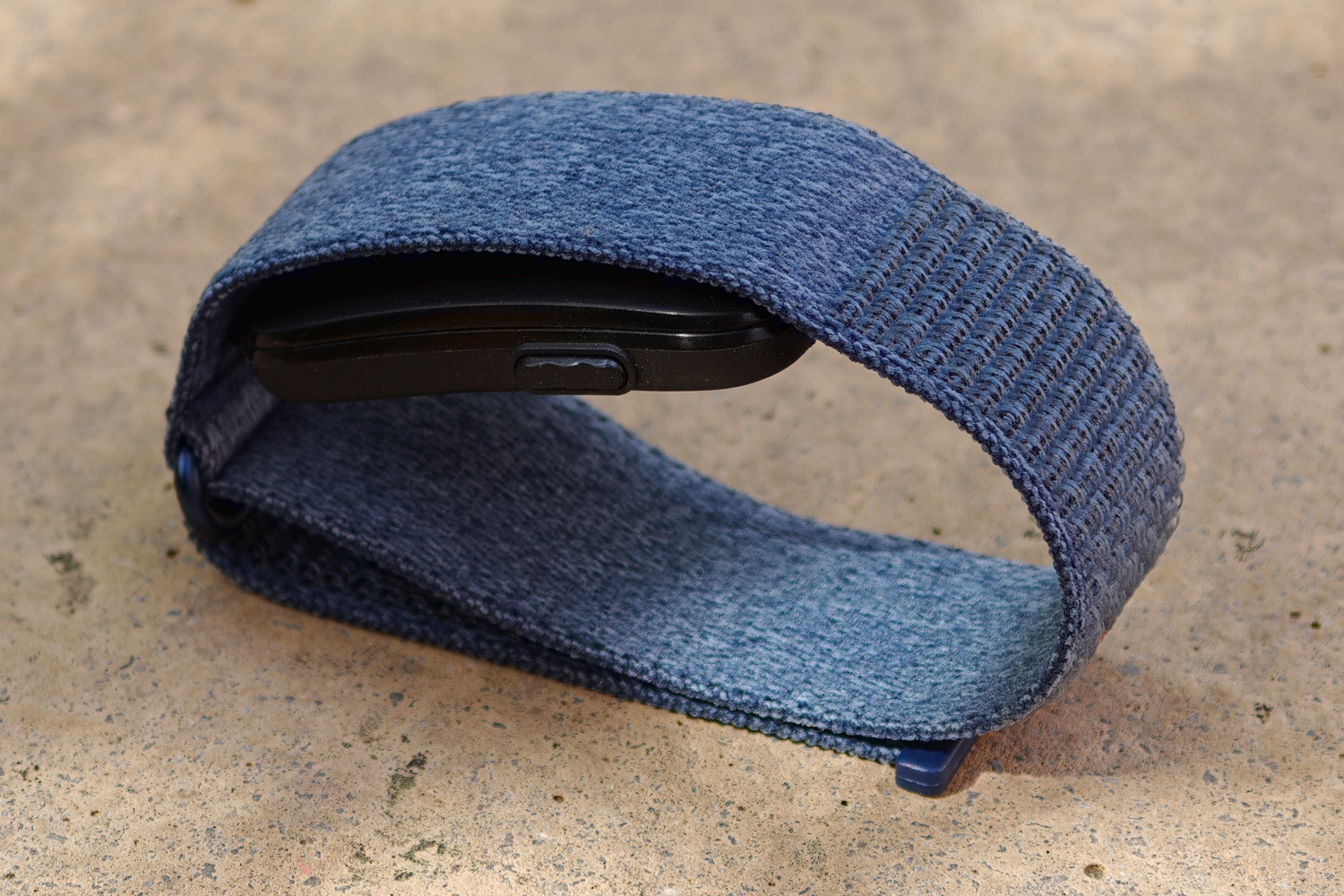
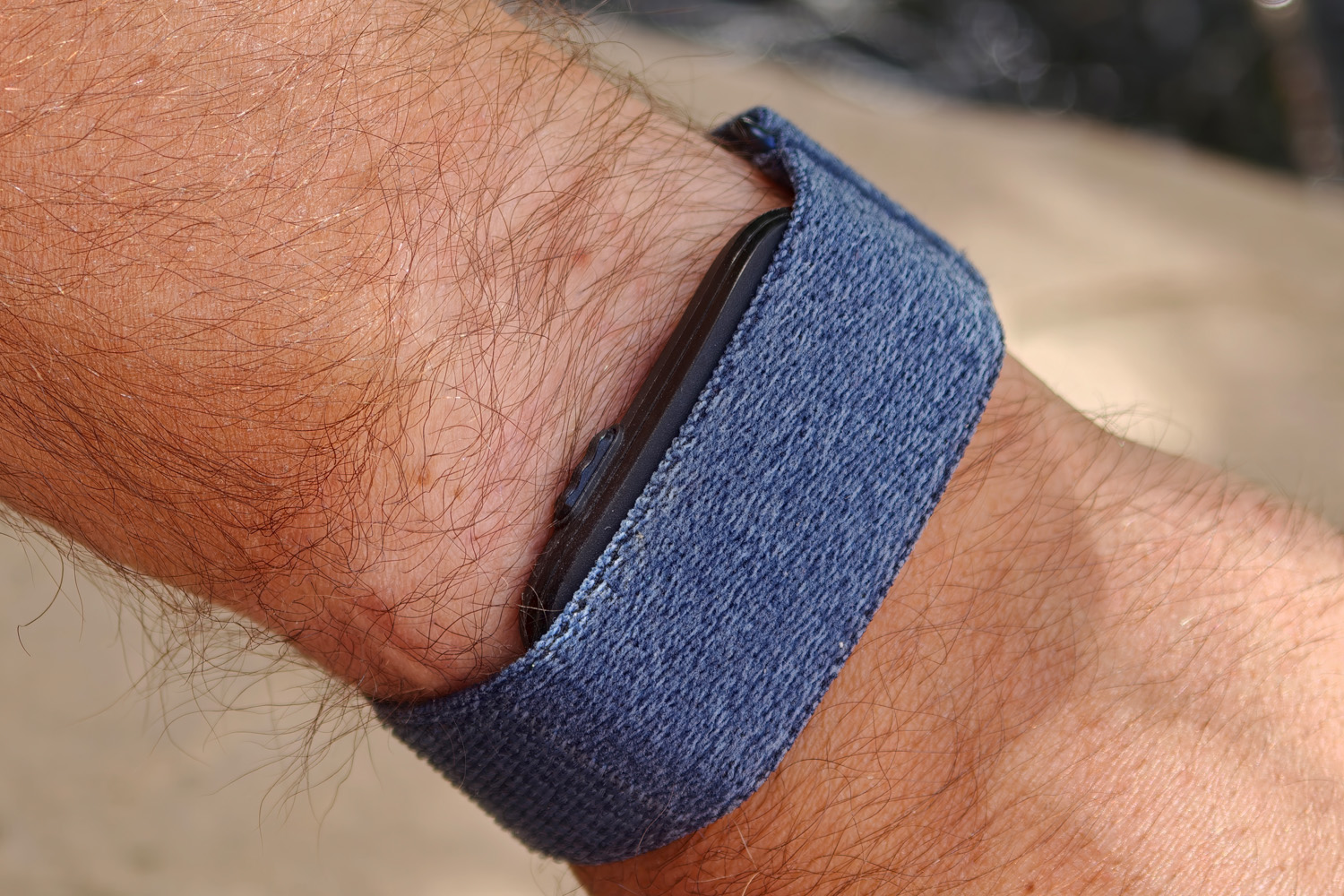
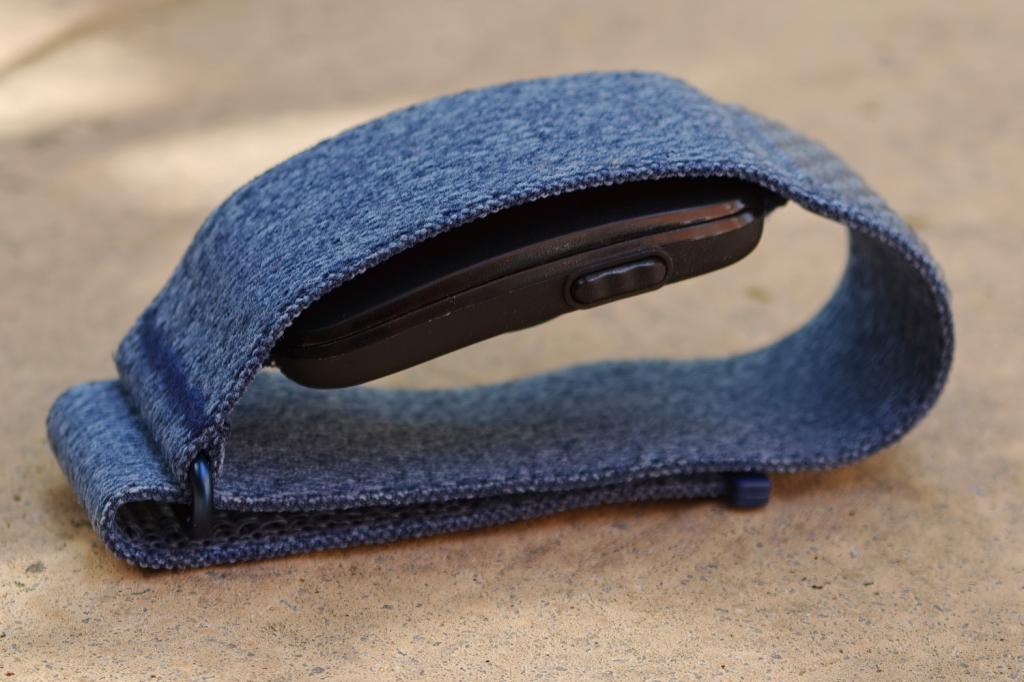
With no screen and a fabric band, there’s really not a whole lot to talk about on the styling front – other than the fact the Cirqa is both longer and thicker than its rivals. It’s still trim and light enough to disappear into the background once on your wrist, making it ideal for sleep tracking.
The black plastic tracker module arrives pre-fitted to a washable, sweat-resistant fabric band that proved instantly comfortable. It’s launching in four colour choices – Mauve, French Gray, Captain Blue, and Black – and either small/medium or large/extra large sizes. Most people will be fine with small; getting it over my hand was a squeeze, but it then sat comfortably and securely on my wrist. Velcro keeps it firmly in place while the loop is easy to adjust. An arm band will give more accurate heart rate readings in certain activities, but it’s an optional extra.
There aren’t any official straps made from more premium materials like leather or metal, unlike Whoop. I’m expecting third party alternatives to start showing up fairly soon though.
Being physically larger than the competition lets the Cirqa find room inside for a bigger battery, a button for manually triggering exercises at the side, and some genuinely useful extra connectivity. A vibration motor supports silent wake-up alarms and buzzes on the hour during workouts to let you know it’s still recording.
ANT+ support is the big addition, letting you share live heart rate readings with gym equipment and other fitness gadgets such as bike computers. There’s even an optional shortcut in the app for triggering a broadcast with a press-and-hold of the on-device button.
What is Garmin’s Connect app like to use?
My first encounter with the Cirqa – a sweaty class in a London exercise studio – came before Google had pushed out the latest version of Garmin Connect to the Play Store. Luckily that was resolved in time for the on-sale date, and I’ve had zero issues getting connected or staying paired since. The app recognises the band once put in pairing mode, then regularly syncs automatically behind-the-scenes.
Connect is as comprehensive as companion apps get, though the layout isn’t as clear as some rivals. This means some information can end up buried until you go searching for it. I was only prompted to add the new Essentials section, which puts four metrics at the very top of the page for quick reference, a week into using the Cirqa. It’s also sorely in need of homescreen widgets for both Android and iOS.
Exercise tracking is split across multiple screens of stats, charts and maps depending on the workout. I already swear by the Body Battery and Training Readiness metrics, which rely on 24/7 heart rate and sleep tracking. The Cirqa provides both, with sleep monitoring that’s as good as any rival: heart rate variability, breathing rate and sleep stages are all consistent, as is step count during the day. While I sleep just fine with the chunky Fenix 8 Pro smartwatch on my wrist, anyone that dislikes wearing a watch to bed will get along with the Cirqa just fine.
Stress tracking and blood oxygen saturation measurements are here too, meaning you’re not missing out on any info that a Garmin watch would usually record. This is a big deal for anyone invested in Garmin Connect.
Unlike rival Whoop, you don’t have to fork out for a monthly subscription just to get the Cirqa’s health insights. All tracking functions and metrics are available for free here – including live heart rate, which wasn’t originally part of the plan but Garmin quickly responded to user complaints.
The paid-for Connect+ plan could be seen as an exception, but its feature set is identical whether you’re wearing the $200 Cirqa or a $1000+ Fenix. At no point did I feel I was missing out by not paying for the various coaching programmes, nutrition tracking and AI-generated active intelligence insights.
How accurate is the Cirqa for health & fitness tracking?
Workout heart rate accuracy up there with a high-end chest strap – for the most part. Indoor cycling, strength training and exercise classes were no problem at all. Outdoor accuracy for running was very good too, though cold weather isn’t a wrist-based HRM’s friend; I’ve heard from journalists in other territories that low temps can lead to some wonky results. A bicep band may also be your better choice for strenuous trail runs.
GPS tracking is handled entirely by a paired phone, so accuracy is down to that rather than the Cirqa, but it will beat pure wrist-based rivals for distance once enabled. Step tracking is otherwise in line with rivals, at less than 5% variance based on my testing – that’s simply not going to affect your fitness routine.
I’d argue that activity detection matters even more than accuracy on a screenless wearable. The Cirqa is pretty good at recognising runs and outdoor bike rides, taking between 30 seconds and a few minutes to start tracking depending on the level of exertion. The on-device button can manually trigger start and stop times for other types of exercise that are less easily recognised. This is smoother than reaching for your phone first, though you’ll still have to edit them in Garmin Connect post-workout to match the specific activity type.
However, because the heart rate sensor stays in low power state until it recognises you’re working out, you’re out of luck if it didn’t pick up any part of the routine. Miss the start? You can’t go back in and adjust the times. Miss it entirely? Sorry, then it’s gone. Whoop, Google and Polar all manage this better.
How long does the Garmin Cirqa’s battery last?
The Cirqa’s battery isn’t quite Whoop-rivalling, but Garmin’s “Up to 10 days” claim largely holds muster. I easily saw eight days between charges while recording 30 minutes of exercise a day, but could go longer with basic step and sleep tracking. Broadcasting your heart rate over ANT+ and enabling all-day pulse oximeter will drain it slightly sooner.
This is still competitive overall and means you really can wear it 24/7 for an entire week without having to think about plugging in. The app is good at reminding you when it’s time to refuel.
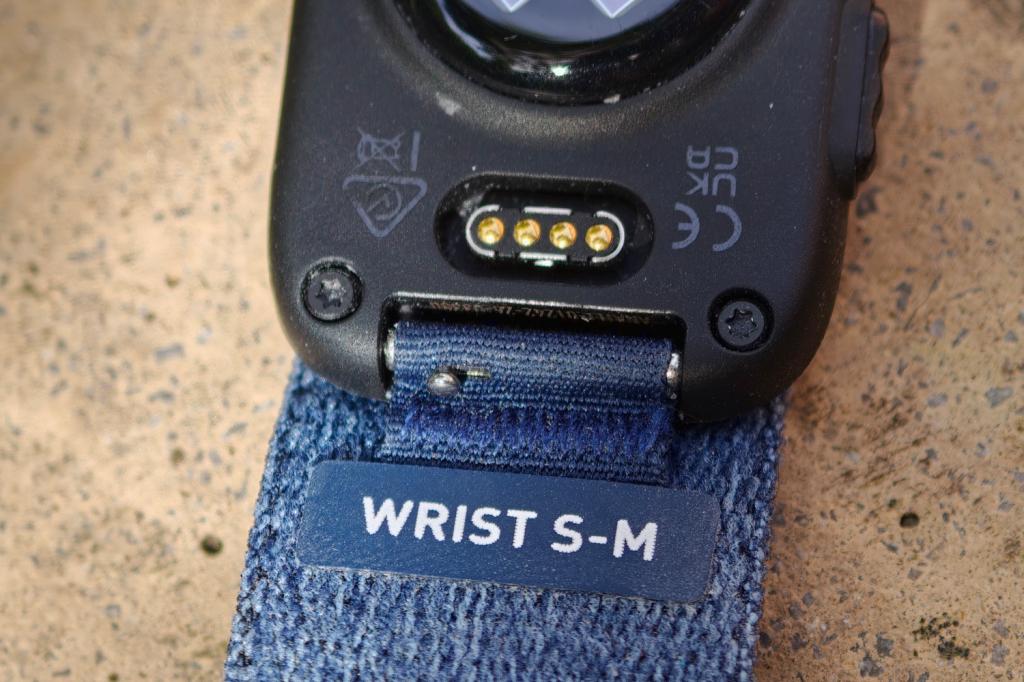
A full charge takes about an hour and a half using Garmin’s proprietary cable, which is the same one that comes bundled with the firm’s fitness watches. Based on my experience it seems harder to dislodge accidentally here than my usual Fenix 8 Pro.
Should you buy the Garmin Cirqa in 2026?
If you already use a Garmin watch for workouts but can’t face wearing it 24/7, the Cirqa is easily the best way to fill those gaps in your training diary. It fits so snugly I often forgot I was wearing it, despite its size, and has enough battery life to last all week between charges. Features like ANT+ connectivity help it stand apart from other screenless trackers. It’s accurate and supports lots of different types of exercise.
Activity detection isn’t the best, though, and not being able to retroactively tag workouts can be frustrating. The cheaper Fitbit Air handles this better and its companion app is also easier for casual fitness fans to grasp. While I’m already invested in the comprehensive Connect app, I know it has a somewhat steep learning curve.
Whoop ultimately remains ahead at connecting the dots between sleep, exercise and recovery – but you do pay monthly for the privilege.
What are the Garmin Cirqa’s technical specifications?
Scroll to see more →
| Specifications | Garmin Cirqa |
|---|---|
| Screen | None |
| Sensors | Heart rate, accelerometer, skin temperature |
| Connectivity | Bluetooth, ANT+ |
| Durability | 5 ATM |
| Battery life | ‘up to 10 days’ |
| Dimensions | 27x47x9mm, 14.8g (module only) |


Read the full article here
