

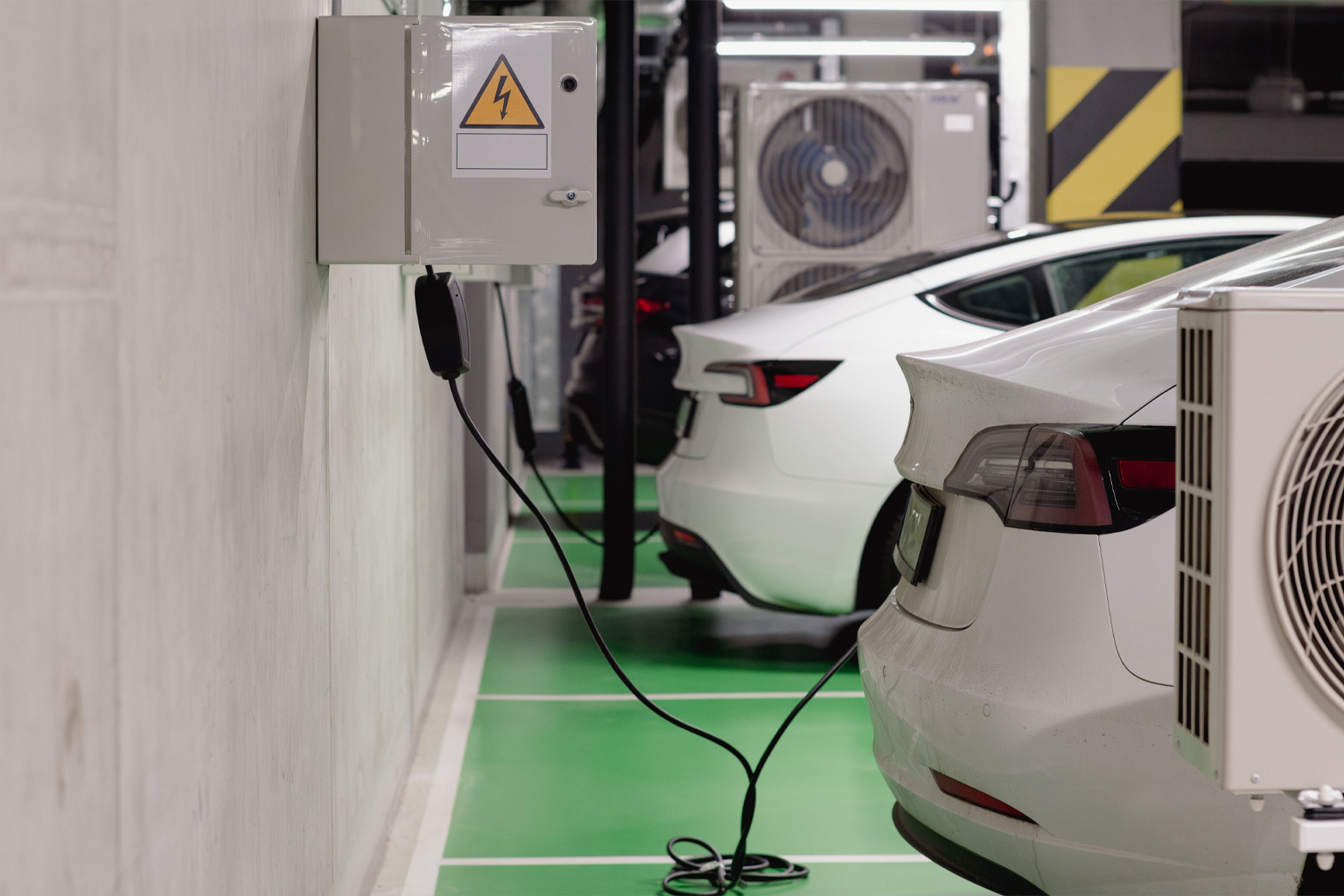
Electric cars have come a long way, but their underlying compromises haven’t disappeared. Even EVs with the best tech still take considerably longer to recharge than a petrol car takes to refuel, while larger batteries add weight, cost, and pressure on increasingly busy charging networks.
Thankfully, that could all change surprisingly quickly. Battery makers and car manufacturers are developing EVs capable of travelling further, charging in minutes, and performing more consistently in freezing weather. Some of the breakthroughs won’t require the long-awaited arrival of solid-state batteries, either. Hooray!
So, with some cautious optimism, these are some of the next-gen EV technologies with the strongest chance of making electric travel noticeably easier – and how close each one is to becoming a reality.
Solid-state batteries could deliver more range without larger cars
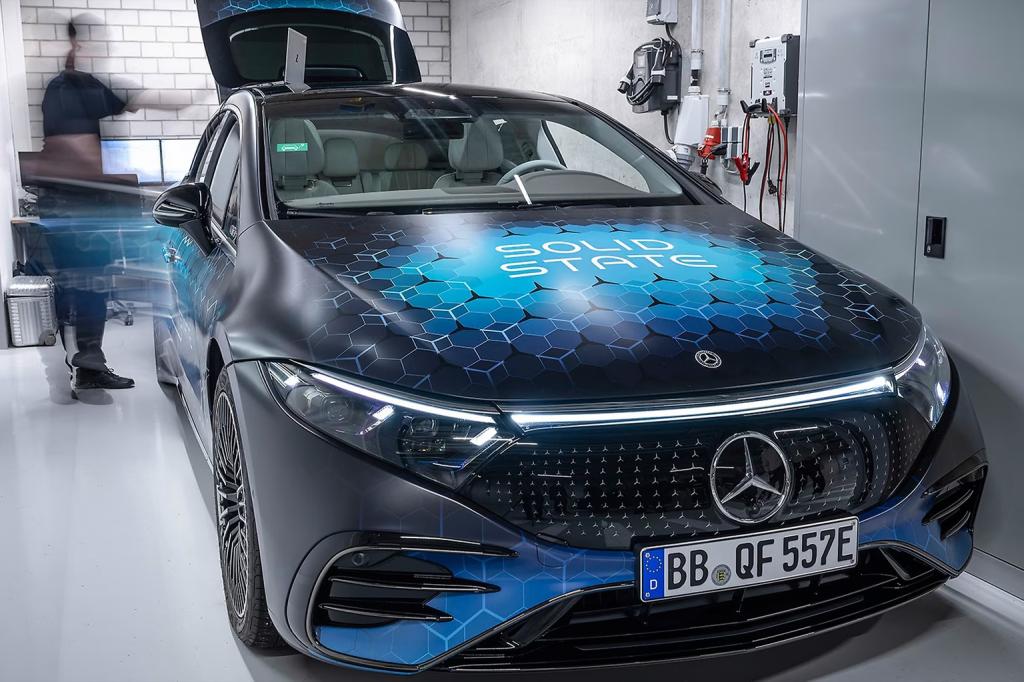
Most current EV tech uses batteries with a liquid electrolyte to carry ions between their electrodes. Solid-state batteries replace this liquid with a solid material, potentially allowing manufacturers to use lithium-metal anodes and store considerably more energy within the same space and weight constraints – potentially making EVs more efficient, affordable, and enjoyable to drive.
There should also be some safety benefits. Removing the flammable liquid found in conventional lithium-ion cells can reduce certain risks, although calling any new battery chemistry completely fireproof would be going too far.
This is all no longer confined entirely to lab cells, either. Mercedes-Benz began road-testing a modified EQS fitted with a lithium-metal solid-state battery developed with Factorial Energy in 2025. The company says the battery offers up to 25 per cent more range than a conventional pack of equivalent size and weight.
Mercedes-Benz says that the prototype also subsequently completed a 1205km manufacturer-organised journey from Stuttgart to Malmö without recharging, arriving with another 137km of indicated range remaining. It was an impressive real-world demonstration, although not an independently certified range test.
Meanwhile, Toyota is targeting a 2027–2028 launch for its first EVs with all-solid-state batteries. Its development goals include a 10–80 per cent charge in 10 minutes or less, and approximately 20 per cent more range than its own high-performance lithium-ion battery tech. Nissan has previously targeted its 2028 financial year, while Mercedes-Benz wants to bring solid-state technology into series production by the end of the decade.
None of those timelines guarantees an affordable solid-state family car. Manufacturers must produce millions of cells consistently, prevent cracks and unwanted deposits from forming as they repeatedly charge, and bring costs down far enough for mass-market vehicles. The first production examples are likely to be expensive and relatively limited in number. But what else is new?
Ten-minute charging could land before solid-state batteries
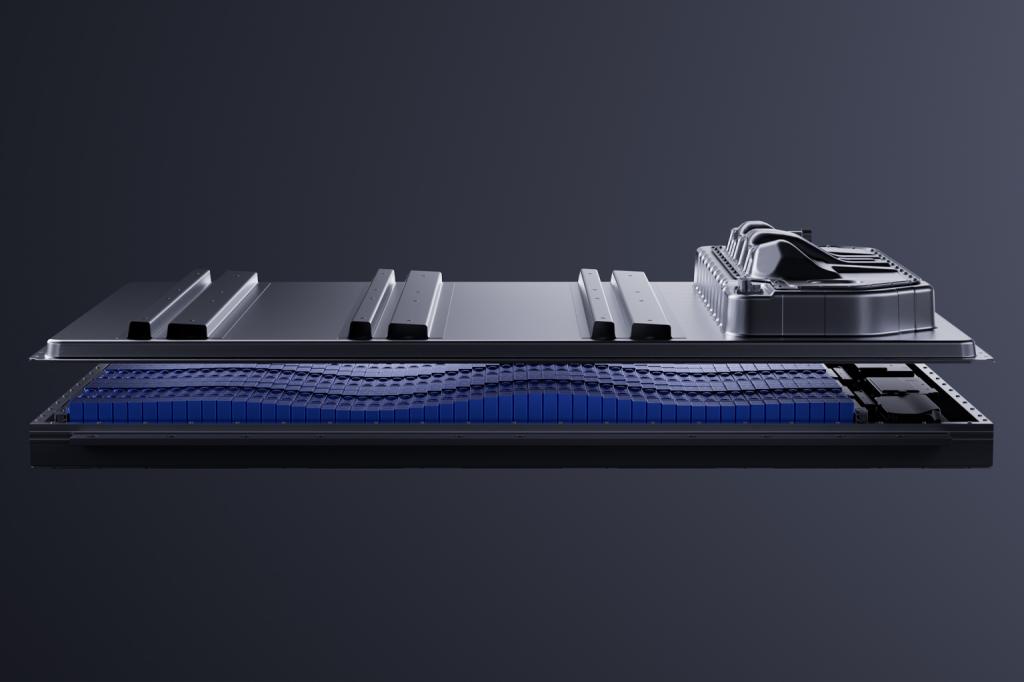
Solid-state batteries are often credited with making EV charging as quick as filling a fuel tank, but conventional lithium-ion tech is also closing the gap.
CATL’s Shenxing Pro battery, developed specifically for Europe, is an LFP – or lithium iron phosphate – design. The company says its fastest-charging version can add up to 478km of WLTP range in 10 minutes. Its newer third-generation Shenxing battery goes considerably further on paper, too.
In fact, CATL claims that the battery can charge from 10–80 per cent in three minutes and 44 seconds under controlled conditions, although it hasn’t yet confirmed when drivers outside China will be able to use the technology in a production car.
BYD is also chasing similarly borderline unbelievable speeds. Its Flash Charging system is designed to use chargers delivering up to 1500kW, allowing a compatible car to charge from 10–70 per cent in five minutes. For context, many of the most powerful public chargers currently available across Europe operate at around 350–400kW, although a small number of higher-powered installations are beginning to appear.
That enormous power requirement, by the way, is the catch. A car can only charge as quickly as the battery, its electrical architecture, the charging cable, and the charger itself will allow. Speeds also vary with the battery’s temperature and state of charge, and an EV generally can’t sustain its headline peak throughout an entire session.
Delivering more than a megawatt to several cars simultaneously will require expensive hardware and substantial grid connections. Local battery storage could help charging sites accumulate energy more gradually before dispensing it quickly, but these stations won’t appear everywhere overnight.
Even so, the prospect of adding hundreds of miles during a coffee stop is becoming a little more credible. Crucially, it might also reach production cars without waiting for solid-state batteries to become commonplace.
Better heat management will make rapid charging more useful
Pushing huge amounts of power into a battery creates heat, while charging lithium-ion cells too aggressively can accelerate degradation. It’s why thermal management may be just as important as the charging speed and capacity.
New battery designs are using more effective cooling systems to maintain a consistent temperature across thousands of individual cells. Mercedes-AMG’s GT XX concept, for example, circulates electrically non-conductive oil around its cylindrical cells. During testing, the car briefly accepted more than 1000kW and added 17.3kWh of energy in one minute.
Sophisticated battery-management software can also decide how much power each cell can safely accept, while preconditioning brings the pack to a suitable temperature before the driver reaches a rapid charger. Navigation systems already perform some of this work, but future EVs should become better at accounting for weather, traffic, charger availability, and the battery’s condition.
This all matters, because a reliable charging curve is more valuable on a journey than an enormous peak that lasts for a few seconds. A car capable of holding a high rate from 10–80 per cent could finish charging sooner than one with a more impressive headline figure that rapidly tails off.
Sodium-ion batteries could make smaller EVs cheaper
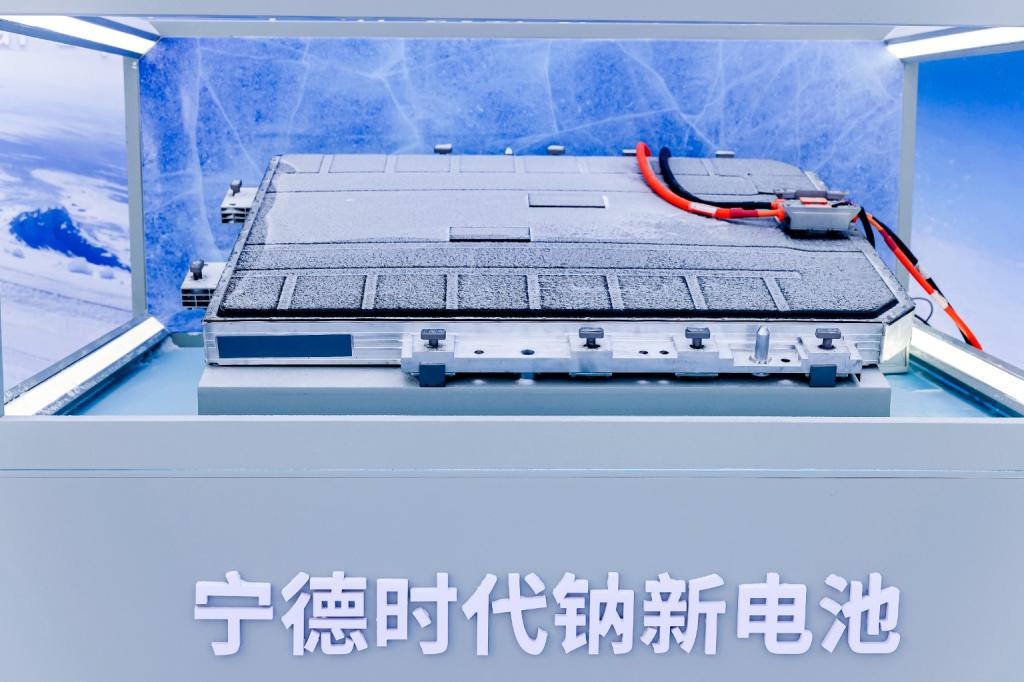
Not every electric car needs a four-figure range or charging measured in megawatts. For affordable urban cars, manufacturers are exploring sodium-ion batteries as an alternative to lithium-ion chemistry.
Sodium is abundant and widely available, potentially reducing dependence on lithium and other costly battery materials. Sodium-ion cells can also perform particularly well in cold temperatures, and have strong safety and longevity characteristics.
Their main disadvantage has traditionally been lower energy density, particularly compared with high-nickel lithium-ion cells. Depending on the particular chemistries being compared, a sodium-ion pack may therefore need to be larger or heavier to store the same amount of energy.
That doesn’t make it a dead end, mind. It could still be an excellent fit for less expensive city cars, delivery vehicles, and models sold in colder climates. CATL says its Naxtra sodium-ion cells reach up to 175Wh/kg – broadly comparable with some LFP cells – and can give an EV more than 400km of range. The technology entered a mass-produced Changan passenger car in China in early 2026, with CATL targeting broader full-scale production by the end of the year.
Rather than replacing lithium across the industry, sodium-ion batteries could, then, give manufacturers another option to dip into. High-performance models might use energy-dense lithium cells, family EVs could continue with durable LFP packs, and cheaper short-range cars could use sodium-ion technology.
Battery swapping for shorter stops
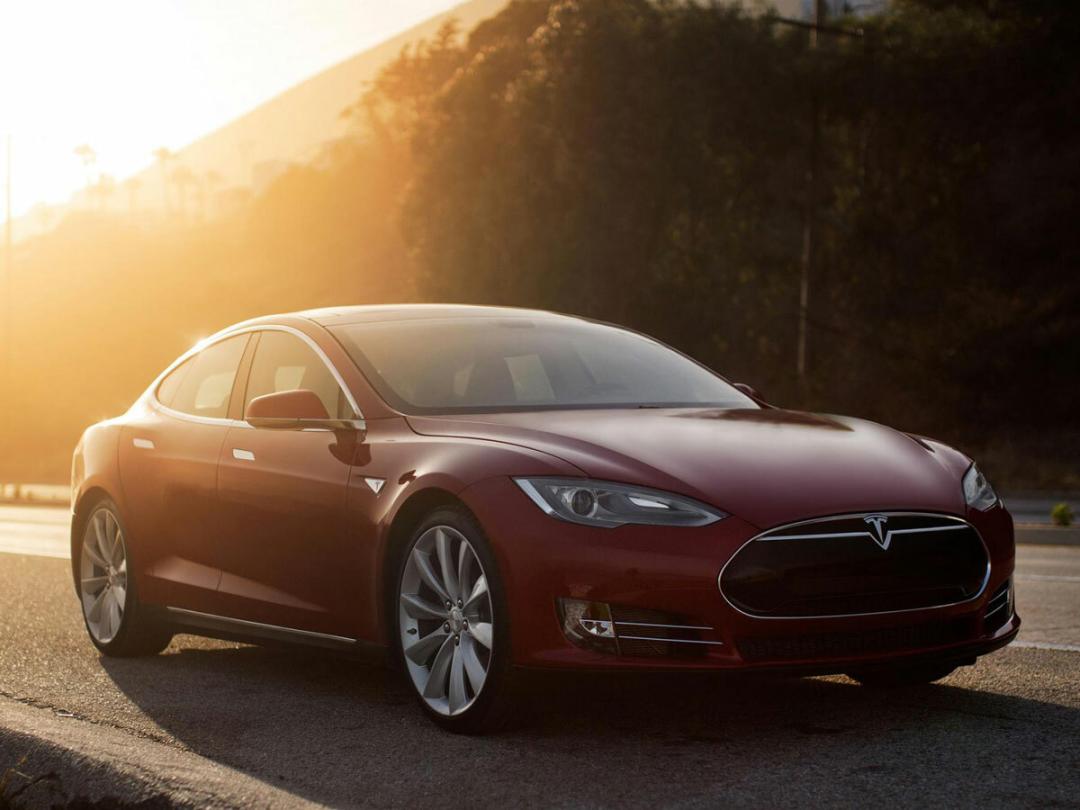
Why wait for a battery to charge if you can just swap it out with a full one? That’s the idea behind battery swapping, where an automated station removes a depleted pack and installs a charged replacement in a matter of minutes.
It isn’t a new concept. Better Place and Renault launched the first major modern commercial network in Israel and Denmark more than a decade ago, while Tesla demonstrated a 90-second Model S battery swap in 2013. Neither attempt lasted, though. Better Place collapsed that year, and Tesla abandoned its single California pilot after attracting little interest.
The idea has since found considerably more success in China. Nio has completed more than 100 million swaps and operates thousands of stations worldwide, including a much smaller European network. CATL is also expanding its Choco-Swap system and plans to build thousands of combined charging and swapping stations in China.
Swapping could be particularly useful for taxis, delivery fleets, and other vehicles that can’t afford lengthy periods off the road. Drivers also wouldn’t need to worry as much about owning an ageing battery, provided the service and vehicle were sold with the appropriate subscription model.
The difficulty is standardisation. Battery packs are closely integrated into each car’s platform and come in different shapes, capacities, and electrical configurations. Manufacturers would need to agree on common designs or operate their own expensive networks, while integrating batteries into a car’s structure can make them considerably harder to remove – all much easier said than done.
That all makes universal swapping unlikely in the immediate future, but for selected fleets and compatible car brands, however, it could still complement conventional charging rather than replace it.
Smaller batteries could be the biggest breakthrough of all
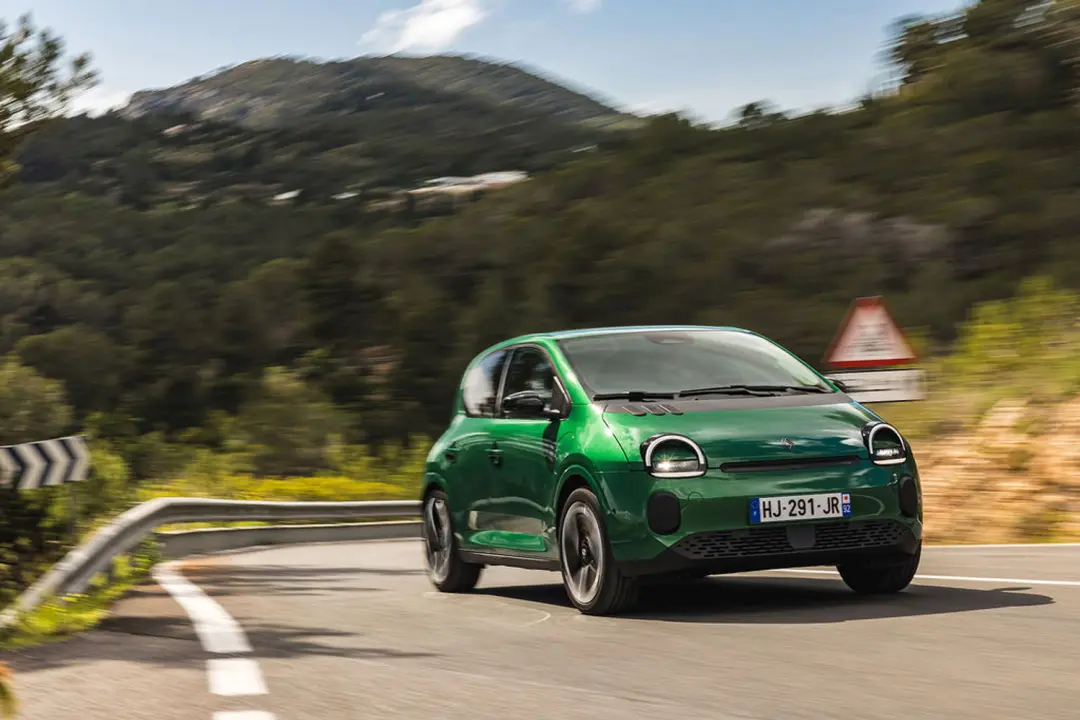
The most obvious response to range anxiety has been to install larger batteries, but that creates a vicious circle. More cells increase the car’s weight, which makes it consume more energy and demand heavier suspension, brakes, and supporting structures.
Better aerodynamics, lighter materials, more efficient power electronics, and compact motors could allow future EVs to travel further without continually enlarging their batteries. Cell-to-pack and cell-to-body construction can also remove some of the modules and casing previously surrounding the cells, using the available space more efficiently.
The result doesn’t have to be a 1000-mile electric car, either. A lightweight EV that reliably travels 300 miles, rapidly charges in 10 minutes, and costs less to manufacture would arguably transform more journeys than an extremely expensive model built around the largest battery possible.
Solid-state batteries remain the headline act, then, but there probably won’t be one single invention that suddenly fixes electric travel. The real revolution will come from faster-charging cells, better infrastructure, improved thermal management, and more efficient cars arriving together. And if they drive us to our destination while we nap? Even better.


Read the full article here
