


The PlayStation 5 is skipping towards its sixth birthday, although it might not feel that way if you spent its early years staring at the relentless “out of stock” messages on your phone. Pandemic-related shortages made the console difficult to buy until well into 2022, meaning many owners joined the generation considerably later.
The PS5 didn’t immediately leave its predecessor behind, either. Cross-generation releases kept the PS4 relevant for longer than usual, delaying the point at which PS5 truly felt like Sony’s primary console. But with the PS5 Pro now on sale and the original hardware well into its life cycle, we’re all more than ready for what comes next.
There’s still no official PS6 announcement, release date, or design, mind. Credible reports about its processor, combined with Sony’s ongoing work with AMD, still offer some useful clues about the next PlayStation, though. So with that said, let’s dive into everything we (likely) know about the PlayStation 6 so far…
Sony PS6: release date and price
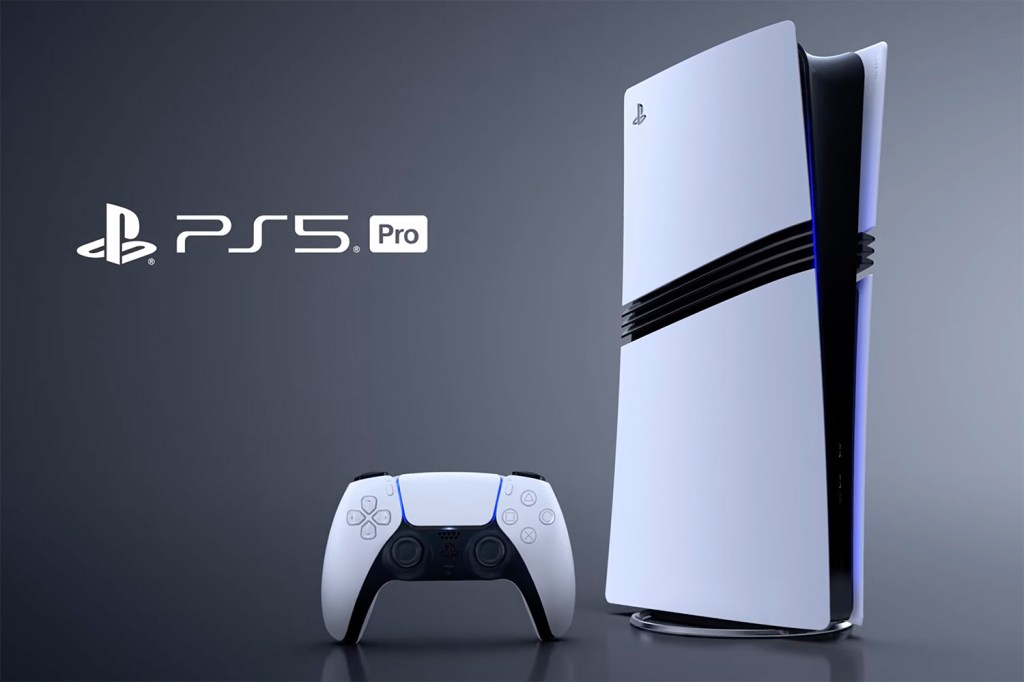
Sony hasn’t announced a PlayStation 6 release date, though current estimates range from late 2027 to 2029. Previously, Sony followed a remarkably tidy seven-year pattern. The PS3 launched in 2006, the PS4 followed in 2013, and the PS5 arrived in 2020. Continue that rhythm, and the PS6 would launch towards the end of 2027.
However, in February 2026, Bloomberg reported that Sony was considering pushing its next console back to 2028 or even 2029, as soaring demand from AI data centres placed pressure on memory supplies and prices.
Sony hasn’t confirmed those dates. At a Game and Network Services presentation in June 2026, PlayStation boss Hideaki Nishino said the company was investing in “the next generation of the platform and related content”, but didn’t reveal when it would arrive.
There’s little reason to rush from the company’s point of view, I suppose. Sony reported an installed base of more than 93 million PS5 consoles as of March 2026, while PS5 Pro launched less than two years ago. Late 2027 remains possible, but 2028 increasingly looks like the safer prediction.
There’s no reliable PS6 price either. The original PS5 launched at $499.99 / £449.99 with a disc drive, while the Digital Edition cost $399.99 / £359.99. The PS5 Pro then launched at $699.99 / £699.99 without a drive or vertical stand.
Those prices have since risen considerably. Since 2 April 2026, Sony’s recommended prices have been $649.99 / £569.99 for the PS5, $599.99 / £519.99 for the Digital Edition, and $899.99 / £789.99 for the PS5 Pro.
That makes a cheap PS6 look unlikely, but we could see a miracle involving memory costs, tariffs, exchange rates and Sony’s willingness to subsidise the hardware. I doubt it, though.
Sony PS6: design and models
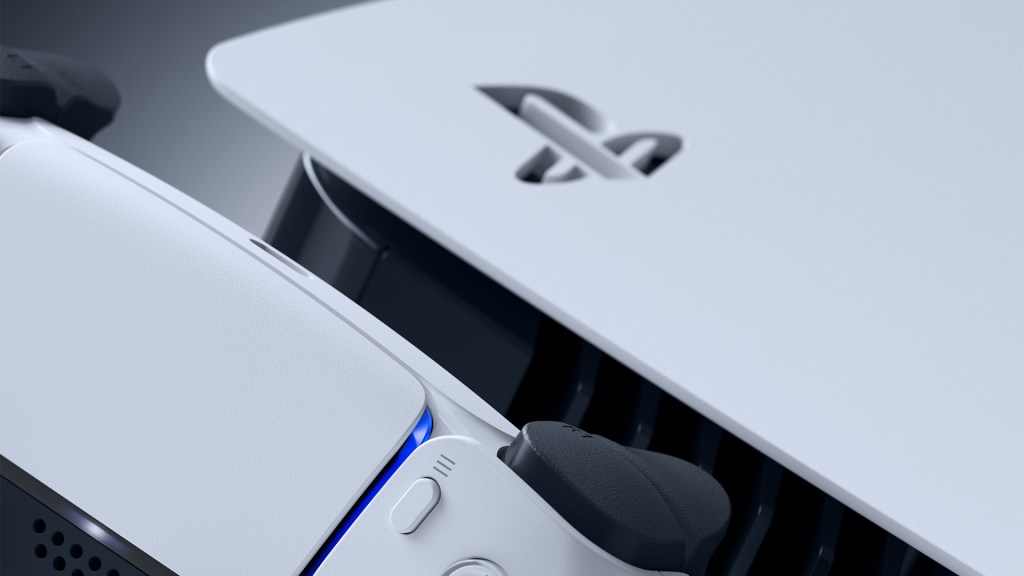
We haven’t even got a blurry leaked snap of a PS6 console to go by at the time of writing. Sony hasn’t shown a single thing off either, so all the images circulating online are unofficial concepts.
Still, the current PS5 range could offer some hints. Sony’s newer modular design allows an Ultra HD Blu-ray drive to be attached to compatible digital PS5 consoles, while the PS5 Pro is sold without one.
Using the same approach for the PlayStation 6 could let Sony offer one core console – either alone, or bundled with a drive. In theory, this could provide a cheaper digital option without abandoning people with physical PS4 and PS5 libraries. As for the extortionate price of digital games likely outweighing any upfront costs? That’s an entirely different rant worthy of its own feature. Another time, perhaps.
Sony PS6: specs, power, and performance
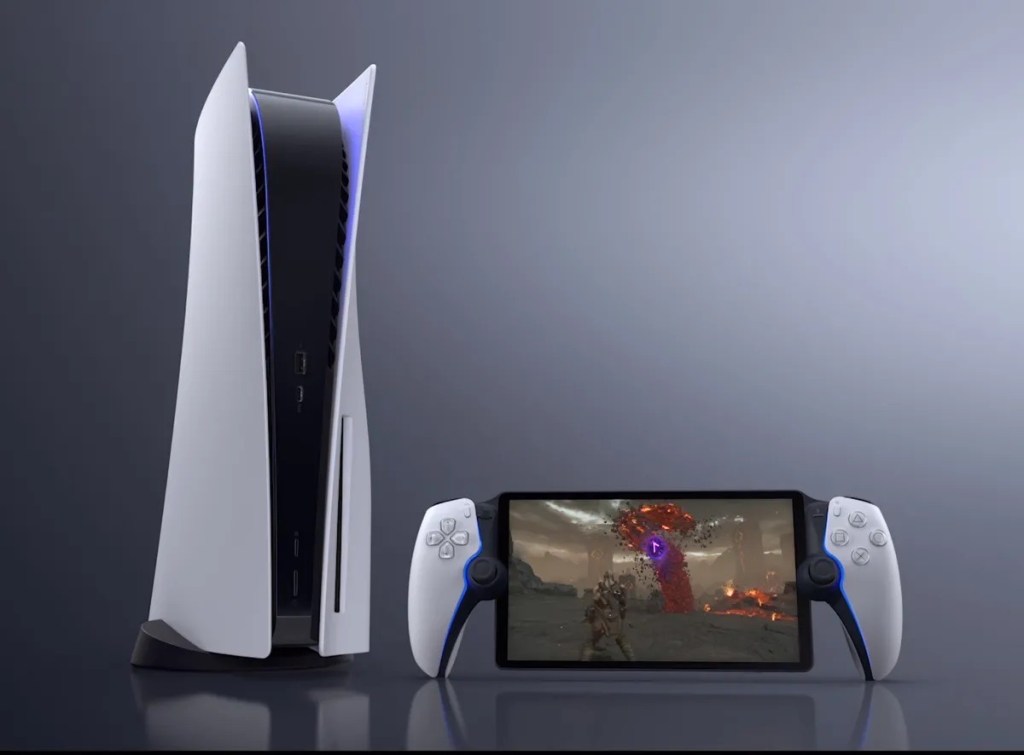
Sony hasn’t announced any PlayStation 6 specs, which means that anything you read about its processor, memory, and performance should be slathered in salt.
Reuters, for example, reported that AMD beat Intel in a 2022 bidding process to design the chip for Sony’s next PlayStation. AMD already provides the custom chips used in the PS4, PS5 and PS5 Pro, so it’s certainly not the craziest rumour we’ve seen. Far from it, in fact.
Sticking with AMD should help developers carry their existing tools into the next generation and make backwards compatibility easier. In fact, Reuters reported that the potential compatibility problems caused by switching to Intel formed part of the companies’ discussions.
Sony and AMD are also collaborating on future graphics and machine-learning technology through Project Amethyst. It isn’t officially described as a PS6 project, but PlayStation architect Mark Cerny has said he looks forward to bringing the resulting technology to a future console “in a few years’ time”.
The companies have outlined three developments: Neural Arrays would allow separate machine-learning units to cooperate on larger tasks. Radiance Cores are dedicated hardware designed to accelerate ray tracing and path tracing, while Universal Compression aims to reduce the memory bandwidth consumed by different types of data. All three technologies existed only in simulation when Sony and AMD discussed them, so their final form and performance remain unknown.
The PS5 Pro already uses PlayStation Spectral Super Resolution, or PSSR, to reconstruct higher-resolution images through machine learning, so a more advanced version could help PS6 produce richer graphics without requiring prohibitively expensive hardware.
Consistent 4K gaming at 60fps would be more useful than another push towards 8K, too. Better lighting, physics, and frame rates would all be more noticeable than chasing a resolution most televisions can’t display.
Storage capacity also needs attention. The original PS5’s 825GB SSD provided around 667GB of usable space at launch, while individual games can occupy well over 100GB. The PS6 should (hopefully) offer substantially more storage while retaining the PS5’s straightforward M.2 expansion system. Given the current AI hardware demands, supply issues, and cost increases though, everything remains up in the air.
Will the PS6 be backwards compatible with PS5 and PS4 games?
Sony hasn’t confirmed backwards compatibility, but PS5 support looks highly likely. Reuters reported that compatibility formed part of Sony’s talks with prospective chip suppliers, while remaining with AMD should reduce the technical disruption involved. Sony also increasingly treats PlayStation as a multi-generational ecosystem built around existing libraries, saves, and subscriptions.
At minimum, then, the PS6 should (hopefully) play PS5 games and carry digital purchases forward. Ideally, it would retain the PS5’s extensive support for PS4 software and improve older games through steadier frame rates or higher resolutions.
As for physical compatibility? That will depend on Sony offering a disc drive, which is another reason why a modular option would be preferable to a completely digital console.
What will the PS6 controller be like?
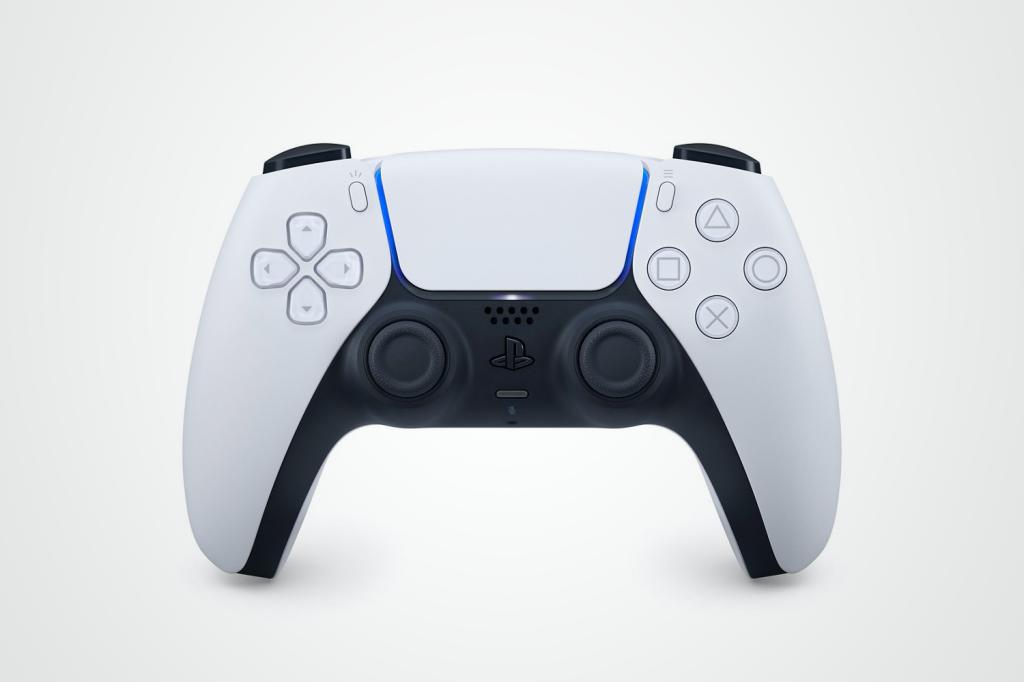
Again, Sony hasn’t revealed a thing about the PS6 controller, but DualSense will probably provide its foundation.
Haptic feedback and adaptive triggers remain among the PS5’s most distinctive features, so abandoning them would make little sense. The next controller needs refinement more than reinvention, if anything. Things like a longer battery life, more durable analogue sticks, and a lower risk of stick drift would all be welcome additions.
Existing DualSense controllers should ideally work with native PS6 games too, rather than being restricted to backwards-compatible software. Built-in PlayStation Link would also let compatible headsets and earbuds connect without occupying a USB port with an adaptor. But we’ll just have to wait and see.
Is Sony making a new PlayStation handheld console?
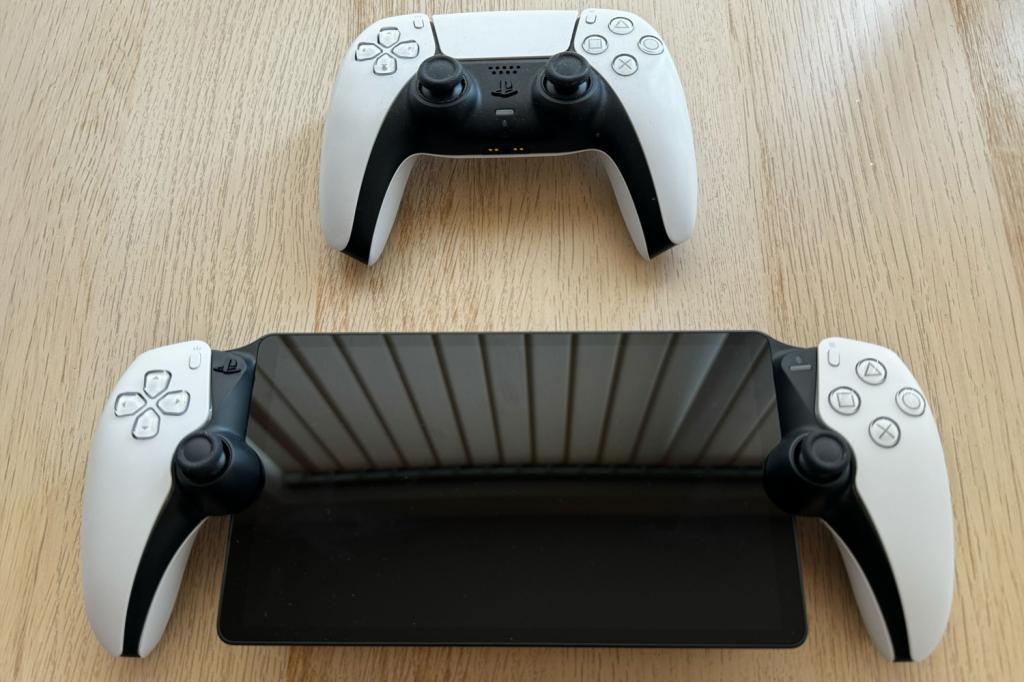
Bloomberg has previously reported that Sony was in the early stages of developing a portable console designed to play PS5 games natively. If true, it would make it fundamentally different from PlayStation Portal, which streams games rather than running them on its own hardware. Sony has since added full cloud streaming to Portal, allowing PlayStation Plus Premium members to stream thousands of supported PS5 games without connecting to their own console.
A native handheld could run PlayStation games at lower resolutions, giving Sony an answer to the Nintendo Switch 2 and Steam Deck. The original report cautioned that the device was years away and could still be cancelled, so claims about its specs, price, or launch alongside the PS6 remain unconfirmed.
But I digress. After nearly six years, the PS6 is still hidden, but not entirely mysterious. AMD hardware, Project Amethyst, and Sony’s investor comments show that work on the next generation is at least underway. Watch this space for more updates, as and when we get them.


Read the full article here
