

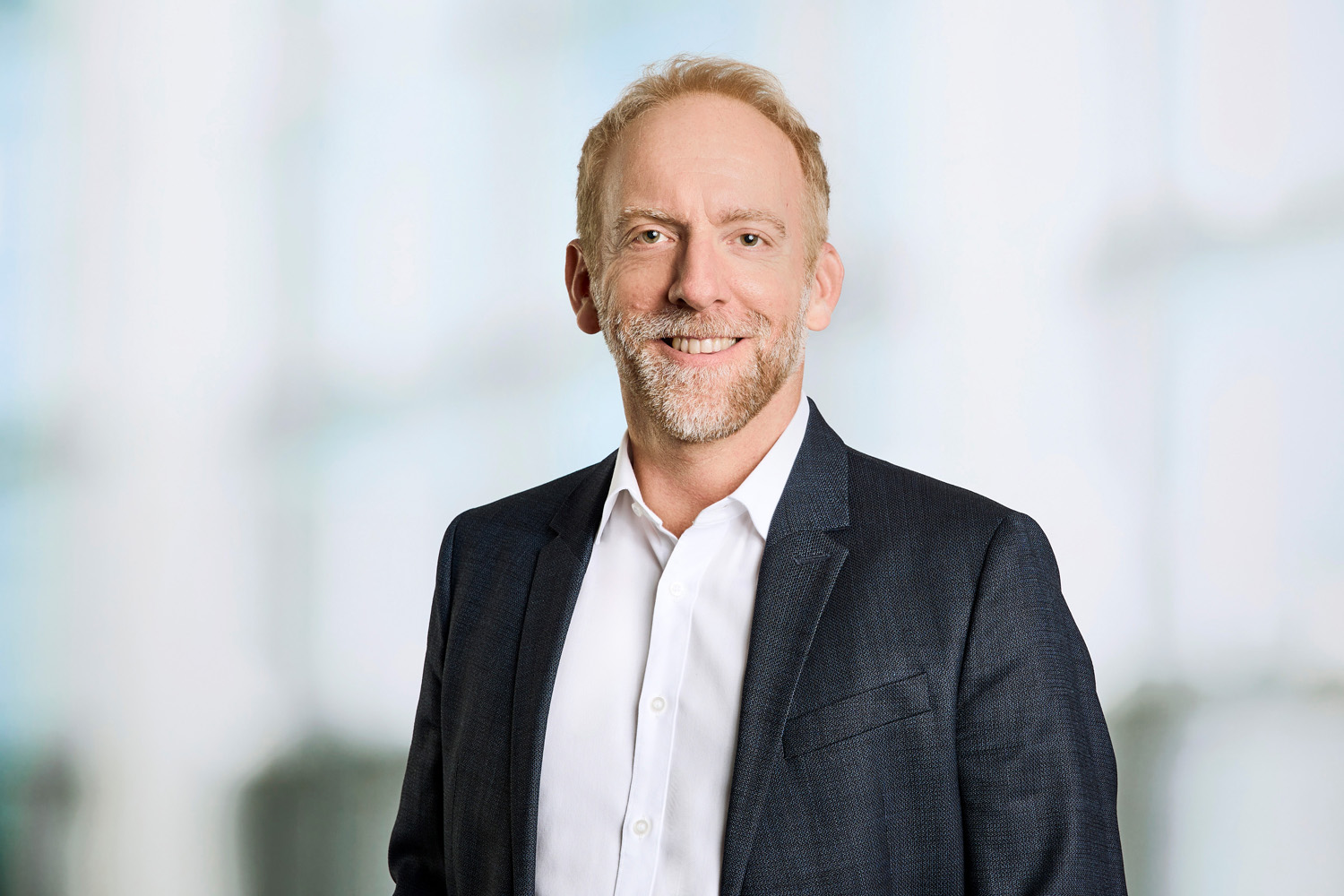
Tim Endres has been involved with Gamescom – the annual PC, mobile and console gaming event for business and public visitors – since it was inaugurated in 2009 at the Koelnmesse in Cologne, Germany, becoming the event’s director in 2017. As hundreds of thousands of gamers are expected to attend the latest edition this week, we chat to Tim about how Gamescom has grown in nearly two decades as the largest and most important physical event for gaming in the world, starting with his own beginnings in gaming…
The first game I played was on a calculator.
I was born in 1973, so I grew up with games like so many people of my generation. My first game was actually on a Casio watch in the 80s, which had a very simple game on it. There were spaceships that looked like little arrows, and you could shoot them down with little dots that were supposed to be missiles, and I played it everywhere. Then a few years later, I got Game & Watch with Donkey Kong, and I still have it! There were a few years when I didn’t play very much. But I would say that working on Gamescom really brought me back into gaming in a much bigger way.
Gaming keeps changing.
I follow the industry very closely, of course, not only because it’s my job, but because I’m fascinated how quickly gaming keeps changing. Gaming is absolutely mainstream today. When Gamescom started, it was very much the online gaming and free-to-play business models coming from Asia to Europe. Then MMORPGS, battle royales, esports, and so on. According to our partner the Game Industry Association (co-organisers and brand owners of Gamescom), 6 out of 10 Germans play games, and the German games market reached around €9.4 billion revenue in 2025.
Gamescom is for more than just gamers.
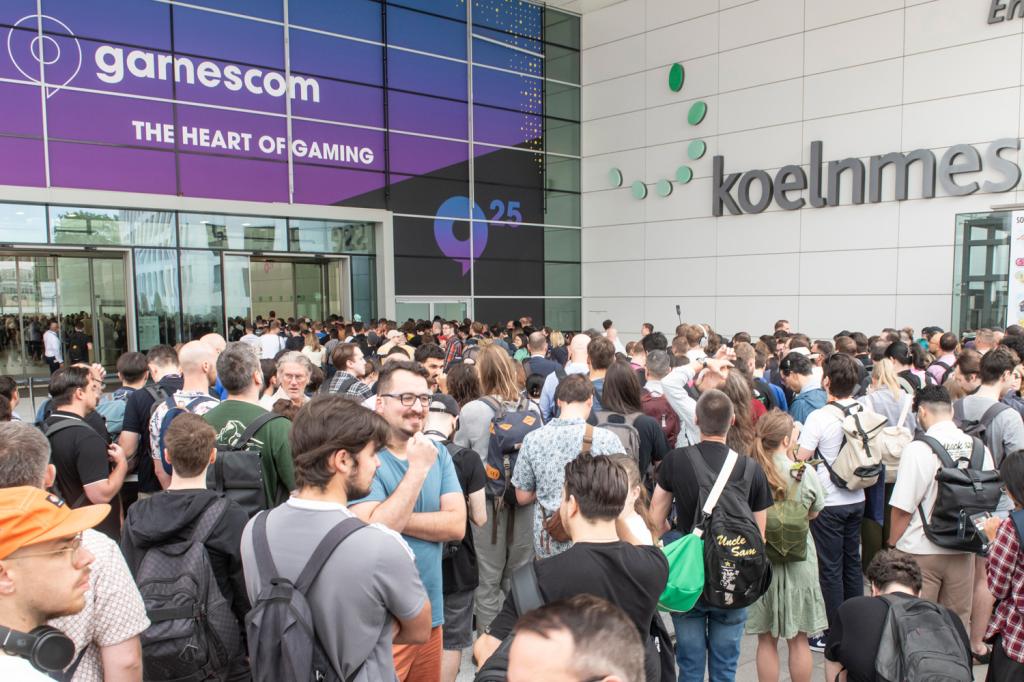
Gamescom was always special and kind of its own. It was always the platform for the entire gaming ecosystem. Our aim was always to bring games to the entire city, and we have done this since 2009 with the Gamescom City Festival where people celebrate games in the evening when the opening hours of Gamescom are over.
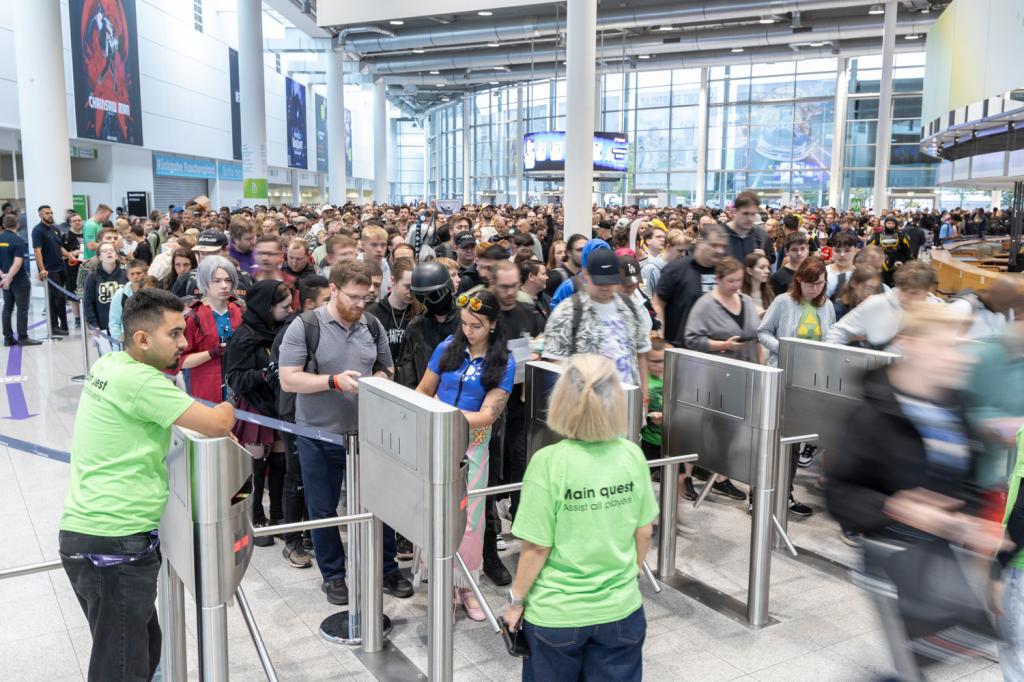
The audience of Gamescom has changed a lot because gaming today is more diverse than ever before. I have the privilege of watching Gamescom grow from the first event into what it is today. We are always aiming to build platforms for different communities, different target groups, the whole game ecosystem, and we serve them with different specific platforms, so that everybody will find what they’re looking for in the gaming world.
There have been some crazy moments along the way. In 2016, we even brought the experience to Cologne Cathedral called SilentMOD, with electronic music, a special scent, laser show, and so on. And in 2017, Chancellor Angela Merkel opened Gamescom, which was an important moment because it also showed how relevant gaming had become politically and socially.
Gamescom Opening Night Live reaches a global digital audience.
In 2019, we launched Gamescom Opening Night Live together with Geoff Keighley. Looking back, that was a very important step because it helped us develop Gamescom into a global digital event as well. Then when COVID happened, we were able to take part digitally each year. We never skipped contact to the industry, and we invested heavily in digital performance, and today that physical and digital combination is part of the DNA of Gamescom.
Opening Night Live is very special because we combine the physical and the very emotional moments together with the digital reach. When it comes to the assets, we keep that in the hands of Geoff. He knows very well about what’s coming next and what are the big announcements. For this year, we already know that we will see updates from titles like Metro 2039, and The Witcher 3: Wild Hunt: Songs of the Past. And I’m very happy that Naoki Hamaguchi will join us on stage to show more Final Fantasy VII Revelation.
Gamescom isn’t replacing E3.
When people ask me about Gamescom in a post-E3 world, I always answer: Gamescom has always been its own thing. We have always been the platform for the entire gaming ecosystem with a strong focus on the community from the very beginning, and we have really huge respect for what it really means with the industry and to the gaming culture. But I do not think that our job is to replace E3. Our job is to make the best possible Gamescom, and we listen a lot to the industry, we listen a lot to the community, and we keep developing it from there.
Even with new regional events, Cologne will always be Gamescom’s home.
Gaming is global, so it makes sense that Gamescom has become more global as well with Gamescom Asia x Thailand and Gamescom LATAM. These are not simple copies of Cologne. Of course, what works very well in Cologne, we can also bring to the regional events, but they also need to work for their local communities and local markets. But Gamescom Cologne remains the core of the overall experience, home to major world premieres, global business networking, and the largest gathering of the international gaming industry. For me, Gamescom is global, but Cologne is home.
The future of gaming is exciting, even if the industry isn’t perfect.
There have been far too many layoffs and studio closures, and there are people behind all those numbers, so we have to acknowledge that. But at the same time, I don’t think the creativity or the passion for games has disappeared. It’s quite the opposite and that’s what we see at Gamescom this year again. Our exhibition spaces are fully booked, and we see an incredibly diverse industry. We have huge AAA productions, exciting indie games, mobile games, esports and creators. And as gaming becomes even more global, the participation of Asia, especially China, Korea and Japan, has become increasingly important.
I wouldn’t pretend everything in the industry is perfect. But I do believe in the future of the industry and that’s also why our key theme for this year is ‘Games spark excitement for the future’. We should openly discuss the problems that are facing our industry, and we do that at Gamescom and Gamescom Dev. But the future takes the centre stage at Gamescom, and the excitement of what’s coming next.


Read the full article here
