

Unlike, say, a cheap fitness tracker, solar panels have never been an impulse purchase. Well, for me, at least. Costs aside, there’s traditionally been the need for roof surveys, scaffolding, professional installers, and a fairly intimidating bill to deal with first. No, thank you.
But wait! That all changed on 27 August 2026, when the UK – technically Great Britain, as Northern Ireland’s separate regulations haven’t yet been updated – legalised compliant solar kits that end in an ordinary three-pin plug. Yes, it all sounds almost suspiciously simple – and in the right home, it nearly is. But there are some important caveats worth bearing in mind…
How plug-in solar works
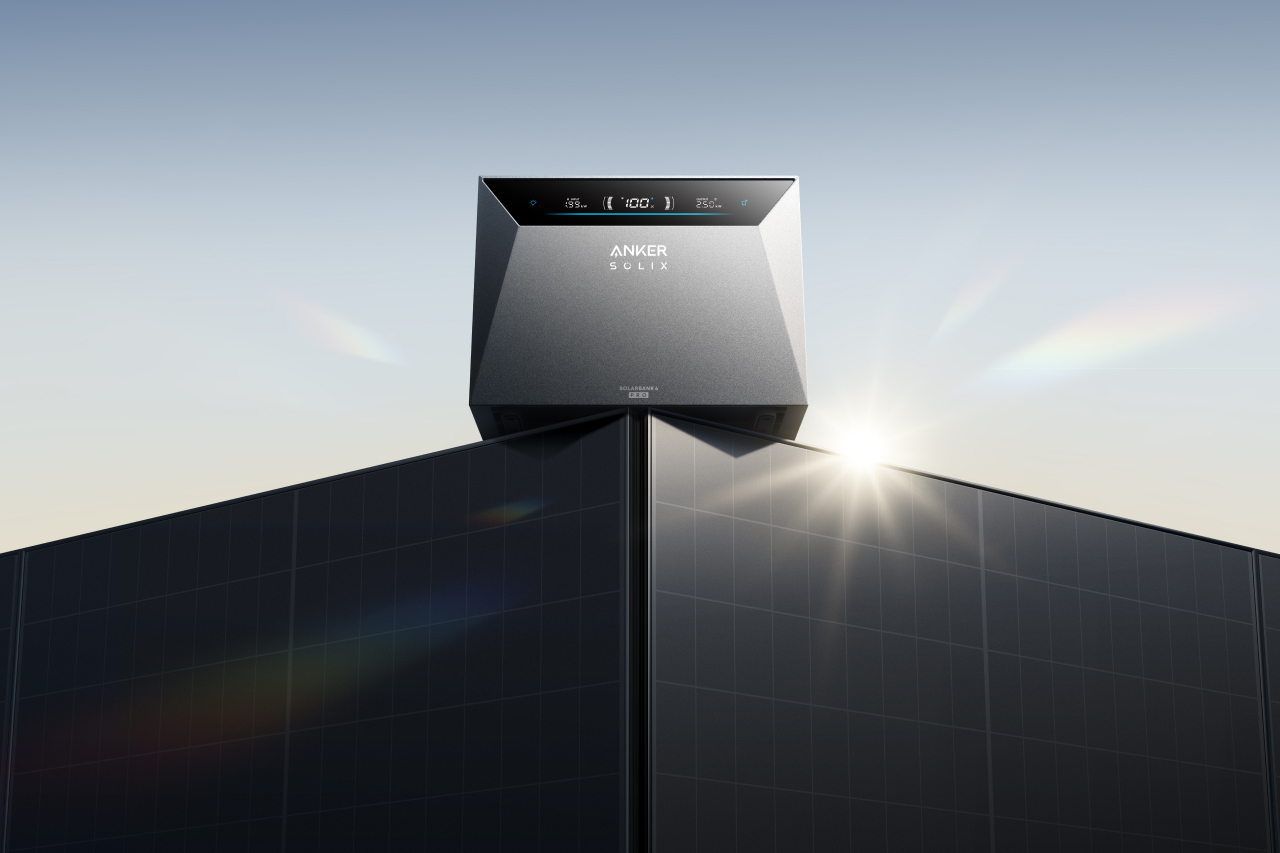
A plug-in solar kit (like Anker’s example in the lead image above) contains one or more photovoltaic panels, a microinverter, mounting hardware, and a cable ending in a standard UK plug. So far, so good.
The panels produce direct current electricity, which the microinverter converts into the alternating current used around your home. That electricity then enters your household circuit through the socket. Anything running at the time uses the solar-generated power, with the grid automatically supplying whatever else is needed.
Think of it as reducing your home’s live electricity demand, rather than independently powering specific appliances. At its sunny peak, an 800W system could, in theory, cover a fridge, router, television, laptop, and several smaller devices. Switch on a 3kW kettle and the solar still contributes, but the grid supplies the rest.
Compliant UK systems are capped at 800W of AC output. That’s far below a conventional rooftop array – but the government estimates that it could provide up to 20 per cent of an average home’s electricity use.
It’s worth noting that these are also grid-tied systems, rather than backup generators – they automatically stop producing usable power during a power cut, preventing electricity from reaching the network while engineers could be working on it.
Plug-in solar rules and safety
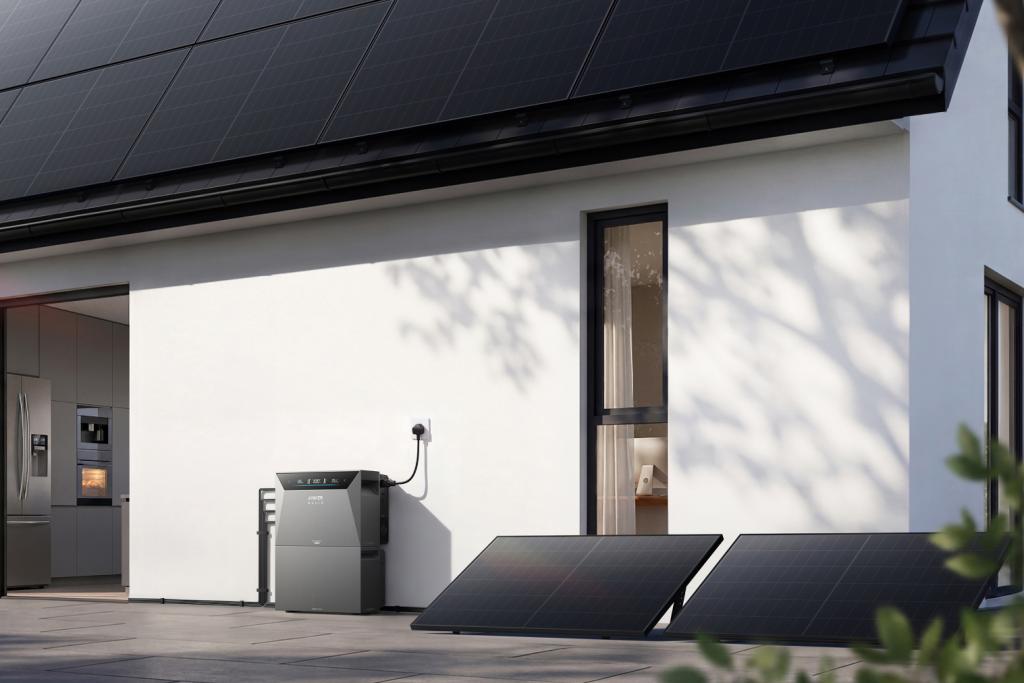
Interested? You’ll need to buy a complete system that meets the new UK requirements and check that the exact model is marked “Compliant” on the Energy Networks Association’s live register. An imported kit with a familiar-looking three-pin plug isn’t automatically compliant, regardless of how much you’d like it to be.
Only one plug-in solar device is currently permitted per household too, although that device can contain more than one panel. Multiple systems can’t be daisy-chained either, and integrated plug-in battery storage isn’t covered by the current rules.
The system must also be registered before use through the official UK Plug-in Solar Registration website. Renters, leaseholders, and flat owners could additionally need permission from a landlord, freeholder, or building manager. Planning permission or listed-building consent might apply in some cases.
The government also says that compliant products have passed independent testing and are compatible with UK wiring – but Electrical Safety First warns that not every home is currently suitable. It also recommends that the relevant circuit is protected by at least a Type A bidirectional RCD. Homes with Type AC RCD protection shouldn’t use plug-in solar without upgrading it. The charity also recommends an assessment by a registered electrician before buying, particularly if your wiring is old or its condition is unknown.
Panels must also connect directly to a suitable wall socket. Extension leads, cable reels, multiway adaptors, and travel adaptors shouldn’t be used, as they can overheat or become overloaded. Any new outdoor socket must offer at least IP65 protection and be installed by a qualified electrician. The panels themselves need a secure frame or mounting that can withstand strong winds.
The plug might be the final step, then, but it sure as heck doesn’t remove everything leading up to it. There’s still plenty of admin and things to tick off, unfortunately.
Plug-in solar savings and payback
As for the all-important financial argument – it depends heavily on when you actually use electricity. According to the Energy Saving Trust, compliant systems currently start at around £450. Its calculations use an 800W system in Manchester, facing south at a 30-degree angle with no shade. Under those conditions, the panels could generate around 700kWh each year.
A household occupied throughout the day could save approximately £100 annually, while one left empty during working hours might save closer to £70. The government offers a slightly rosier maximum estimate of £110 per year.
For a £450 system, then, that suggests a simple payback period of roughly four-and-a-half to six-and-a-half years before any electrical work or additional mounting costs. It’s an illustration rather than a guarantee – a more expensive kit, poor positioning, shade, or low daytime electricity use will extend it.
There’s no integrated battery to hold unused energy for the evening. Excess electricity is exported to the grid, but most suppliers require an MCS certificate before paying customers through the Smart Export Guarantee. Some suppliers might accept alternatives, but buyers shouldn’t assume that exported power will earn anything.
Running appliances during sunny periods therefore improves the economics. The closer your daytime consumption matches the panels’ output, the more of that electricity you use instead of handing it to the grid for free.
Is plug-in solar right for you?
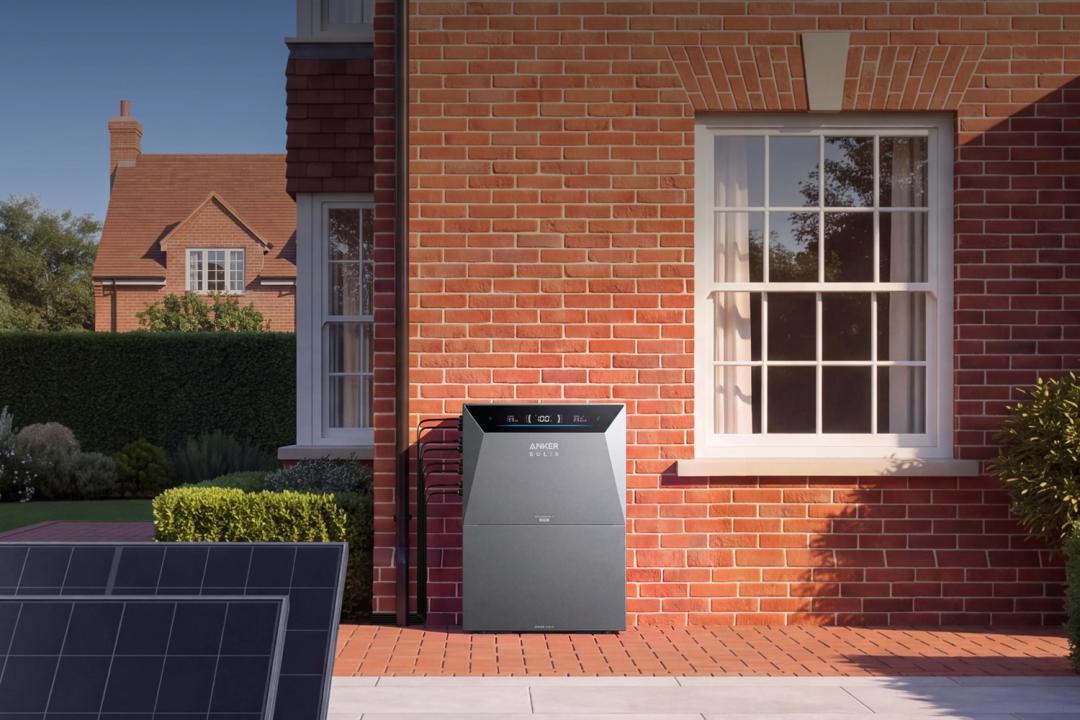
Plug-in solar makes the most sense for someone with a sunny garden, patio, wall, or suitable balcony, but without the budget or roof access needed for a conventional installation. Its lower upfront price and removable mounting also mean that it can move house with you, which is an added bonus.
Don’t let the “balcony solar” nickname disguise its size, though. Individual panels are commonly around 2m by 1m, and the Energy Saving Trust says that current UK products are generally better suited to gardens than balconies.
Crucially, it’s also less compelling for homeowners who can install a full rooftop system. Roof-mounted solar produces considerably more electricity, can incorporate battery storage, and is more likely to qualify for export payments.
The numbers also obviously weaken if your only available space is shaded, you’re rarely home during daylight hours, or you need to pay for electrical upgrades and a new outdoor socket.
From what we’ve seen so far in these early days, plug-in solar’s breakthrough is access, rather than raw output. For the right home, it could remove around £100 from the annual electricity bill. Just inspect the fuse box before getting carried away, make sure the upfront costs are manageable, and enjoy your potential new savings…


Read the full article here
