

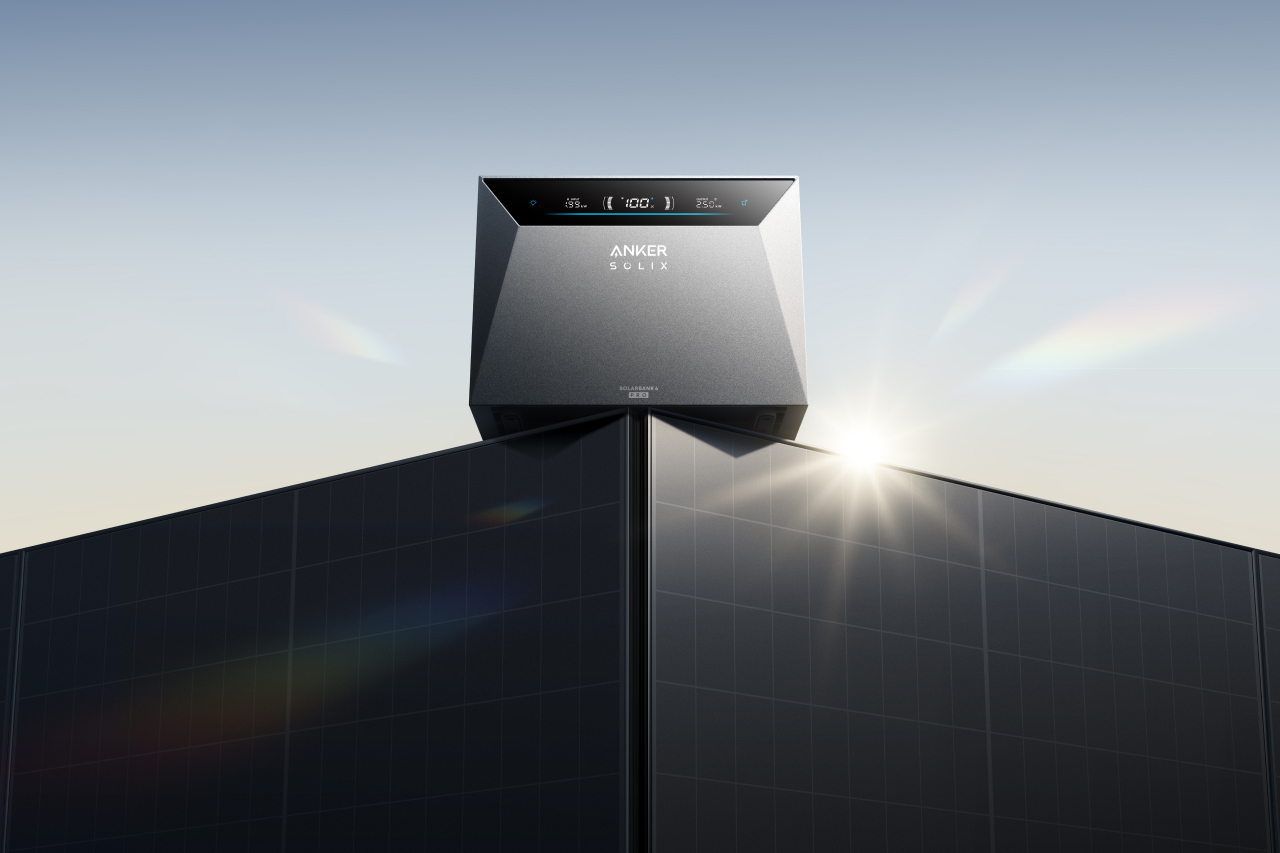
A couple of solar panels, a sunny spot, and a plug socket. It’s certainly an appealing alternative to having people clamber over your roof – particularly if you rent or, simply want to shave a little off your electricity bill while you doomscroll on the latest iPhone. But can you actually use plug-in solar panels in the US? In some circumstances, yes!
States including Utah and Colorado have passed laws making qualifying plug-in systems easier to connect. That doesn’t mean every kit sold online is legal to use at your address, mind. The kit and its installation still need to meet the rules where you live.
That, incidentally, is where this article comes in…
What are plug-in solar panels?
Often called balcony solar setups, these small systems feed electricity into your home’s wiring through a suitable outlet. Panels generate direct current, which an inverter converts into the alternating current your appliances use. The idea is to cover some of your household demand while the sun shines, reducing how much electricity you buy.
This is different from using a folding panel to charge a standalone portable power station – that setup doesn’t feed electricity into your home’s wiring.
Where are plug-in solar panels legal in the US?
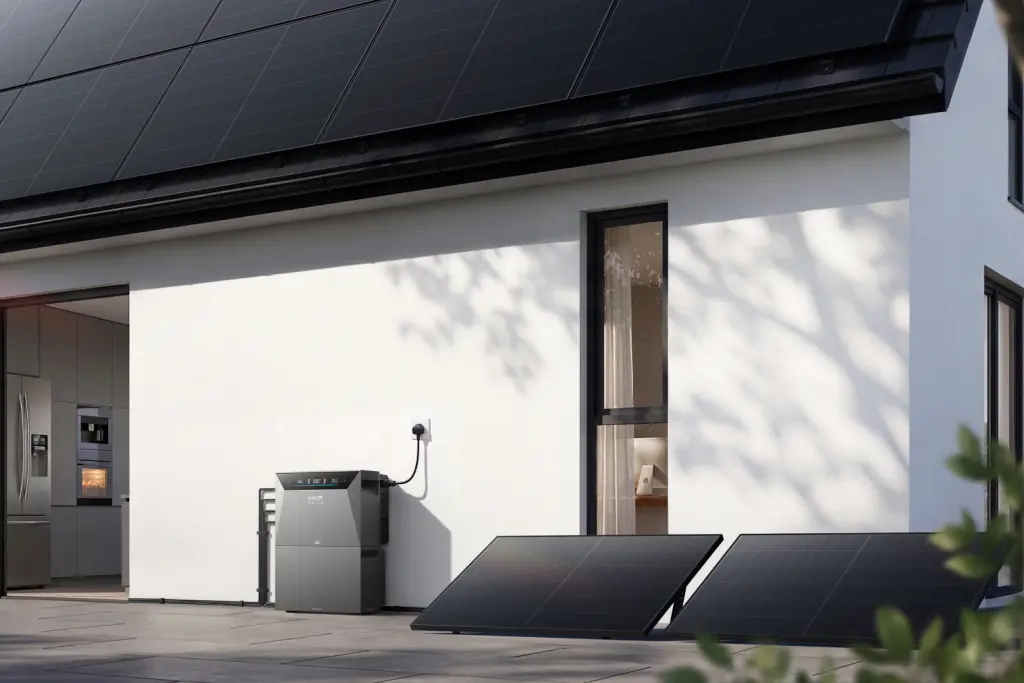
Utah is a good starting point. Its 2025 law covers portable systems with a maximum output of 1200W, designed for a standard 120V outlet. They must meet electrical-code and certification requirements, and qualifying devices don’t need a utility interconnection agreement.
Colorado has also passed legislation creating exemptions for qualifying portable solar systems – but its rules differ from Utah’s. This is why a seller saying “legal in the US” is rather less helpful than it sounds.
California’s position is different again. As of 20 September 2026, SB 868 had passed the legislature but was still awaiting the governor’s decision. A headline announcing that lawmakers have approved a bill doesn’t necessarily mean you can start using its proposed exemptions tomorrow.
These are examples, rather than a complete state list. Elsewhere, the absence of a special plug-in solar law doesn’t automatically mean a ban – existing solar connection and installation rules may apply instead. Yes, it’s all rather confusing.
Do you need your electricity supplier’s permission?
Sometimes. Your solar kit shares an electrical connection with the grid – which is where the utility’s interconnection rules come in. These govern how generating equipment can safely connect to its network.
Utah’s law removes prior utility approval for qualifying devices. Under Colorado’s legislation, a provider can still require notification of a qualifying system and its size, even though it cannot require prior approval. In other words, you may still have to tell the utility what you’re installing.
You shouldn’t assume you’ll be paid for spare electricity, either – check whether your utility offers export payments for your installation before counting them towards your savings.
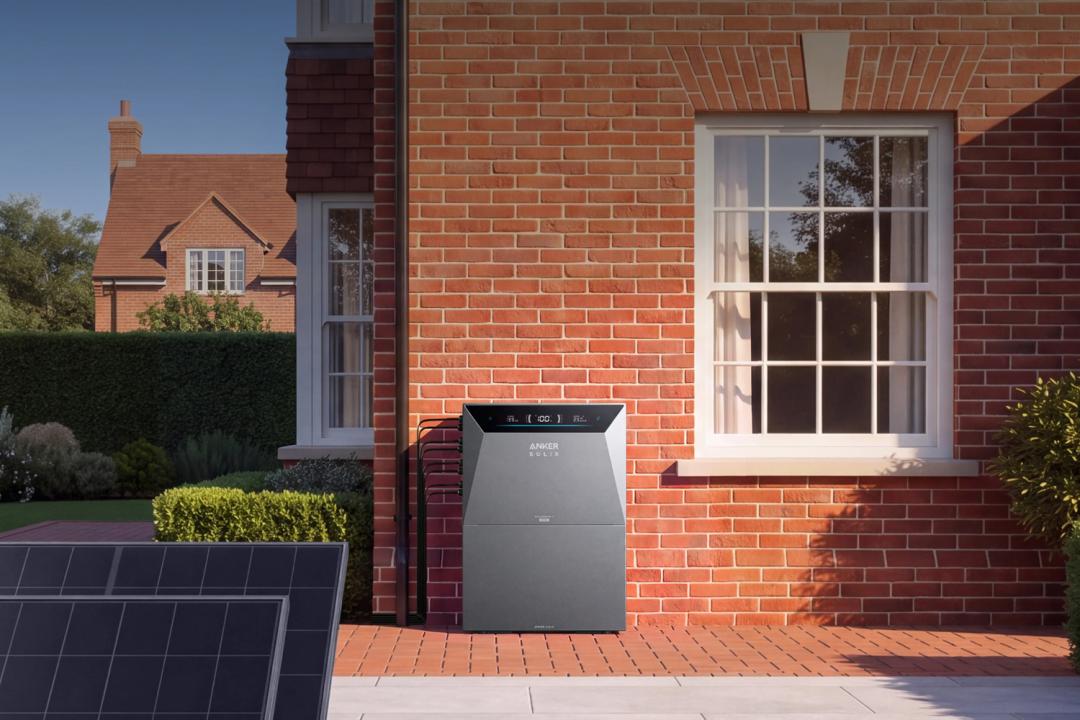
Don’t assume so just because the plug fits. The system, outlet, and circuit need to meet the applicable requirements. Feeding electricity into a circuit presents different safety questions from plugging in a lamp, including the risk of overloading wiring. UL’s safety guidance also identifies electric-shock hazards and the need for appropriate protective features.
In January 2026, UL Solutions launched a dedicated certification programme based on UL 3700 for plug-in solar equipment and systems. Check exactly what a product’s certification covers. A certified inverter isn’t proof that every panel, cable, and connection arrangement bundled with it forms an approved system.
Don’t assume the panels will keep your fridge running in a blackout, either. Utah’s law requires qualifying systems to stop energising the building’s wiring during an outage, while Colorado’s requires protection against energising the grid. Backup power needs equipment specifically designed for it.
What should you check before buying plug-in solar panels in the US?
Get the exact model details and certification documentation from the seller. Then confirm the installation requirements with your local electrical or building authority, and establish whether your utility needs an application or notification. Check landlord or homeowners’ association rules where relevant, too.
Then check how much sun the panels will actually get. Shade and panel direction affect output, while your daytime electricity use affects how much you can use yourself. Ask for a savings estimate based on your location and electricity tariff. And include any electrician or outlet costs – you’ll want the full price before clicking buy.


Read the full article here
