

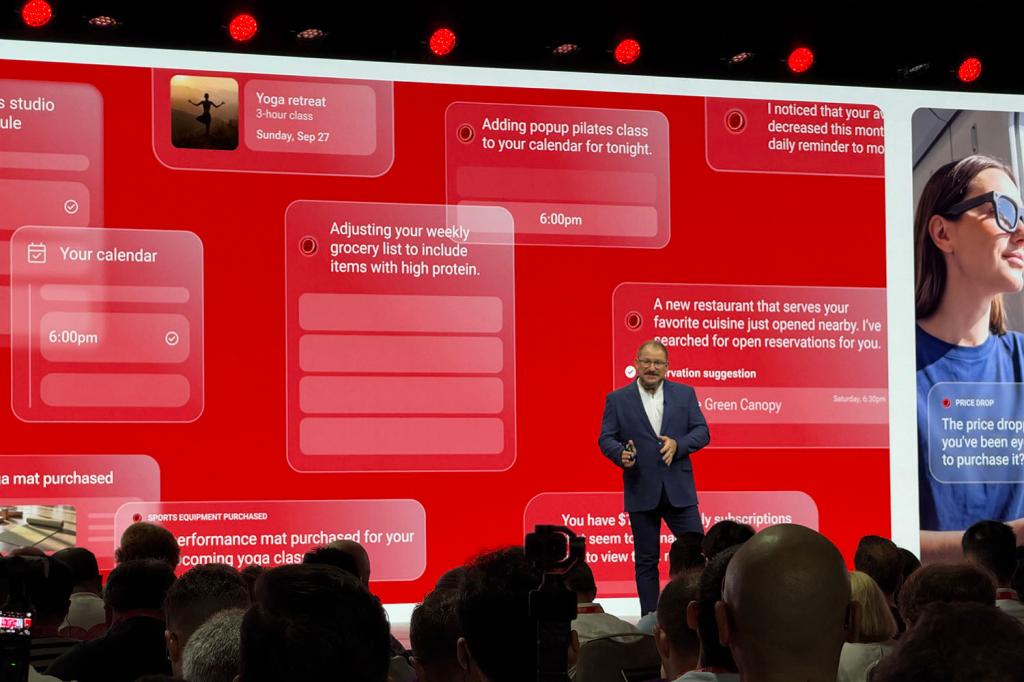
Last week, I sat through Qualcomm’s Snapdragon Summit keynotes, where, alongside the announcement of its new Snapdragon mobile processors, chief Cristiano Amon outlined an agentic future that could involve an AI agent buying you sun cream. “Do you need to buy them again?” the agent in the demo asked the subject as they approached a store they had previously visited to buy lip balm and sun cream. Yes, the subject replied. $21.48 later, they were, and I quote, “200 points closer to your next Gold Credit Card reward”.
Doesn’t sound too awful, I suppose. Arguably even useful, assuming you’re ok with an AI agent knowing that much about your spending habits. This isn’t therefore a rant about all AI being evil. Some of it is brilliant. Some of it might even save lives or aid those with additional needs. The issue is that much of the brilliance seems buried under pointless distractions that detract from its potential (pictures of cats in bow ties, I am looking at you).
The good stuff (and there is good stuff)
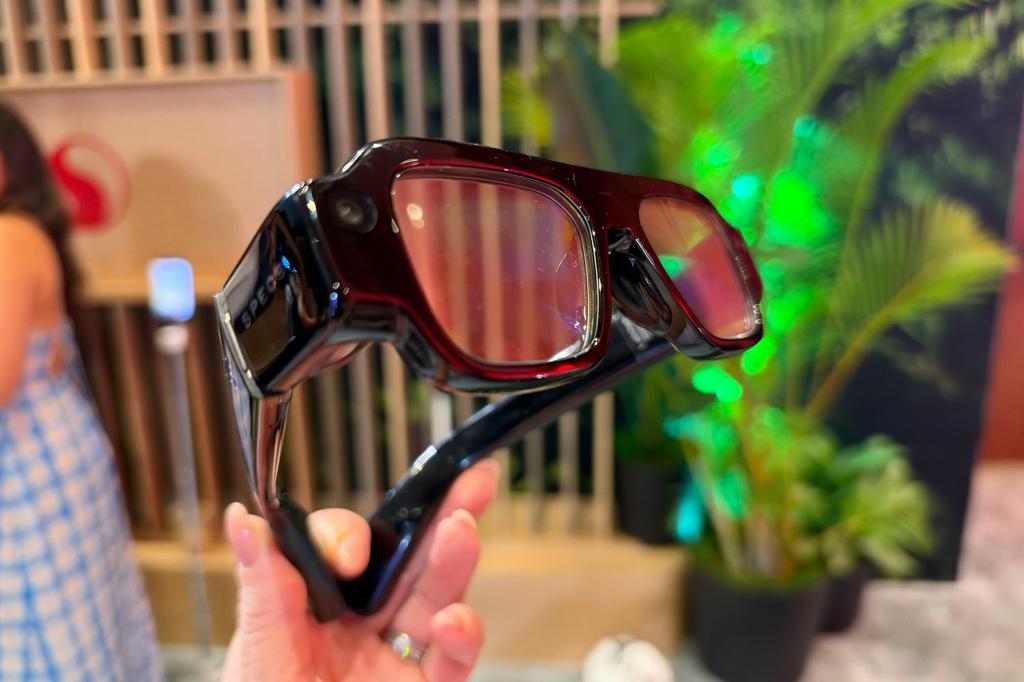
Let’s start with the bits of AI I’m more happy to defend. I’m absolutely here for accessibility features. For example, smart glasses that can describe a room, read a menu, or recognise a friend’s face can really help a visually impaired user. They’re the kind of future I can get behind, and far more useful than a chatbot that writes limericks about your dog or the ridiculous image generation that re-adds the bite of cake you just took.
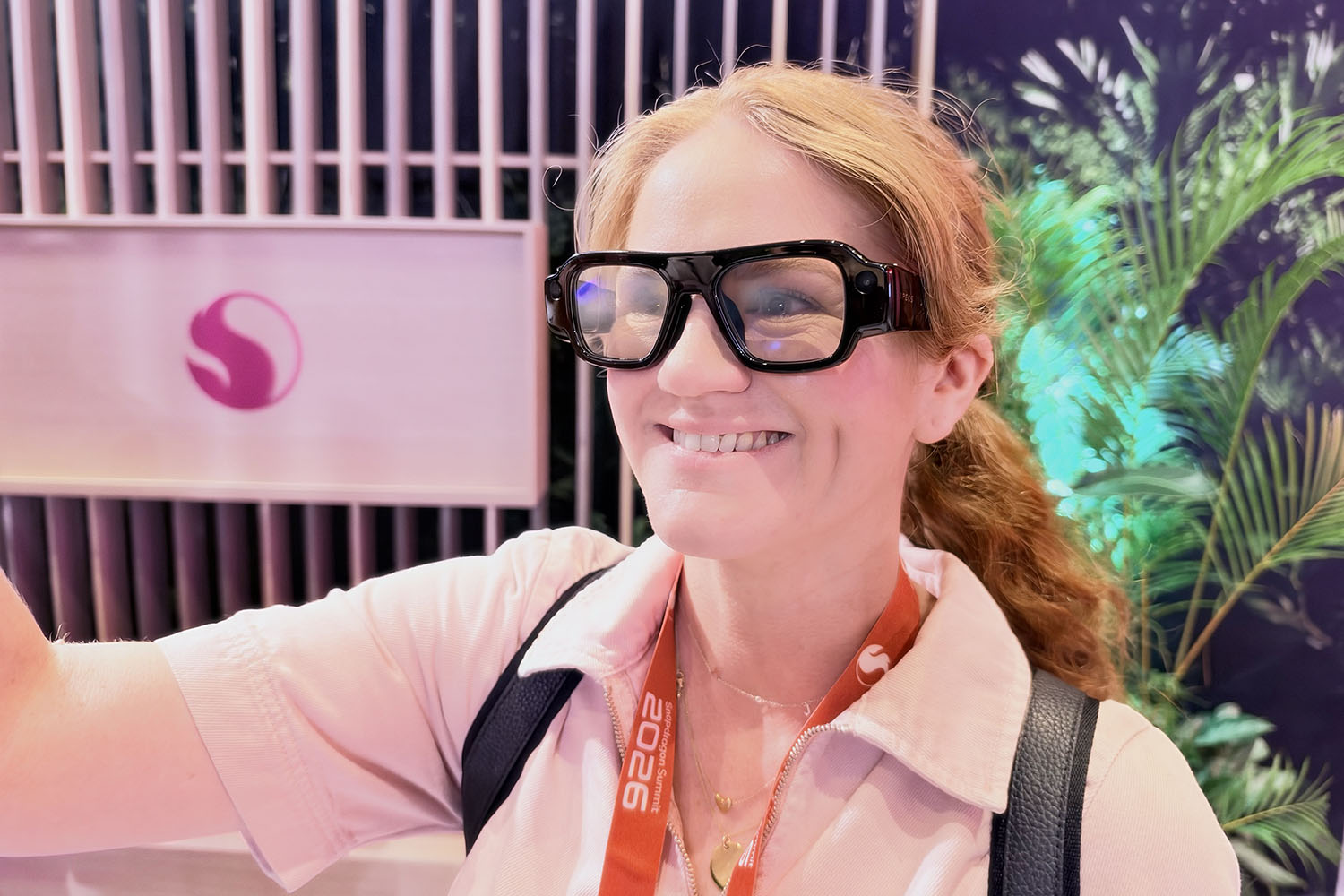
Take Snap’s new Specs as an example. These standalone glasses might look questionable (see the top of this feature for evidence of that), but they contain two Qualcomm Snapdragon chips: one for computer vision and the other for running the AR experiences Snap calls Lenses. Look at an object, ask about it, and the glasses bring up information about whatever you’re looking at. Point them at a menu in a language you don’t speak, or a bus timetable you can’t quite make out, and they could be so useful that they might even avoid the “pervert glasses” nickname. In some instances, AI processing happens on the glasses themselves, too, so they don’t become useless the minute you lose connection.
Then there’s medicine. At Snapdragon Summit, Google’s Rick Osterloh noted “how drug discovery is done has completely changed” in the past year. If AI can shave years off finding treatments for diseases, give it all the data centres it wants. Well, within reason.
I also love the idea of AI handling the mundane stuff. Sorting my inbox, rescheduling the dentist, finding that one email from 2019 with my boiler warranty, or telling me which restaurant I went to in Barcelona in 2025. Qualcomm’s pitch that using an agent must be easier than doing it yourself is spot on. If it can find those restaurants, book a table, send you the details, and book a taxi to take you there without you having to intervene, who am I to argue with that level of time-saving?
Qualcomm’s Ziad Asghar said, “Technology should not pull us away from the world. It should help us experience it more fully.” If AI handles life admin to free up time for loved ones, then it’s on its way to delivering that.
Better still, phones getting powerful enough to do more of these things on device is also something I can definitely get on board with (assuming it happens). Amon said future agentic devices “may process up to 1 million tokens per day on device while remaining available throughout the day”, and that “what we see today is only going to increase”. More local processing means less of my personal life being shipped off to a server farm, faster responses, and no meltdown the moment I walk into a Tube station, all of which gets a thumbs up.
The parts of AI that make me grumpy
But here’s my problem (or problems). For every breakthrough feature, there seem to be thousands of AI-generated pictures, from cats wearing tiny Viking helmets to adding friends to group shots when they weren’t there. I don’t hate cats, I don’t even hate Viking helmets, and I appreciate it’s nice to feel included when you can’t be there. But somewhere along the line, one of the most powerful technologies humanity has built became a novelty photo booth and an email rewriter. Social feeds are full of fake images made just because people can, and I’ve reached the point where I’m suspicious of every photo, from sunsets to selfies, while emails have no personal touch anymore.
Then there’s the laziness issue. “We’re moving from apps and assistants into agents,” Amon told us during the opening keynote of the Snapdragon Summit. “And we’re just now at the beginning of the agentic age.” The idea is that you stop tapping through apps and simply state what you want, and the agent does the rest. Lovely. But at what point does saving time become saving us from thinking altogether?
Liquid AI’s new Liquid Context is a memory layer that, with your permission, gathers information from your messages, notes and daily activities, so agents can be proactive and handle tasks based on your preferences without waiting to be asked. It runs locally on the phone, which is great for privacy. But an assistant that acts before I’ve even had time to think is precisely what worries me. If an AI plans my weekend, picks my laptop, writes my emails, and tells me which excursion suits my schedule, what exactly am I doing?
That brings me back to that sun cream. In the same demo, when the subject asked which PC was best for them, the agent recommended the Asus Zenbook A16 laptop because the subject frequently edits photos and videos on the go and therefore needed long battery life and local AI capabilities. The agent suggested the model “powered by Snapdragon”, warning that devices with other processors “just wouldn’t keep up” with the subject’s needs. It then steered the user towards buying online to earn reward points, rather than taking a 5 per cent in-store discount, conveniently just enough for a photography excursion. One “great” later, $1,899 was gone, and the agent was offering to book the excursion too.
Very slick in theory, but when an agent picks the product, the shop and the payment method, whose interests are being served? Mine, the chipmaker’s or the retailer’s? As Mastercard’s Raja Rajamannar put it, a bad chatbot answer can be ignored, but “when you buy it, you bought it. There’s money out of your pocket”. Add upselling and sponsored picks dressed up as personal ones, and “yes” starts to become very expensive.
The other issues being glossed over

Get past all of that, and you have privacy and consent to contend with. The tech industry’s big idea is what Qualcomm calls the “ecosystem of you”: intelligence that follows you from phone to watch to car to glasses without missing a beat. Qualcomm’s Chris Patrick said the smartphone delivers three things every agent will need to allow it to act as the launchpad for the agentic age: “presence, context, and connection.” Presence is a lovely word (in the right context), but it’s also a pretty good description of a camera that’s always on.
Asghar was even more direct about wearables: “Because they are on the body, these devices see what you see and hear what you hear.” Qualcomm’s Sergio Buniac thought we’re heading from hundreds of millions of these personal AI devices to billions. Billions of devices, many with cameras and microphones, constantly taking in the world so an AI can help. That’s great for the person wearing them. It’s not great for the person sitting opposite them on the bus who never signed up to be training data or a stranger’s context.

Companies do talk about trust. “This is an agent for you,” Amon insisted. “So permissions and control will be very important and will remain with you.” Mastercard’s Raja Rajamannar added that hyper-personalisation has to be balanced with privacy that “has to be sacred”. Google’s Osterloh, meanwhile, was upbeat about Gemini knowing “that you like basketball and Mexican food”, so you don’t have to “reintroduce yourself to an AI every time you want to get something done”. That’s handy, sure, but it’s also a little bit like dating someone who’s read your diary.
And that’s before you consider the planet. Google told the Snapdragon audience that its token usage has increased 7x year on year, and that Gemini has reached a billion monthly users. That’s a staggering amount of computing, all of which needs energy to run, yet energy usage barely came up in the whole three-day Summit (just as it doesn’t when Samsung, Apple or Google talk about AI). How much power and water does all this use, and is a billion people generating cat pictures a good use of it? I’m not saying AI shouldn’t exist. I’m saying that if we’re going to burn through energy, I’d like it to be curing diseases rather than giving my cat a lightsaber.
So where does that leave us?
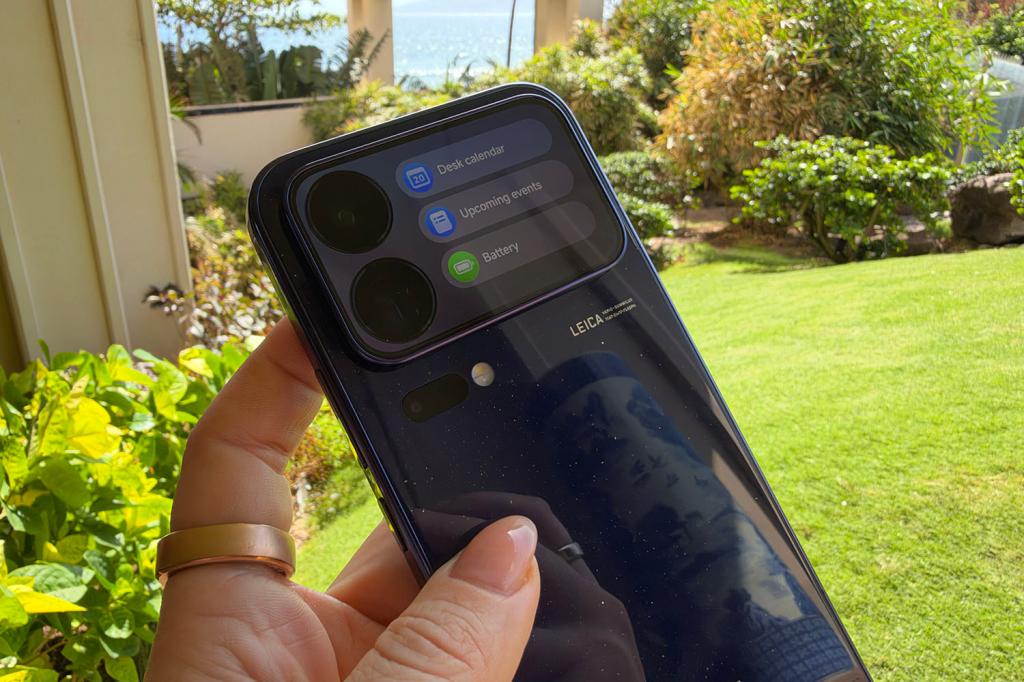
Ready or not, it’s coming. Google is weaving Gemini through Android, and Honor, Xiaomi and Motorola are all lining up agentic phones. So the question isn’t whether AI ends up everywhere. It’s which AI.
I want the AI that helps a blind person see what’s around them without them having to continuously prompt it, the one that speeds up cancer research and the one that helps tame my inbox. I want it running on my phone and my glasses, rather than in some data centre – both of which Qualcomm were promising during its Snapdragon Summit.
What I don’t want is an AI that thinks for me, films everyone around me for context and guzzles electricity to make unnecessary pictures that never happened, or could never happen – your cat is not actually going to start talking in the agentic age or any age for that matter.
Amon said, “the best AI is not AI that is going to ask more of you. It does more for you and it’s your own AI”, but in my mind, the best AI also shouldn’t ask more of the planet or of everyone around you who didn’t agree to be in the picture.
Read more: How AI could end humanity: the four scenarios experts worry about


Read the full article here
