

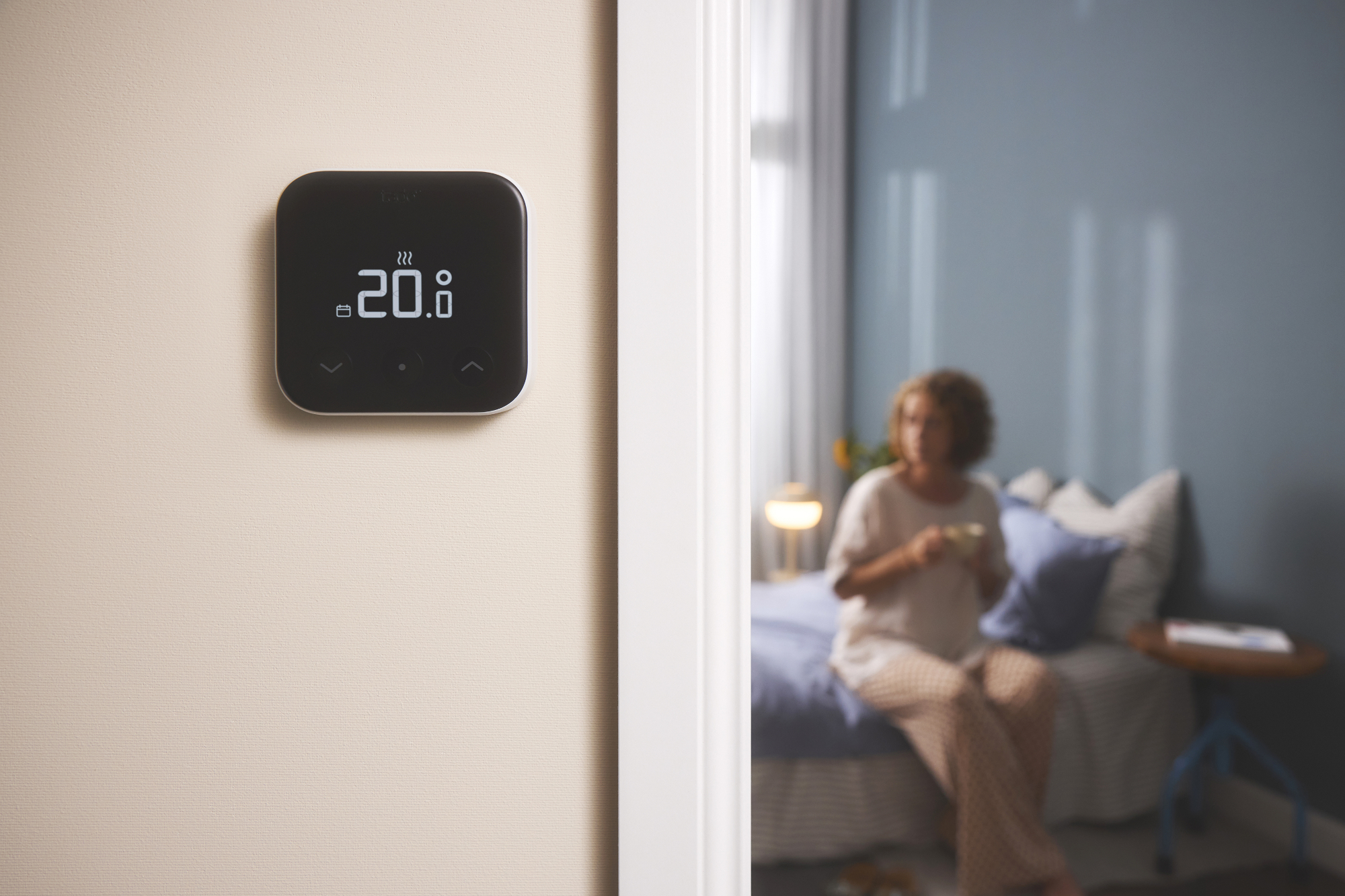
Are you thinking of turning the thermostat up? The cooler months are most definitely here and maybe, if you haven’t already, it’s time to finally upgrade to a smart thermostat. But in a crowded field, which is the best smart thermostat out there right now?
There are lots of reasons to upgrade your heating tech. Firstly, many of them let you talk to your heating via voice assistants like Amazon Alexa, Google Assistant and Siri, but the main benefit is saving you cash and cutting down on wasted energy.
Thanks to tech like geofencing and smart radiator valves, they can help your heating react to when you’re actually in, and only warm up the rooms you’re in. But where to start? That’s where we come in – we’ve reviewed the latest models out there to bring you a reliable recommendation.
Why you can trust Stuff: Our team of experts rigorously test each product and provide honest, unbiased reviews to help you make informed decisions. For more details, read how we test and rate products.
Quick list: what’s the best smart thermostat?
The best smart thermostats you can buy today:
1. Tado X
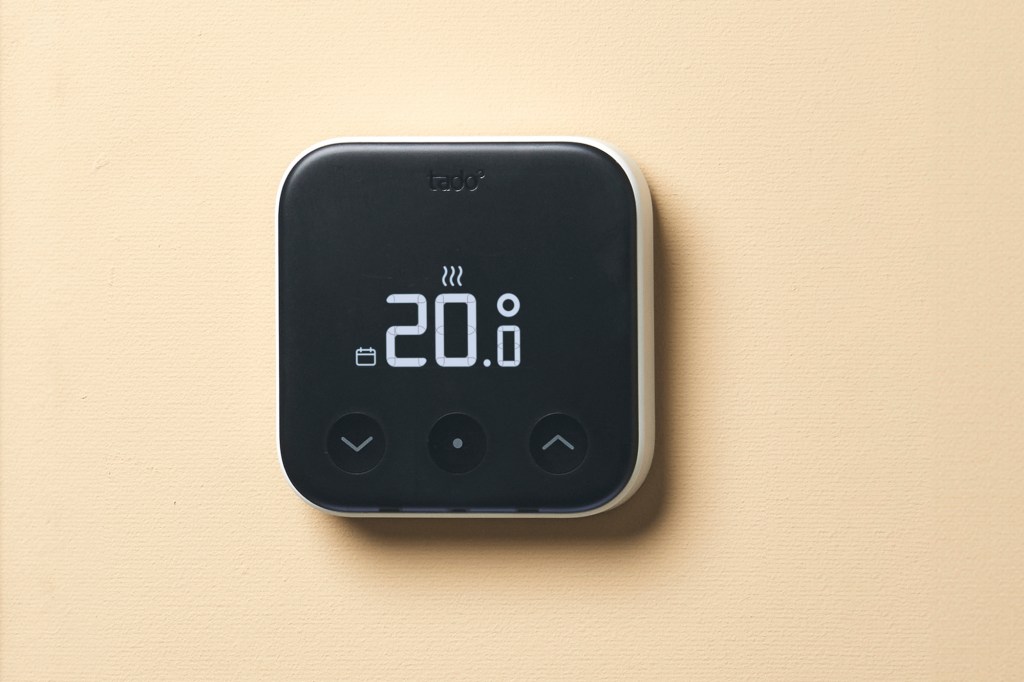
Tado’s X range builds on the excellent V3 lineup with a focus on simplicity and more modern connectivity. Tado X will fit into any home setup, with wired or wireless thermostats, radiator thermostats, and even a clever Heat Pump Optimiser, all linked through the Bridge X Thread router.
With Matter and Thread support, it’s designed for effortless setup and broad smart home compatibility. The most recent update adds an ‘AI’ assist, which helps you run everything more efficiently.
Is it any good?
Tado X feels like a thoughtful upgrade rather than a total overhaul. Setup is quick, the rechargeable radiator valves are a smart touch if looking for individual room control, and Thread/Matter support future-proofs it nicely.
It’s still one of the most user-friendly and efficient heating systems around. The only downsides? It’s pricey if you kit out your whole home, and some basic features are locked behind a paywall.
It’s also worth noting that the new Tado X products aren’t compatible with the existing Tado V3 system. So, if you already have a V3 setup, upgrading may not be worth it (unless you’re particularly eager to ditch frequent battery replacements).
2. Nest Learning Thermostat
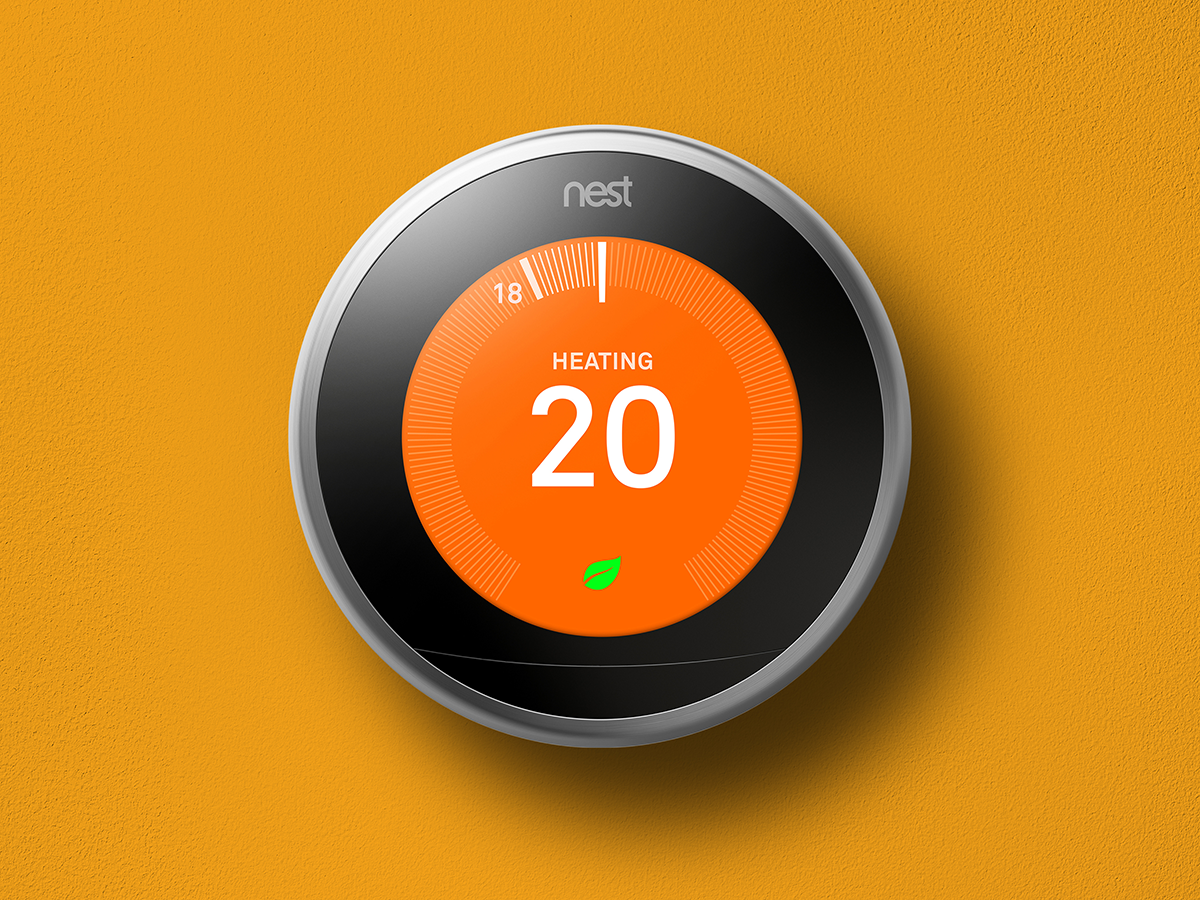
Nest’s learning thermostat is probably the device that made smart thermostats popular. Google claims the Nest will lower energy bills by up to 16%, and it’ll look stunning while doing so.
It’s also a smart and intuitive bit of kit. It gets to know how hot or cold you like your living room, turns itself down when you’re away and learns how draughty your home is. Bath lovers can also control the boiler through the Nest app, and will also show you how much energy you use every day.
It’s worth noting that Google won’t be launching any new Nest Thermostat models in the UK and Europe, blaming the maze of heating systems, wiring standards and regulations that make Europe trickier to serve than the US. Existing models like the Nest Learning Thermostat and Nest Thermostat E are still on sale (for now) and will keep getting app and security updates. But older versions are set to lose support from October 2025, which means no more updates or connectivity.
3. Tado Wireless Smart Thermostat V3+
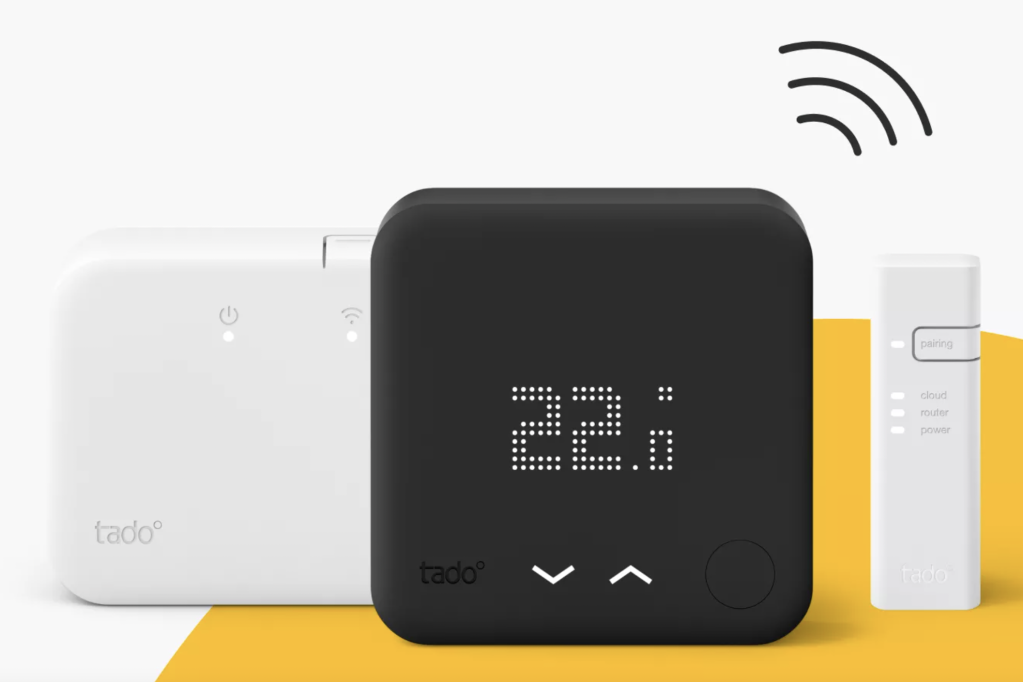
We think the third version of Tado’s Wireless Smart Thermostat is the best smart thermostat out there at the moment. It offers everything in home heating, from wired and wireless thermostats to smart radiator valves and even air conditioning control. Our pick of the bunch is the Wireless Smart Thermostat V3+, though.
The Wireless Smart Thermostat V3+ offers ease and accessibility and accommodates a wide range of heating systems. Its geofencing feature will heat your home before you arrive, and the app will monitor your heating system for problems and informs on how to solve them independently. It also needs very little DIY skills to get up and running, saving money on hidden installation fees.
4. Hive Thermostat Mini
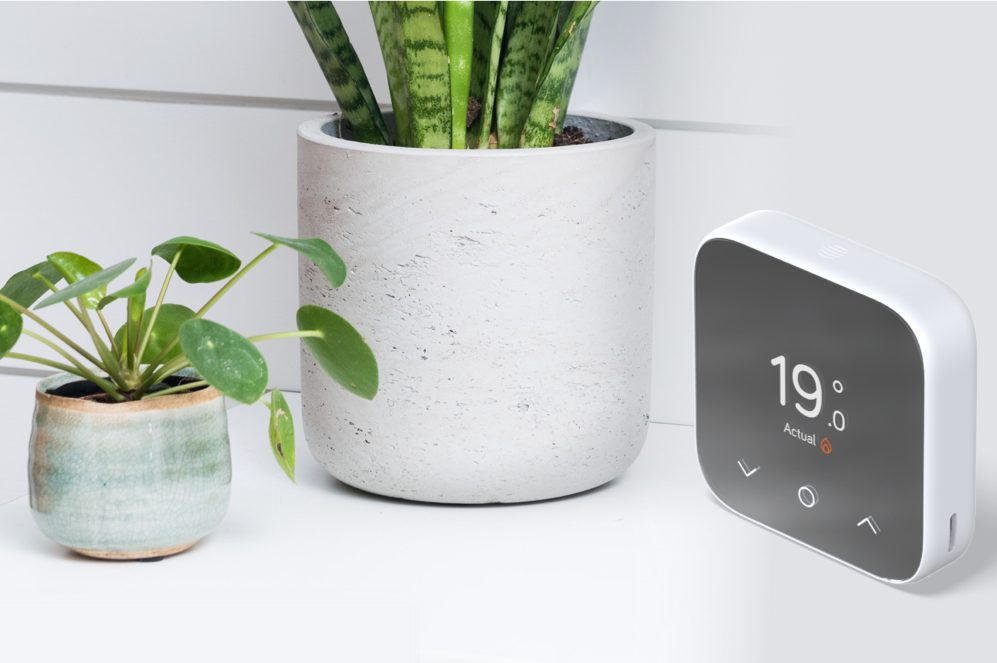
The Hive Thermostat Mini is a compact, budget-friendly way to smarten up your heating. It offers control through the Hive app, voice assistants, or geolocation, and can manage up to six heating zones.
Its sleek design hides touch controls and a discreet screen, while extras like Hive Heating Plus and optional radiator valves expand its features and help trim energy bills.
Is it any good?
The Hive Mini is an affordable smart thermostat and great for those new to smart heating. It’s easy to use, works well with Hive’s radiator valves, and keeps energy use in check.
It lacks advanced automation and the “boost” button of the larger model, but performance is solid. For not very much money, it’s an excellent entry point into connected heating – just don’t expect the smartest thermostat around.
Hive is also currently offering 10% off its Thermostat when you subscribe to Hive Heating Plus, which keeps track of household carbon emissions and daily, weekly and monthly energy insights.
5. Honeywell Evohome
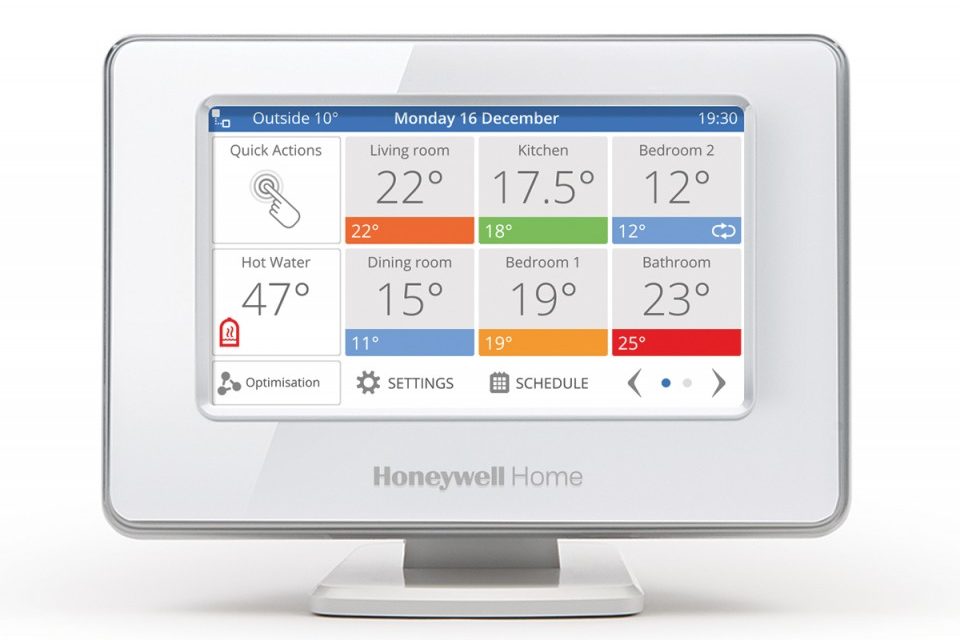
Honeywell’s Evohome is all about zonal heating – letting you control each room’s temperature independently for total comfort and energy efficiency.
It’s not new, but it’s still one of the best for multi-room setups, handling radiators, hot water, and even underfloor heating. Installation takes effort, and the cost adds up, yet it’s a solid, reliable option for homes with complex heating needs.
Is it any good?
Evohome isn’t the smartest thermostat, but it’s one of the most practical. The app is excellent, the zonal control works beautifully, and it’s surprisingly easy to use once set up.
The design looks dated, and it lacks modern touches like geofencing or adaptive learning, but for straightforward, room-by-room control, it’s great.
6. Wunda WundaSmart
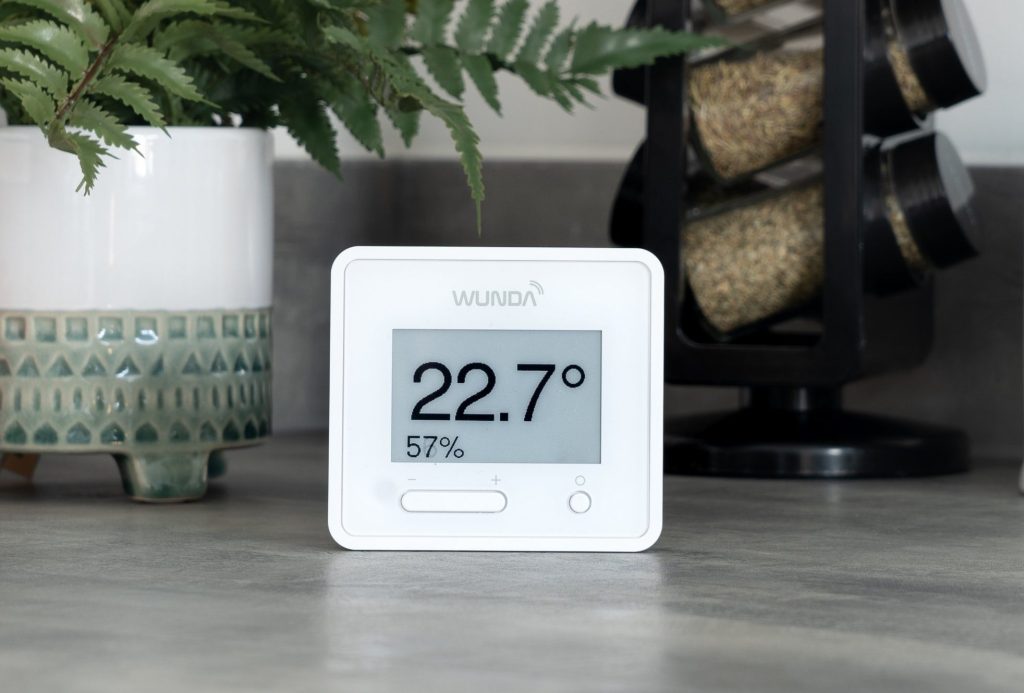
Where most smart thermometers offer zoning features, WundaSmart takes it to the next level. The WundaSmart supports up to 30 rooms and 50 radiators. This is likely more than enough for the typical, non-palatial palace-dwelling person.
The Wunda app is also quick and easy to get to know, allowing you to schedule when to heat the house or to boost individual zones. It will also detect when windows are open.
What to consider when choosing a smart thermostat
A smart thermostat can make your home feel more comfortable, cut down on energy use, and save you money. But with so many choices out there, it’s worth thinking about what actually suits your setup before you buy.
Start with compatibility. Check that the thermostat will work with your heating system – whether that’s a standard boiler, a heat pump, or underfloor heating. You’ll also want to see if it plays nicely with your smart home gear. Some work with Alexa, Google Home, or Apple HomeKit, but not all of them do, so it’s best to double-check.
The right features can make a big difference. Some thermostats use your phone’s location to adjust heating automatically, while others learn your routine and tweak temperatures for you. If your home has multiple heating zones, look for one that lets you control rooms separately. Tools like energy reports and usage tracking can also help you spot where you’re wasting heat – and money.
Ease of use matters too. A clear display, simple controls, and a decent app can make setup and daily adjustments much less of a faff. Remote control via an app is especially handy when you’re not home.
Lastly, think long-term. Models that support newer tech like Matter or Thread are more likely to stay compatible with future smart devices. Prices vary, but most smart thermostats pay for themselves over time through lower energy bills – and they’re better for the planet too.
Recent updates
- 21st October 2025: Added information about Nest’s lack of support in Europe.
Read the full article here
