


Let’s get one thing out of the way: a quantum computer is not going to replace your current laptop, help you win at Wordle, or untangle that drawer of cables you keep meaning to sort out. Some things are beyond even quantum physics, and that cable drawer is probably one of them. But these incredibly advanced, super-chilled machines could help solve some of humanity’s biggest headaches, and the tech giants are pouring serious money into making that happen.
This isn’t just wishful thinking from a few boffins in lab coats, though. IBM, Google, Microsoft and Amazon are all investing heavily in quantum tech, alongside a crowd of ambitious start-ups. In an IBM explainer, McKinsey’s estimates are quoted, suggesting that the quantum computing industry could be worth a whopping $1.3 trillion by 2035. That’s a lot of cash for something most of us couldn’t explain down the pub. But here we will give it a go so you might be one of the few who can, and then explain why it all matters.
What actually is quantum computing?
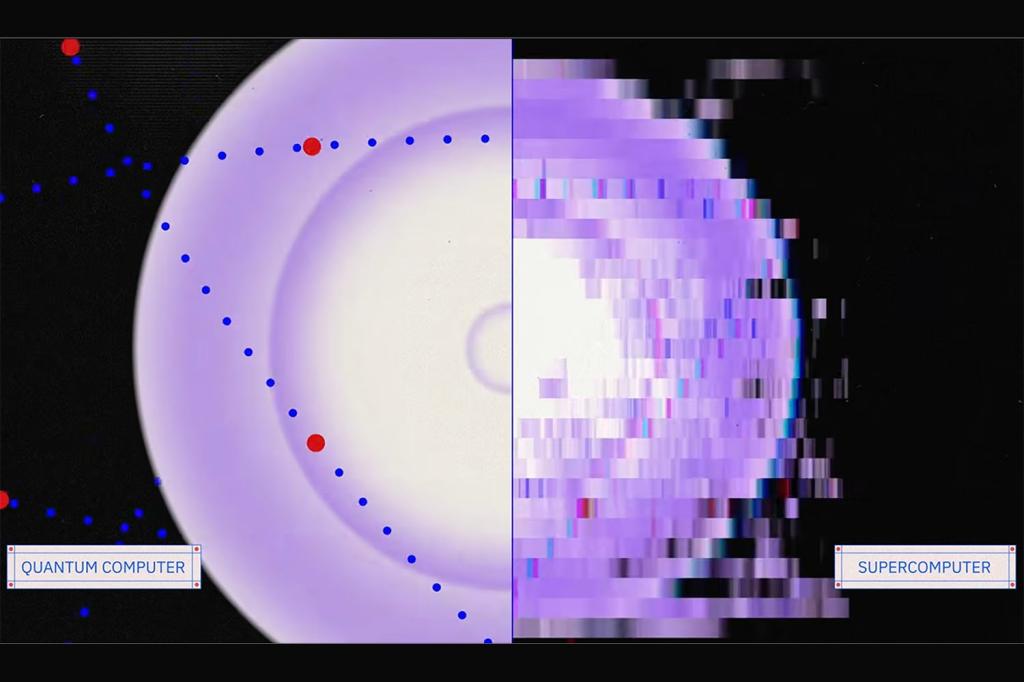
Your phone, your PC, and that smart fridge you probably never use all think in bits: tiny switches that are either off (0) or on (1). Simple, reliable, and, compared to quantum computers, rather boring. Quantum computers, meanwhile, use qubits instead. As Microsoft explains, a qubit can hold a mix of possibilities at once rather than committing to a single value. Think of flipping a coin: a normal bit is either heads or tails, with the answer one or the other, while a qubit is the coin still spinning in mid-air, with the answer determined only when you look.
Link several qubits together, and the number of possibilities they can juggle grows incredibly quickly. IBM points out that two qubits cover four combinations and three cover eight. By the time you reach 100, you’re dealing with numbers that could make astronomers blush, let alone us mere mortals. To explain further, IBM’s favourite analogy is a maze. Regular computers, as we know them, escape the maze by trying every path, one dead end at a time, until they find the correct path. A quantum computer gets a bird’s-eye view, using wave-like tricks called interference to identify the wrong routes and find the right one.
What does it mean for the world?
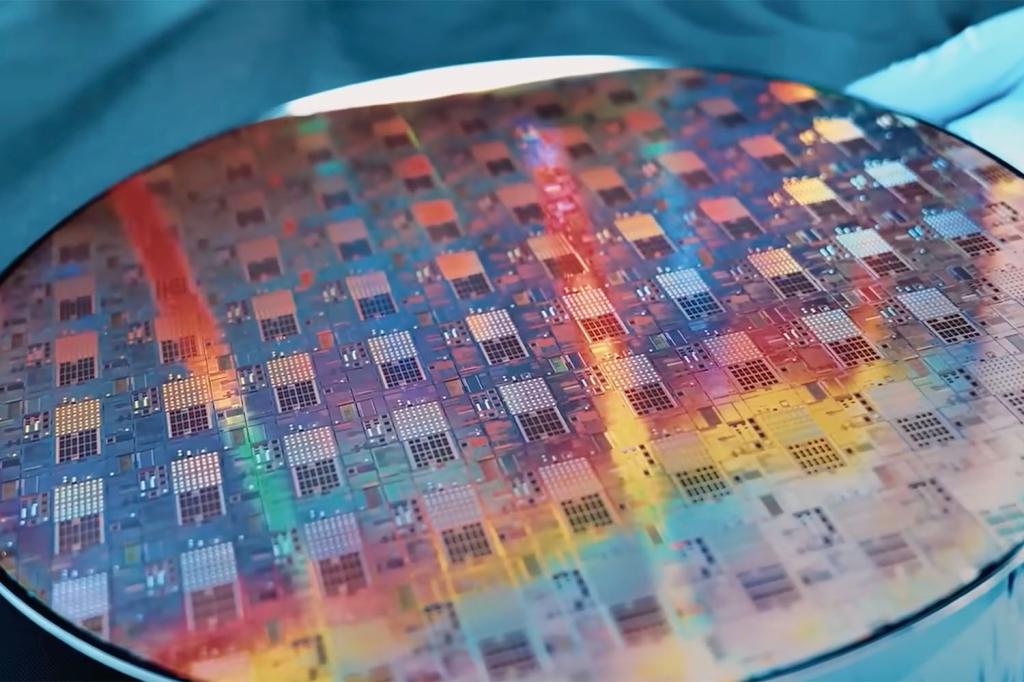
If you’re with us so far and you’ve managed to understand the concept of a quantum computer, then congratulations. You’re probably already the smartest person in the pub (unless the pub is near NASA’s HQ). Here’s where it gets even more exciting, though. Nature itself runs on quantum rules, so it’s unsurprising that quantum computers are naturally good at mimicking it. That matters because simulating molecules is something even the world’s mightiest supercomputers struggle with. They might be smashing the AI demands on them, but molecules? Computer says no.
Today, if scientists want to know how a new molecule behaves, they often have to synthesise it and test it, then repeat the process after every tweak. You don’t need a physics degree to appreciate that this is a rather long process, but as IBM explains, a quantum computer could model these systems directly, enabling faster discovery of life-saving drugs.
Adding to this, Google boss Sundar Pichai said in a blog post back in 2023 that quantum machines could one day help identify molecules for new medicines, produce fertiliser using less energy, and design better batteries and even nuclear fusion reactors. Fertiliser might not sound glamorous (quite the opposite, actually), but a greener way to make it would be great for the planet.
Then there’s the everyday stuff. Amazon Web Services (AWS) says quantum computing could help factories cut costs and speed up production, while Microsoft listed route planning, traffic flow, supply chains and fraud detection as areas under exploration. Fewer delivery vans stuck in jams and fewer dodgy transactions on your card? We’ll take both, thank you.
It’s not all blue-sky thinking either. BMW has signed a multi-year deal with Quantinuum to simulate the chemistry within fuel cells, in the hope of making them cheaper and more efficient. Rolls-Royce is working with Classiq on quantum methods for airflow simulations used to design jet engines, while Syngenta is exploring whether quantum computers can help it develop better crop protection. None of it has paid off yet, but these companies have at least started.
What’s the catch?

So where’s the hold-up? Well, qubits are divas. According to Google, they’re so sensitive that even a small amount of stray light can throw them off and cause errors, and the more qubits you add, the more errors creep in. To keep them calm, IBM keeps its quantum chips at around -273C, just a hundredth of a degree above the coldest temperature possible, and colder than outer space. Meanwhile, the whole setup is about the size of a car, so don’t expect one in your pocket any time soon.
The fix is teamwork (or error correction, if you’re wondering what the more scientific term is). Instead of trusting a single qubit, scientists spread each piece of information across a group, so if one slips up, the others can catch it. Simplified, it’s a bit like getting several friends to check the same sum. In 2023, Google reported that a team of 49 qubits made fewer mistakes than a team of 17. That was proof that bigger teams can mean fewer errors, not more. Since then, Google Quantum AI has unveiled a chip called Willow and a technique called Quantum Echoes. The company says it’s the first time anyone has been able to double-check that a quantum computer really did beat regular computers at a task.
But it’s worth keeping expectations in check. In July this year, IBM and the University of Chicago said they’d performed calculations beyond the reach of the best methods used by normal computers. Within weeks, a team in Singapore had reproduced key parts of the maths on regular (if very powerful) computers in under 40 minutes, though the two teams disagree on what that proves. Meanwhile, Amazon still says no quantum computer yet does a useful job better than a normal one. IBM and Microsoft also both say quantum machines will work alongside ordinary computers, not replace them, so your trusty laptop won’t be getting a P45 just yet.
What’s to come?
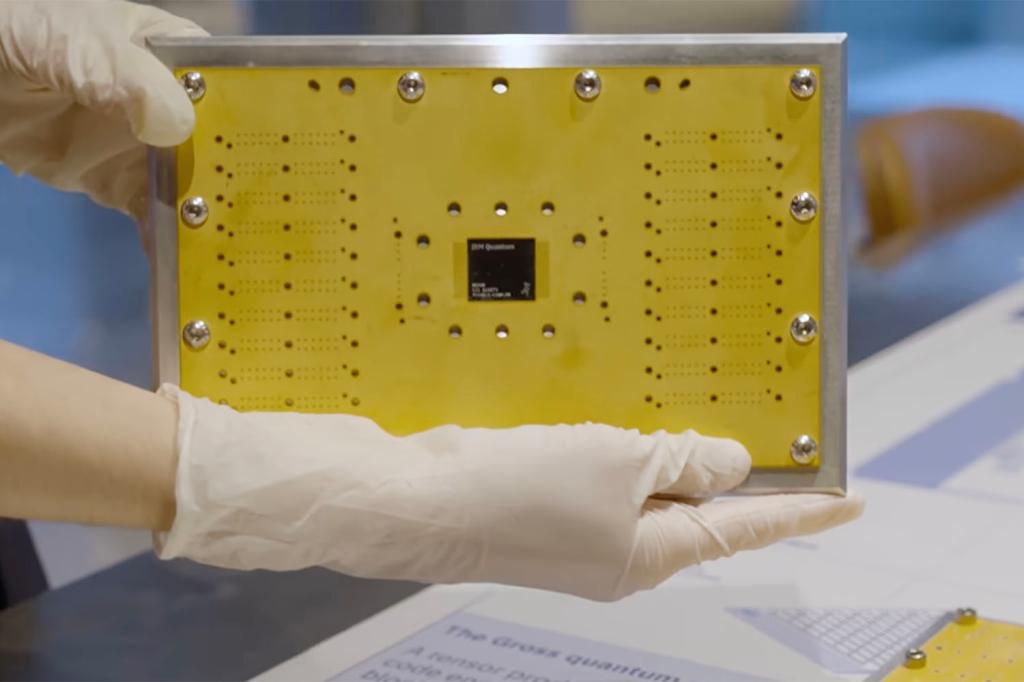
Still, the next few years are worth watching. IBM wants to build a machine with 200 of those self-checking qubit teams by 2029, and ten times as many by 2033. In the meantime, you don’t need a giant freezer of your own to have a go. Amazon Braket lets anyone with an AWS account run programs on a real quantum computer over the internet, as long as you can code. Sadly, being the office Excel whizz won’t cut it.
Quantum computing won’t turbocharge your Netflix binge, but if it helps deliver new medicines, cleaner farming and better batteries, it’ll be one of the most important technological advances we see in our lifetimes, even if the machines have to be kept colder than Pluto to work.
Read more: Yes, your AI searches use electricity – but how much? The difference between a quick question and a deep dive might surprise you


Read the full article here
