

Fed up with shelling out big bucks for a flashy flagship? You’ll probably want one of the best mid-range smartphones instead. Gone are the days when opting for a sensibly-priced phone meant settling for a lacklustre experience; today’s crop offer performance and looks to match or even rival top-tier models, all for under $600/£600.
Look through the following devices and you’ll spot premium styling, more than enough CPU muscle, and battery life that easily lasts throughout the day. Many come equipped with surprisingly good cameras, too. They’re built to last and should serve you for years to come.
Our guide showcases the best mid-range smartphones, offering everything you need for a fantastic mobile experience at a fraction of the cost of flagship devices.
Why you can trust Stuff: Our team of experts rigorously test each product and provide honest, unbiased reviews to help you make informed decisions. For more details, read how we test and rate products.
Quick list: What is the best mid-range smartphone?
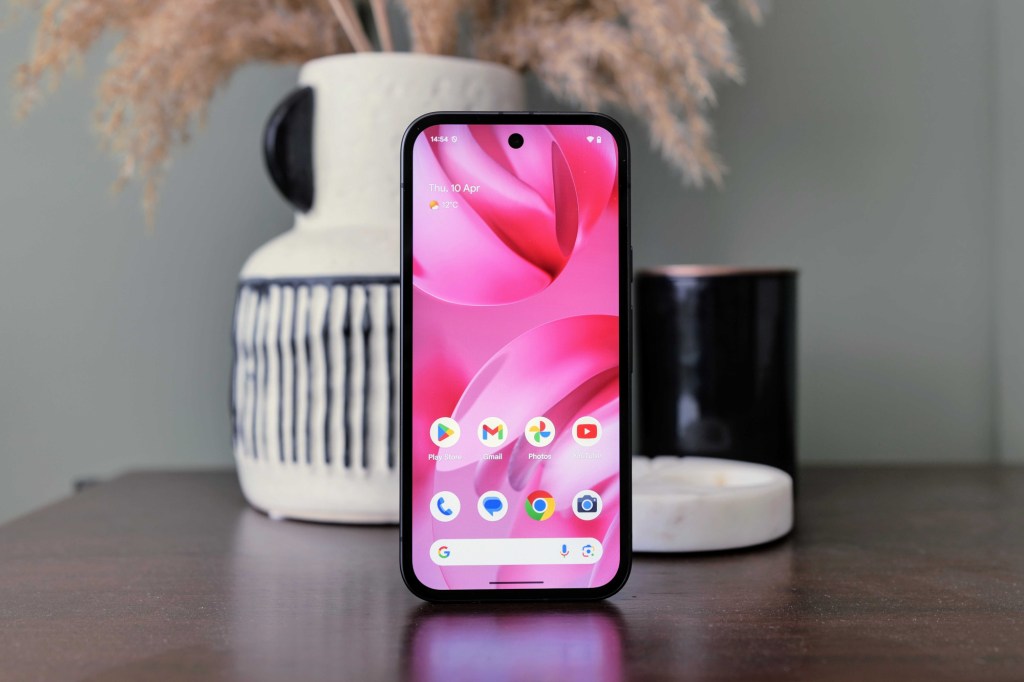
The Google Pixel 9a (buy now) is the best mid-range smartphone you can buy. It’s the latest phone in Google’s more affordable ‘a’ series. You’ll love its impeccable camera skills, punchy performance, minimalist Pixel design and pure Android experience.
The Samsung Galaxy A56 (buy now) is 75% of the full S25 experience for 50% of the price. Inside, an Exynos 1580 CPU and 8/12GB of RAM make for a smoother experience than the previous generation A series phones.
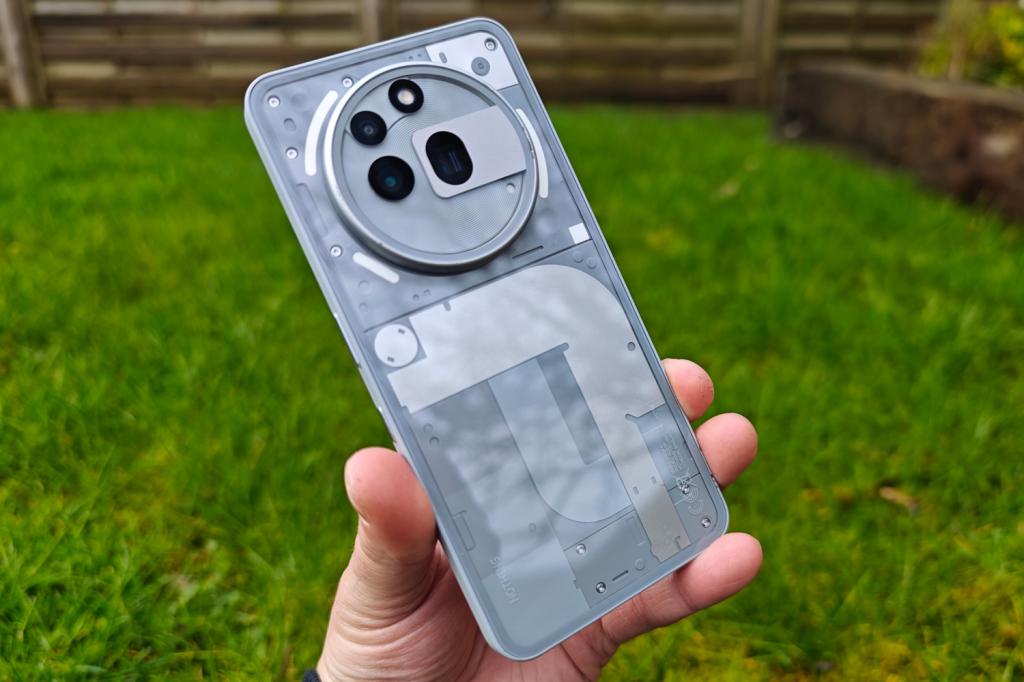
The Nothing Phone 3a Pro (buy now) refines the firm’s signature see-through styling and glyph lighting, while also making room for a camera bulge that contains a trio of capable lenses. The looks won’t be to all tastes, but the streamlined operating system is a joy to use.
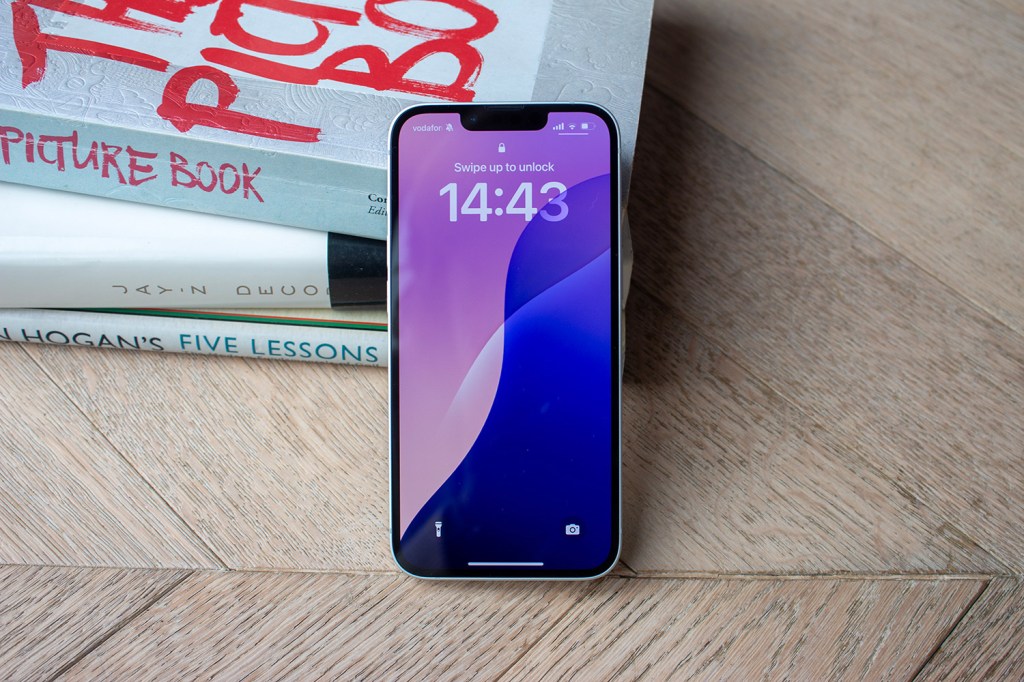
The iPhone 16e (buy now) isn’t as affordable as previous Apple mid-range efforts, but it’s an altogether more modern phone than the outgoing iPhone SE. An Apple A18 CPU, FaceID and a 48MP camera make it seriously capable.
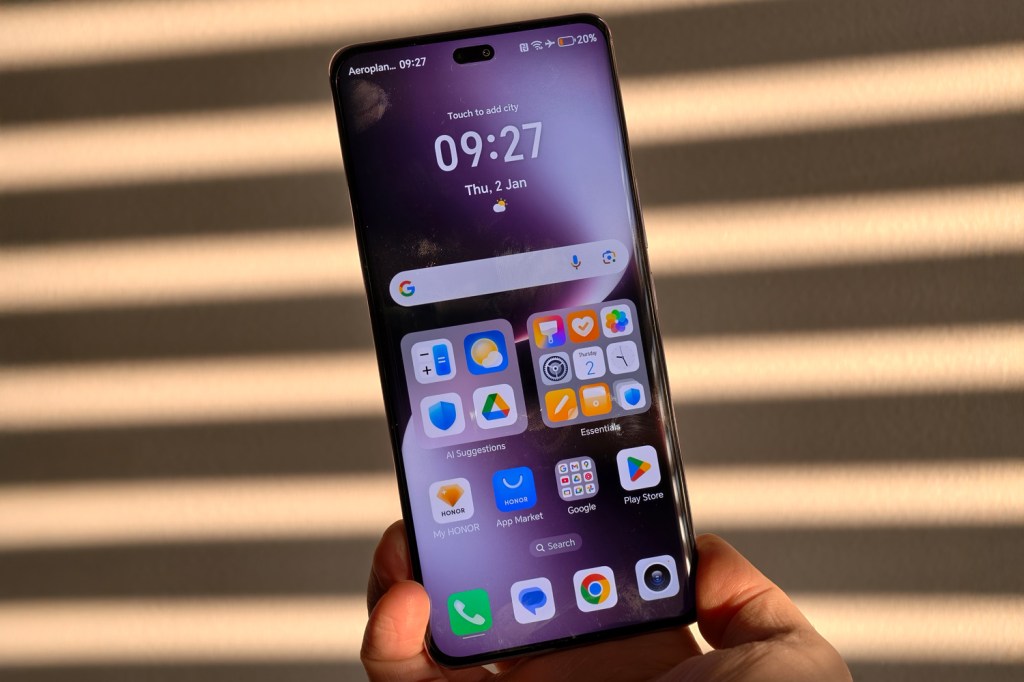
The Honor Magic 7 Lite (buy now) has a battery that’s quite frankly ridiculous for its slender size, a capable main camera, and an ultra-tough body the likes of which you rarely see from a mid-range phone.
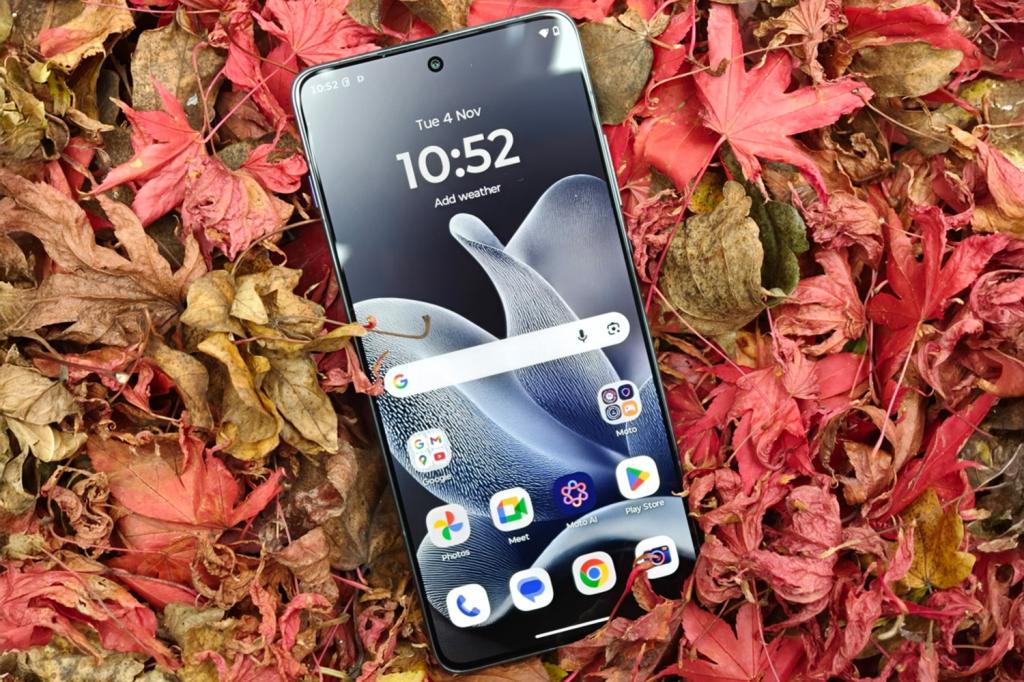
The Motorola Edge 70 (buy now) measures in at just 5.99mm, making it comfortably the thinnest mid-ranger around. It hasn’t skimped elsewhere to achieve that slimness either, with an impressively big battery.
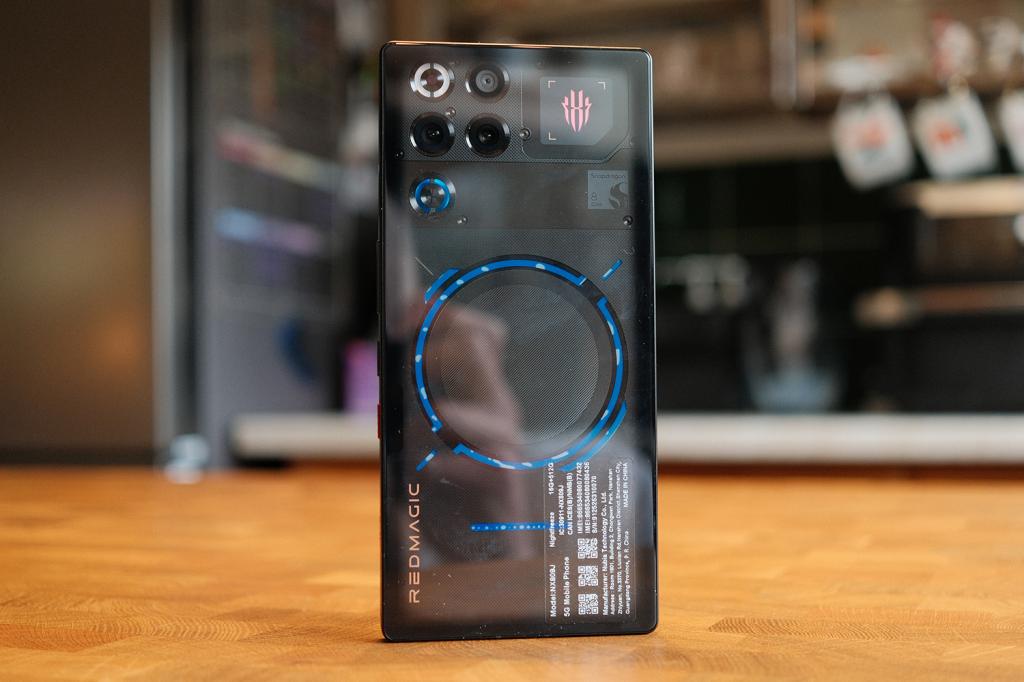
The RedMagic 11 Pro (buy now) packs a Snapdragon 8 Elite Gen 5 chipset underneath a screen unspoiled by selfie cameras, then keeps temperatures in check with a world-first liquid cooling loop. For the money it’s impossible to argue with how much power is on tap.
The best mid-range phone you can buy today:
Best mid-range smartphone overall
1. Google Pixel 9a
Stuff Verdict
Complete with a sleek
redesign, upgraded main camera and Gemini built in – the Google Pixel 9a proves you don’t need to spend big bucks to get a premium phone experience.
Pros
- Sleek, premium new design and super bright screen
- Excellent camera and battery life
- AI smarts at a new affordable price
- Seven years of security updates
Cons
- Bezels could be smaller
- Charging speeds could be faster
| Google Pixel 9a specs | |
|---|---|
| Screen | 6.3in Actua Display, 1080 x 2424 OLED, 2700 nits, 60-120Hz) |
| CPU | Google Tensor G4 |
| Memory | 8GB RAM |
| Cameras | 48MP f/1.7 main + 13MP,f/2.2 ultrawide rear 13MP, f/2.2 front |
| Storage | 128/256GB |
| Operating system | Android 15 |
| Battery | 5100 mAh |
| Dimensions | 154.7 x 73.3 x 8.9 mm 6.1 x 2.9 x 0.4 in |
| Weight | 185.9 g / 6.6 oz |
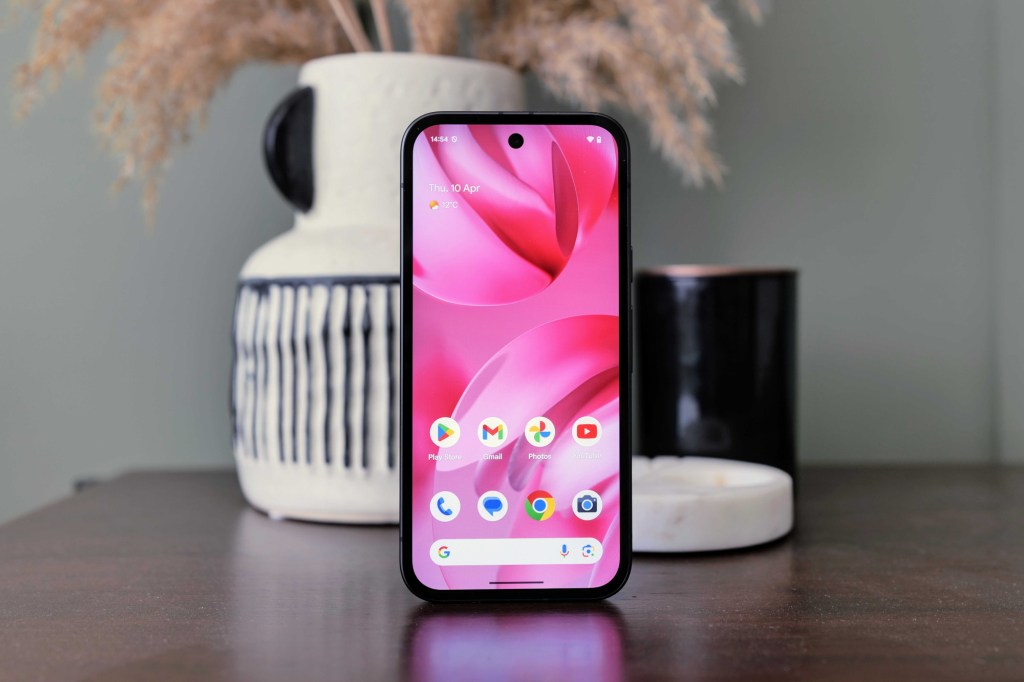
The Google Pixel 9a nails the balance between price and performance. For under $500 / £500, you get a sleek new design that feels way more premium than its price tag suggests. The 6.3in OLED screen is sharp, bright (2700 nits!), and finally brings 120Hz smoothness to the A-series. The design borrows heavily from the flagship Pixel 9, with a flatter build, metal frame and IP68 resistance.
Performance is solid thanks to the Tensor G3 chip, and Android 15 runs clean and fast, with seven years of updates promised. AI features like Best Take, Circle to Search and Gemini integration push this well beyond typical budget fare.
The 48MP camera is fantastic, with smart AI tricks and solid low-light chops. Battery life hits 30 hours – or 100 with Extreme Saver – though charging could be quicker.
In short: the Pixel 9a doesn’t feel like a compromise. It’s stylish, smart, secure and lasts ages. Unless you need top-end gaming power or blazing-fast charging, it’s everything you need in a phone – and then some.
- Read more: Google Pixel 9a review
Best mid-range Samsung phone
2. Samsung Galaxy A56
Stuff Verdict
A familiar face, long feature list and an attainable price are sure to make the Galaxy A56 a hit with Samsung fans – but the lesser-known competition has it bested on specs.
Pros
- Premium materials, design, and durability
- Big, bright OLED screen
- Decent performance and battery life for the price
Cons
- Skips out on almost all Galaxy AI features
- Secondary cameras don’t add much to the package
- Don’t care about brand names? Rivals offer more compelling hardware
| Samsung Galaxy A56 specs | |
|---|---|
| Screen | 6.7in, 2340×1080 AMOLED w/ 120Hz |
| Processor | Samsung Exynos 1580 octa-core |
| Memory | 8/12GB RAM |
| Storage | 128/256GB on-board |
| Cameras | 50MP, f/1.8 w/ PDAF, OIS + 12MP, f/2.2 ultrawide + 5MP, f/2.4 macro rear 12MP, f2.2 front |
| Operating system | Android 15 w/ OneUI |
| Battery | 5000mAh w/ 45W wired charging |
| Dimensions | 162 x 78 x 7.4mm 6.39 x 3.05 x 0.29in |
| Weight | 198g / 6.98oz |
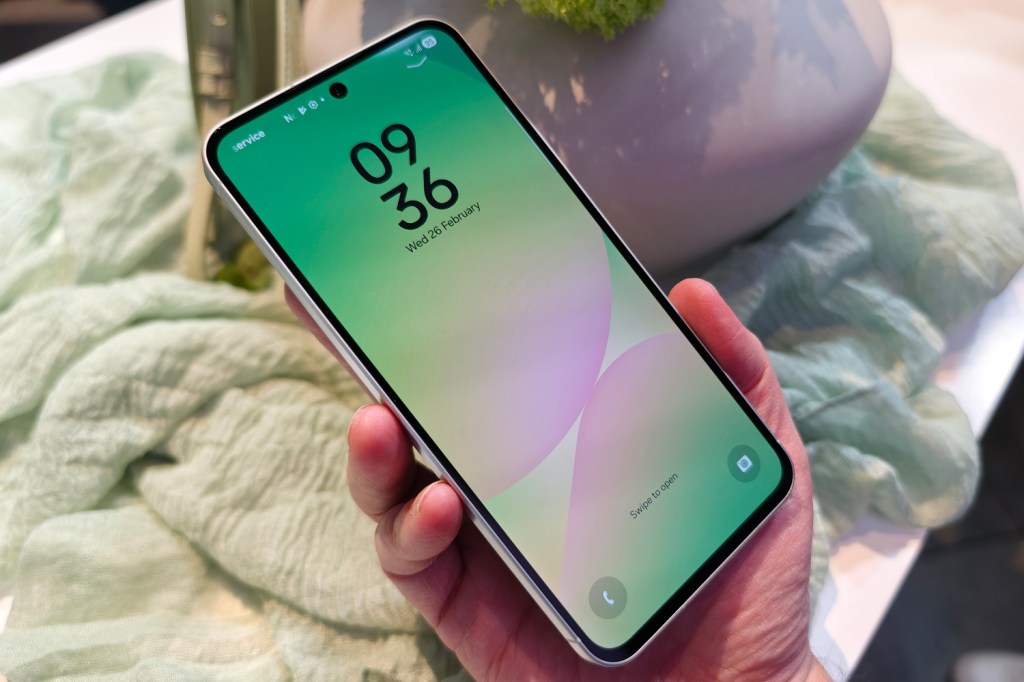
Want the Samsung prestige without the high-end price? Then the A56 is a mid-range contender worthy of your shortlist. It costs considerably less than the lofty Galaxy S25 range, so while it sacrifices some flagship style and power, this still provides a solid smartphone experience for fans of the firm.
One of its standout features during our review was its sharp, punchy screen. And unlike previous A series phones (which massively disappointed on the power front), we’re pleased to report that the A56’s Exynos 1580 CPU and 8/12GB of RAM make for a far smoother experience. Charging speeds have now reached 45W, which even puts the more expensive Galaxy S25 to shame.
It’s true that photography hasn’t improved all that much between generations, and you don’t get many of Samsung’s flashy Galaxy AI features here. If you’re not keen on OneUI, there are better value rivals elsewhere on this list. But for most of the Samsung experience at a far more palatable amount, the Galaxy A56 still deserves some attention.
- Read more: Samsung Galaxy A56 review
Most innovative mid-range phone
3. Nothing Phone 3a Pro
Stuff Verdict
Divisive design changes aside, Phone 3a Pro is very capable mid-ranger with an interesting take on AI. Its cameras are also up there with class leaders, even if the zoom lens comes at a price premium
Pros
- Versatile cameras with mature processing
- Respectable mid-range performance and battery life
- Widget-filled UI is as customisable as ever
Cons
- Rear camera layout will surely prove controversial
- It’s early days for the Essential Space software
- Faces stiff competition at this price
| Nothing Phone 3a Pro specs | |
| Screen | 6.77in, FHD+ 120Hz AMOLED |
| CPU | Qualcomm Snapdragon 7s Gen 3 |
| Memory | 8/12GB RAM |
| Cameras | 50MP, f/1.88 main w/ OIS + 50MP, f/2.55 telephoto w/ OIS, 3x optical zoom + 8MP, f/2.2 ultrawide rear 50MP, f/2.2 front |
| Storage | 128/256GB on-board |
| Operating system | Android 15 w/ Nothing OS 3.1 |
| Battery | 5000mAh, 50W wired charging |
| Dimensions | 164x78x8.9mm, 211g |
Nothing’s two-tier approach to the more affordable end of its phone lineup is an interesting one. The Phone 3a Pro doesn’t do an awful lot to stand out from its cheaper brother, the Phone 3a, and its head-turning rear camera island is arguably not as pretty. But it contains what is most definitely a superior telephoto snapper, letting Nothing compete with far pricier mid-range models.
The firm’s image processing is impressively mature and you’re given lots of flexibility over colours courtesy of a growing library of community-created filters and effects. Exposure consistency may not be the absolute best, but it absolutely fits the bill for social media sharing.
Elsewhere you’re getting performance and battery life that are more than acceptable, and Nothing’s spin on Android remains a joy to use. Essential Space started off as a gimmick, but the AI-powered screenshot and note hub is getting more useful with each update.
- Read more: Nothing Phone 3a Pro review
Best mid-range iPhone
4. Apple iPhone 16e
Initial Stuff Verdict
If you’re iOS rather than Android, there’s no better option. Flagship power in a compact shell
Pros
- Far more modern design and features
- Incredibly powerful and long-lasting
Cons
- Did the notch really need to come back?
- Can’t match Android rivals for camera versatility
| Apple iPhone 16e specs | |
|---|---|
| Screen | 6.1in, 2532×1170, Super Retina XDR OLED |
| CPU | Apple A18 |
| Memory | 8GB RAM |
| Cameras | 48 MP, f/1.6, PDAF, OIS (rear) 12MP, f/1.9 (front) |
| Storage | 128GB/256GB/512GB |
| Operating system | iOS 18 |
| Battery | 4005mAh, 20W wired, 7.5W wireless |
| Dimensions | 147x72x7.8mm 5.78×2.81×0.31in |
| Weight | 167g / 5.89oz |
The iPhone 16e isn’t the value champ that the outgoing iPhone SE was, but those wanting entry into the Apple ecosystem without paying flagship prices will otherwise find plenty to like. The design has finally caught up with the rest of the iPhone line-up (for the most part – you get a notch here instead of Dynamic Island), TouchID has finally been ditched in favour of FaceID biometrics, and it packs the same A18 chip found in the much pricier iPhone 16, giving it incredible performance and future-proofing it for years to come.
It’s nowhere near as palm-friendly as before, but the 6.1in OLED panel is a major improvement on colour, contrast, black levels and outdoor visibility. Sure, it only has a single rear camera, but it’s a great one, producing clear pics on par with its mid-range Android competition.
If you’re looking for the best mid-range Apple device, the iPhone 16e is hard to beat. It’s not the absolute best affordable mobile on the market, but we believe it’s a fantastic choice for anyone who wants a powerful iPhone experience without breaking the bank.
- Read more: iPhone 16e review
Best mid-range phone for battery life
5. Honor Magic 7 Lite
Stuff Verdict
This impressively slim phone hides one of the highest capacity batteries in its class. The Honor Magic 7 Lite feels out of step with rivals elsewhere, but makes up for it with a keen price.
Pros
- Simply huge battery for multi-day lifespan
- Bright, sharp AMOLED screen
- Main camera performs well for a value-minded phone
Cons
- Performance is only average
- Phone design trends have moved on from curved-edge displays
- Rivals don’t last as long, but are arguably more well-rounded
| Honor Magic 7 Lite specs | |
|---|---|
| Screen | 6.78in, 2700×1224 AMOLED |
| CPU | Qualcomm Snapdragon 6 Gen 1 |
| Memory | 8GB RAM |
| Cameras | 108MP, f/1.8 w/ PDAF, OIS + 5MP, f/2.2 ultrawide rear 16MP, f/2.5 front |
| Storage | 512GB |
| Operating system | Android 14 w/ MagicOS |
| Battery | 6600mAh w/ 66W wired charging |
| Dimensions | 163x76x8mm |
| Weight | 189g |
Honor isn’t the only brand getting in early on silicon-carbon battery tech, but it is the first to pack a simply colossal cell inside an affordable model. The Honor Magic 7 Lite is only 8mm thick, yet has a massive 6600mAh capacity battery good for multiple days of use between charges. That’s bigger than almost any rival, and puts many flagship phones to shame. We also liked the capable main camera, which can capture a clear and colourful pic in most lighting conditions.
It does stick with the same Snapdragon 6 Gen 1 chipset as the outgoing Magic 6 Lite, which is beginning to show its age a little; you can still play most Android games without stutter or slowdown, but things don’t feel quite as snappy as they do on rivals with a little more oomph. Still, getting 512GB of on-board storage as standard softens the blow quite a bit.
We’d like Honor to speed up its Android version adoption, as the 7 Lite is another mid-range Magic that arrives running last year’s software. Android 14 has been given a few MagicOS goodies, at least, but a meagre two year update promise is pretty weak. The curved-edge glass doesn’t feel as in step with flagship design trends as it once did, either.
Still, the 6.78-inch AMOLED display with a 120Hz refresh rate remains a highlight, delivering vibrant colours and good brightness. If you want the longest-lasting phone around for not too much money, this is still a fantastic choice.
- Read more: Honor Magic 7 Lite review
Best slim mid-range phone
7. Motorola Edge 70
Stuff Verdict
A super-slim phone that doesn’t compromise on battery like pricier rivals. The Motorola Edge 70 still carries a premium for just a few millimetres less than a typical mid-ranger, though
Pros
- Slim build and unique textured back panel feel suitably luxe
- Decent performance and long-lasting battery for such a skinny phone
- Cameras mostly competitive with mainstream mid-rangers
Cons
- Thinness comes at a big price premium
- Overdoses on pre-installed bloat
- Photos are wildly oversaturated
| Motorola Edge 70 specs | |
| Screen | 6.7in, 2712×1220 P-OLED w/ 120Hz |
| CPU | Qualcomm Snapdragon 7 Gen 4 |
| Memory | 12GB RAM |
| Cameras | 50MP, f/1.8 w/ PDAF, OIS + 50MP, f/2.0 ultrawide w/ PDAF rear 50MP, f/2.0 front |
| Storage | 256/512GB on-board |
| Operating system | Android 16 |
| Battery | 4800mAh w/ 68W wired, 15W wireless charging |
| Dimensions | 160x74x6mm, 159g |
Ultra-slim smartphones are a fairly new category – and one largely focused on flagships at that – so the Edge 70’s arrival came as a shock. Motorola’s latest is a scant 5.99mm thick and featherweight 159g, getting impressively close to the iPhone Air and Galaxy S25 Edge for considerably less cash. It also bests them both on battery capacity.
The internals aren’t too far removed from the previous generation, which wasn’t a true size zero. Snapdragon 7 Gen 4 power is still plenty for a mid-ranger, though, and you get Android 16 straight out of the box. The dual 50MP rear snappers do a decent job in most lighting conditions, too.
While you can find better performance or photographic ability if you shop around, nothing else in this price range comes close to matching the Motorola’s skinny dimensions.
- Read more: Motorola Edge 70 review
Best mid-range gaming phone
8. Red Magic 11 Pro
Stuff Verdict
The RedMagic 11 Pro delivers exceptional gaming performance with impressive liquid cooling and beastly specs, at a reasonable price.
Pros
- Standout liquid cooling system
- One of the most powerful smartphones available
- Incredible battery life, with fast charging to boot
- Large, bright, uninterrupted display
Cons
- Under-display camera produces poor selfies
- No telephoto lens limits keen photographers
| RedMagic 11 Pro specs | |
| Screen | 6.85in, 2688×1216, 144Hz AMOLED |
| CPU | Qualcomm Snapdragon 8 Elite Gen 5 |
| Memory | 12/16/24GB RAM |
| Cameras | 50MP main (f/1.9, OIS), 50MP ultra-wide (f/2.0), 2MP auxiliary rear 16MP front |
| Storage | 256GB/512GB/1TB |
| Operating system | Android 16 |
| Battery | 7500mAh w/ 80W wired/wireless charging |
| Dimensions | 164×77×8.9mm, 230g |
There’s no denying the RedMagic 11 Pro’s gamer appeal. You’re getting the fastest processor available right now, a gorgeous high-refresh display with no interruptions, enormous battery life, and thoughtful features. It’s exceptional value in its most basic form, and even the top-tier 24GB/1TB version still costs less than equivalent configurations from Samsung, Apple, or Google. The liquid cooling system might be elaborate, but it genuinely works to keep the phone frosty while under heavy load.
It doesn’t have the best set of cameras, even among more modest mid-rangers, which can result in merely OK-looking photos particularly in low light. The telephoto and selfie cameras are the two worst culprits, so think about how you use your phone before clicking the buy button.
Despite these drawbacks, the RedMagic 11 Pro is a great choice for gamers who prioritize power and design over camera quality and UI polish.
- Read more: Red Magic Pro 11 review
How to choose the best mid-range smartphone for you
Choosing the best mid-range smartphone is a lot like choosing the best smartphone, but if you’re reading this then you’ve already defined a budget of between $450/£450 and $600/£600. If that’s still too much money, then you should check out Stuff’s guide to the best cheap smartphones.
These affordable mobiles tend to offer a good balance between features and affordability. You may miss out on some headline features, such as a super-zoom camera or massive OLED display, but if you want a phone that’s brilliant at the basics without anything flashy, then these are perfect for you.
As we mentioned in the introduction as well, performance shouldn’t be an issue, with mid-range processors from reputable brands like Qualcomm Snapdragon and MediaTek performing much better than they used to.
In terms of display, you should be looking for smartphones with at least Full HD (1080p) resolution and an IPS or AMOLED panel for vibrant colours and good viewing angles.
Despite being mid-range, you can expect a decent camera with multiple lenses and sensors (although, it may not be market-leading). You can look for features like optical image stabilisation (OIS) or night mode.
If you’re looking for more specific buying recommendations, then you can check out Stuff’s guides to the best smartphones for gaming, the best smartphones for photography, and the best Android phones.
Frequently asked questions
Which brand is best for a mid-range phone?
When it comes to the best mid-range smartphones, several brands stand out for their blend of performance, features, and value.
Our current top contender is Google, with its excellent ‘A’ series. We rate it highly for its camera capabilities, which leverage Google’s exceptional image processing algorithms, providing high-quality photos comparable to more expensive models. The current Pixel 8a also benefits from Google’s AI-powered editing tools and a robust software experience with guaranteed updates, making it a great choice for those who value photography and a seamless user experience.
Another strong option in the mid-range category is the OnePlus Nord series. OnePlus consistently delivers smartphones that offer a premium feel at a more affordable price. The latest models in the Nord lineup feature solid build quality, impressive displays with high refresh rates, and reliable performance thanks to capable processors.
Lastly, Nothing is worth considering for its unique design and feature set. With its distinctive transparent back and glyph interface, they stand out aesthetically. It also offers decent performance.
What is the difference between a mid-range and a flagship phone?
Aside from price, the main difference between mid-range and flagship phones lies in their specifications, features, and overall performance.
Flagship phones typically boast the latest and most powerful processors, the highest resolution displays, superior camera systems, and premium materials such as glass and metal. They also often include advanced features like wireless charging, water resistance, and the latest software updates. All of this translates to faster performance, smoother multitasking, sharper and more vibrant screens, and high-quality photos and videos—especially in low light or when zooming in. Watching content will also feel more immersive, thanks to better contrast, higher refresh rates, and richer colours.
In contrast, mid-range phones offer a balance of good performance and cost-effectiveness, often featuring slightly older processors, lower-resolution displays, and fewer premium features. While they’re still more than capable of handling everyday tasks like browsing, messaging, and social media, you might notice slower app launches, lower-quality night shots, less detailed zoom, and videos that don’t look as crisp or fluid compared to flagships.
Are refurbished phones as good as new ones?
Refurbished phones can be as good as new ones if they are purchased from a reputable source, such as Back Market. These reputable sites thoroughly test and certify them, so you know you’re not buying a dud.
These devices are often restored to full functionality, with any defective parts replaced and software updated, ensuring they perform similarly to new phones.
Additionally, refurbished phones typically come with a warranty, providing buyers with peace of mind. However, the condition of refurbished phones can vary, so it’s important to check the grade and buy from trusted sellers to ensure quality and reliability.
How we test smartphones
We’ve tested every phone on this list ourselves, so you can trust our picks. We treat each handset like a daily driver – not a staged demo – and that makes a big difference to the recommendations we give.
Typically, we spend a week or more with each phone, using it for calls, streaming, navigation, photos, messaging and gaming. That hands-on time lets us spot real-world strengths and quirks that a quick bench test would miss. We stress-test performance by multitasking and running demanding games like Genshin Impact or Call of Duty: Mobile, check battery life across different usage patterns, and time how long each device actually takes to charge from 0 to 100%.
Displays get judged for brightness, colour accuracy and outdoor readability, but also for how they handle different media. We watch HDR shows on Netflix, scroll through Instagram’s bright feeds, stream YouTube videos in varying resolutions and browse photos to see how punchy – or natural – colours look. We also note how smooth adaptive refresh rates feel when scrolling or gaming, and whether viewing angles hold up under harsh light.
Camera testing includes daylight, low-light and video scenarios – everything from shooting portraits in busy city streets to night scenes and 4K stabilised clips – to see how lenses, autofocus and image processing behave. We also pay attention to build quality (does it scratch easily?), speaker performance when playing music or YouTube, and any software oddities, like app crashes or slow animations. We look at how clean the interface feels, whether there’s bloatware, and how strong the manufacturer’s update promise really is.
Our reviews cover the essentials separately – battery, screen, camera, performance and everyday usability – so you get a clear picture of what owning the phone will be like, not just what its spec sheet says. The goal is simple: help you buy a phone that actually fits your life.
For more information on Stuff’s rating and review process, read our page on how we test products.
Recent updates
- 12th December 2025: Nothing Phone 2 replaced by Nothing Phone 3a Pro, RedMagic 8 Pro replaced by RedMagic 11 Pro
- 10th October 2025: Motorola Edge 50 Pro replaced by the Motorola Edge 60 Pro
Read the full article here
