

There’s no shortage of watches claiming to be “adventure ready” but half of them have never leave the office. So I’ve pulled together the twelve that genuinely earn the label, from big Swiss icons to a rugged smartwatch that’ll outlast your phone battery on a multi-day hike.
Whether you want a mechanical watch that’ll survive a fall down a scree slope or a GPS beast that’ll get you home when the fog rolls in, there’s something here for you.
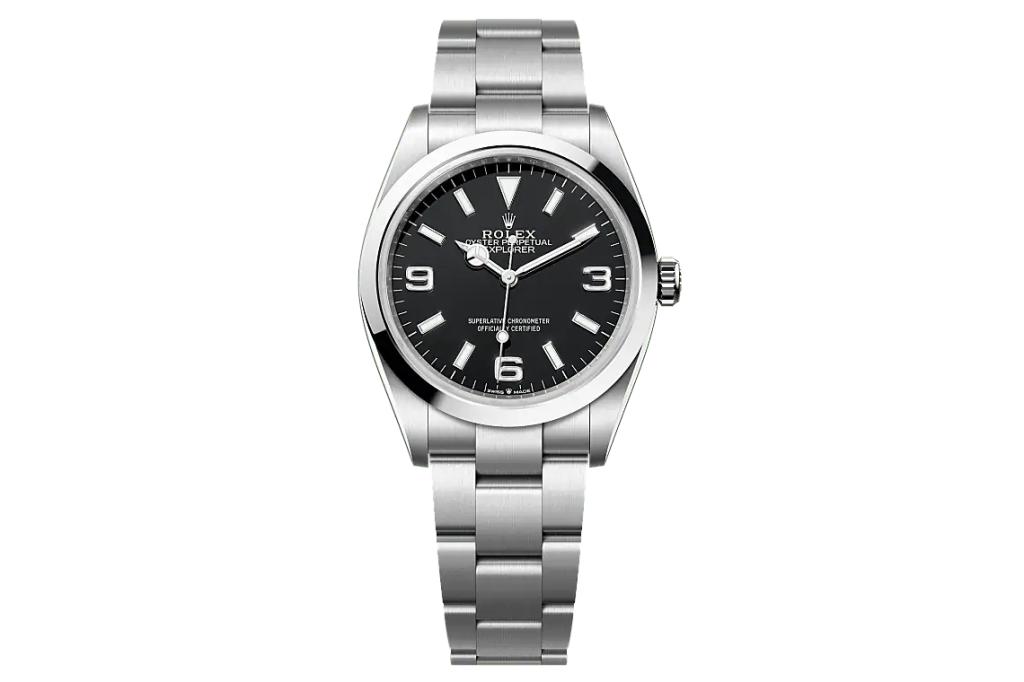
1. Rolex Explorer 36mm
The Explorer is the watch that started this whole category. Rolex developed it in the 1950s for mountaineers, and the story goes that it was on the wrist of the first successful Everest expedition in 1953.
The current 36mm case brings that history back to its original proportions after years of the model creeping larger.
Inside is the calibre 3230, a modern automatic movement with a 70-hour power reserve and a Parachrom hairspring that resists shocks and magnetism. Water resistance sits at 100m, and the dial uses Rolex’s signature 3-6-9 numeral layout with Chromalight lume that glows a distinctive green in the dark.
Why we chose it
Every watch on this list owes something to the Explorer. It’s the blueprint for the simple, legible, tool-first field watch, and the 36mm case is the version to buy if you want the design as it was intended. It’s not the most technically capable watch here, or the most exciting, but it has the pedigree none of the others can claim.
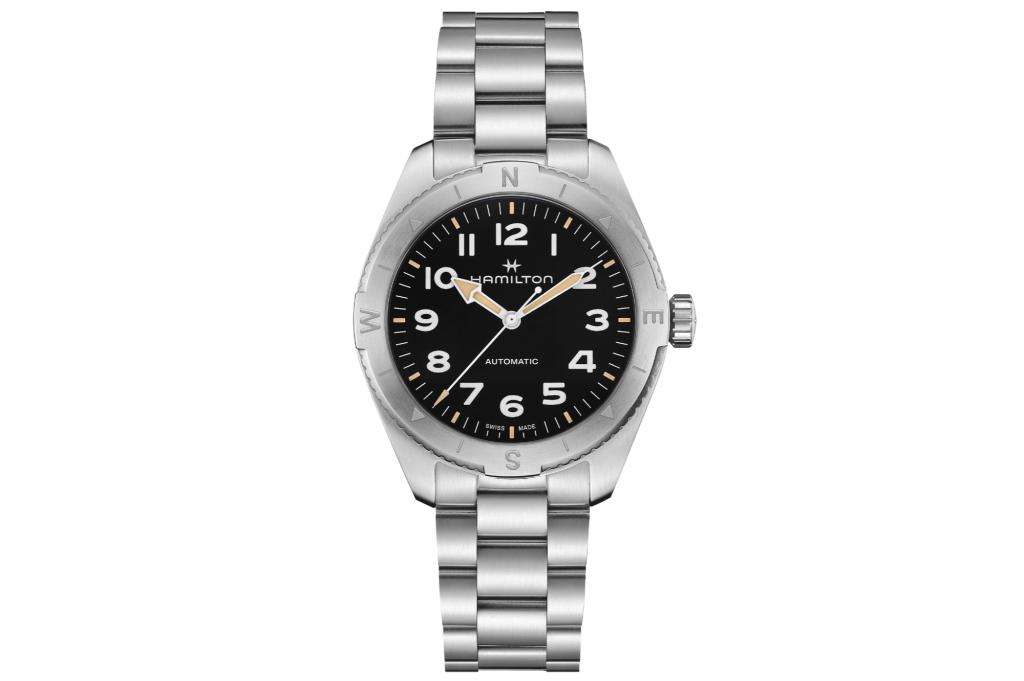
2. Hamilton Khaki Field Expedition
Hamilton built its name supplying watches to the US military, and the Khaki Field Expedition channels that history directly. It’s available with either a 37mm or 41mm stainless steel case, and a bidirectional compass bezel leans into that outdoorsy, adventure-ready aesthetic.
Water resistance is rated to 100m, the crystal is sapphire, and the automatic movement inside runs with an 80-hour power reserve, longer than watches costing many times more.
The dial is extremely legible, with bold Arabic numerals, a railway minute track, and enough lume to read at a glance in the dark.
Why we chose it
This is the watch I’d point a first-time buyer towards. It takes everything that makes a field watch useful, solid construction, a genuine compass function, excellent power reserve, and packages it at a very reasonable price.
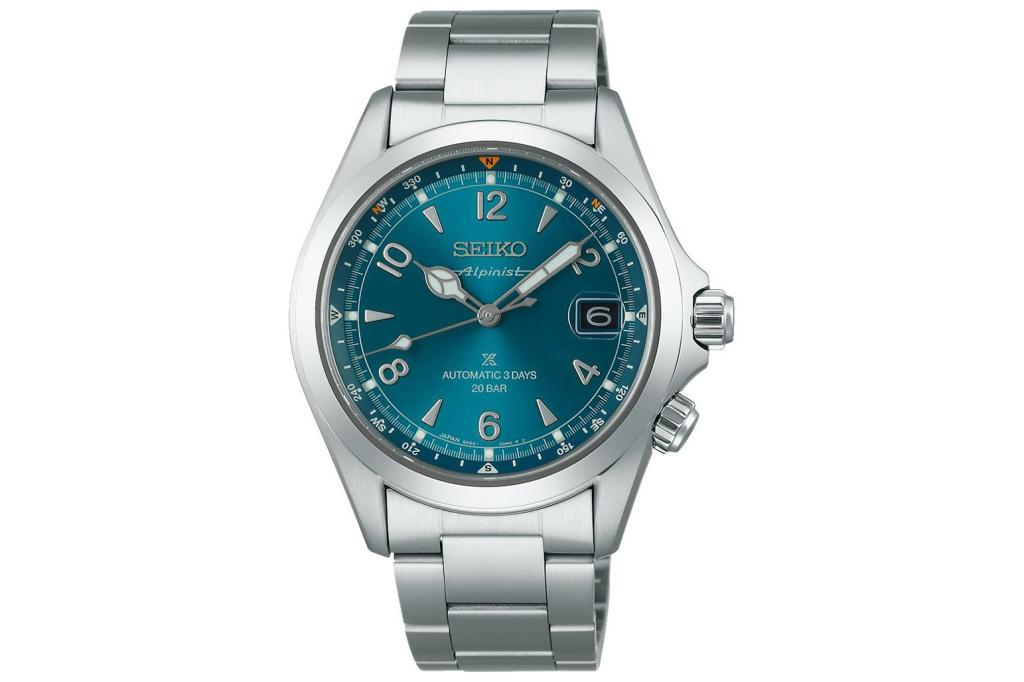
3. Seiko Alpinist
The Alpinist has been part of Seiko‘s range in various forms since the 1950s, and the modern version keeps the details that built its cult following: a sunburst dial (typically in green), an elegant case, and an internal rotating compass bezel operated by a crown at four o’clock.
It runs on Seiko’s in-house 6R35 automatic movement, which isn’t chronometer-certified but is renowned for being simple, robust, and easy to service anywhere in the world.
Why we chose it
The Alpinist’s green dial has become genuinely iconic, and the internal compass bezel is a function which is genuinely useful when you’re outdoors.
It’s also a watch you can get serviced/fixed almost anywhere, which matters more than people think when you’re relying on it a long way from the nearest watchmaker.
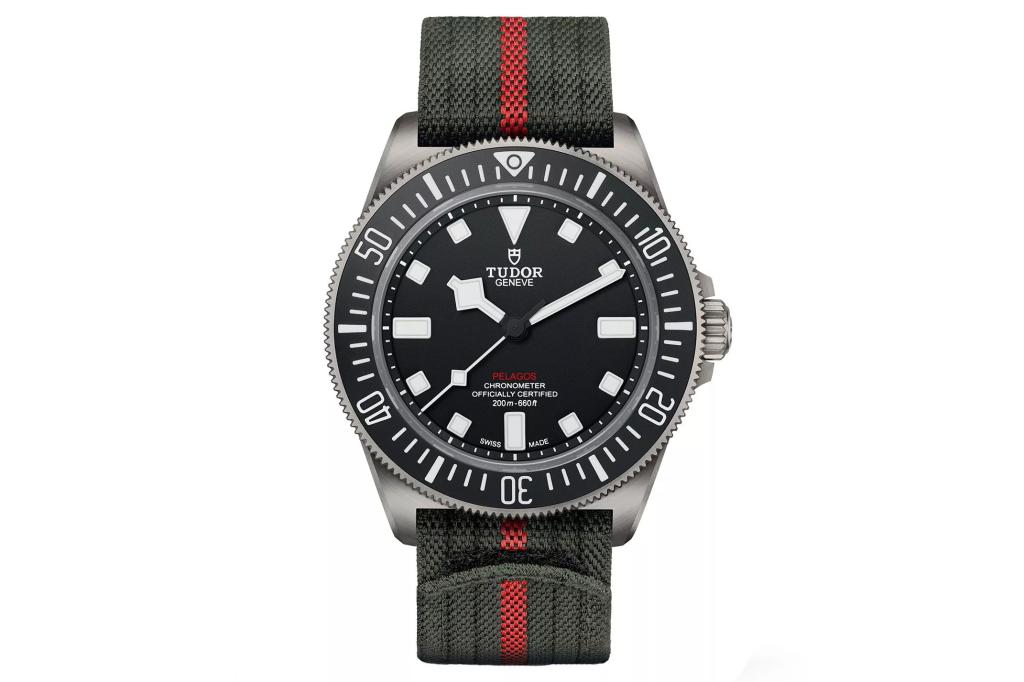
4. Tudor Pelagos FXD
I was tempted to include the Tudor Ranger in this guide, but ultimately when with the Tudor Pelagos FXD, a proper tool watch developed in partnership with the combat swimmers of the French Navy’s Commandement des Opérations Spéciales. The case is matte titanium, the strong spring bars are fixed rather than removable to prevent a strap failing at the worst possible moment, and the unidirectional bezel is designed to be operated with thick gloves on.
It’s water resistant to 200m and powered by Tudor’s in-house MT5602 movement, which carries a five-year warranty and a 70-hour power reserve.
Why we chose it
This is the watch actual professionals wear. Every feature exists because a specific unit asked for it, not because it looked good in a press shot.
If you want the most genuinely purpose-built tool on this list, rather than a watch that merely looks tough, the Pelagos FXD is it.
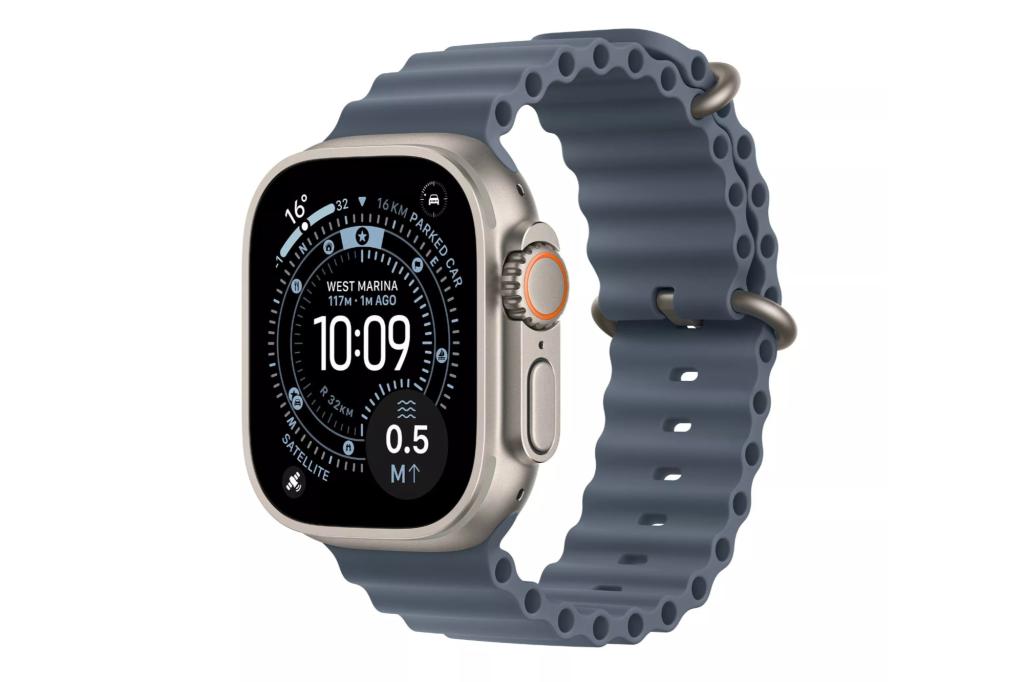
5. Apple Watch Ultra 3
Apple’s most rugged Apple Watch pairs a titanium case with a raft of outdoor-specific features: dual-frequency GPS for accurate tracking even in dense terrain, satellite connectivity that lets you send emergency messages when there’s no phone signal at all, and a case rated to 100m water resistance.
Battery life stretches to multiple days in low-power mode, and it also runs the full suite of Apple Watch health and fitness tracking, plus live route tracking that syncs back to a paired iPhone.
Why we chose it
Yes, I know all watch fans are supposed to hate the Apple Watch, but nothing else on this list can call for help when you’re stranded – the satellite messaging feature alone justifies its place here.
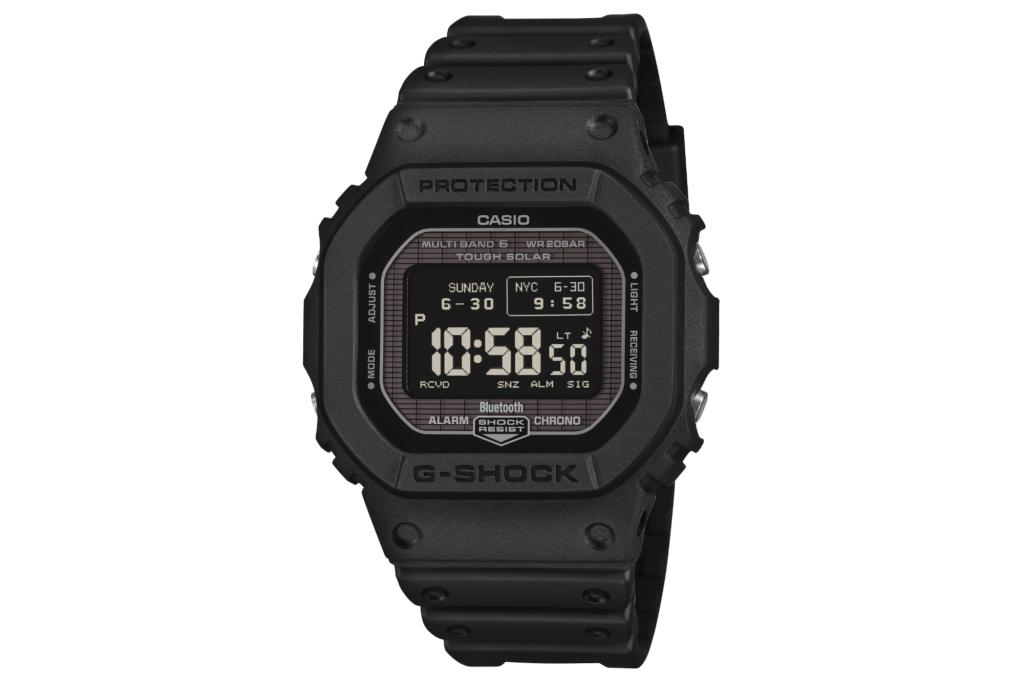
6. G-Shock GW-BX5600
Casio’s G-Shock range has built its reputation on one idea: make it nearly indestructible, then make it affordable. The GW-BX5600 takes the classic square G-Shock silhouette and adds solar charging, so the battery never needs replacing, plus Bluetooth syncing to a smartphone app that keeps the time accurate automatically (we called it the perfect G-Shock).
It carries Casio’s shock-resistant construction and a 200m water resistance rating, and the digital display packs in a stopwatch, timer, and multiple alarms.
Why we chose it
There’s a reason G-Shocks turn up on the wrists of soldiers, builders, and anyone else who needs an indestructible watch. Because they’re so capable.
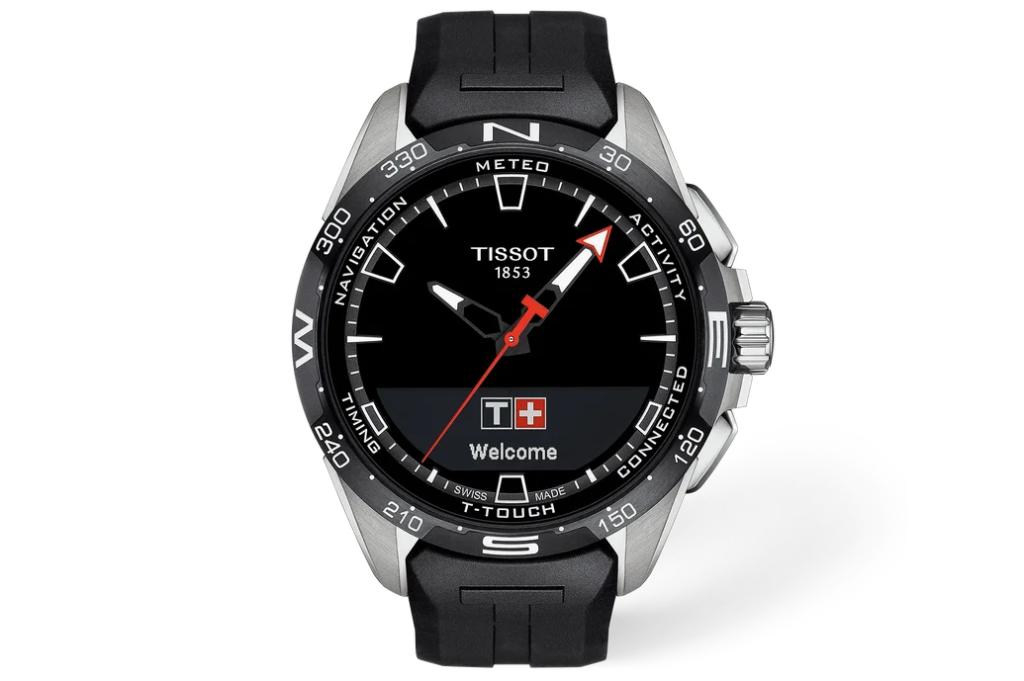
7. Tissot T-Touch Connect Solar
The Tissot T-Touch Connect Solar is an unusual hybrid watch that looks like a conventional analogue watch, but when you press the sapphire crystal, it activates a range of digital functions.
It’s got a compass, altimeter, barometer, and a weather forecast function, all powered by a solar cell so it never (or very rarely) needs charging.
It also syncs with a smartphone for notifications and can control camera shutters or find a paired phone.
Why we chose it
I own a T-Touch and it’s usually the watch I’ll grab if I’m going hiking or camping. You get the outdoor instrumentation of a Garmin with the analogue looks of a traditional watch. It’s comfortable and durable, too, thanks to its lightweight titanium case.
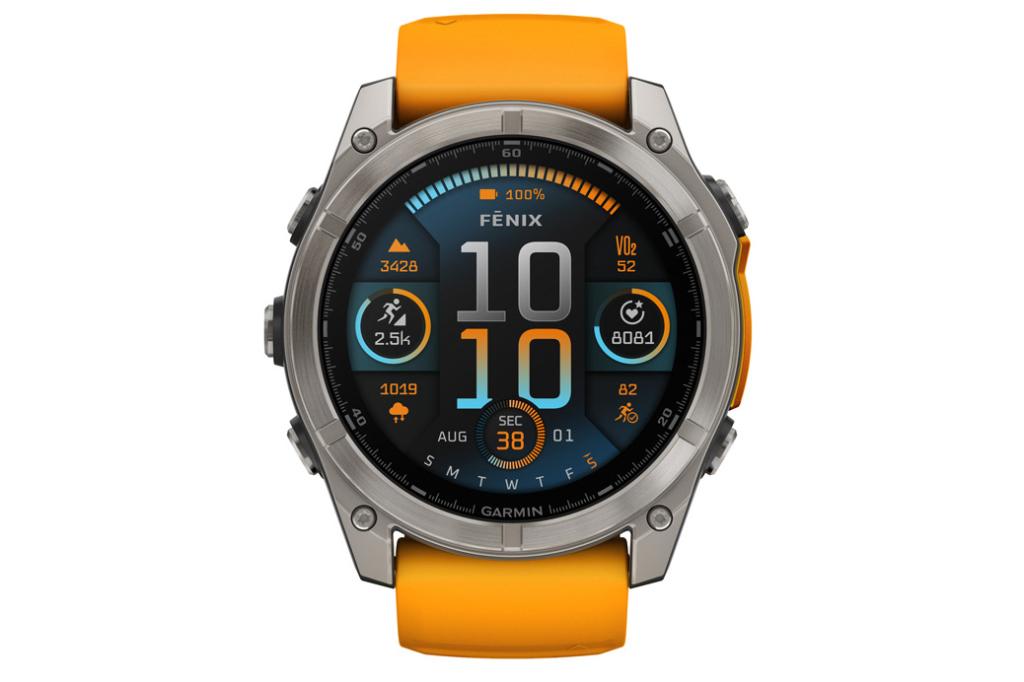
8. Garmin Fenix 8
Garmin‘s flagship outdoor watch is built for people who take their expeditions and fitness tracking seriously. It features full-colour AMOLED mapping, multi-band GPS for precise positioning even in mountains or forest, and a battery that lasts from several days to several weeks depending on which features are active.
On top of navigation, it tracks an exhaustive list of training and recovery metrics aimed at ultra-runners, climbers, and endurance athletes, and the case itself is built to military standards for shock and temperature resistance.
Why we chose it
For multi-day expeditions where you genuinely need to navigate by the watch on your wrist, nothing here matches the Fenix 8’s depth of mapping and battery endurance.
It’s the most capable outdoor computer on this list, full stop, and it’s built for people who plan to use every one of its features.
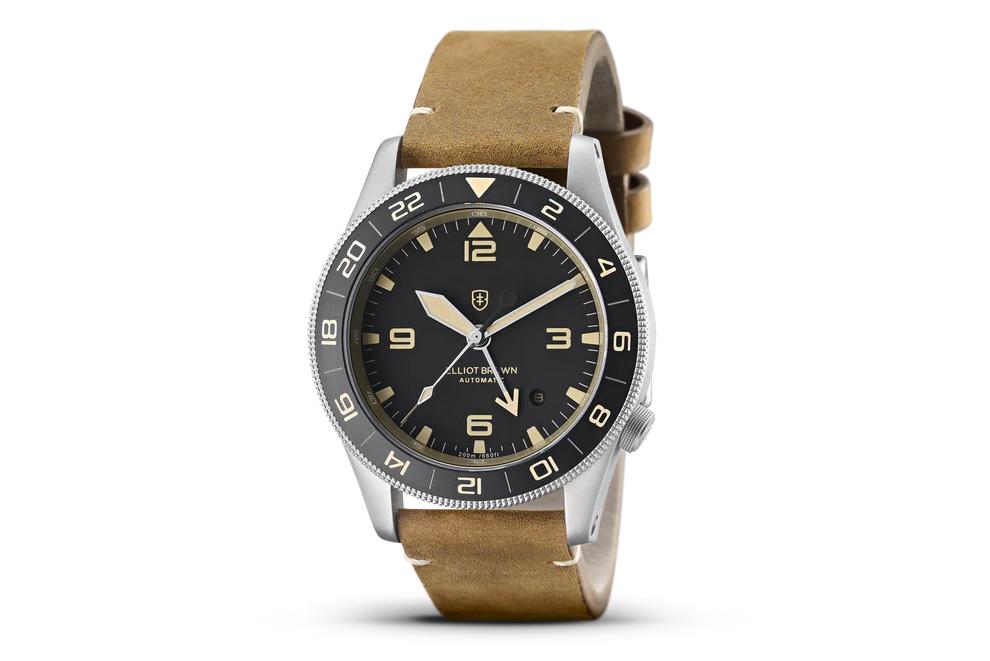
9. Elliot Brown Holton Auto GMT
Elliot Brown is a small British brand that’s built its reputation creating super-durable, rugged, no-nonsense watches (they’ve made watches for the SBS and RNLI), and the Holton Auto GMT is the perfect embodiment of that.
I own a Holton NIVO, and I genuinely feel if I threw it at a brick wall, the wall would come off worse than the watch. The case uses shock-absorbing mounts, similar in principle to those found on marine equipment, to protect the movement from impact, and it’s paired with a soft, comfortable rubber strap designed for long wear in wet conditions.
The GMT complication adds a second time zone, which is very useful for tracking home time on longer trips abroad.
Why we chose it
If you want G-Shock robustness in a more traditional case, the Elliot Brown Holton is the answer. It’s also very reasonably priced, too.
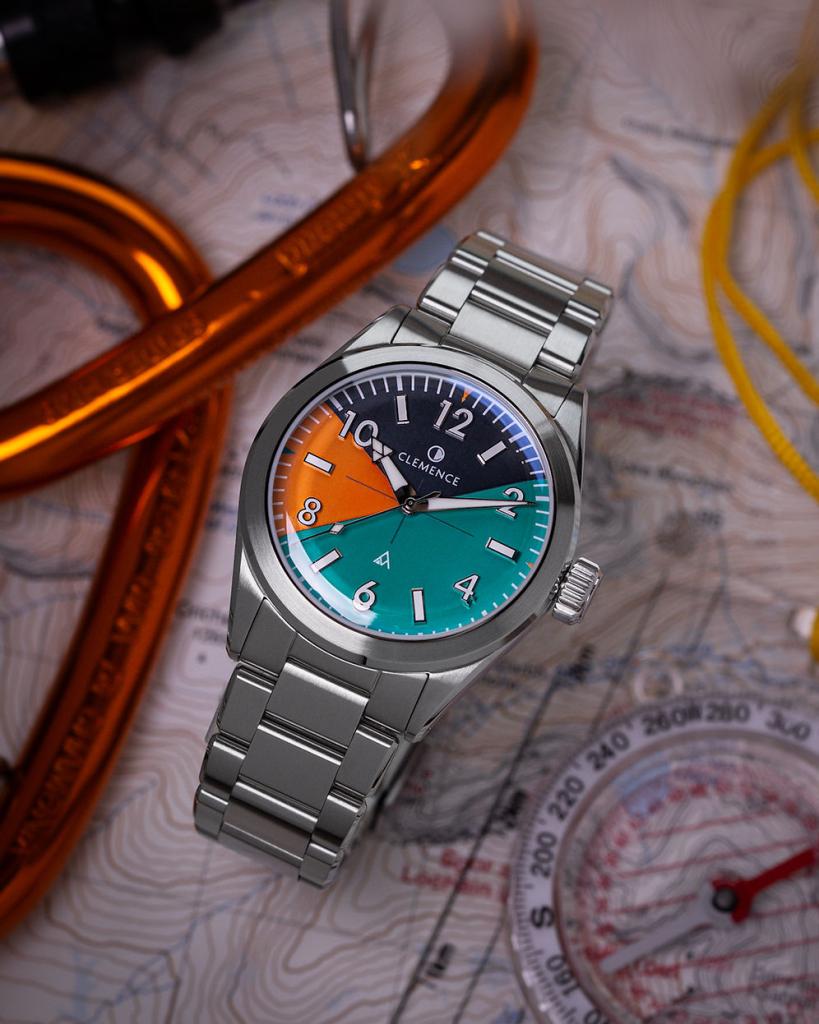
10. Clemence Munro
Clemence is one of the newer names in the field watch space and one of my favourite micro-brands around. The Munro takes clear inspiration from classic Explorer-type designs while updating the spec sheet and design for modern buyers.
It features a sapphire crystal for scratch resistance, a 150m water resistance rating, and lots of fun dial options that really modernise the watch (my favourite being the ‘Ridgeline’ dial, which uses three colours to echo the meeting of two mountain slopes).
It’s built around a high-beat Mitoya’s 9039 automatic movement, and comes in at a price considerably below the more established Swiss names.
Why we chose it
The Clemence Munro is a really great modern interpretation of the field watch. It a beautiful design and very Instagram-friendly (very important when posting all of those hiking pics online).
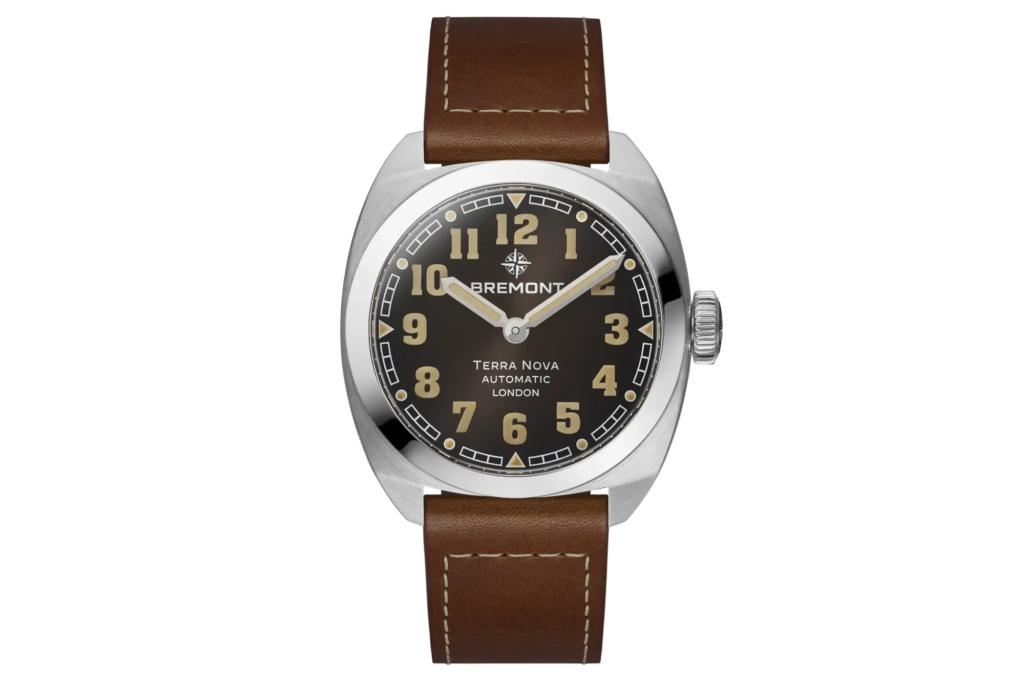
11. Bremont Terra Nova 38mm
Bremont built its name on watches for pilots, but it really got tongues wagging when it launched the Terra Nova – its take on the field watch.
The 38mm model is the Terra Nova in its purest form. It features a retro, low-profile cushion case, and the dial follows classic field watch conventions – bold numerals, high-contrast hands, plenty of lume.
Why we chose it
If you want a field watch, but don’t want one from the typical brands, then the Bremont Terra Nova range is a great place to look. My favourite is the simple 38mm model, but there are also chronograph and jump hour, and power reserve models.
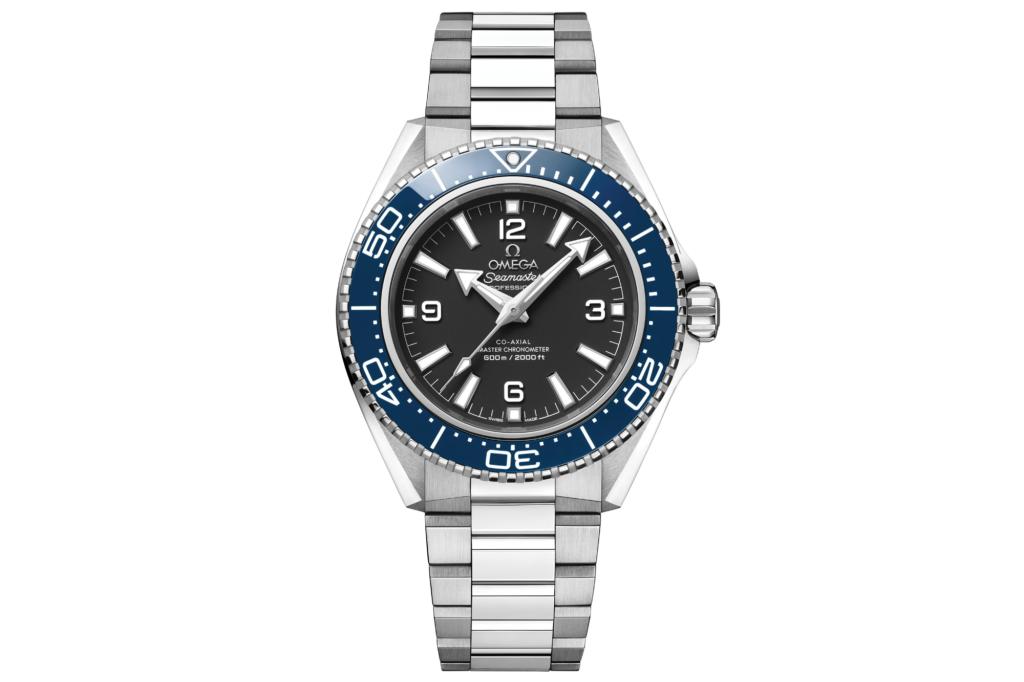
12. Omega Seamaster Planet Ocean 600m
If your expeditions are taking you underwater, you’ll want ay a dive watch rather than a field watch, and the Omega Planet Ocean earns its place here through sheer overengineering. It’s rated to 600m water resistance, far beyond what any adventure holiday demands.
Inside sits Omega’s Co-Axial Master Chronometer movement, independently certified by METAS against magnetism, shock, and precision to a standard well above typical Swiss chronometer certification. The case is built from a mix of stainless steel and, on some references, titanium, with a ceramic bezel that resists scratching.
Why we chose it
You’ll never come close to testing the Planet Ocean’s full capability on a normal trip. It’s built so far beyond what’s needed that you can forget you’re wearing something this capable, or this expensive, while you’re scrambling over rocks or wading through a river crossing.
Liked this? 7 reasons we still need mechanical watches in the age of the Apple Watch


Read the full article here
