

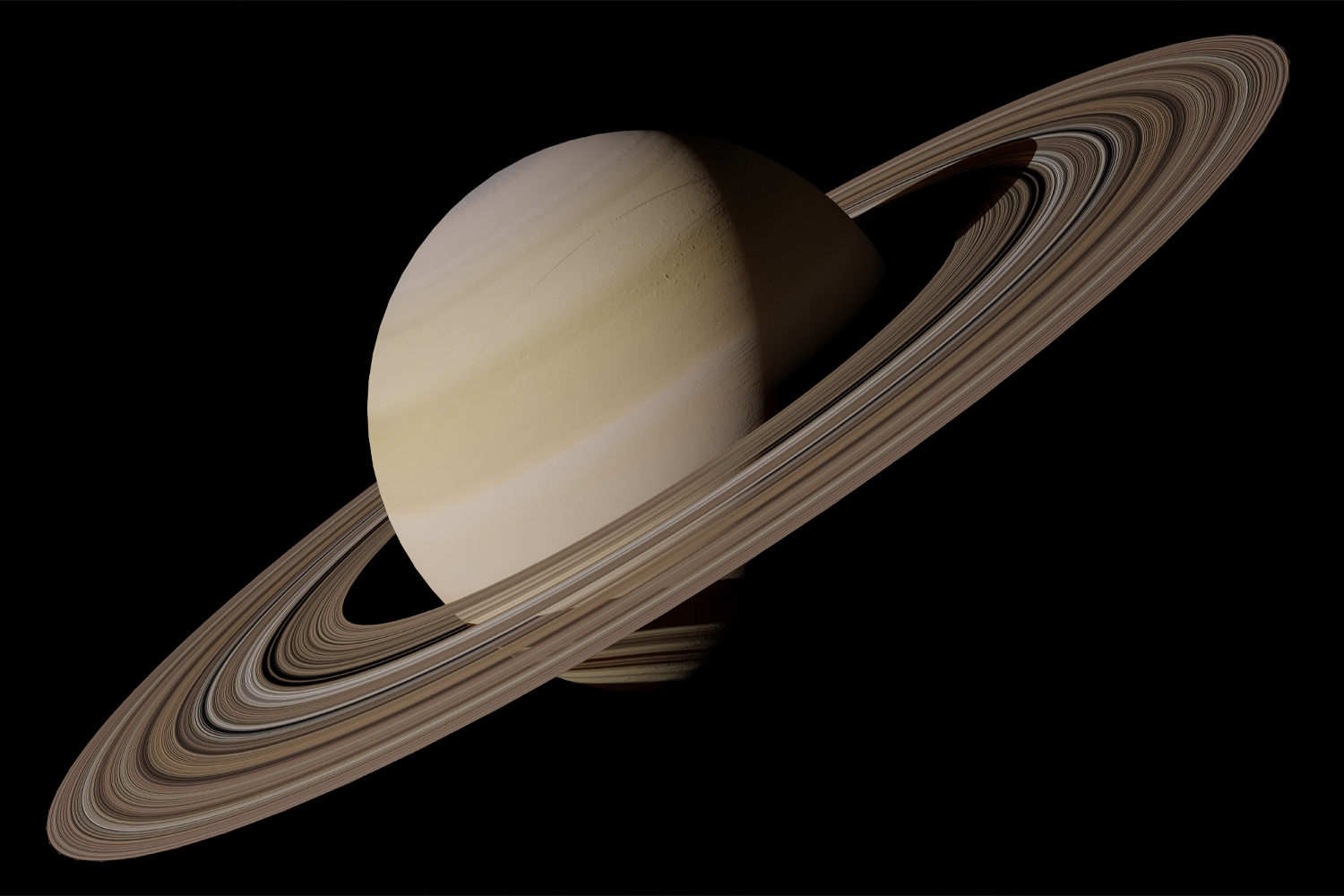
There’s something wonderfully unlikely about being able to see Saturn’s rings from your own garden. You know they’re there, obviously. But finding them through an eyepiece is a rather different proposition. Sure, you could look at a picture on your phone, but where’s the fun in that?
You don’t need an observatory to do it, either. The best telescopes (for beginners or otherwise) can reveal craters on the Moon, Jupiter’s brightest moons, and plenty more – once you’ve learnt where to point it. Choosing one is where things get a little less inviting, though, with baffling model names and magnification claims that don’t tell you much about the view.
With that in mind, we’ve picked three options at different price brackets. We haven’t gone super cheap, and that’s on purpose. If you’ve ever been burned by cheap optics before, you’ll know why. Rest assured that each one has all the important bits (like an eyepiece, for one), with the pricier models adding motors to help you find objects and keep them in view. With that said – enjoy exploring the heavens.
Sky-Watcher Heritage 130P: the best telescope for tight budgets
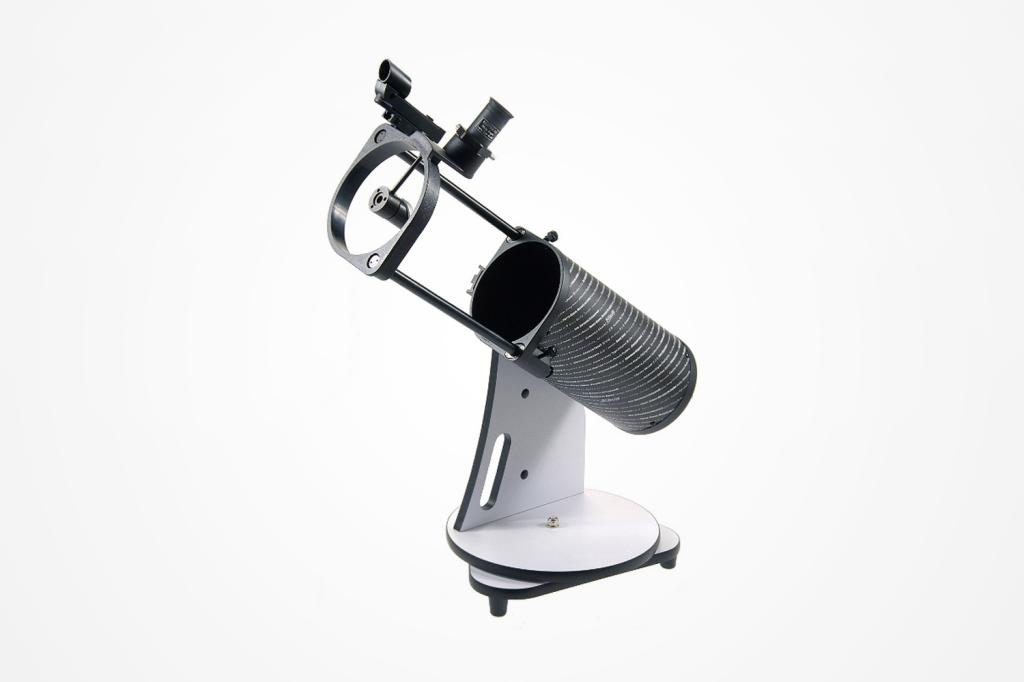
Sky-Watcher’s entry-level model keeps things simple. Its 130mm main mirror gathers light to reveal objects you can’t make out with the naked eye, while a swivel base lets you move the telescope up, down, and around by hand. There’s no app to get to grips with before you’ve even found the Moon.
That’s enough for far more than a slightly bigger Moon. Jupiter’s four brightest moons and Saturn’s rings are within reach when conditions allow, while brighter star clusters give you something to explore further afield. The two supplied eyepieces provide 26x and 65x magnification. A shorter-focal-length eyepiece is a worthwhile later upgrade for a closer look at the planets.
There’s no tripod in the box – this is a tabletop telescope, so you’ll need a solid surface at a comfortable height. You’ll also need to nudge it as your target drifts across the view, and occasionally check the mirrors’ alignment, a process called collimation.
The collapsible tube makes it easier to put away afterwards, which matters if your astronomical ambitions have to share a cupboard with the vacuum cleaner.
Sky-Watcher Virtuoso GTi 150P: the best telescope for a mid-range upgrade
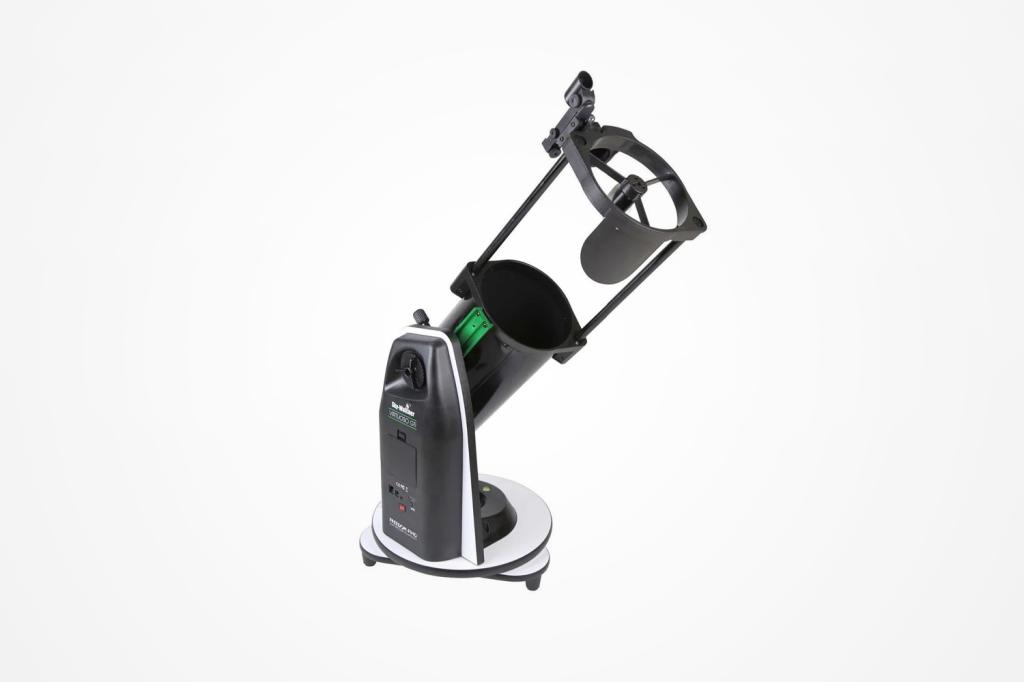
Finding a planet is satisfying. Losing it while someone else takes their turn at the eyepiece is less so. The Virtuoso GTi 150P addresses that problem with a motorised base that can find targets and track them as they move across the sky.
You control it through Sky-Watcher’s free SynScan app on your phone. There’s an alignment routine to complete first, so it isn’t quite a case of switching it on and demanding Saturn. Once that’s done, though, you can choose an object in the app and have the telescope turn towards it. Its built-in Wi-Fi makes the connection directly, without relying on a signal from your home router.
The 150mm mirror is also a step up from the Heritage’s, giving you more scope to explore fainter objects. In its review, BBC Sky at Night Magazine reported views of Jupiter’s cloud bands and moons, along with targets including the Andromeda Galaxy and Orion Nebula.
It still needs a sturdy tabletop or a suitable optional tripod, plus eight AA batteries or an external 12V supply. But automatic tracking is a particularly useful upgrade if you’re sharing the view with family – or would simply rather spend longer looking than adjusting.
Celestron NexStar 8SE: the best premium telescope
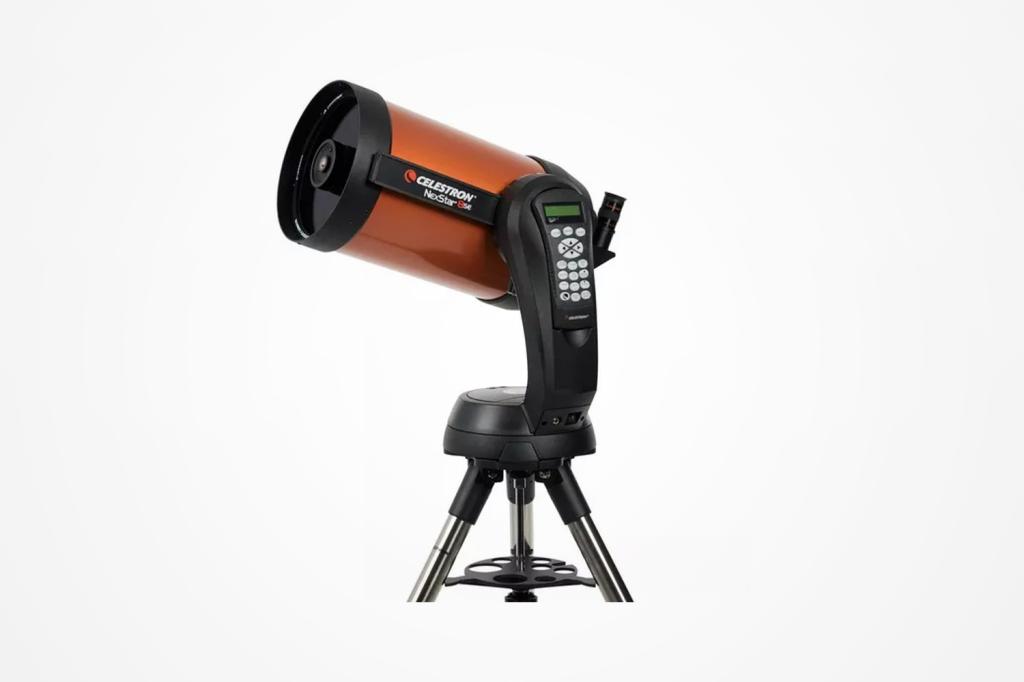
If stargazing has progressed from occasional curiosity to checking the cloud forecast every evening, the NexStar 8SE gives you considerably more telescope to work with. Its 203.2mm aperture – the diameter of its main light-gathering opening – offers greater potential for fine planetary detail and fainter objects than either Sky-Watcher.
Jupiter’s cloud belts and tightly packed star clusters are good reasons to make the jump. How much detail you’ll see still depends on the atmosphere and your observing conditions, so a bigger telescope won’t rescue every night.
Celestron folds the light path inside a relatively short tube, keeping the whole thing more manageable than its specifications might suggest. A tripod is included, and the supplied handset lets you select targets for the motorised mount to find and follow. Its SkyAlign setup involves centring three bright objects in the eyepiece before you get going.
At around 14.5kg for the complete kit, this is a more substantial purchase in every sense, although it comes apart for transport. You’ll also need batteries or a suitable external power supply. The included eyepiece gives 81x magnification, with the option to add a higher-power one later for closer planetary views.


Read the full article here
