

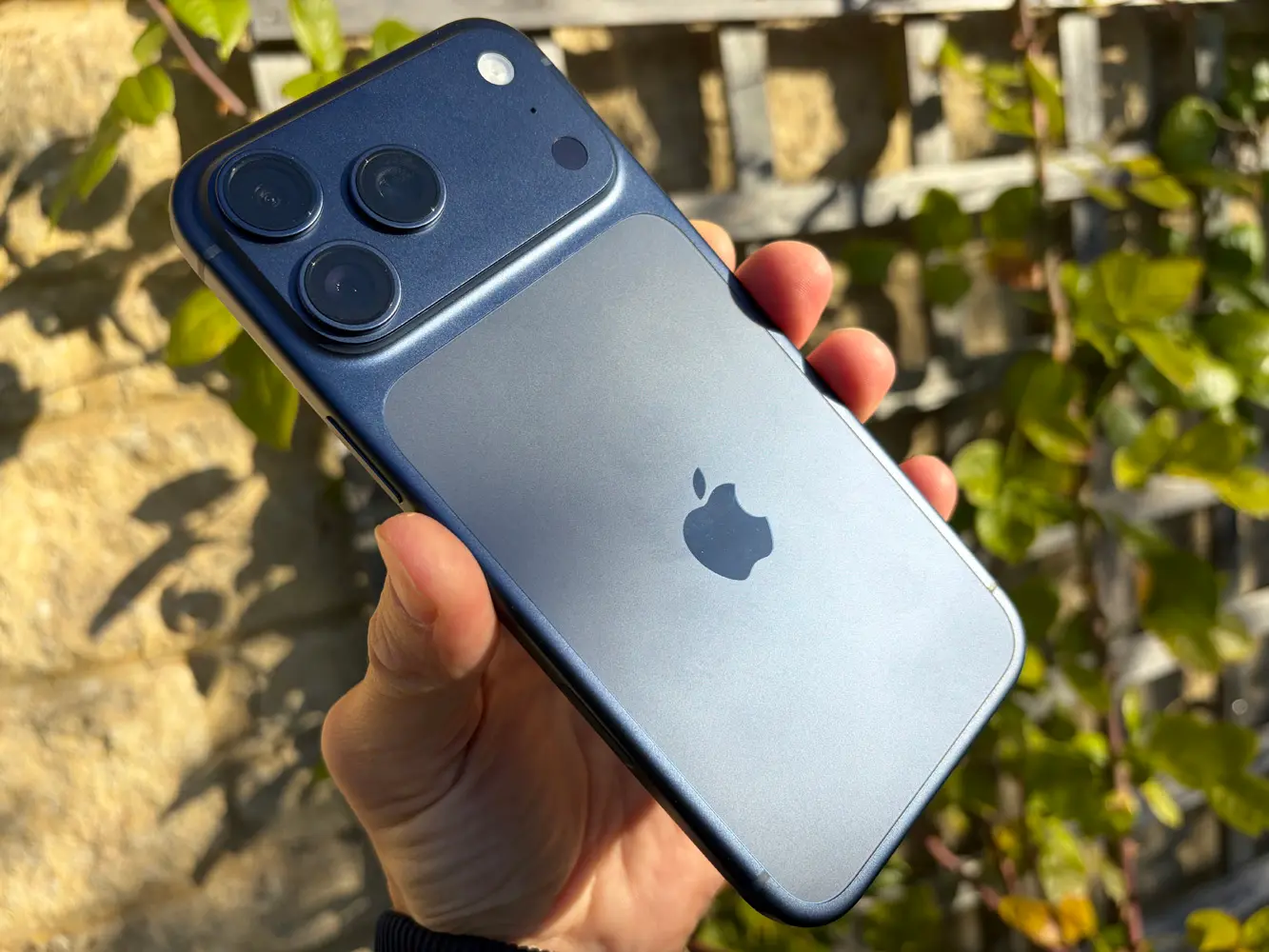
The iPhone 18 Pro Max is a likely contender for our list of the best smartphones when it launches later this year – and the rumours about Apple’s next flagship refuse to die down.
The latest whisperings come in the form of new dummy units of the upcoming iPhone 18 Pro Max, which suggest a thicker camera bump and lenses that stick out more than the previous generation.
Shared by YouTuber Vadim Yuryev of Max Tech, the mock units are based on leaked dimensions from Apple’s supply chain – the kind typically used by case makers ahead of launch. And if these models are even close to accurate, the camera hardware could be getting a physical upgrade.
Side-by-side comparisons with the iPhone 17 Pro Max dummy show a familiar overall shape, but a bulkier camera housing. The lenses themselves also appear to stick out more. Yuryev describes the cameras as “much thicker”, with the glass sitting higher than before.
More detailed measurements point in the same direction. The total thickness of the iPhone 18 Pro Max – including the camera plateau – is said to be around 11.54mm, compared to roughly 11.23mm on its predecessor. Including the lens protrusions, that figure reportedly rises to about 13.77mm versus 12.92mm. That certainly suggests a noticeable increase – but again, these are based on unconfirmed dummy units, not final hardware.
So why the added bulk? That’s where things get interesting. Earlier rumours have pointed to more advanced camera hardware on the Pro models, including a possible variable aperture main sensor – something that could allow for more control over light intake, depth of field, and exposure. There’s also talk of a wider-aperture telephoto lens for improved low-light zoom, plus a new stacked image sensor that could boost dynamic range and reduce noise.
None of those upgrades have been definitively linked to a larger camera module. But in general, bigger sensors and more complex optics tend to need more space – so a thicker bump could be a trade-off rather than a drawback.
As ever with early leaks, nothing here is set in stone. But if a slightly chunkier camera housing ends up delivering noticeably better photos, it might be one compromise most people are happy to live with.

Read the full article here
