


Are you looking to upgrade your smartphone or trade up to a new laptop soon? This may not be the best time to do it. 2026 is already a turbulent year for tech, but price rises are coming thick and fast. Games consoles, TVs, smart home kit and even new cars are set to leave more of a dent in your wallet than they otherwise would.
The memory modules used by pretty much every consumer gadget are in short supply, which has pushed up wholesale prices on the remaining production capacity. Manufacturers are now going to pass those higher prices onto you. Apple is the latest to adjust prices across pretty much its entire lineup, with some Mac computers leaping by a massive $1300.
Here’s what’s causing the cost increases and which gadgets stand to be most affected. I’ve also got a few tips on how to avoid overpaying for your tech this year.
Why is tech more expensive in 2026?
It’s all AI’s fault, essentially.
The tech industry’s obsession with artificial intelligence has created a gold rush, with investors sending stock prices stratospheric. Nvidia is now the world’s most valuable company, being valued at a ludicrous $4.7 trillion; it makes over ten times more from AI hardware than it does from consumer graphics cards.
That unprecedented investment has let AI-related businesses build bigger and more powerful data centres. All those servers need memory – lots and lots of it. Firms with the funds have been able to hoover up the world’s supply of DRAM and NAND modules (the memory chips used for memory and flash storage) leaving the consumer tech world to fight over the scraps.
In the past few months alone, the price of RAM modules has reportedly increased by several hundred percent.
The increased demand for – and higher margins of – enterprise-grade hardware has in turn made memory manufacturers like Micron, Samsung and SK Hynix shift their production away from consumer chips. Samsung’s semiconductor division reportedly refused a RAM order from its own Electronics subsidiary for the new Galaxy phone range, while Micron folded its Crucial brand entirely, ending a 30 year run of PC gaming RAM and SSDs.
What sort of gadgets will cost more?
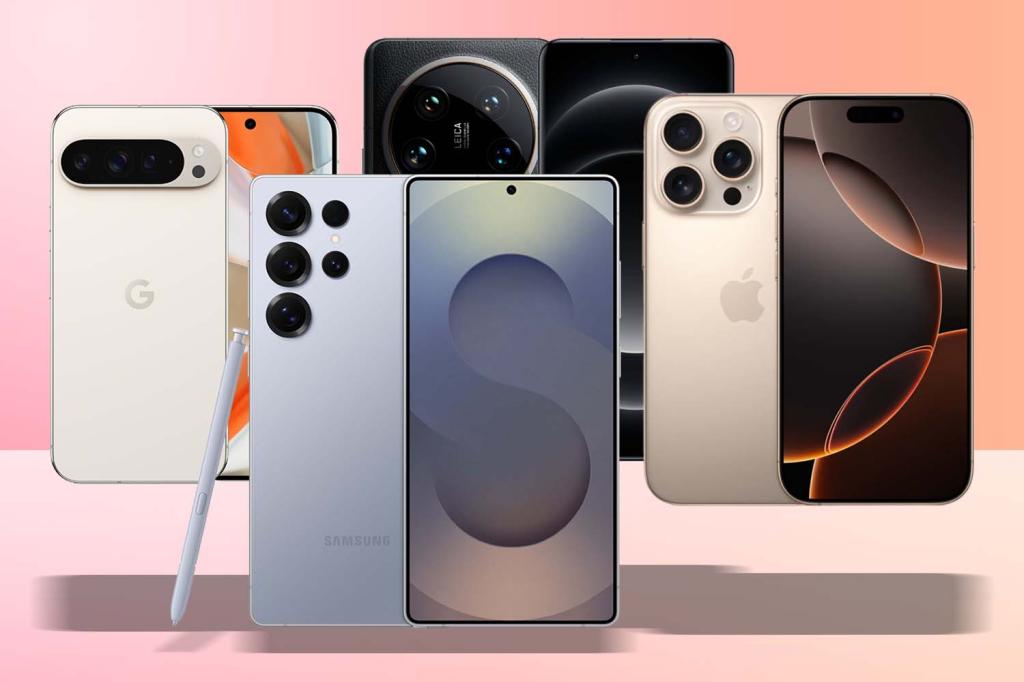
Pretty much all of them. Smartphones and laptops felt the pinch immediately, as memory and storage make up a considerable portion of their bill of materials (BOM): as much as 20% in a mid-range mobile, or 15% in a flagship, according to industry analysts IDC.
In June Nothing announced it wouldn’t make a successor to the CMF Phone 2 Pro as component prices made it impossible to build a new phone that was meaningfully better than the old one while sticking to the same wallet-friendly price.
The biggest brands like Apple and Samsung likely have long-term deals with memory makers guaranteeing supply through 2026, so it could be 2027 before consumers really feel the pinch. It does mean the Galaxy S26 and iPhone 18 models are unlikely to see RAM or storage size increases from the current generation, though, in order to stretch that supply as far as possible.
PC hardware, games consoles and gaming handhelds all rely heavily on memory modules. Some consumer DDR5 memory kits now cost three to four times their pre-AI bubble RRPs. Desktop graphics cards carry equally eye-watering price tags. Smaller brands and DIY computer builders are some of the hardest hit, but even industry heavyweights have felt the pinch.
Sony raised the price of every PlayStation 5 variant in March, while Nintendo at least gave gamers a heads up that the Switch 2 would cost more from September 2026. Rumours suggest the next-gen PlayStation and Xbox consoles could be delayed from an expected 2027-2028 launch window while the firms wait for prices to stabilise. Valve had to confirm its more expensive Steam Deck OLED wasn’t an all-new model and its PC-based Steam Machine hardware landed at a much higher price than originally planned.
Even Apple felt enough of a pinch to hike prices almost universally in June, with iPads, MacBooks, HomePods and the Vision Pro headset all seeing increases.
You should also expect TVs to feel the impact. There could even be a double-whammy where new models cost more and the outgoing sets don’t see any significant price reductions.
When will technology prices stabilise?
There’s no end in sight currently. While memory manufacturers are racing to build new production facilities that can meet demand, they won’t be fully up and running for at least another year. It’s predicted to take a further six months before their output will meaningfully affect supply.
That could mean multiple years of higher prices, unless the AI bubble bursts. There’s no sign of that happening any time soon.
How to avoid paying extra for tech in 2026
The obvious answer is to avoid upgrading your gadgets until memory prices and availability stabilise. If you can eke another year of use from the smartphone currently in your pocket, things might have improved by the time you come to replace it.
If that’s not an option – maybe your battery has bitten the dust or your screen is so cracked now you can barely make out your incoming messages – consider buying a 2025 handset instead. There are some proper bargains to be had if you shop around.
With no new graphics card generation yet, PC gamers might want to dial the graphics settings down on their games rather than replace their GPUs. The latest processors from Intel and AMD also only offer slightly faster performance than the outgoing chips (outside of AI performance, which you might not even care about), so there’s not as much to gain from buying new components as there has been in previous years.
Shopping second-hand could also be an option. Let someone else swallow the increased costs on new components, and buy their old kit for a more reasonable price.


Read the full article here
