

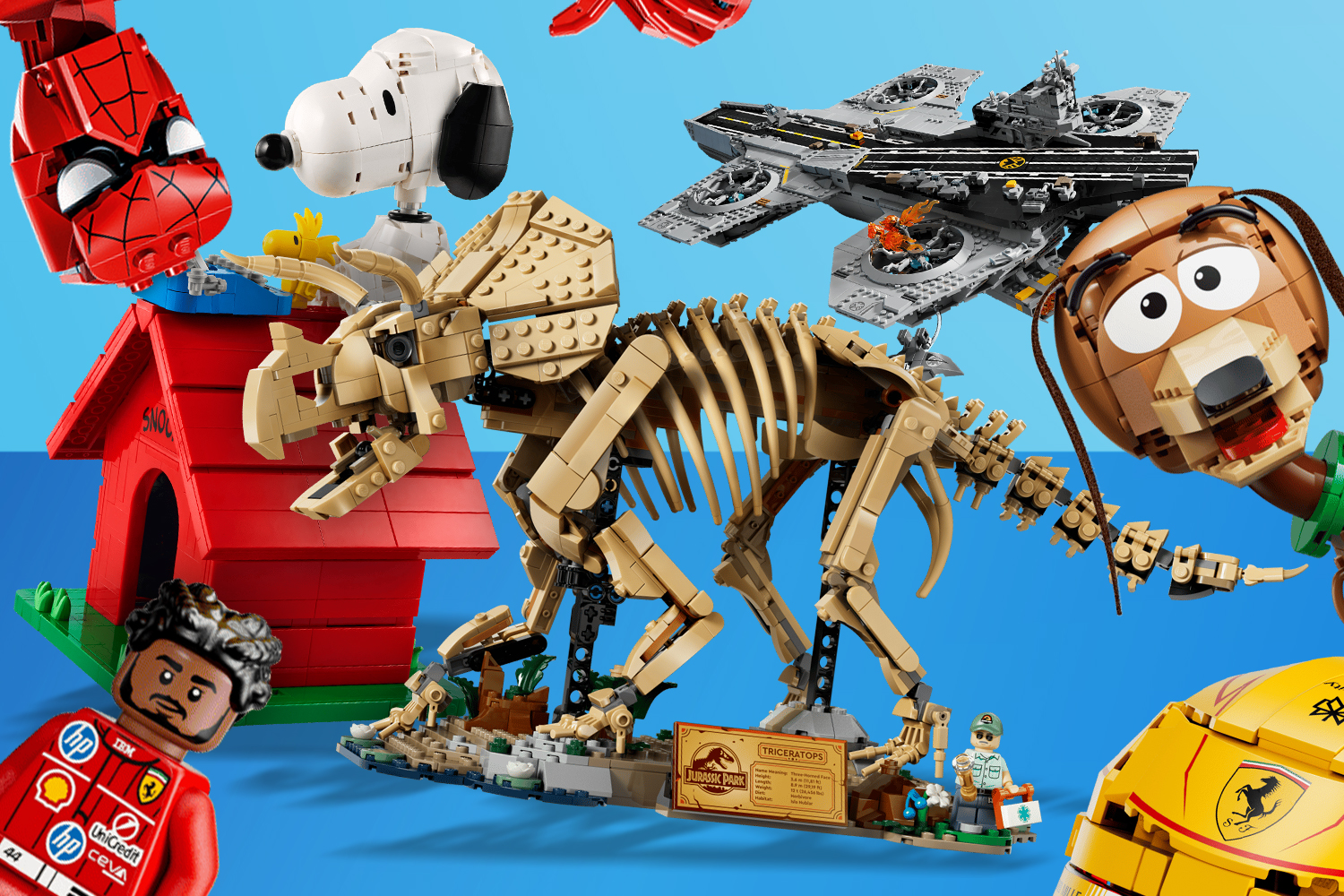
Ever been tempted to buy two copies of a Lego set – one to build and another to hide in the loft? Then you’re as smart as you look. And you’re far from alone.
Buying sealed Lego sets in the hope that they’ll become more valuable has become a hobby in its own right. Collectors follow retirement dates, compare resale prices, and try to predict which of today’s releases will become tomorrow’s sought-after classics.
And it isn’t entirely wishful thinking. Some retired Lego sets really have risen spectacularly in value. The catch is that plenty of others haven’t, so choosing the right box of bricks is considerably harder than simply buying something and waiting. Welcome to the world of flipping.
So, does Lego for make a good investment? Let’s take a look at some of the latest resale figures to find out.
Can you really make money from Lego?
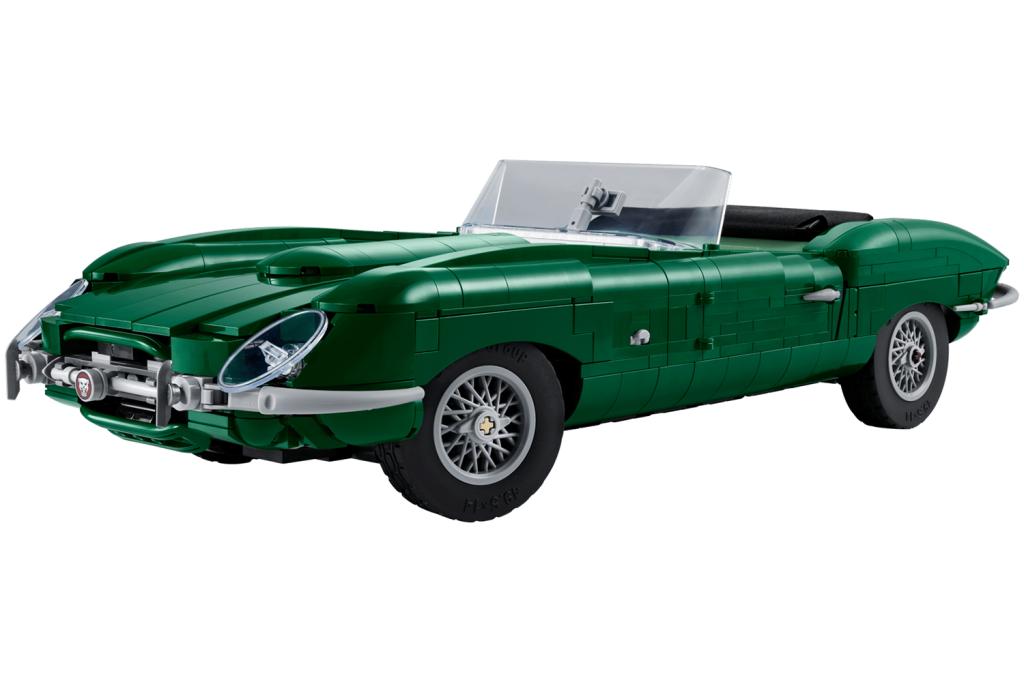
Yes. But there are no guarantees. A widely cited academic study – Lego: The Toy of Smart Investors – examined unopened Lego sets sold between 1987 and 2015 and calculated an average annual return of at least 11% across its sample. That’s an impressive historical result, although it certainly doesn’t mean every Lego set rises by 11% each year or that modern releases will perform in the same way.
More recent figures tell a similar but less sensational story. BrickEconomy – a comprehensive site which estimates secondary-market values across thousands of sets, reported average annual appreciation of 6.4% across the 18200 sets it tracked in May 2026. Performance varies enormously, however, and the biggest winners can make the overall market look healthier than the many sets that produce far less exciting returns.
Take the original Café Corner. Released in 2007 for $139.99, sealed examples have recently averaged well over $1700 on the secondary market. That’s an extraordinary increase, but Café Corner is also one of the earliest and most desirable Modular Buildings – not a typical result you should expect from every set on a Lego Store shelf.
The broad answer, then, is that Lego can make money. Buying random sets and assuming they’ll all become valuable is another matter entirely.
Why do retired Lego sets go up in value?

Most Lego sets aren’t produced forever. Lego eventually stops making older models to create space for new releases, at which point the set is described as retired. The company even maintains a “last chance to buy” section for models approaching the end of their retail lives.
Once that happens, the supply of unopened examples can only shrink. People build them, boxes get damaged and remaining stock gradually disappears into private collections.
If buyers still want a set after shops have sold out, they have little choice but to turn to marketplaces such as BrickLink or eBay. Strong demand and a dwindling number of sealed boxes can then push the price upwards.
Retirement alone isn’t enough, though. If few people want a set when it leaves shelves, scarcity won’t suddenly make it valuable.
Which Lego themes tend to hold their value best?
There’s no single theme that guarantees a profit, but some have produced stronger resale results than others.
Star Wars
It’s hardly surprising that Lego Star Wars has one of the largest collector markets. The range combines two enormous fanbases, and it includes everything from inexpensive vehicles to huge Ultimate Collector Series display models.
BrickEconomy’s 2026 report estimated average yearly growth of 8.2% across the theme, but results differed considerably from one set to another. Popular ships, unusual minifigures and harder-to-find collector models can perform strongly, while the existence of countless X-wings, Millennium Falcons and TIE Fighters means buyers also need to consider the possibility of future remakes.
In other words, the Lego Star Wars badge helps, but it doesn’t automatically turn every set into a winner.
Modular Buildings
The Modular Buildings collection has a particularly devoted following.
Lego has released these detailed, connectable buildings since Café Corner arrived in 2007. Because each model can become part of a larger street, collectors who discover the range later often want the retired buildings they missed. That continuing desire to complete the collection helps explain why several early entries now command high prices.
Even here, though, buying price matters. A set purchased during a sale has a much easier route to profit than one bought from a reseller after it has already started appreciating.
Ideas
Lego Ideas sets begin as fan submissions before being selected for an official release. The resulting range covers everything from film and television licences to instruments, machinery and original display models.
That variety means performance is uneven, but the strongest Ideas sets often have a distinctive concept that Lego may never reproduce in quite the same way. BrickEconomy estimated average yearly growth of 10% across the Ideas theme in June 2026, making it one of the stronger modern ranges in its database.
That doesn’t mean every Ideas set is worth stockpiling,mind. But it could suggest that memorable subjects with plenty of adult appeal could retain interest after retirement.
Icons
Lego Icons includes many of the company’s larger adult-focused sets, including vehicles, landmarks, Modular Buildings and major display pieces.
These models can appeal to people beyond the usual Lego audience, particularly when they recreate a famous car or instantly recognisable building. Ongoing collections like the Modular Buildings and Winter Village ranges may also encourage buyers to hunt down older entries.
The downside? Sets are often large and expensive, so they require more money upfront, more storage space, and potentially much higher postage costs when the time comes to sell.
What makes one set more valuable than another?
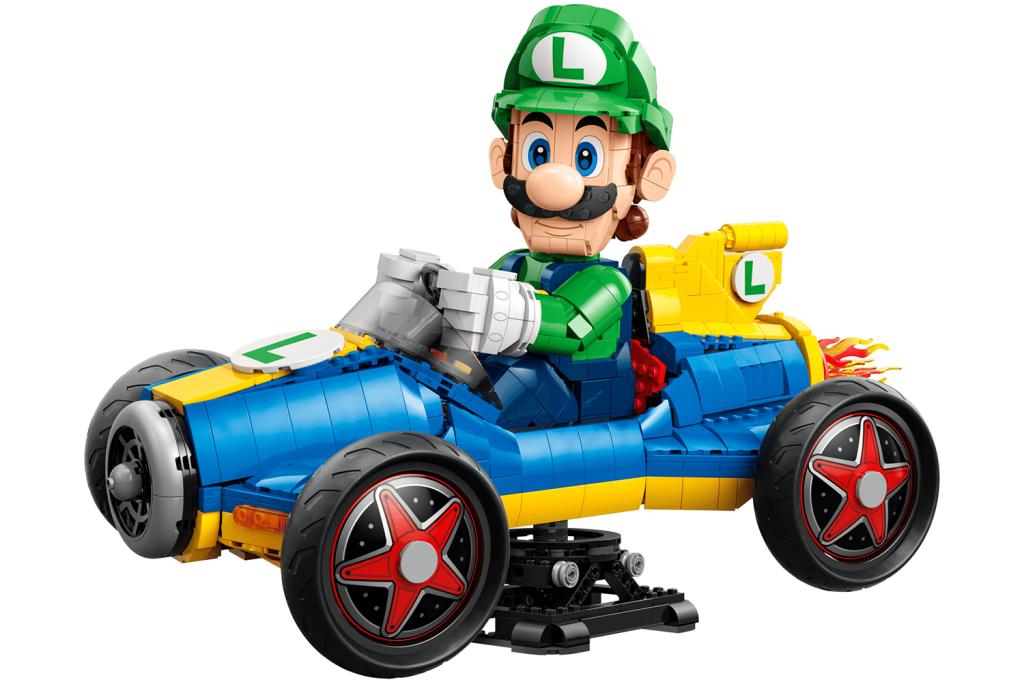
There’s no bulletproof formula (is there ever?), but the best-performing sets often share a few characteristics.
A familiar licence can, of course, create a large pool of potential buyers, although the individual model still needs to be desirable. Also, (and not to cause any offence), many fanbases are riddled with awful, awful people that ruin it for the quiet, sensible, and lovely majority.
Having said all that, Adult-focused display pieces can also remain relevant for longer than sets primarily designed for short-lived play trends.
Exclusive minifigures can also sometimes make a major difference. BrickEconomy’s list of the most valuable retail sets from the past decade is topped by a version of the Lego Star Wars Resistance Bomber containing the rare Finch Dallow minifigure, showing how one unusually scarce character can transform the value of an otherwise familiar set. It’s an extreme outlier rather than something buyers can reliably predict, but it demonstrates how much collectors value rarity.
Originality matters too. A distinctive set without an obvious modern replacement may be more attractive than another version of a vehicle or building Lego regularly revisits.
Most of all, though, people need to keep wanting it. A rare set nobody cares about is still a difficult thing to sell.
The golden rule: don’t open the box
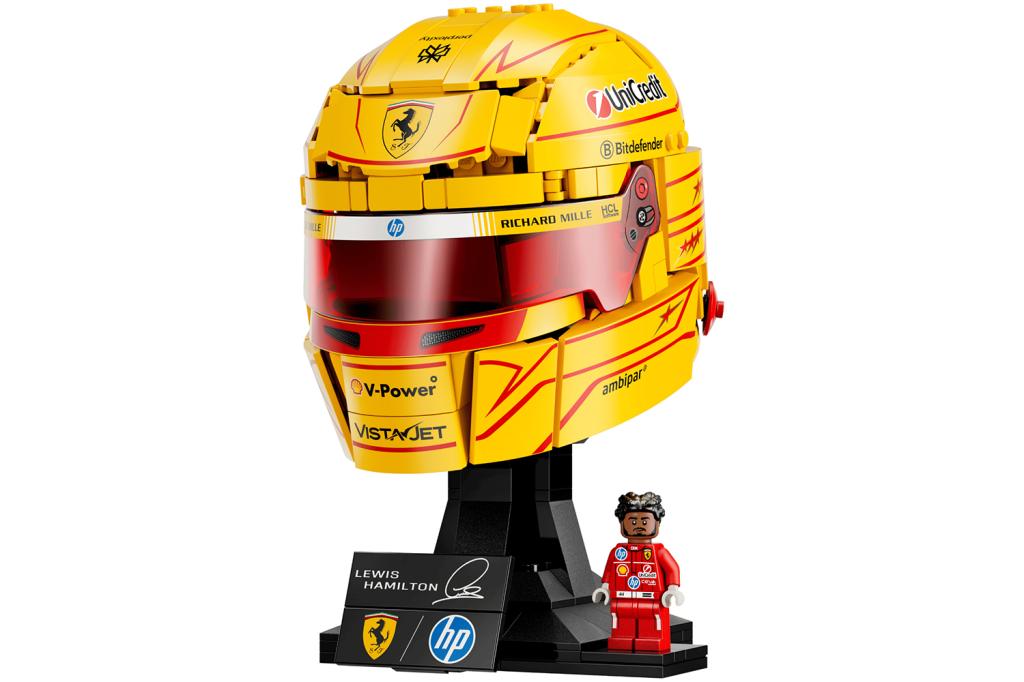
There’s nothing wrong with building your Lego – that is what it’s for, after all – but an opened set generally won’t command the same price as a factory-sealed example.
Collectors buying an unopened set know that its pieces, stickers and instructions should all be untouched. There’s also a smaller and steadily shrinking supply of sealed examples as the years pass.
The outer box matters as well. Crushing, fading, water damage, torn seals and large shop stickers can all make a set less desirable. That means prospective investors need somewhere dry and protected to store what may be a surprisingly large pile of cardboard.
It also creates a slightly ridiculous situation in which the Lego sets most likely to make money are the ones you never get to enjoy building.
The hidden costs of Lego investing
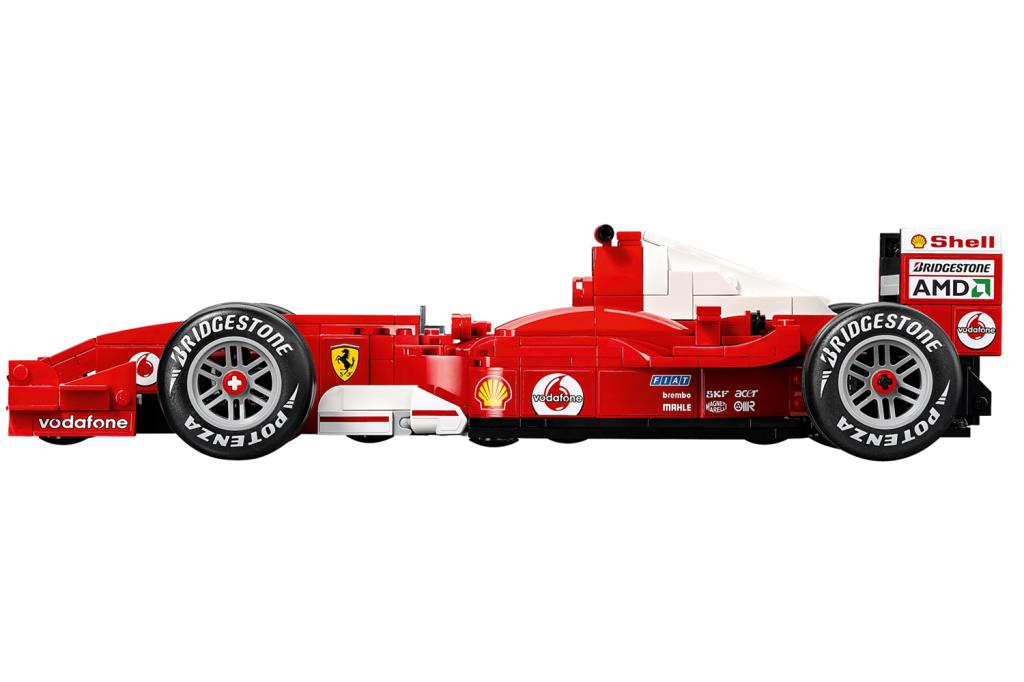
A set doubling in value doesn’t necessarily mean you’ve doubled your money.
Marketplaces may charge selling or payment fees, and postage can take a substantial bite out of the price of a large, heavy set. Expensive items may also need insurance, careful packaging, and protection against buyers claiming that a box arrived damaged.
Storage isn’t free either, even when the boxes are sitting in your own home. A handful of smaller sets might fit in a cupboard, but collecting large Icons or Ultimate Collector Series models can quickly consume an entire spare room.
There’s also inflation to consider. Selling a £100 set for £130 several years later sounds like a profit, but that money may not buy any more than the original £100 did when you first bought it.
Perhaps most importantly, your money can remain tied up for years. Some sets appreciate quickly after retirement, while others sit close to their original price for a long time. There’s no guarantee that waiting longer will eventually produce a worthwhile return. And that’s all, by the way, without mentioning the headache of dealing with tricky, particular buyers on Facebook Marketplace. Shudder.
So, is Lego a good investment?
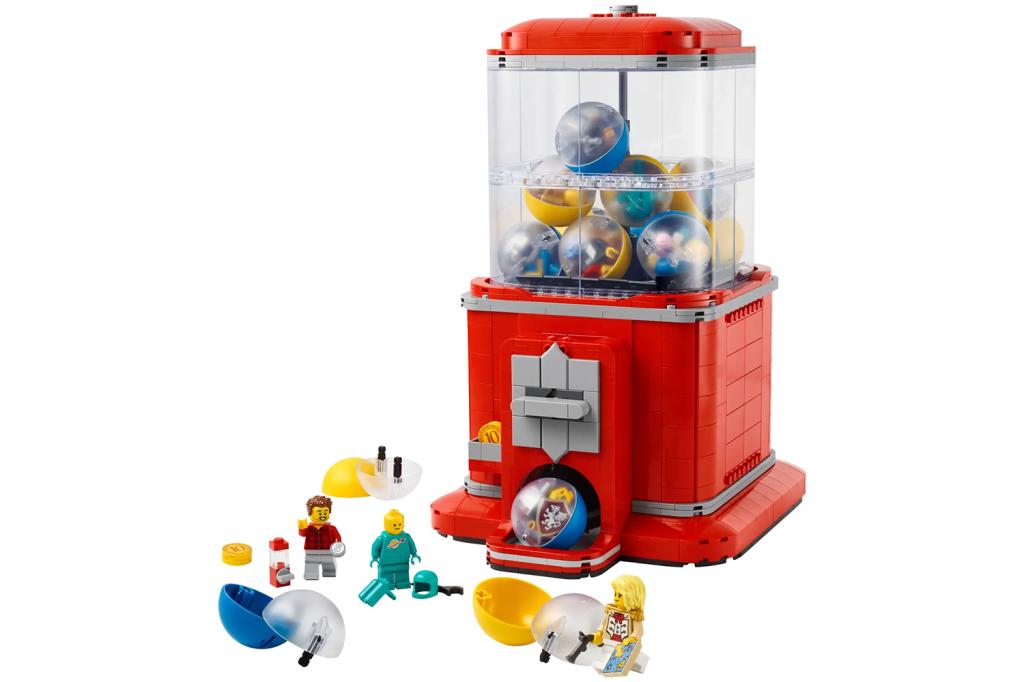
Lego can be a decent target for venture-seeking cash, provided you choose well, buy at a sensible price, and are willing to wait.
The resale market proves that certain retired Lego sets can become significantly more valuable. Popular collector ranges, distinctive designs and scarce items have produced some remarkable returns.
But the spectacular examples are exactly that – spectacular examples. They shouldn’t be mistaken for the normal outcome of buying whatever happens to be retiring next.
Lego also lacks many of the conveniences of a conventional investment. It takes up physical space, can be damage, and must eventually be photographed, packed and sold to another person. There are no dividends along the way, and nobody can promise that collectors will want your chosen set in five or ten years.
Buying Lego purely to make money is therefore a gamble rather than a dependable financial plan. But for someone who already enjoys collecting, carefully choosing sets and keeping them in good condition could add a profitable bonus to the hobby.
Just be prepared for the hardest part of all – resisting the urge to open the box.


Read the full article here
