

For 27 years, Concorde made a mockery of time. Leave London, cross the Atlantic at twice the speed of sound, and land in New York before your watch caught up with the time difference, arriving (on paper) before you’d even technically left.
Then, in October 2003, its time was up. Concorde flew its last commercial route – BA002 from JFK to London – and was wheeled into retirement, done in not by a lack of ambition but by a multitude of problems.
Over two decades later, three separate programmes believe they’ve identified where Concorde went wrong and are working to bring back supersonic travel. But can they do it and give us the chance to fly supersonic again?
The problems with Concorde
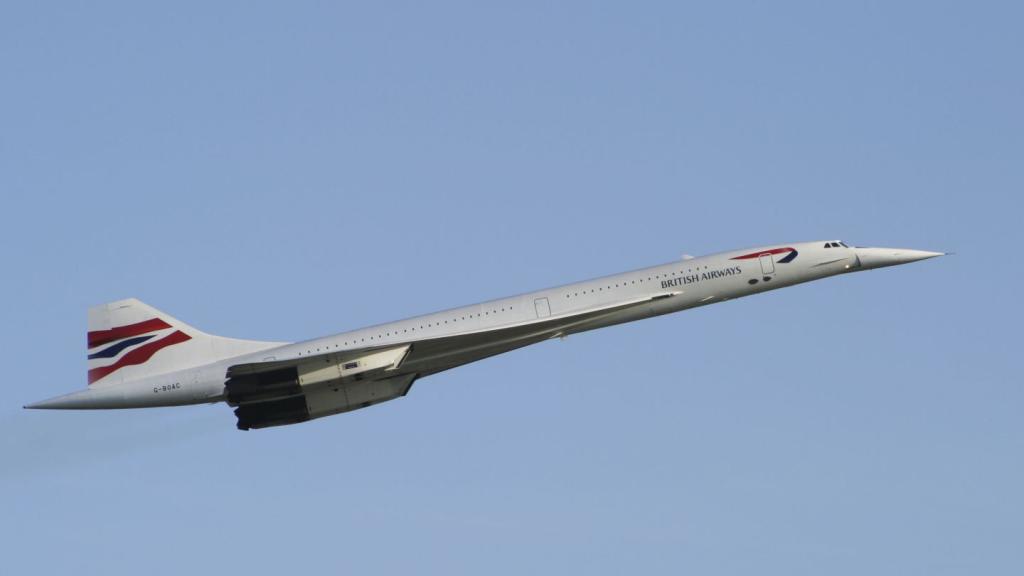
Mention Concorde’s demise, and most people, understandably, jump straight to the Air France crash in 2000, which killed 113 people and destroyed public confidence in the supersonic jet. It was a tragedy and a turning point, but it wasn’t what really killed Concorde. Instead, it was the final nail in its coffin, accelerating a retirement that was already looming. The real killers were problems that had been chipping away for decades.
Killer number one was noise, specifically the sonic boom. That’s the shockwave a plane leaves behind when it outruns its own sound, and Concorde’s was loud enough to shatter windows. The BBC reported in 1971 that the National Trust said 44 panes of glass at Trerice Manor in Cornwall were damaged by the test flights. Meanwhile, the US had already learned to hate it before Concorde even existed. Military sonic boom tests over Oklahoma City in the early 1960s (1,253 in total over six months, according to CNN) drew thousands of complaints and soured public opinion years ahead of schedule. Not exactly the Champagne reception Concorde needed on arrival.
That backlash helped get civil supersonic flight banned over US land in 1973, restricting speeds to Mach 1 (the speed of sound) and preventing Concorde from flying at its top speed of Mach 2.04 over populated areas. As a result, its entire career was confined to ocean crossings – mainly the transatlantic run – since it lacked the range for transpacific flights. A plane built to shrink the world had, in practice, one usable route.
Killer number two was the maths, and in Concorde’s case, it simply refused to add up. Its engines were so thirsty they burned around three times as much fuel per passenger as a Boeing 747. To put that in perspective: Concorde burned around 25,629 litres of fuel an hour, according to British Airways’ own figures – enough to put roughly 90,000 litres into a London-to-New York crossing for just 100 passengers (around 900 litres each). A 747 doing the same route burned about as much fuel in total (105,000 litres, if we’re being picky), but spread it across roughly 400 passengers, working out to around 260 litres each. Concorde, in other words, was the aviation equivalent of a sports car that does eight miles to the gallon and only seats two – thrilling, but not something you’d want to justify on an expenses form.
That left British Airways and Air France with nowhere to price tickets except at the top end of the market, and even that failed to cover the bills once you factored in 9/11’s impact on travel and a hand-built fleet that grew pricier to maintain with every passing year. Only 20 Concordes were ever built, just 14 of them flying passengers, so there was never enough volume to spread those costs around.
As such, the British Airways press release announcing Concorde’s retirement in 2003 said the airline’s “decision had been made for commercial reasons with passenger revenue falling steadily against a backdrop of rising maintenance costs for the aircraft”, while Airbus’ president and chief executive officer, Noel Forgeard, admitted the aircraft’s “maintenance regime is increasing fast with age”. And that was that, game over for the world’s most recognisable aircraft and what can only be described as an engineering marvel (albeit a noisy one).
Two decades on, what’s changed?
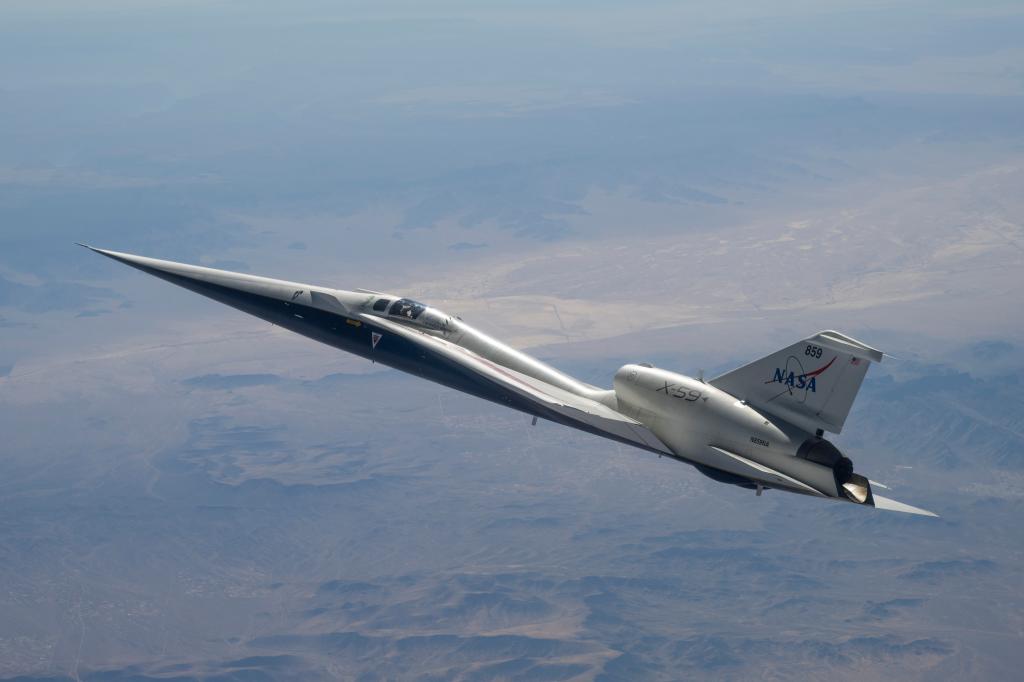
Well, if you were hoping Concorde was being resurrected from being a “museum piece”, as Lieutenant Bradley “Rooster” Bradshaw would call it, think again – nobody’s dusting off the originals. But a few things have happened, all of which primarily address Concorde’s original sin, the sonic boom. NASA has built a research jet called the X-59, which is so long-nosed and windscreen-free that its pilots fly it by watching a 4K video screen instead of looking out the front. No thank you, I’ll stick to flying on the A380.
The whole point of the shape is to break up the shockwave so that, instead of a window-rattling bang, people on the ground hear something closer to a “quiet thump”, like distant thunder or a car door closing. It flew supersonic for the first time on 5 June 2026 and has since reached its target cruise conditions of Mach 1.4 at 55,000 feet. The next step is to fly it over American towns, ask people what they thought of that “thump”, and hand that feedback to regulators, which is the homework Concorde’s engineers never got assigned.
All of that culminated in something arguably bigger happening in Washington, though. On 30 June 2026, the FAA proposed scrapping its 53-year-old overland supersonic ban and replacing it with a noise-based threshold – a maximum ground overpressure of 0.11 pounds per square foot, derived from X-59 data. If it goes through, it’ll be the first time in half a century that US skies have been open to supersonic jets over land rather than just over the ocean.
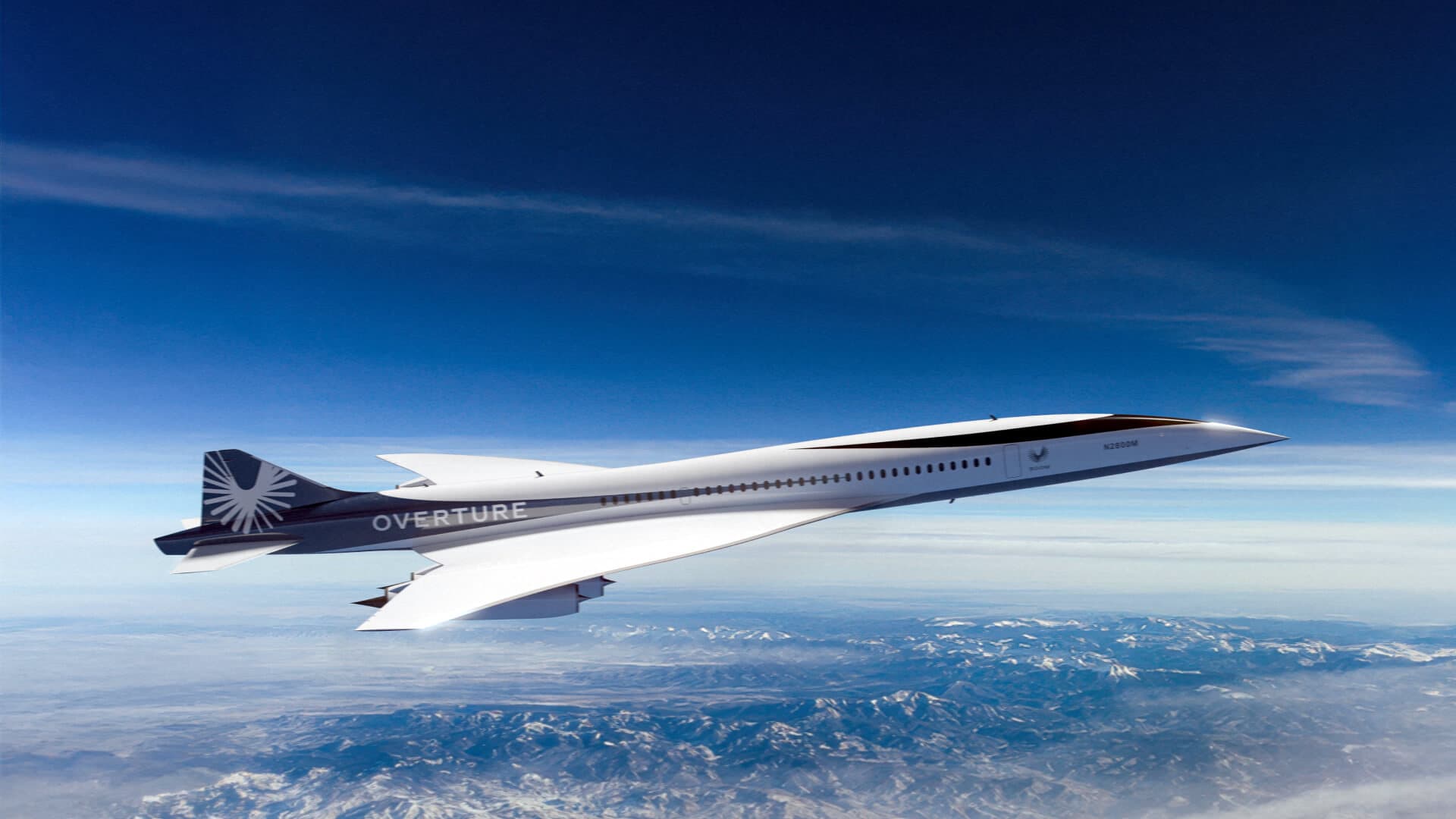
On the hardware side, the name to know is Boom Supersonic, whose Overture airliner is pitched to carry 65 to 80 passengers at Mach 1.7, roughly halving today’s New York-to-London flight time and landing close to what Concorde managed (hopefully without having to remortgage).
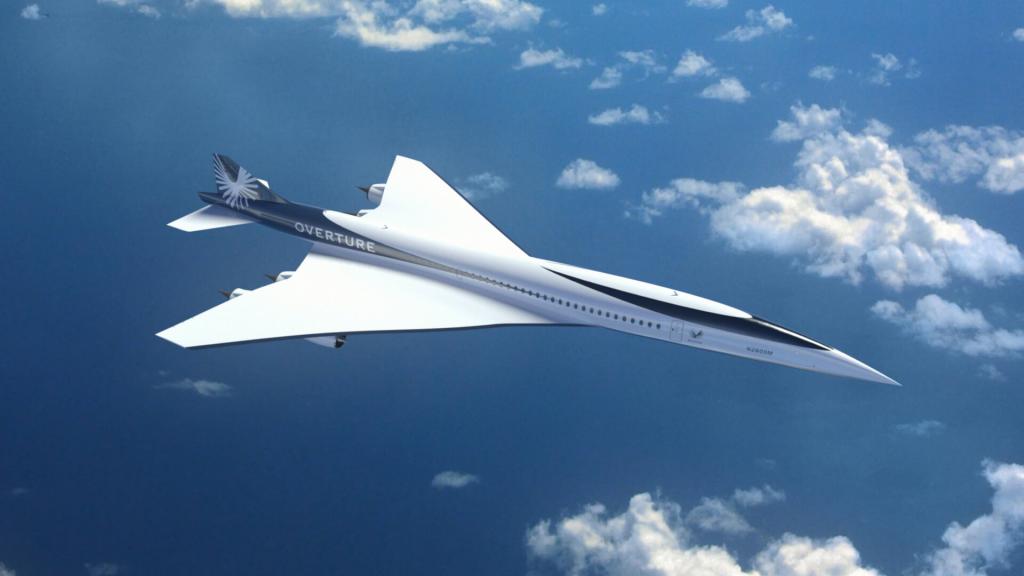
Rather than borrowing a military engine, as Concorde did, Boom is building its own from scratch with a machine called Symphony and, according to Simply Flying, with help from something 1960s engineers would have no doubt appreciated: AI modelling that simulates airflow and combustion to refine blade geometry digitally, swapping years of physical trial-and-error for a lot of computer time.
Boom says Overture will fly on sustainable aviation fuel with “fares similar to first and business class across hundreds of transoceanic routes”, though it also says “fares are up to our airline partners” and, given they vary widely even now, your guess at the final number is as good as ours.
Boom’s other trick for the noise problem doesn’t even require the X-59’s clever shockwave shaping. It’s banking on something it’s calling “Boomless Cruise”, which uses a physics quirk known as Mach cutoff – fly high and fast enough, and the sonic boom refracts upward through the atmosphere and never reaches the ground. If it works at scale, Overture wouldn’t need NASA’s regulatory groundwork to fly supersonically over land, staying quiet by design instead.
Boom Supersonic isn’t chasing the quiet thump alone, either. Massachusetts-based Spike Aerospace is going smaller and posher, developing the S-512 Diplomat, a 12- to 18-seat supersonic business jet aimed at the sort of passenger who currently flies private and finds business class a bit pedestrian. It’s pursuing the same low-boom trick as the X-59, aiming for a quiet thump rather than Concorde’s window-shattering boom.
But, we aren’t there yet
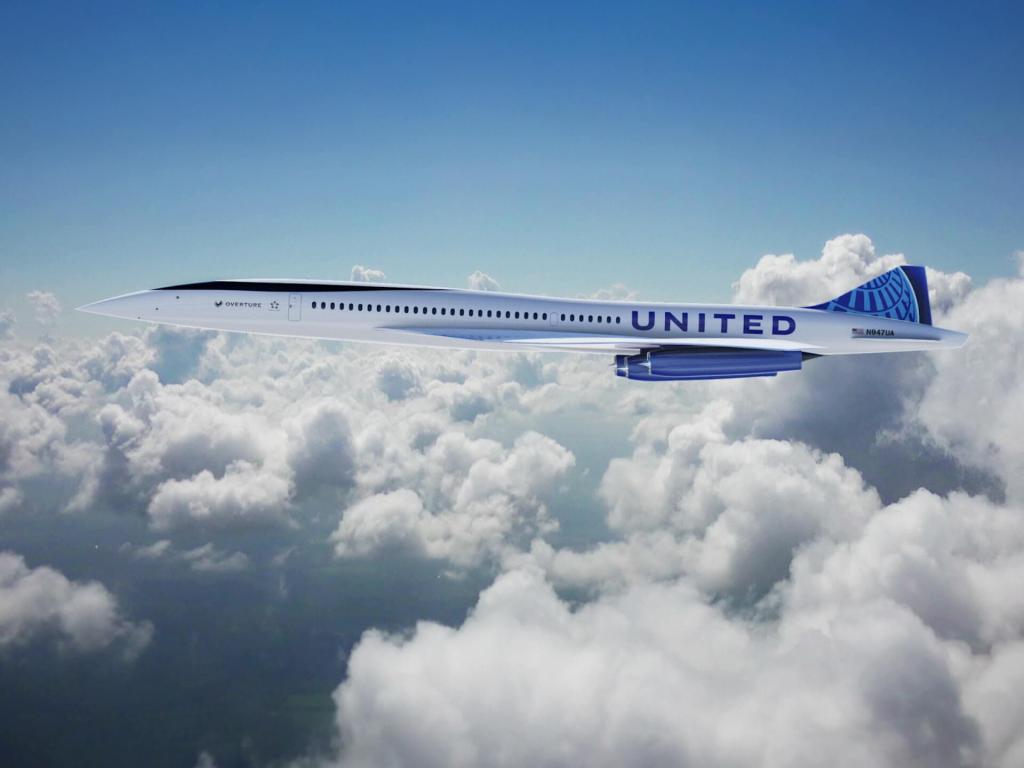
None of this is in the bag yet, though. Boom Supersonic is certifying a brand-new engine and airframe simultaneously, without the backing of government subsidies that Concorde had. It’s a combination that has flattened bigger, better-funded aerospace projects before, with Simply Flying noting that “no company, not even aerospace giants like Boeing or Airbus, has simultaneously certified a clean-sheet airframe and an all-new engine on such an aggressive schedule”.
Its production facility in North Carolina has slipped behind schedule, and its headline order book of 130 aircraft – American, Japan Airlines and United among the names – is said to be mostly non-binding currently. Even sympathetic forecasters treat Boom’s first flight by 2027 and passenger service by 2030 timeline with raised eyebrows. And this field has a graveyard alongside the grid of hopefuls, too. Exosonic, a rival to Boom Supersonic that was building a 70-seat, Mach 1.8 supersonic airliner with the same soft-boom ambitions, shut down in late 2024 after running out of money.
Still, what’s different this time is that the two main factors that killed Concorde – noise and cost – now have engineering and regulatory work underway to address them. Whether Boom or anyone else turns that work into a paying, flying aircraft is unknown for now, but for the first time since Concorde took its final flight in 2003, it’s a possibility again.
Read more: Clean takeoff: will hydrogen and electric planes ever get off the ground?


Read the full article here
