

Introduction
You don’t have to be a fan of Google’s Gemini voice assistant to appreciate the Pixel 11 Pro XL – but it certainly helps. The plus-sized flagship phone is now so keen to let you know its AI brain is listening or thinking that it glows.
HiLight might be the headline act, but that’s partly because Google has spent the last few years streamlining its Pro-grade Pixel line to within an inch of its life. It means you’re getting slightly tweaked styling, a next-gen chipset, and one or two welcome improvements to the camera hardware – in your choice of 6.3in or 6.8in screen sizes – but with the focus now largely on the software side. I’ve been testing the latter, which has a bigger battery beneath its bigger screen but is otherwise on par with its smaller sibling.
Neither has managed to avoid a second price rise in as many years, meaning the Pixel 11 Pro XL now starts at a hefty $1299/£1279/€1399. That’s a fair bit more than the Pixel 10 Pro XL landed at in 2025; have things improved enough in twelve months to justify the extra spend?
What difference has HiLight made to the Pixel 11 Pro XL’s design?

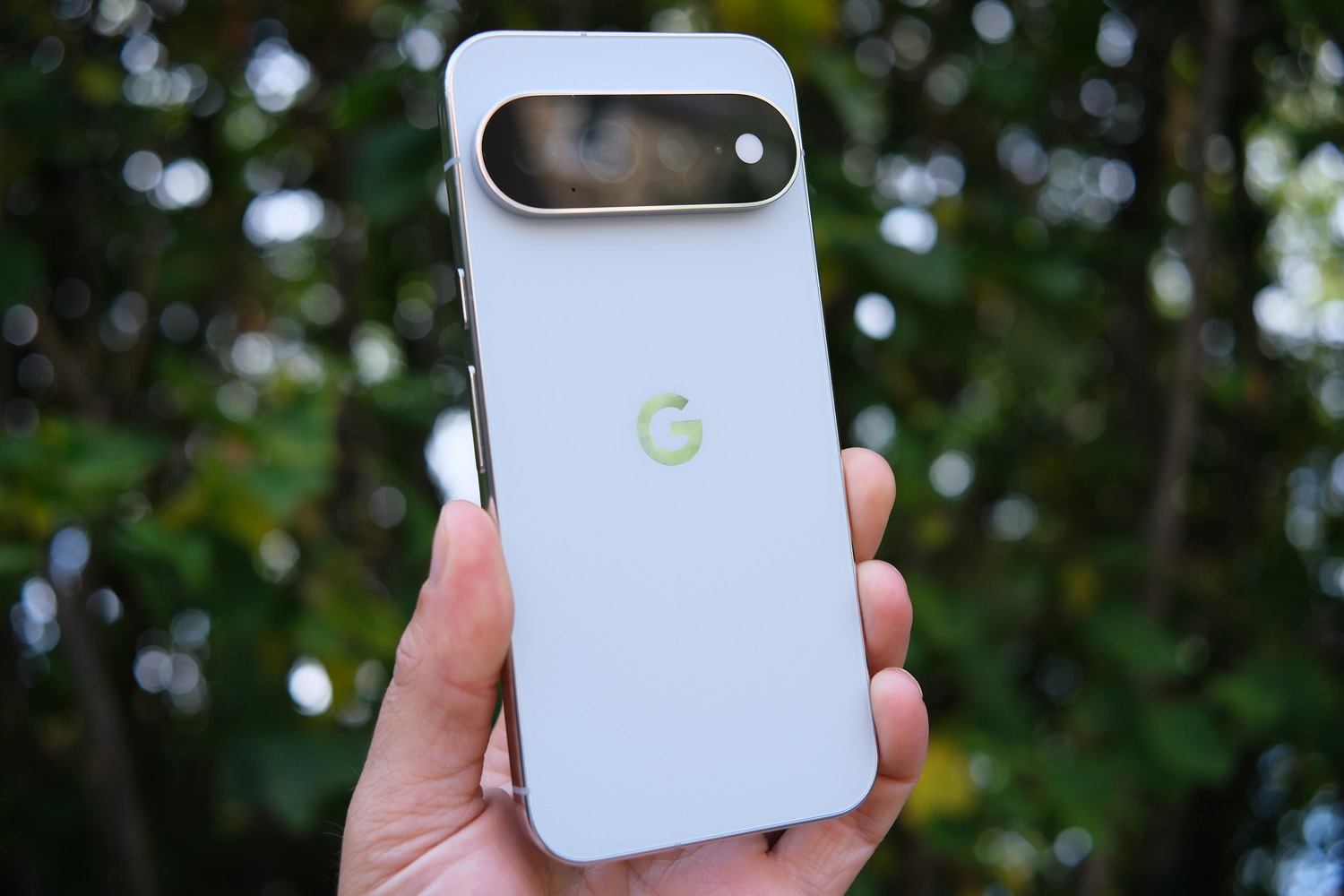
You’ll need to be paying very close attention to notice the latest Pro-level Pixel’s new hardware addition. The distinctive rear camera bar is now home to HiLight, an enlarged flash that uses tiny LEDs to show when Gemini is thinking or talking, or when calls are coming in from particular contacts.
Yes, that really is all it does and yes, it is rather underwhelming. The muted blue-and-purple hue only kicks in when laying the phone face-down and it doesn’t have any other skills, like lighting up red when filming with the cameras or recording voice notes. Google plans to let it flash to indicate new messages as well as incoming calls, but that functionality isn’t there yet. There are only five colours to pick from, anyway.
Unless you’re using Gemini hands-free on the daily, there’s very little to get excited about here – and while Google insists on making it sound ‘personable’ with phrases like “hang on, let me try that again” when asking for a simple weight conversion, I’m inclined to avoid it as much as possible. I’m also not sure whether the old phone’s oddball temperature sensor had to be ditched to make room for the HiLight hardware, or if Google just didn’t see the point in bringing back such an underutilised feature. But I don’t miss it.
Otherwise the Pixel 11 Pro XL has very similar styling to last year’s phone, with flat sides, very curvy corners and fingerprint-resistant matte rear glass. That resistance absolutely doesn’t carry over to the polished metal frame, which rapidly picked up smudges on my Fog review unit. It’ll be the same for the Canyon and Olive variants. Incentive to put the phone straight into a case, perhaps? Or you could pick up the Obsidian model, which has a matte finish for the first time.
It’s still a big handset and a weighty one at that, being 10g heavier than the Samsung Galaxy S26 Ultra – though it does undercut the iPhone 17 Pro Max by a similar amount. I never forgot when it was in my pocket, especially after having most recently lived with the passport-sized Samsung Galazy Z Fold8.
IP68 resistance is great to see, as even though some rivals now claim IP69 protection, I’ve yet to subject any phone to high temperature water jets – either accidentally or otherwise. This will survive a drop in the sink or toilet bowl, and that’s enough for me.
I also appreciate Google keeping secure facial recognition around, letting you pick between two forms of biometrics to authenticate banking apps and the like. The ultrasonic under-display fingerprint sensor is perfectly quick to detect digits, of course, but there’s an extra level of convenience here that most other Android phones lack – and one iPhone owners have taken for granted for years, so could help encourage them to make the switch.
Has the Google Pixel 11 Pro XL’s display improved from last year?
It’s no bigger than the Pixel 10 Pro XL, at 6.8in, and keeps the same crisp-looking 2992×1344 resolution (with a lower pixel count once again enabled by default to preserve battery life). Refresh rate still caps out at a smooth 120Hz, with the phone being very quick to switch whenever it detects onscreen motion. It also keeps the dramatically rounded-off corners and symmetrical bezels at all four edges, though they could still stand to slim down a little bit more. Viewing angles are as outstanding as ever.
That’s enough to put the Pixel 11 Pro XL up there with the best flagship phones for screen quality. Text and images both look pin-sharp, while colours are as impactful and vibrant as I’d hope from an OLED panel. Black levels are outstanding and contrast is exceptional. No complaints here about the accuracy or vivid tone of the default Adaptive colour profile either. An ambient light sensor also subtly dials things up and down according to the conditions.
The new handset does make one meaningful improvement, with peak brightness now reaching an impressive 3600 nits. While not the outright highest I’ve seen on a recent phone, it’s enough that outdoor visibility is excellent even in bright sunshine, and you really notice when Ultra HDR kicks in for photos or videos now.
The edge-to-edge glass is also reportedly twice as scratch resistant as last year’s phone; in the time I’ve spent with the new Pixel so far it has stayed entirely free from blemishes.
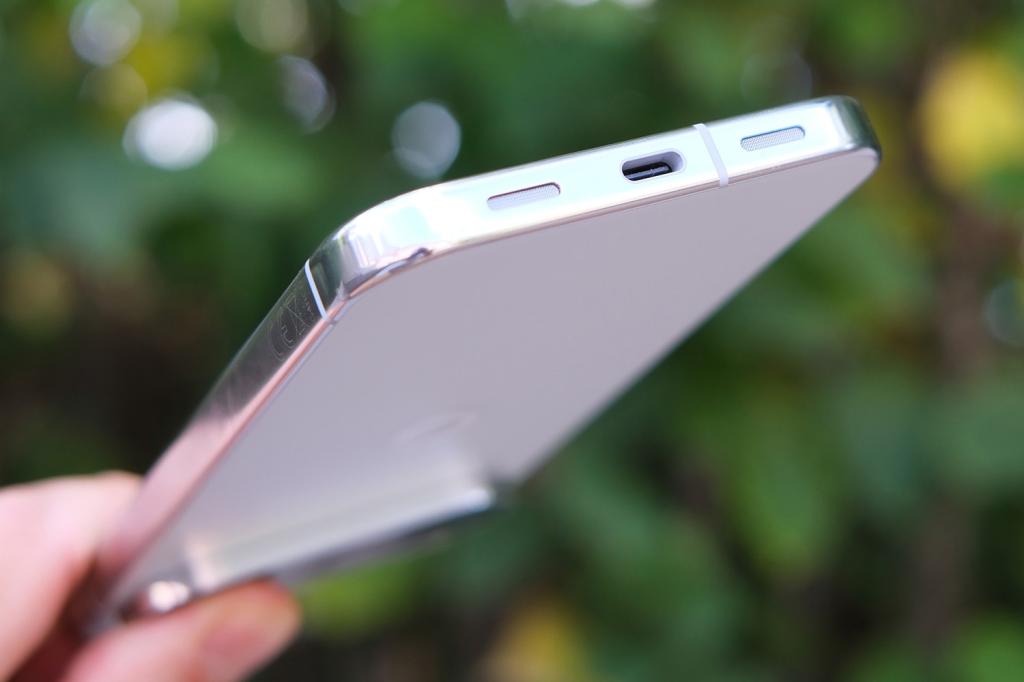
Audio-wise the Pixel 11 Pro XL continues to set a high bar, with a powerful earpiece tweeter and down-firing bottom driver that are properly loud when you turn it up. Clarity is really rather great for a phone and bass isn’t lacking for something so small. It’s still a phone, ultimately, but one that won’t have you reaching for headphones for every last bit of audio.
Have the Pixel 11 Pro XL’s rear cameras picked up any new tricks?
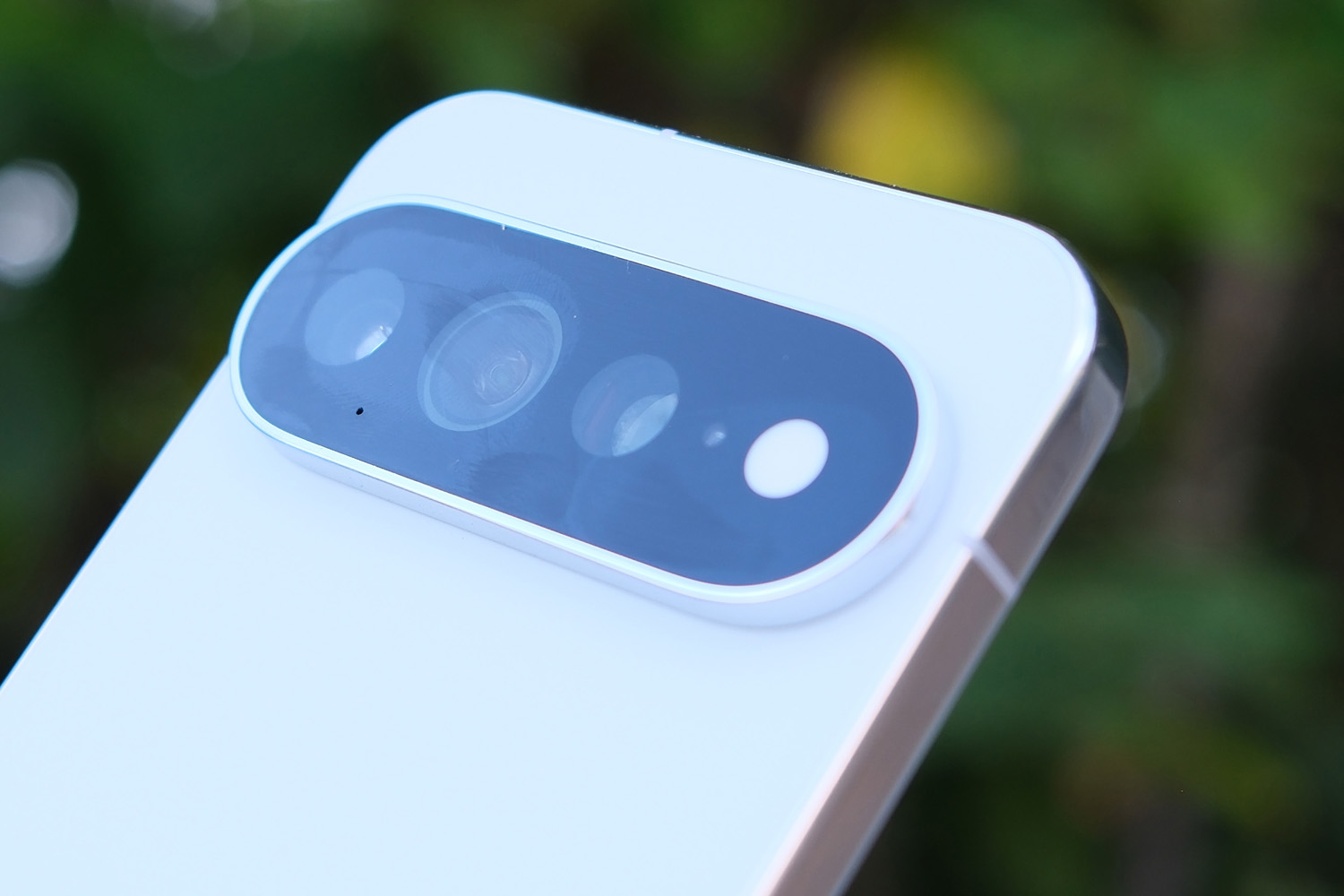
Pixel count might not’ve changed from last year, but Google has given the Pixel 11 Pro XL’s rear camera trio one quite significant hardware upgrade. The 5x zoom telephoto lens has a significantly larger 1/1.95in sensor now, which will absolutely give it a leg up in low light conditions – even before the firm’s top-tier image processing algorithms get involved. Sensor cropping allows for ‘lossless’ 10x zoom while Pro Res zoom dials things all the way to 120x – if you don’t mind distorting reality with generative AI.


The 50MP main snapper and 48MP ultrawide return wholesale from the Pixel 10 Pro XL, as does the 42MP selfie cam up front, though all have been treated to a brand-new Image Signal Processor (ISP) and a year of software improvements. That includes a significantly speedier Night Sight mode and a Creator Suite, which adds social media-friendly gridlines and a teleprompter to the camera app’s viewfinder when shooting video, plus the option to organise footage into project folders automatically.
For me, the biggest addition is Camera Looks. Not everyone is a fan of Google’s stock picture processing, which can flatten shadows in pursuit of detail and go a bit overboard on artificially brightening a given scene; the Pixel 11 series lets you change that for the first time, starting with four different presets (Original, Natural, Shadows or Vanilla) that can be further tweaked by hand, along with six more visually distinct filters.
Some left my snaps looking overly warm or cool, but others got impressively close to the feel of film simulations on a Fujifilm digital camera. There doesn’t seem to be an easy way to see which mode a snap was taken with (I couldn’t find any mention in the metadata) so finding your favourite will take a bit of trial and error, but I love that Google isn’t forcing a one-style-for-all-people approach anymore.
I quickly switched to the Shadows Camera Look and haven’t gone back, preferring its moodier treatment in virtually every scene. Things changed a little at sunset, where I thought the phone overdid the vivid orange sky, but the app makes it very easy to switch (and set which turns on by default when you first open the camera).
I had more mixed results with Magic Capture. It’s meant to analyse hundreds of frames from a short video clip and save the best results as stills, automatically cropping and unblurring faces so you can focus on the moment rather than what’s seen through the viewfinder. Yet none of my test clips were given especially dramatic spins or edits.
Good luck spotting which camera is which at their native zoom levels; exposure, colour, contrast and detail are all a very close match, so there’s no real weak link in the bunch. During the day all three delivered clean, noise-free shots with great definition, convincingly accurate colours and Google’s lower contrast processing. There’s a generous amount of natural bokeh when shooting close-ups, while the software-based portrait mode largely gets it right – only being thrown off by very fine loose hairs.
A 5x native zoom gives the telephoto impressive reach – at times more than I actually needed to frame subjects that were only a little way in front of me – and I really struggled to spot the fall-off when boosting to 10x using sensor cropping. I rarely felt the need to go more than 20x, though, as it becomes clear just how much AI smoothing is going into anything stronger in order to make it usable.

At night I think the lead shooter takes a back seat to rivals that have even bigger sensors, at least until Night Sight is allowed to do its thing. Google’s processing is very convincing, not being afraid to retain noise but still able to keep subjects looking sharp. Colours also stay natural.
That said, if you look closely at things like text you can see just how much work is now being done by algorithms; the numberplate on a car taken from ten feet away looks hugely over-processed, for example. You still need to have a steady hand, and on-the-move snaps aren’t possible in properly dark conditions.

Did I miss the bolt-on lens extender and camera grip case that came with the Oppo Find X9 Ultra I lived with for a good chunk of 2026? Absolutely. I also think its Hasselblad-backed colour science gets closer to mimicking analogue film. But for point-and-shoot ability, I have to put the new Pixel up there with the very best mainstream smartphones.
What does Gemini bring to the Pixel 11 Pro XL’s software experience?
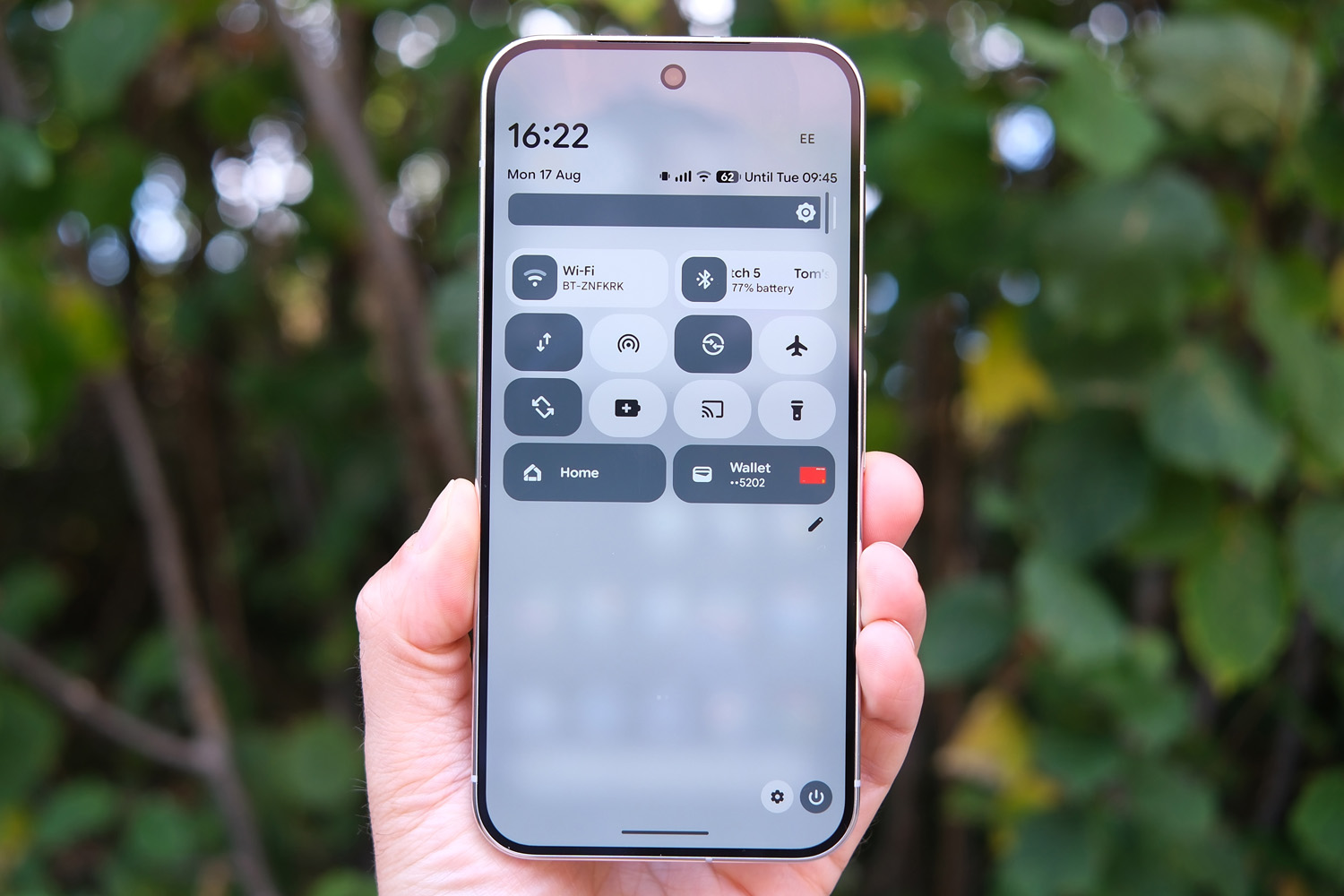
Google’s Material design language has defined Android for a while now, and this latest version is no different. Android 17 sees updated icons for many default apps and a few more widgets – most notably the Health summary that’ll matter most to Pixel Watch 5 wearers – but it’ll feel familiar to anyone coming from an earlier Pixel.
That includes the blocky quick settings menu, adaptive colours that match your wallpaper, and a list of pre-installed apps that mainly cover the essentials – though there are more additions than you got in previous years. Screenshots, journal and Notebook (previously NotebookLM) all hint at how integral Gemini Intelligence is to the whole operation now.
Circle to Search and Gemini Live fall under its remit, as does Magic Cue – which is seemingly in the process of being redubbed Proactive Assistance. It’s meant to put glanceable cards onscreen when it recognises contextual clues, like a Messages contact asking about your flight information or proposing a location for dinner later. Except after a week of testing I’ve yet to see it surface anything of note. Location-aware suggestions that appear on the lockscreen are in preview right now, but seemingly not in the UK where I’m testing the phone.
That’s true of a handful of features shown off at I/O earlier in the year, including vibe-coded custom widgets and the ability for Gemini to perform in-app actions autonomously. Even Rambler, a new speech-to-text mode for Gboard that isn’t perplexed by stumbles, “um’s” and “er’s”, just feels like a slightly improved version of the more basic voice typing it had before. Being able to translate sign language using the camera is a nice step for accessibility though.
Keep in mind that some of these features need a Google AI Pro subscription to make the most of – and that Pixel 11 Pro buyers are only getting six months’ membership included, rather than the twelve that the Pixel 10 Pro came with last year. At least it gets the same seven years of Android version updates and security patches, delivered in double-quick time. Google still leads the way for Android phones here.
Does the Google Pixel 11 Pro XL have flagship-grade performance?
Google is as determined as ever to go it alone when it comes to chipsets, so here we have yet another Pixel handset with Tensor silicon at its heart. The seven-core Tensor G6 is built by TSMC using 3nm architecture (not the more efficient 2nm as rumoured pre-launch) and comes paired with a Titan M3 security chip.
I’m finding it increasingly common for phone brands to bar access to benchmarking tools in the window between announcement and the start of retail sales, leaving journalists a little in the lurch. The Pixel 11 Pro XL is no different. That meant my usual go-tos, Geekbench and 3DMark, were off limits. Still, a Speedometer 3.1 browser benchmark score of 24.3 is distinctly average for a flagship phone.
Raw performance isn’t the goal here, although the G6 does promise to bring 25% faster web browsing and 15% app loading than the outgoing model, along with 50% more compute performance for on-device AI. Thermals, battery drain and connectivity were the three weak links from previous Pixels that needed tackling; a MediaTek modem rather than a Samsung one ought to address them, whether you go for the base model with 12GB of RAM and 256GB or storage, or the 512GB or 1TB versions which get 16GB.
What remains true is that Google is the master of optimising Android for its hardware, meaning apps run seamlessly with no noticeable slowdown. Games don’t always default to the highest details, or hit the frame rate highs that top-tier Snapdragon smartphones do; how big a deal that is depends on how often you play. The Division Resurgence still ran well enough though, with the phone not getting overly hot.
How long does the Google Pixel 11 Pro XL’s battery last?
With the Pixel 11 Pro XL’s physical dimensions only fractions of a millimetre different from last year’s effort, I’m not sure why Google had to shrink its battery capacity. The firm was already well short of anything coming out of China, so the gap is now wider than ever. The 5115mAh cell you get here is only marginally smaller than the Pixel 10 Pro XL’s 5200mAh unit, though, and the firm still claims “30+ hours” of battery life.
As ever, this depends on how hard you’re pushing the hardware. In my experience, a regular day’s social scrolling, web browsing, music and video streaming, photography and phone calls would keep me out of the red before bedtime, but only just. This still feels like a “charge every evening” phone, while rivals like the Oppo Find X9 Ultra can make it to the end of a second day without trying too hard.
Stepping away from Wi-Fi and relying on a 5G connection wasn’t the disaster it could be on older Pixels, though – battery drain was a lot more consistent with the competition. A day at the beach with GPS navigation and lots of photography didn’t leave me stranded by mid-afternoon.
45W wired charging speeds are decent if not spectacular, being able to fill the battery in around an hour. Only Motorola’s 68W refuelling is significantly faster in the USA, though rivals sold in Europe and Asia can reach twice that maximum. It’s a similar story for the 25W wireless top-ups, though Google scores a win here for magnetic wireless charging. Pixelsnap accessories click on as easily as MagSafe ones do on iPhones, without having to pop the phone in a case lined with magnets first; no big-name Android rival can do the same.
Google Pixel 11 Pro XL verdict
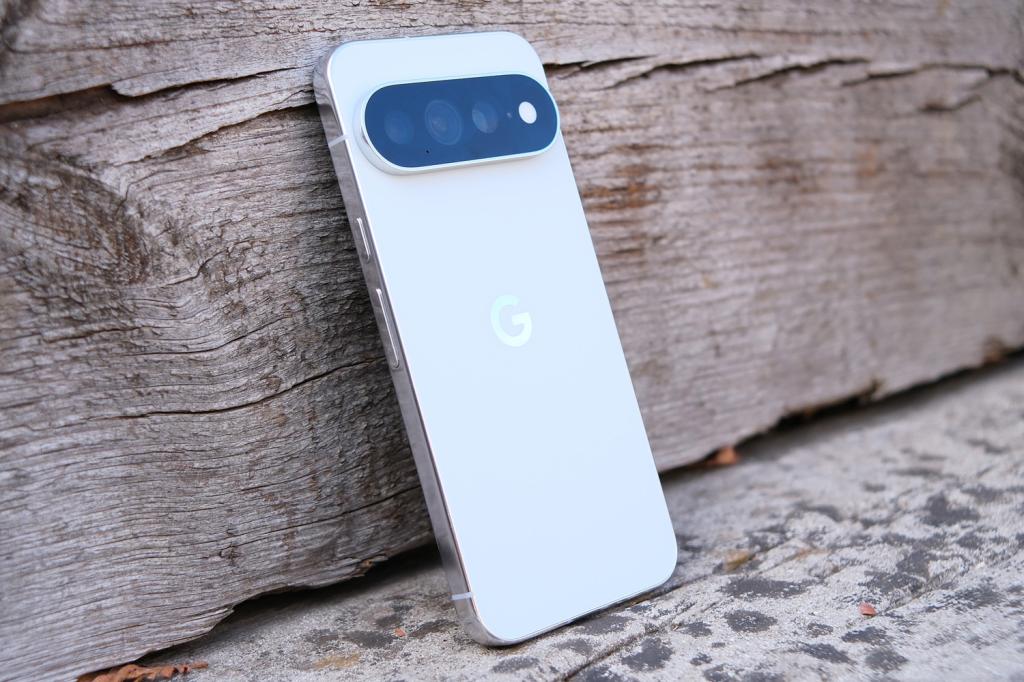
There’s no question the Pixel 11 Pro XL is Google’s best mobile effort to date. It has three very capable cameras, more than enough performance muscle for daily use, and perfectly respectable battery life for a Western flagship. The styling tweaks are subtle but welcome and it keeps features that are rare among Android rivals, like magnetic wireless charging and secure facial recognition.
Android 17 is also rather slick, even if many of the lauded Gemini features are either TBC or remain US-only for now. If I lived in North America I’d probably take one over the Samsung Galaxy S26 Ultra, even if I don’t think it entirely justifies the year-on-year price increase.
The HiLight LED feels rather half-baked at launch, though, and isn’t something owners of older Pixels should feel they’re missing out on – not when most of the software additions will eventually roll out to their handsets for free. Gamers will find smoother frame rates on the Snapdragon-powered competition, while Chinese rivals (which are more readily available in Europe) last longer between charges and give Google a run for its money on photographic ability.
Google Pixel 11 Pro XL technical specifications
Scroll to see more →
| Specifications | Google Pixel 11 Pro XL |
|---|---|
| Screen | 6.8in, 2992×1344, 1-120Hz OLED |
| CPU | Google Tensor G6 |
| Memory | 12/16GB RAM |
| Cameras | 50MP + 48MP telephoto (5x optical) + 48MP ultrawide rear. 42MP front |
| Storage | 256GB/512GB/1TB on-board |
| Operating system | Android 17 |
| Battery | 5115mAh w/ 45W wired, 25W Qi2.2 magnetic wireless charging |
| Dimensions | 163x77x8.5mm, 226g |


Read the full article here
