

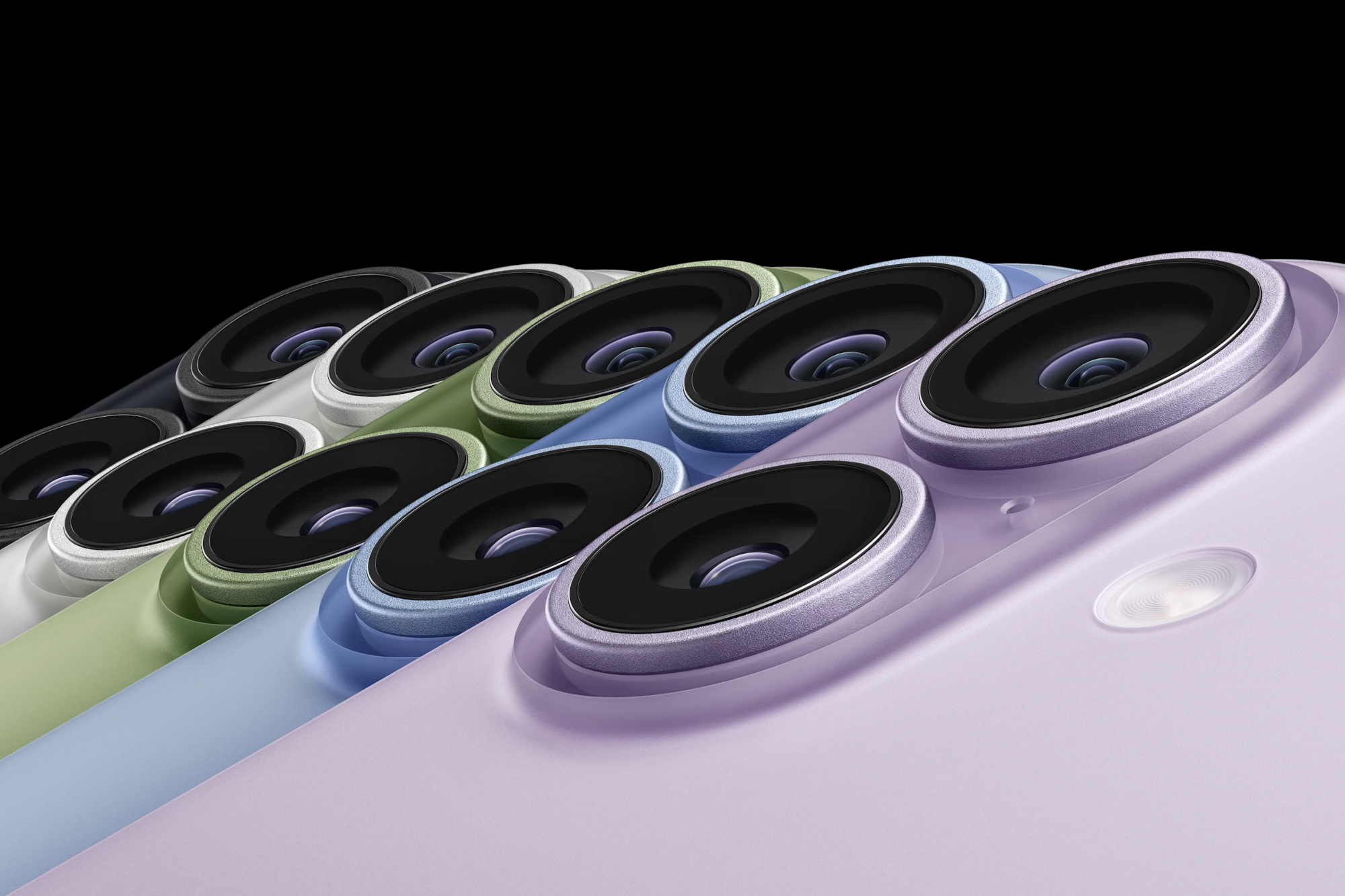
Apple used its stage this week to unveil the iPhone 18 Pro, the folding iPhone Duo, and Apple Watch Ultra 4. Notably absent: a base-level iPhone 18, which we’re not expecting to arrive until early next year.
But head to Apple’s website today and you’ll find something else has changed. The iPhone 17, announced just last September, now costs $899/£899. That’s $100/£100 more than it was yesterday, for a phone Apple hasn’t touched.
That’s not how tech pricing normally works. Older phones are supposed to get cheaper, not more expensive, especially once a new flagship lands.
We did warn you
We said as much earlier this week – the best time to buy an iPhone was right before this event, while prices on older models were still at their lowest. That window has now closed.
Why this is happening
The short version: memory. Chip and RAM prices have spiked this year, driven largely by AI infrastructure demand hoovering up data centre capacity, on top of a general rise in the cost of living linked to the situations in Ukraine and Iran. Manufacturers can’t (or don’t want to absorb that indefinitely, so something has to give, whether that’s higher prices, less storage for the money, or thinner margins.
Apple has already raised prices across much of its lineup this year, including a $300/£300 jump on the Mac mini M6 over the outgoing M4.
IDC now expects global smartphone shipments to drop by almost 14-percent this year, which it’s calling the steepest annual contraction the industry has ever seen. Yet the total value of phones sold is still forecast to climb, because average prices are rising even as unit sales fall. Gartner suggests that price inflation at around 13-percent industry-wide.
Gartner’s Ranjit Atwal put it plainly: higher prices will shrink the range of devices on offer and push people to hold onto their phones for longer, reshaping upgrade cycles altogether.
Budget phones aren’t safe either. The GSMA’s latest Circularity Report found that a 128GB phone can cost 20–30-percent less to build than an otherwise identical 512GB model, and the trade body says shortages are hitting entry-level and mid-tier devices hardest. It expects the used-phone market to grow roughly 8-percent a year as a result.
Counterpoint Research reckons the $100–$249 segment is especially exposed, predicting fewer cheap phones will sell at all – and it doesn’t see the memory shortage easing until late 2027.
Liked this? Apple iPhone Duo vs Samsung Galaxy Z Fold8: battle of the passport-shaped foldables

Read the full article here
