

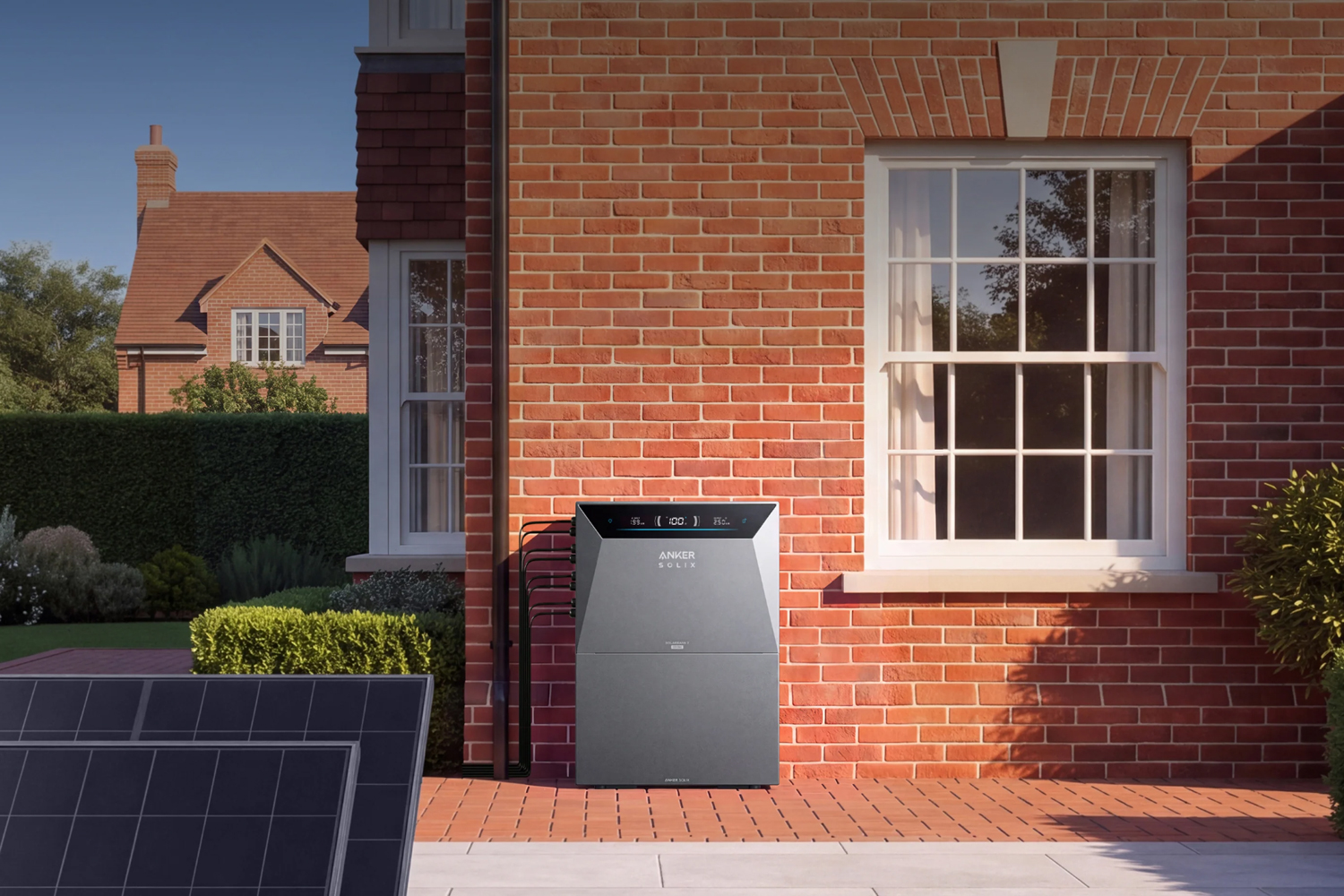
The allure of a plug-in solar setup is hard to ignore. Put a small system somewhere sunny, hook everything up, and let it chip away at your electricity bill. No need to cover the roof in panels and waste hours of your life getting quotes over the phone. Lovely. What’s less obvious though, is just how many appliances it can actually power. A fridge looks like a bigger job than a kettle, but appearances are misleading. Heating water quickly takes a lot of power, for example, while keeping the milk cold can be a much more manageable task.
So what can plug-in solar actually power? That’s the question we’ve hopefully answered usefully below. There’s one distinction worth making before we get to the appliances, mind – a grid-connected plug-in system feeds electricity into your home’s wiring, reducing what you draw from the grid. It doesn’t normally have a dedicated connection to your fridge or TV. If the solar output falls short, the grid supplies the rest. Got it? Good.
It’s also worth noting that while plug-in solar is legal in the UK, legality varies by state in the US (you can find more information in our Are plug-in solar panels legal in the US? guide).
Let’s dive in:
What appliances can a small plug-in solar system power?
For the examples below, we’re using a system with a maximum AC output of 800W. That’s the electricity its inverter can supply to the home, by the way – not a promise that it’ll produce 800W all day. Cloud, shade, panel position, and the time of year affect what you get. After dark, you’ll need stored energy or the grid.
The appliances, incidentally, also share that output. If the system is producing 600W and the house is using 1000W, the grid supplies the remaining 400W. You don’t get a fresh 800W allowance for every socket, sadly.
Connection rules differ by location, too. We’ve covered the US requirements and the UK’s plug-in solar rollout separately – check that your kit and proposed installation are suitable before buying. This is about what the electricity can cover, rather than a guide to wiring anything up.
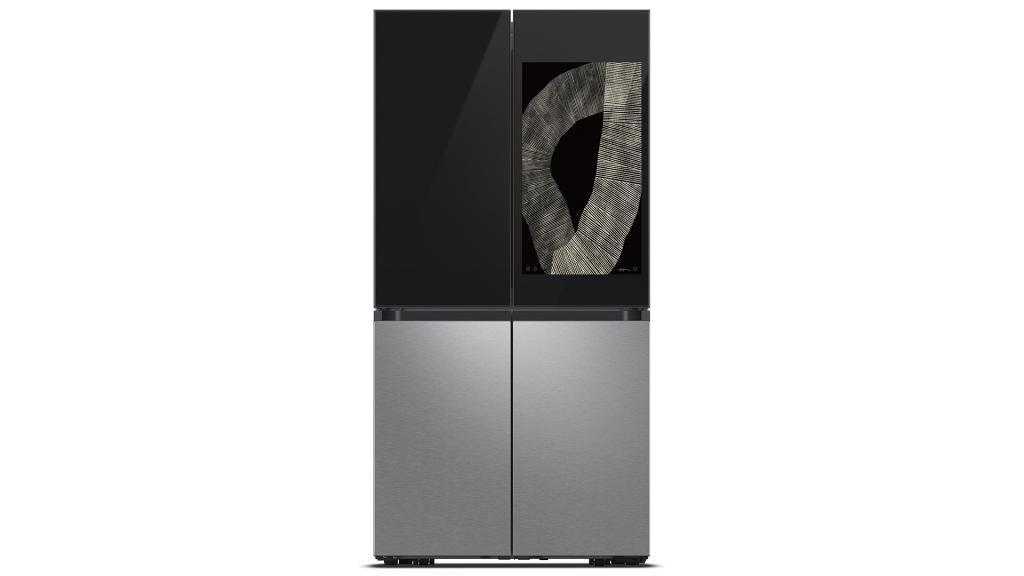
The fridge is a sensible place to start because it needs electricity whether you’re home to enjoy the sunshine or not. Electrical Safety First gives 150W for a standard fridge-freezer, comfortably within our example system’s maximum output.
That isn’t a constant draw, though. Compressors cycle, and starting up or defrosting can change demand. Solar can cover the running load when there’s enough output, with the grid handling any shortfall. It won’t make refrigeration free around the clock then, but you don’t have to rearrange your day to make use of it, either.
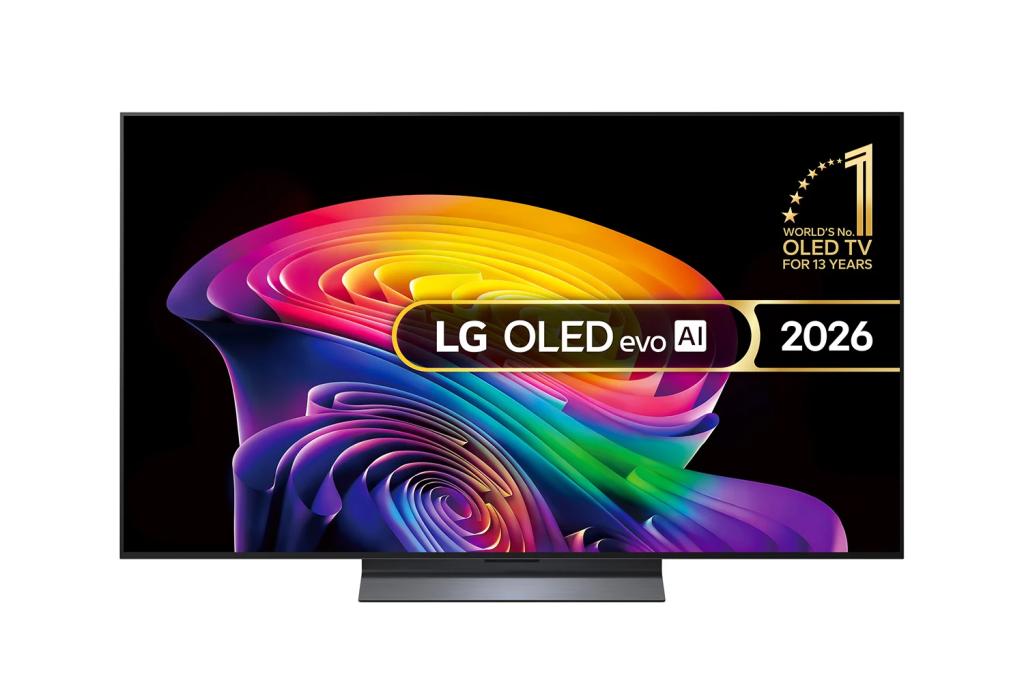
A TV is another realistic candidate. Electrical Safety First lists around 120W for a 55in UHD set, although size, brightness, and the particular model all matter. Check yours rather than assuming that a wall-filling monster will behave like a modest bedroom screen.
At a steady 120W, two hours of viewing uses 240 watt-hours, or 0.24kWh. That’s energy used over time, rather than the power needed at any one moment. Daytime viewing can overlap with solar generation. A late-night film will need the grid or a battery to help.
An electric fan
Moving air takes much less power than actively refrigerating it. Meaco rates its 1056 air circulator at 8–24W, depending on the setting, for example – a small demand for our example system when the sun’s out.
A fan is also something you’re quite likely to want on a warm, sunny afternoon, which is convenient. Just don’t expect it to match the power of air conditioning, which is a different beast entirely.
A slow cooker
Cooking doesn’t automatically mean exceeding the solar budget. A slow cooker can use roughly 150W – a much easier load than a full-size electric oven. Check the rating of your particular model, especially if it also has a searing function.
The long cooking time matters, of course. An illustrative 150W load running continuously for six hours would use 0.9kWh, and your panels would have to keep up throughout that period to cover it all. Real consumption depends on the cooker and setting. Still, daytime slow cooking gives solar several hours to contribute towards dinner, without expecting it to deliver a huge burst of power.
An electric kettle needs more
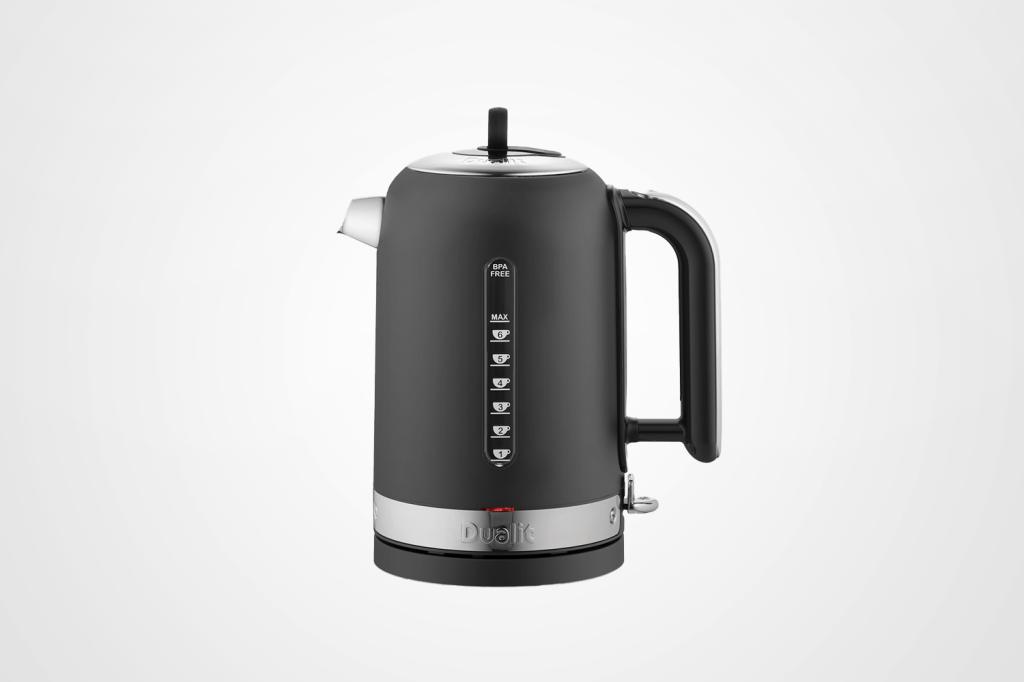
A kettle makes the opposite trade-off – lots of power for a short time. All kettles vary, but you can expect anything from around 1500W–3000W. Either way, it’s comfortably over our example 800W solar output.
That doesn’t mean the kettle won’t boil, though. If the system is supplying 800W and a 1500W kettle is the only load, the grid provides the other 700W. In other words, you can still enjoy a partly solar-powered brew. You just can’t attribute the whole thing to those panels while the kettle’s drawing that much power.
Things are heating up
The oven is a bigger ask again. GE, for example lists a 2850W bake element for its wall oven – more than three times our example system’s output. Other ovens differ, but this shows why a small solar kit can’t cover that heating demand by itself.
The element won’t necessarily stay on continuously once the oven reaches temperature. Even so, an average energy-use figure for an entire cooking session doesn’t tell you whether solar can meet the higher demand while it’s heating. Cooking lunch in daylight may reduce grid use, but the grid will still have work to do.
A 1500W space heater also exceeds our 800W example. Running one continuously at full power for an hour uses 1.5kWh. Supplying 800W throughout that hour would cover 0.8kWh, leaving 0.7kWh to come from elsewhere, even before other appliances are considered.
The setting matters, too. Some heaters have low-power modes that fall below 800W, so it would be wrong to say that solar can never cover one. What it can’t do is supply a 1500W heating load from an 800W output. Turning the thermostat up won’t persuade the panels otherwise.
A battery changes the plug-in solar appliance options
Storage lets you save solar energy for later, but check both battery capacity and output power. Capacity tells you how much energy it stores. Output tells you how much power it can deliver at once. A separate battery outlet may support a hungry appliance even when the system’s connection to the home is limited to 800W.
It sounds great, but don’t automatically assume that buying a battery also gives you blackout protection. Ordinary grid-connected solar inverters shut down during an outage, and backup operation needs equipment specifically designed for it. EcoFlow’s microinverter guidance explains this in more detail.
Overall, before buying anything, I’d check the appliances you actually use during daylight and what they draw. A setup that helps with the fridge, TV, and dinner is still plenty useful, even if you can’t run your entire life off-grid.


Read the full article here
