

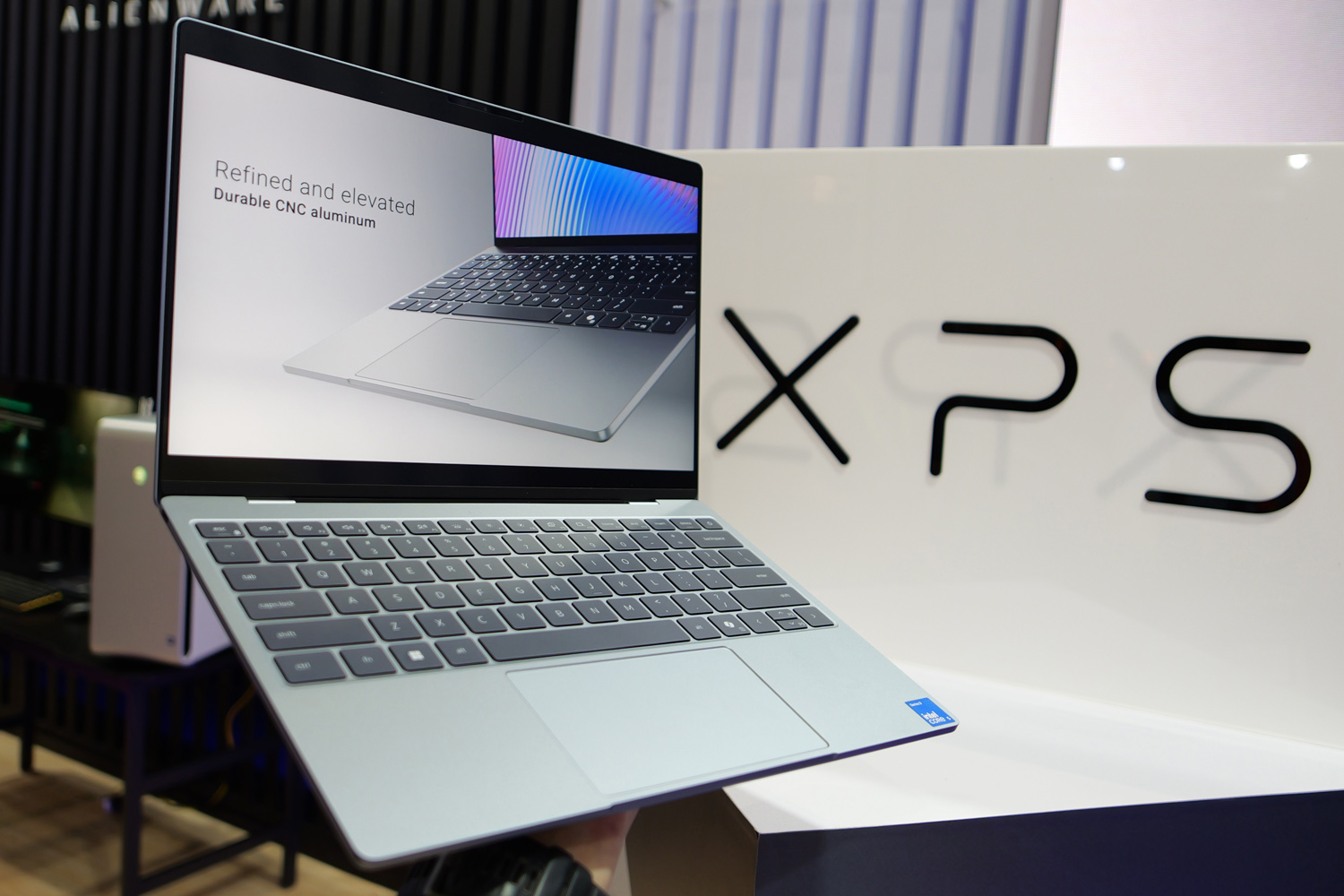
The all-new XPS 13 feels like a laptop that shouldn’t exist in 2026. While the rest of the tech industry bleakly hikes prices into the face of RAMageddon, Dell has revealed an impressively affordable ultraportable. One that doesn’t just act as a Windows-based rival to Apple’s Macbook Neo, but which also delivers the sort of build quality you’d normally only find from the class above.
That Dell can sell this in the US for $699 – or an even more tempting $599 if you’re a student – almost makes every other sensibly-priced rival redundant. I got to sample one for the first time at Computex; simply put, there wasn’t another machine at the Taiwanese tech show that felt this good while also being value-minded.
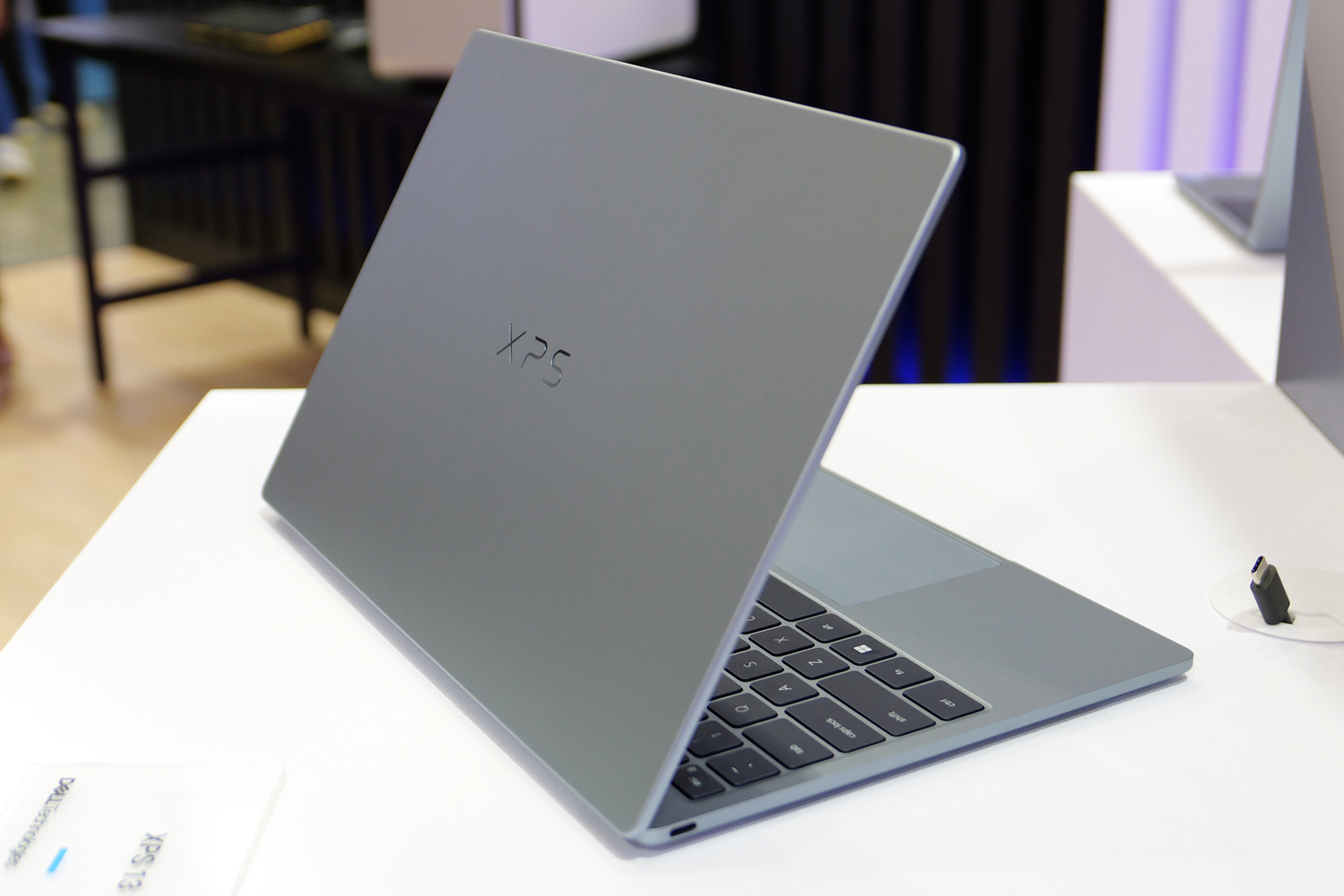
Dell has preserved almost every bit of XPS DNA here, with a CNC machined aluminium chassis (yours in light silver Sky or darker Storm hues) and super slim dimensions. It barely weighs more than 1kg, yet I couldn’t spot any unwanted flex or weakness in the keyboard tray or lid. The subtle XPS branding and satisfyingly skinny display bezels complete the look. It’s even thinner and lighter than Apple’s MacBook Neo; the current crop of sub-$700 rivals, which almost all mix metal with polycarbonate plastic, just can’t compare.
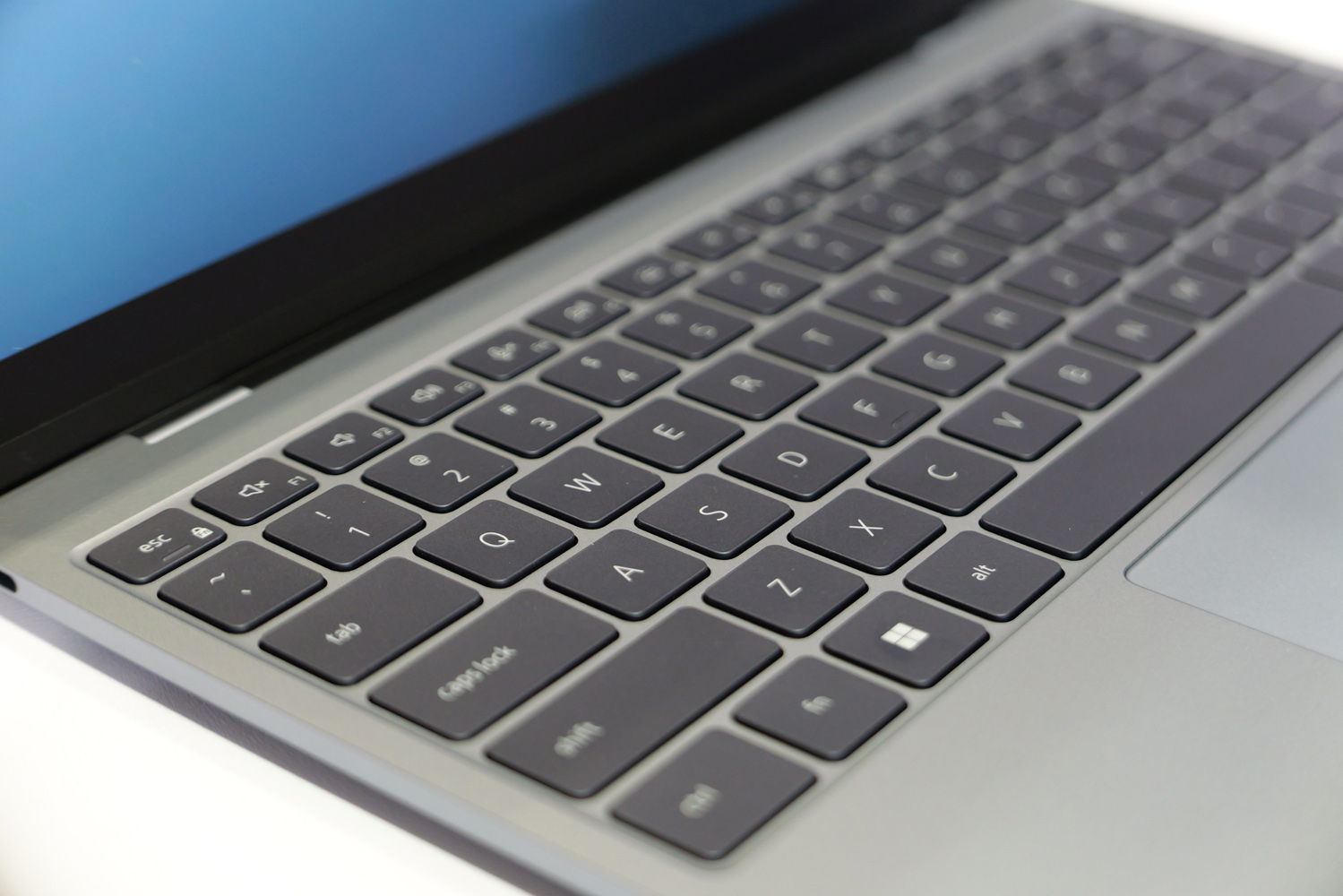
This isn’t just a shrunken take on the XPS 14 and XPS 16 that landed earlier in 2026. Dell has added a lip to the lid that makes it easier to open with one hand, while underneath you’ll quickly spot the Chiclet-style keyboard. I’m not saying the firm is chasing MacBook customers, but I was told it wanted to give shoppers a typing experience ‘they were already familiar with’ rather than the tightly grouped keys seen on the other XPS models. I’m all for the change, given my work laptop is a MacBook.
The white key backlight looked uniform and there was a decent amount of key travel, given how skinny the chassis is. I had no complaints about the touchpad either. It uses physical clicks rather than haptic ones (that would’ve bumped the price up for little gain) and seemed accurate enough during my brief demo. The size also felt like a good fit for the 13.4in screen.
Display is one of the major points of difference between the XPS 13 and its bigger brothers. While you can option the XPS 14 and XPS 16 with a gloriously vivid OLED, it’s LCD all the way here. Dell hasn’t skimped, though, using the same panel as the outgoing XPS 13. That means you’re getting a 2560×1600 resolution, 120Hz refresh rate and punchy, accurate colours. Viewing angles seemed pretty good in Dell’s strongly lit demo area, as did display brightness.
A big benefit of having an LCD screen is battery life. Dell is promising up to 17 hours of video playback, which should comfortably translate into all-day desktop use. If you’re keeping score, that’s one more hour than Apple rates the MacBook Neo for. The XPS 13 also has its multi-colour rival licked for connectivity, with both of its USB-C ports running at USB 3.2 speeds; one of the MacBook Neo’s ports can only manage transfers at USB 2.0 speeds.
Overall performance is a bit of an unknown right now. I wasn’t able to run any benchmarks on the demo units, which all ran Intel’s ‘Wildcat Lake’ Core 5 320 CPUs. These are budget-minded chips designed to rival the MacBook Neo for grunt, and can be optioned with up to 16GB of RAM; the $699 launch version has 8GB along with 512GB of storage. The Windows desktop felt responsive enough but I’ll wait until a full review to see how it copes with typical work and multimedia tasks.
There’ll be a more potent version with a “Panther Lake’ Core Ultra 7 355 and up to 32GB of memory due in the coming months, though by then the cost of memory could have upset Dell’s ultra-competitive pricing. The initial XPS 13 models (Core 5 / 8GB / 512GB) will be going on sale in the US later this month, with a European rollout to start from July.
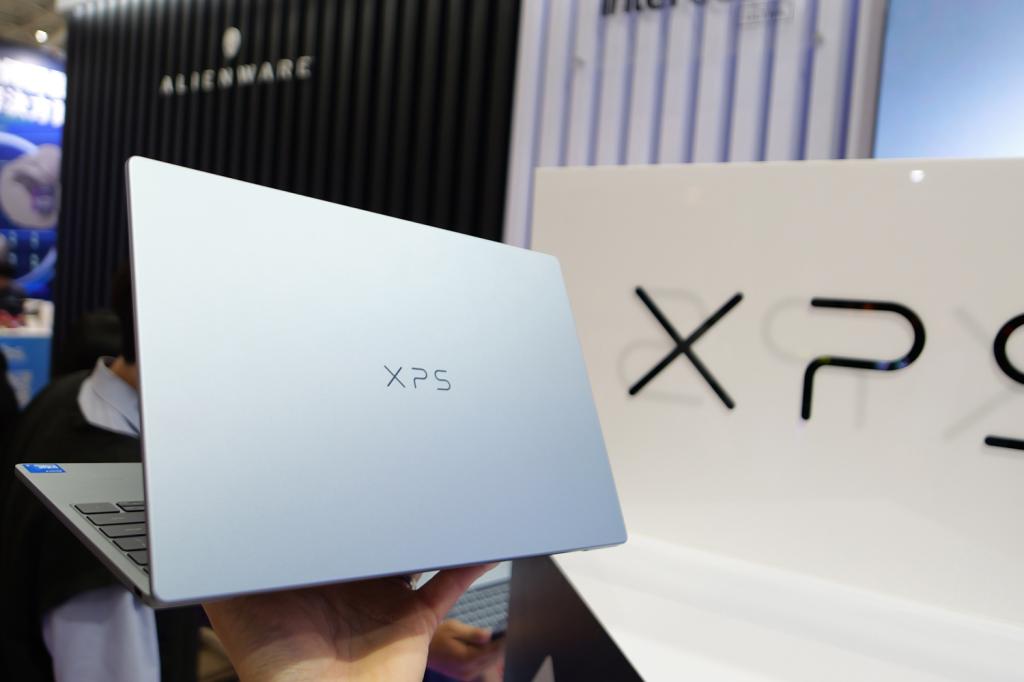
If Dell was looking for something to move the story on from its aborted 2025 rebrand, the XPS 13 is surely mission accomplished. Going purely on my brief first encounter, it appears to be a deeply impressive machine for an even more impressive price.
As long as performance is up to par and it can deliver real-world battery life that matches the firm’s lab tests, it’ll surely be the Windows laptop of choice for most people. I can’t wait to get one in for a full review.


Read the full article here
