






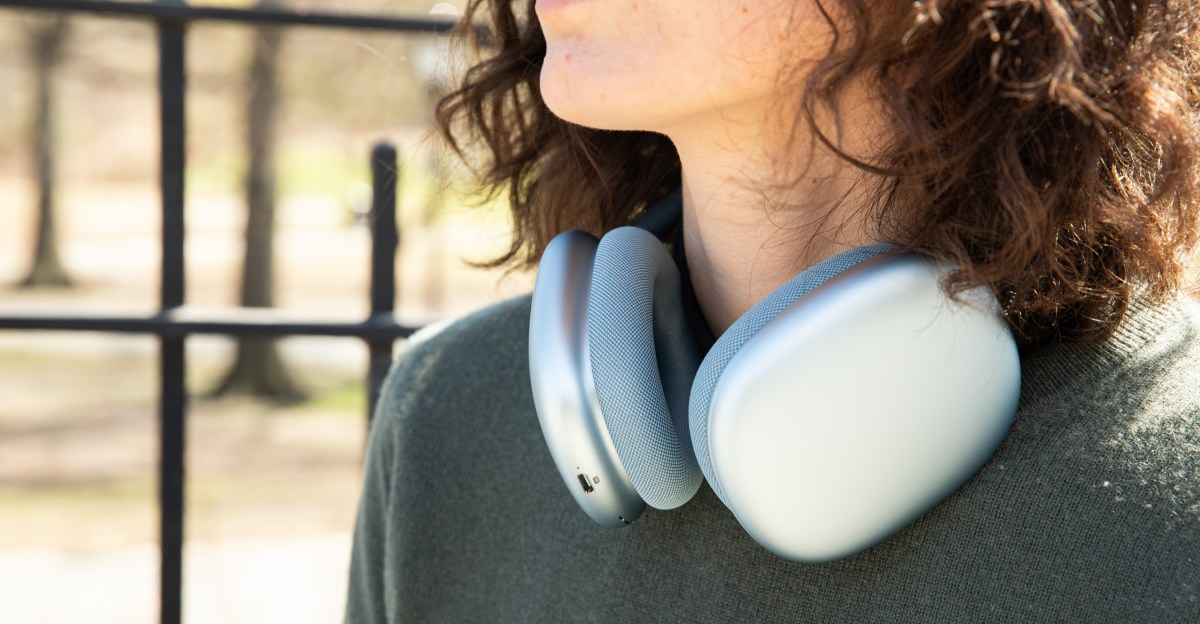
It’s been over five years since the original AirPods Max came out. A minor hardware update in 2024 brought new colors and changed the Lightning port to USB-C (to meet EU regulations), and an update last year added lossless audio and ultra-low latency. But a new version was still well overdue.
The $549 AirPods Max 2 sound incredible thanks to a new built-in amp, the internal chip has been upped from the H1 to the H2, and noise-canceling performance competes against the best Sony and Bose have to offer.
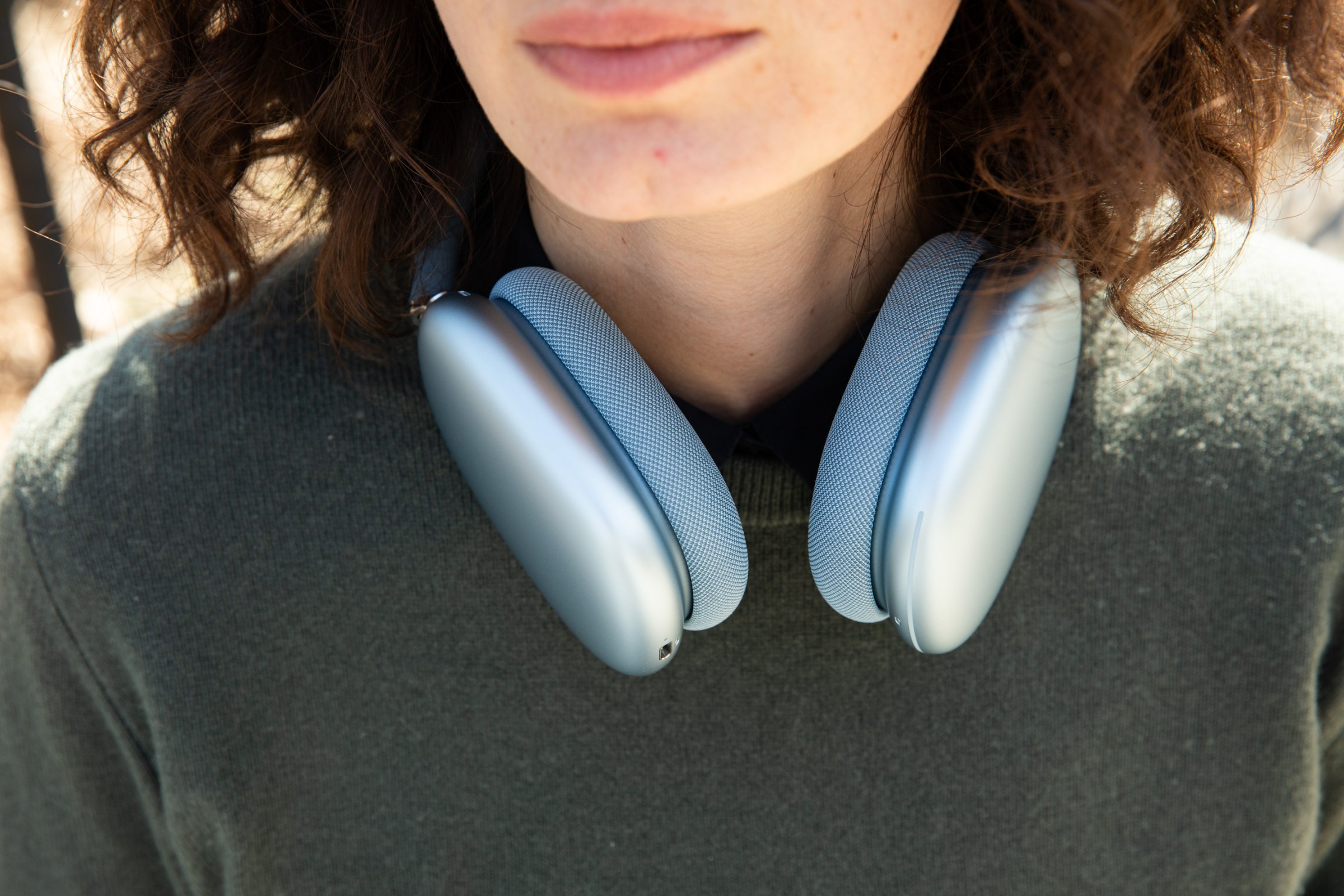
But the AirPods Max 2 are an upgrade, not a reimagining. They look identical to the first-gen AirPods Max, and have many of the same problems. The H2 chip, which debuted with the AirPods Pro 2 in 2022, brings new features to the Max 2, like adaptive audio, conversation awareness, and live translation. But they’re heavy, they don’t have a power button, and the case is still terrible and doesn’t offer much protection.

$549
The Good
- Amazing sound
- Excellent noise cancellation
- Solid, high-quality build
The Bad
- Still no real carrying case
- Still no power button
- Still more expensive than the competition
- Still heavy
The 40-millimeter drivers are the same from the original AirPods Max, but they now are driven by an improved high dynamic range amplifier, and the new Max 2 are better for it. The bass is full with good definition, so when music extends into deep low frequencies — like “bury a friend” by Billie Eilish — you can make out the tonality of those notes instead of them sounding boomy or splatty. They might be a bit bass-heavy for some, but I enjoyed the low-end oomph the AirPods Max 2 provided with pop / rock and orchestral tracks alike. And the bass doesn’t overwhelm the upper frequencies, instead supporting them as it should. Midrange vocals and instruments are easily delineated and sound present without sticking out too much. The opening French horn during Brahms’ “Piano Concerto No. 2” with Emil Gilels sounds rich and warm leading into Gilels’ piano response. And when the orchestra hits the main theme full force, the strings, woodwinds, brass, and timpani washed over me, causing me to forget I was writing a review as I sat back to listen. The Max 2 also support lossless audio at 24-bit / 48kHz when using a USB-C-to-USB-C cable (this was a part of the 2025 AirPods Max update, but wasn’t available on the Lightning version).
The AirPods Max 2 integrate easily into the Apple ecosystem, as do all Apple products, with fast pairing, Siri interactions with head gestures, auto switching between Apple devices, and spatial audio. The H2 chip had capability ahead of its time, and in the past few years Apple has added functionality to the earbuds that use the chip, like the AirPods Pro 3. These features include adaptive audio, conversation awareness, personalized volume, voice isolation, and live translation.
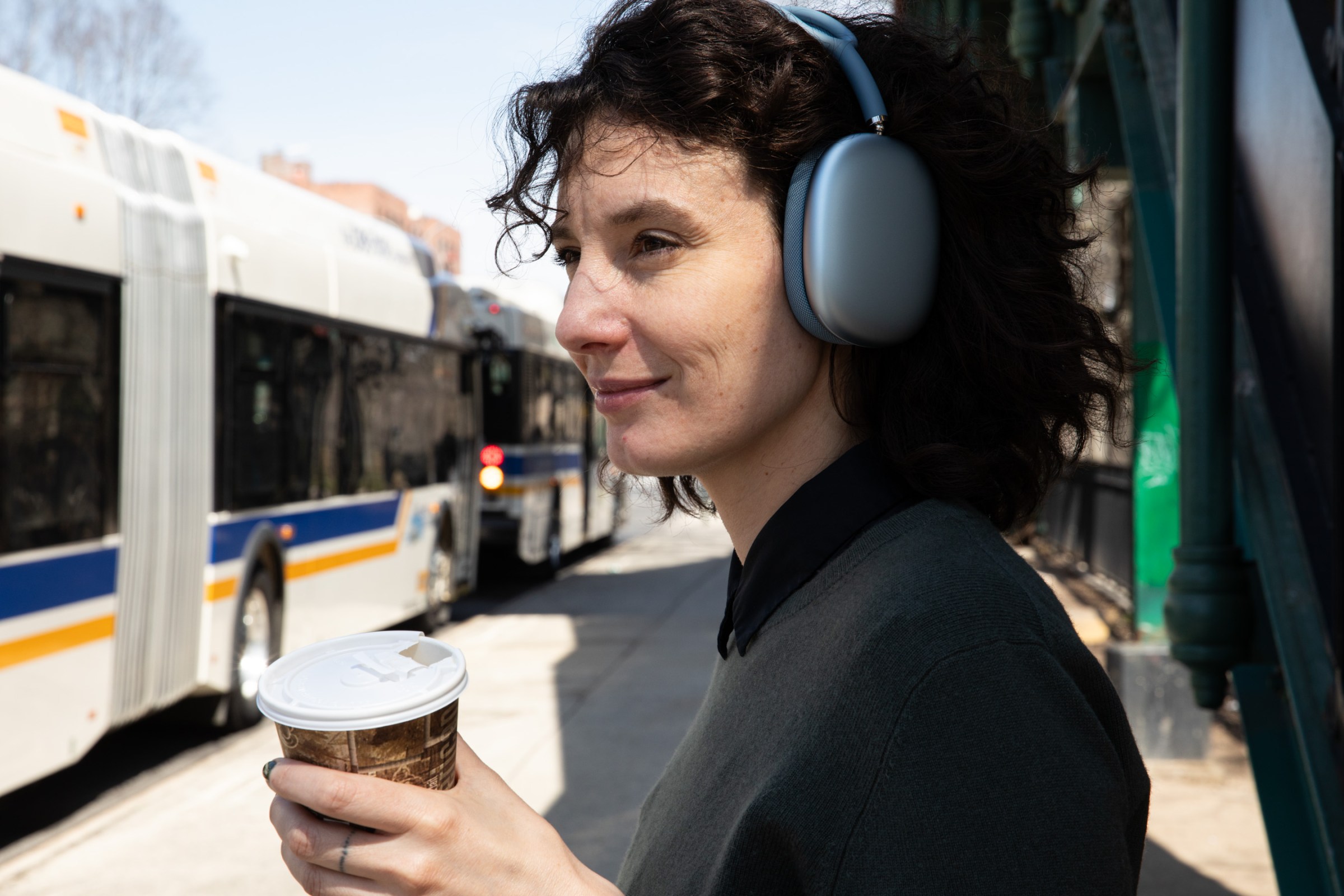
Adaptive audio blends ANC and transparency to adjust to noise around you while still allowing you to be more aware, and is my preferred listening mode on Apple headphones and earbuds. I find Apple hits the ANC / transparency blend the best, and even though you can’t manually adjust the intensity like with Sony products, I don’t feel the need to. I also have friends that lean on live translation for interactions in their daily lives. Conversation awareness can be useful, although it doesn’t always react fast enough, and I prefer to take my headphones off when speaking to someone — for courtesy, at the very least. And voice isolation works well, but the clarity of my voice during phone calls wasn’t quite as good as I get with Sony headphones.
Like other Apple headphones, if you connect the Max 2 to a non-Apple device you lose access to much of this functionality. Noise cancellation can still be toggled with the listening mode button, but auto switching, Siri gestures, fast pairing, spatial audio, and adaptive audio are not usable.
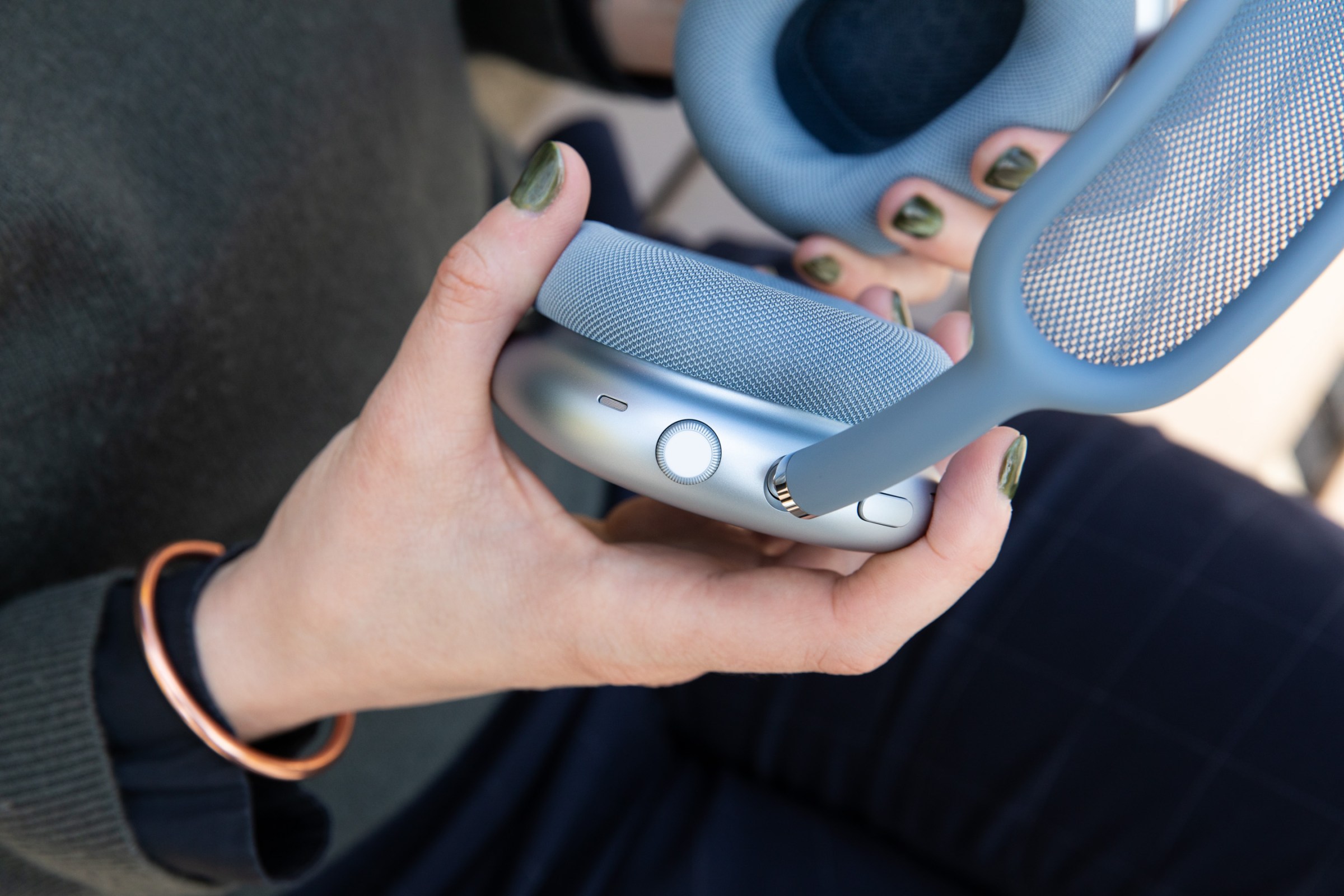
Apart from the H2 chip and improved sound and ANC, the Max 2 are the same as the original — including the flaws. They’re solidly built, with a stainless steel headband and telescoping arms, aluminum ear cups, a knit mesh canopy headband, and memory foam ear cushions; they feel higher-end than the primarily plastic Sony and Bose headphones. But they’re also still really heavy at 385 grams — the Sony WH-1000XM6 and Bose Ultra Headphones both come in around 254 grams — and their clamping force can be too much for some. During my testing I was able to wear them for a couple hours before feeling the pressure on the top of my head and in front of my ears, but a friend had trouble wearing them for more than a half hour.
Another issue that Apple decided not to fix, and which has been a common complaint since the original Max released, is the poor excuse for a case, which is really just a flexible wrap for the ear cups that puts the headphones into a deep sleep state. It offers virtually no protection for the headphones, especially the mesh headband. I could never see myself feeling comfortable putting the Max 2 in their case and tossing it in my bag or luggage without worry that something would damage or scratch them. Sony, Bose, Sennheiser, and B&W all include some form of structured case to protect their multi-hundred-dollar headphones. I would have expected Apple to release a separate (and expensive) hard case sometime in the past six years, but at this point I don’t think it will.
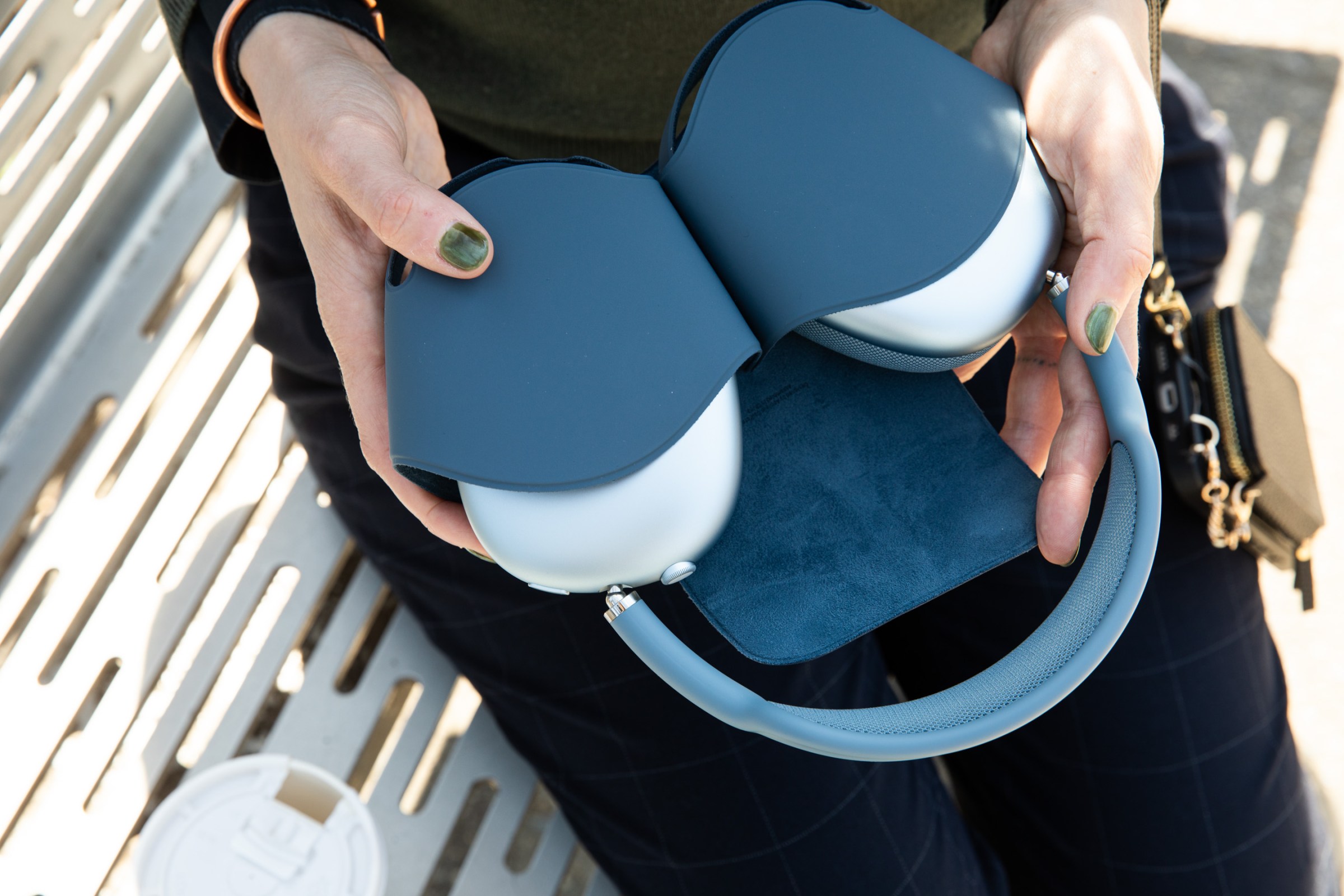
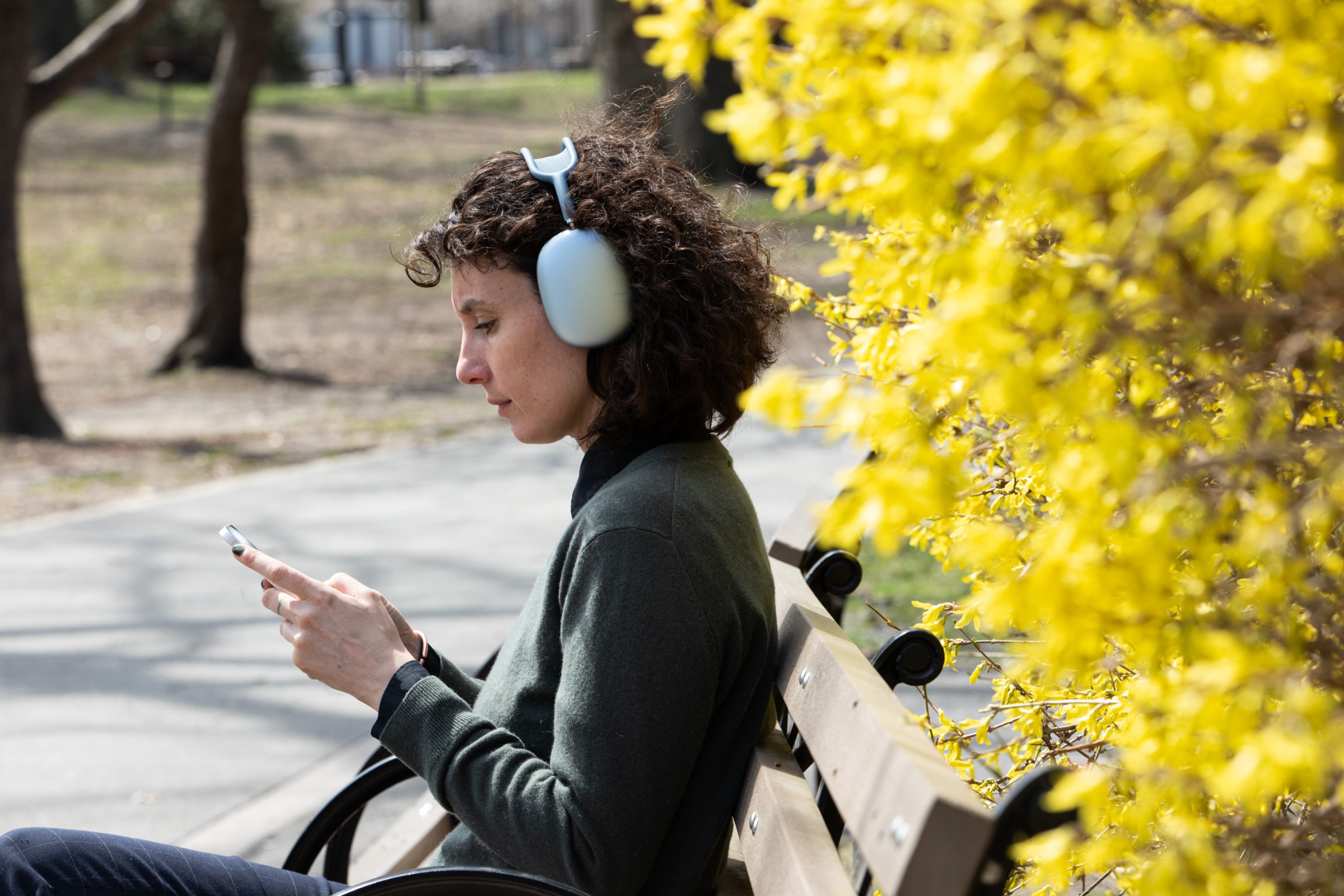
There’s also still no way to truly turn them off. While I like the simplicity of the listening mode button and digital crown, I still wish there was a toggle to completely power them down. Is it a big deal? They enter into a deep sleep when put in their “case” and a fully charged battery will last months in that state, so it’s not a major exclusion. But for my own peace of mind I wish the option was available.
And then there’s the price. Even with the increase to headphones pricing seen over the last year, at $549 Apple’s AirPods Max 2 are still around $100 more expensive than the Sony XM6 and Bose Ultra Headphones at their regular prices.
There’s no doubt the AirPods Max 2 are great headphones. They sound incredible, support spatial audio (for those who enjoy it), and have top-of-the-line ANC. They’re also very easy and intuitive to use with other Apple products thanks to fast pair and iCloud device switching. If you own the first-gen Max — especially the Lightning version — the AirPods Max 2 will be a great, albeit expensive, upgrade.
But I don’t think they’re the right headphones for the majority of people. Both the Sony XM6 and Bose Ultra are better options, especially outside of the Apple ecosystem, where the Max 2 lose many of their best features. They both sound good (although I’d say the Max 2 are a bit better than both) and have excellent noise cancellation, and they have better multipoint connection if you’re not all in on Apple. Plus, they’re less expensive, are lighter, and have better travel cases.
It’s frustrating, because with a few design tweaks, and a case that actually works as a case, the Max 2 could have been the perfect Apple headphones I’ve wanted for years. Instead, I’ll have to wait for the AirPods Max 3.
Photography by Amelia Holowaty Krales / The Verge
Read the full article here


