






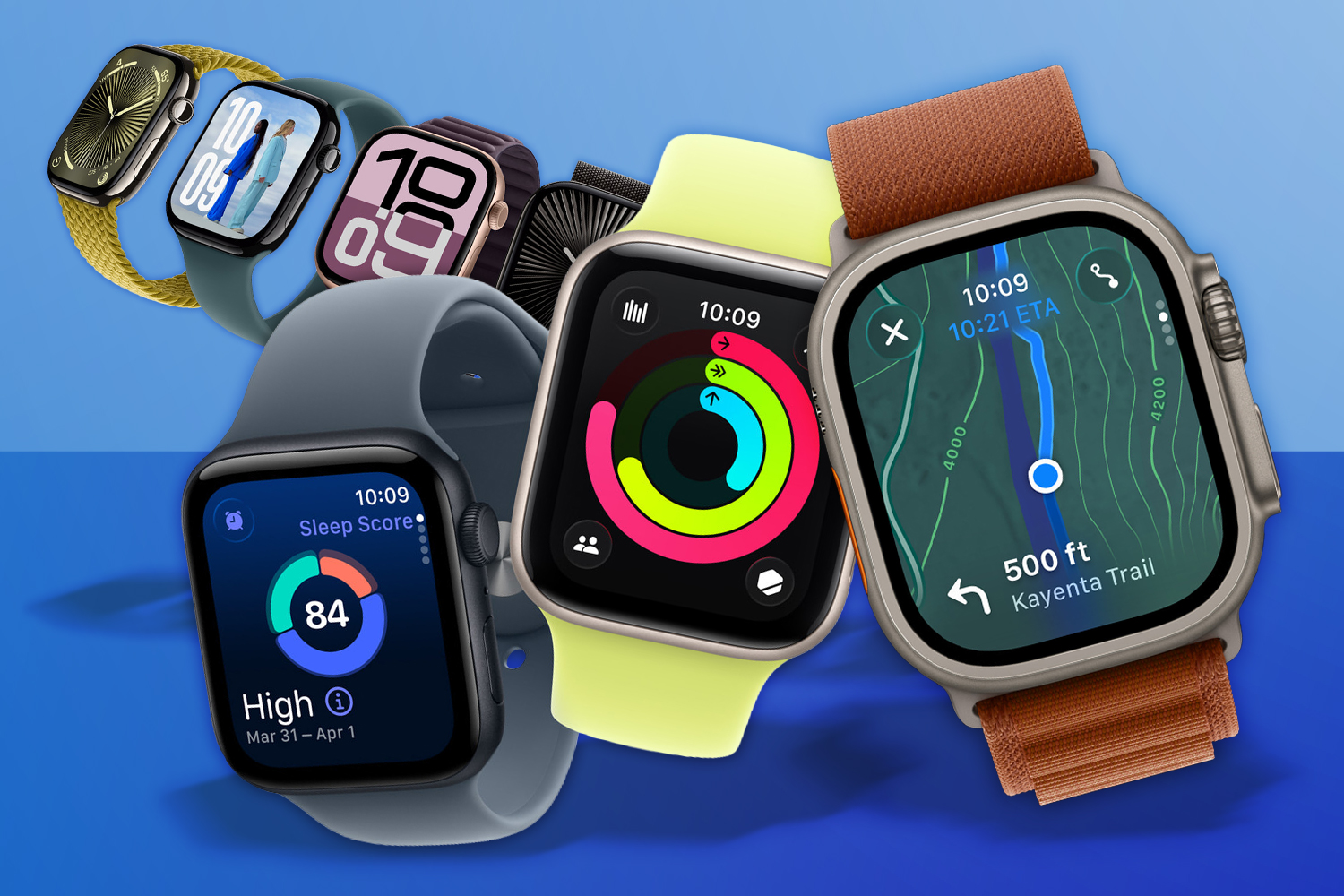
The European Union has today added smartwatches and fitness trackers to a host of device categories exempt from new rules on easily replaceable batteries. It’s both a common sense move and one that denies owners of devices like the Apple Watch, for instance, the ability to pop in a new battery without seeking outside help.
The EU’s rationale – and one likely argued by the manufacturers themselves – is that the safety, durability and water resistance could be compromised by users fiddling around with the enclosures and internals. In the case of smart watches and fitness trackers they’re designed to be deal with all manner of sweat, grease and rain – as well as actual pool or ocean water – and unless re-sealed properly would come a cropper after a repair.
The exceptions include smartwatches, fitness trackers, smart glasses and a number of other small wearable devices. Essentially, they’ll now be classed alongside other devices considered to be “wet appliances”. The decision is significant globally given tech companies would likely apply the EU mandate across its product lines, rather than revamp the industrial design of its products for one territory. This happened when the EU rules called for a standard charger and Apple dropped its Lightning standard worldwide.
The European Commission document says: “Wearables are portable electronic devices that are worn on the body and often have sensors and connectivity to collect and transmit data. Their use has increased significantly since Regulation (EU) 2023/1542 was adopted. Examples of wearables include smartwatches, fitness trackers, smart glasses or other electronic devices integrated into clothing and other accessories.
“The miniaturisation of wearable devices and the portable batteries powering them may result in situations where the battery is so tightly encapsulated in its receptacle that its removal may create a non-negligible risk of damage or piercing of the battery. Where the nature of the product hinders its redesign (anatomic or ergonomic considerations), it is justified that such small batteries be removable and replaceable only by independent professionals.”
In recent weeks I’ve written about various applications of the EU’s new repairability laws. While they’re intended to be for the public good, giving users the rights to meddle with their own tech without sending it off to the manufacturer, sometimes they can be counter productive.
This is a good example of a move that ensures it isn’t a catch all mandate that leaves a lot of collateral damage.


Read the full article here


