






With oil prices up and no clarity on when the cost of gas might fall (or at least stop rising), now could be a good time to consider an electric car.
But what if you can’t charge at home and make use of those extremely cheap overnight electricity rates? Perhaps you’re wary of the high costs of rapid public chargers, which can be 10 times that of filling the battery at home?
The answer could lie in a little-known bunch of Tesla cars built between 2012 and 2016 – Teslas that came with free, unlimited Supercharger access for life.
Yes, really. This may sound like an EV cheat code, but it’s true. Since these were the early days of Tesla as a high-volume car maker, it got into experimenting with ways to encourage drivers to buy an expensive EV from a relatively new car manufacturer.
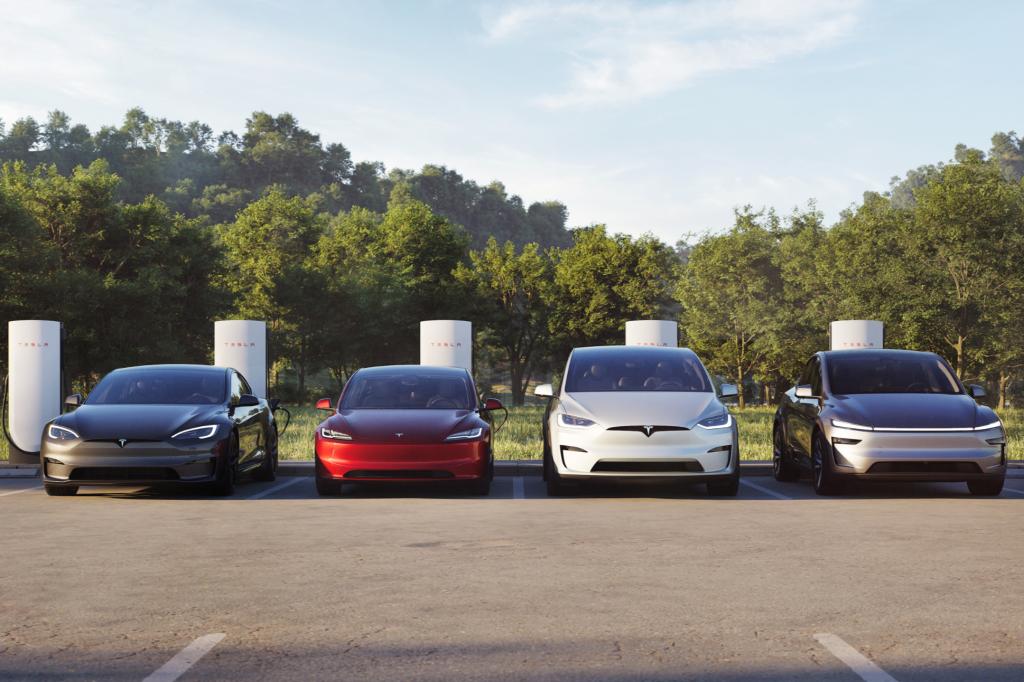
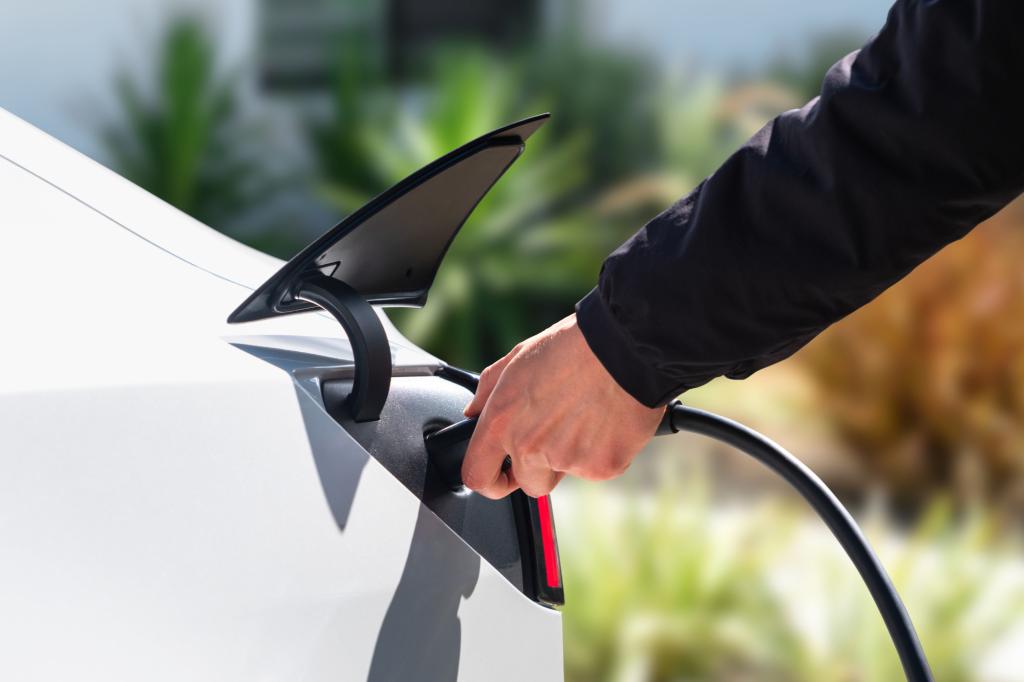
The incentive was simple to implement because Tesla controls its own charging system, called the Supercharger network, and this was years before drivers of other EVs could access it, as they can today. If a Tesla Model S or Model X came with the free Supercharging perk, the driver could simply stop at a Supercharger station, plug in, fill their battery and leave – all without the credit card on their Tesla account being charged.

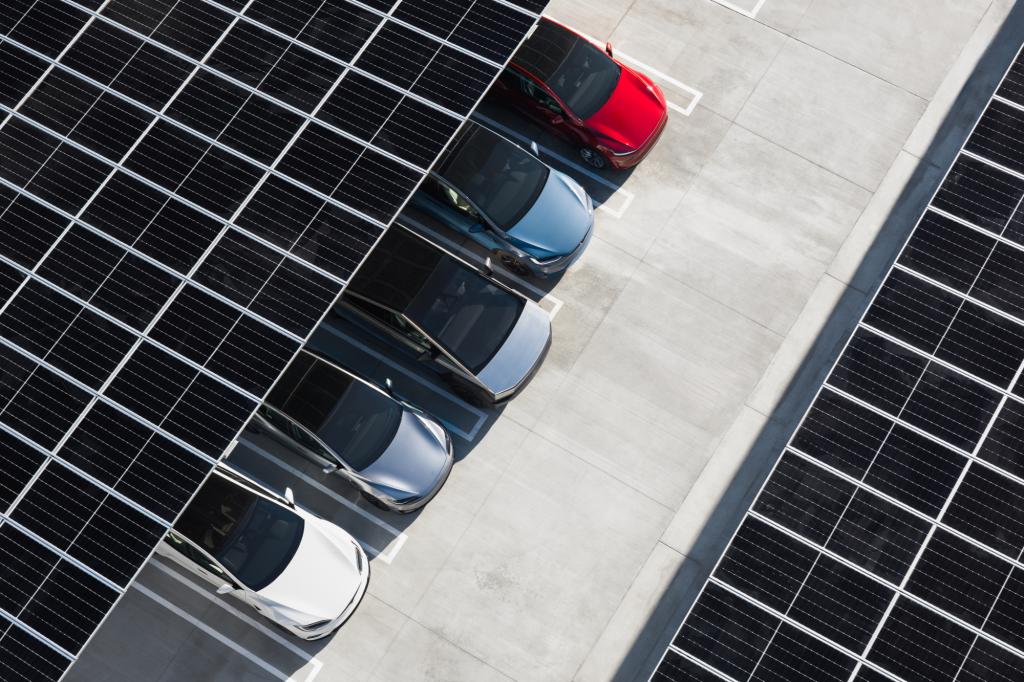
Tesla Superchargers tend to offer good value, even if you’re paying the standard rate of around 40 to 60 cents per kWh in the US (and around £0.50 to £0.70 in the UK). But with those costs slashed to zero, the owners of these early Teslas can save themselves a fortune every year.
Assuming average annual mileage, battery size and Supercharge price, free access could save today’s drivers around $1000 a year in the US, or about £900 in the UK, where prices are higher but average mileage is typically lower.
Buy a Model S back in 2012 when the free Supercharging perk was around, drive it like a regular car for the next 12 years, and you could have saved over $12,000 – all paid for by Tesla itself.
Teslas with free lifetime charging still exist and occasionally crop up on the used market. But they are increasingly rare and have often covered many miles. A recent example is a 2015 Model S Performance bought for just £5000 by YouTuber Jonny Smith. The UK car does indeed have free and unlimited Supercharge access, but it was also the cheapest Tesla for sale in the UK at the time, and had lived a hard life, covering almost 270,000 miles. But, crucially, the car is still roadworthy and if Jonny sticks to Superchargers for battery fills then Tesla is paying his fuel bill for him.
How to tell if a Tesla has free Supercharging
The most important rule here is to not rely on a sales listing. Instead, go to the charging menu in the car’s infotainment system, and if you’re in luck you’ll see a message of “Free Unlimited Supercharging” or similar. This might vary depending on which version of Tesla’s software the car is running.

If buying the car privately, ask the seller to show you the car on their Tesla smartphone app. The free Supercharging message will be written there too, usually among other charging details specific to that car.
Separately, the car might have a number of free Supercharger credits attached to it. This information is found by opening the Tesla app, then tapping the menu icon and going to ‘Charging’. Lifelong free Supercharging information is also found in the ‘Specs and Warranty’ section of the app.
Can free Supercharging be transferred between owners?
This is generally the case for many older Tesla cars built between 2012 and 2014. The free charging perk was attached to the car for life, and stayed with it even when transferred to a new owner. So yes, if the car you’re looking at has the lifetime perk, it’ll still work when you take ownership and add the car to your Tesla account.
That said, there are pitfalls here to look out for. As well as tying free charging to specific vehicles, Tesla has sometimes offered free charging through its referral programme, where existing customers are rewarded for encouraging others to buy a Tesla.
Between around 2017 and 2021, the referral programme included free charging as a perk for both the referrer and new customer, but with limitations. For example, an existing customer might be rewarded with 1000 miles of free Supercharge use, or a new buyer might get free access for a set number of months when entering a referral code with their car purchase.
These perks are all tied to the customer account and not to the car. So even if the car was sold while the perk was still active, it would not remain available if sold to someone else.
Can a Tesla lose access to free Supercharging?
Yes, and this is where things can get problematic. Tesla is known to have removed free Supercharger access from cars as they go through its own second-hand programme.
Whether this is Tesla trying to cut back on its Supercharger bill, or just a byproduct of factory-restoring older cars before reselling them, the jury’s out. But either way, it’s something to be aware of. Even if the previous owner shows proof the car had free Supercharger access for life, that could well disappear once it’s gone back to Tesla and been resold.
Does the Tesla Model 3 have free Supercharging?
Generally no, and especially not if buying a secondhand Model 3 today. Some early cars built in 2017 or 2018 came with limited amounts of free Supercharging, such as a few thousand miles’ worth, or for a handful of months. But the sort of free-for-life access seen on early Model S and Xs wasn’t offered on the Model 3 or Model Y. By then, Tesla had largely phased out using lifelong incentives to attract new business.
Liked this? All Tesla models ranked, from best to worst




Read the full article here


