





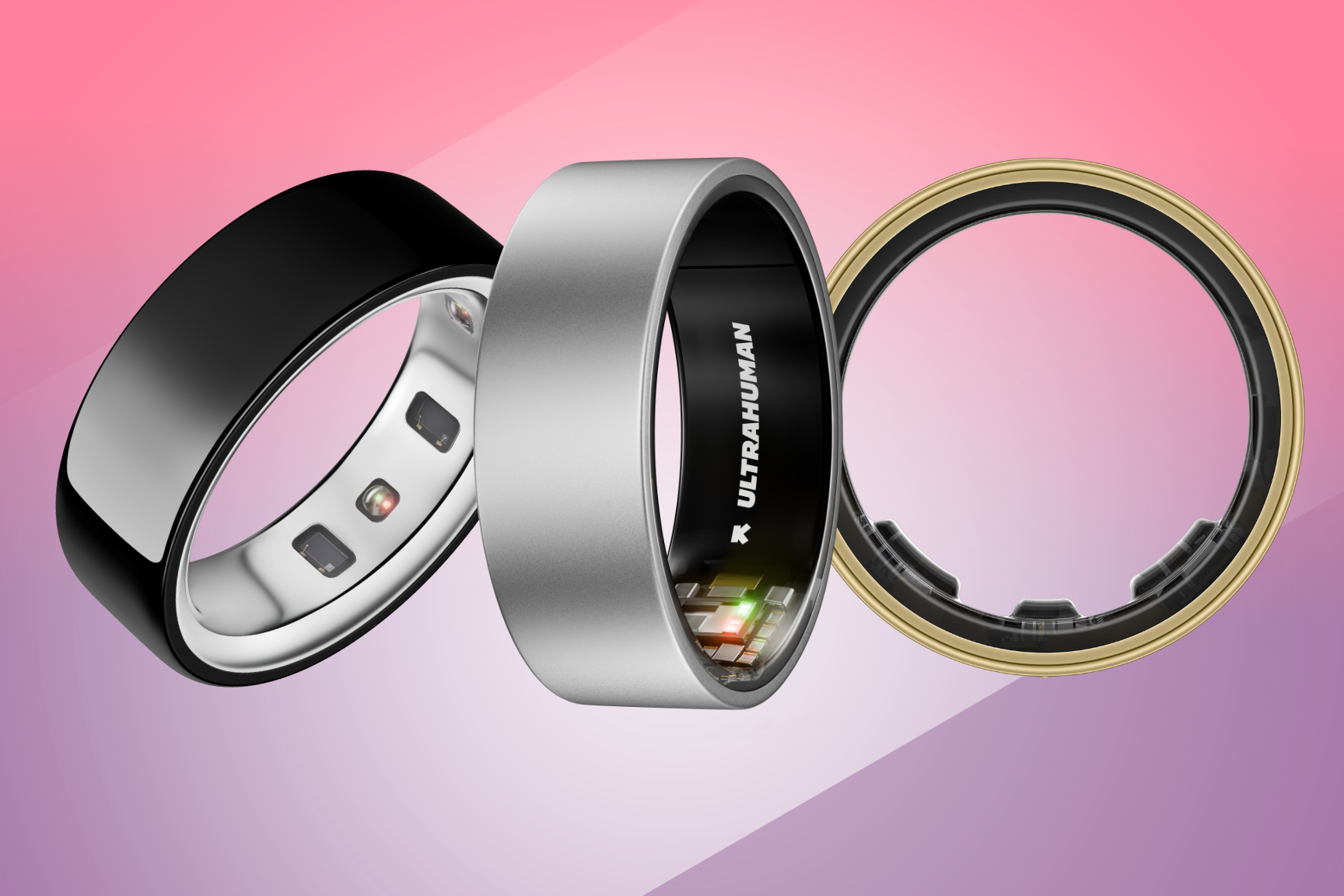
Wearable tech is getting smaller. Much smaller. Smart rings are the latest gadget everyone’s talking about. They’re tiny, sleek, and far less obtrusive than a bulky smartwatch, and they’re carving out a new niche in wearable tech.
Everyone is swapping their fitness trackers and smartwatches for smart rings that slip on like a normal piece of jewellery but still track sleep, steps, heart rate and more. It’s tech you barely notice, which can be a big deal if you’ve ever felt weighed down by a smartwatch.
Big brands you know and trust, like Samsung, are jumping into the ring game, and newcomers, like Oura and Ultrahuman, with fresh ideas, are shaking things up too. That’s pushed innovation forward fast, and given you a lot of choice.
We’ve put a whole bunch of smart rings to the test so you don’t have to guess which ones are worth your money. Some excel at fitness tracking, others at sleep tracking, and some are more comfortable than others. In this guide, we’ve rounded up the best smart rings available right now.
Why you can trust Stuff: Our team of experts rigorously test each product and provide honest, unbiased reviews to help you make informed decisions. For more details, read how we test and rate products.
Quick list: what is the best smart ring?
The best smart rings you can buy today:

1. Oura Ring 5
Scroll to see more →
| Specifications | Oura Ring 5 |
|---|---|
| Materials | Titanium (black, silver, brushed silver, stealth, gold, rose gold) |
| Sensors | Digital skin temperature, heart rate, blood oxygen LED, accelerometer |
| Connectivity | Bluetooth low energy |
| Battery | 6 to 9 days per full charge |
| Thickness | 2.28 mm |
| Weight | 2 – 2.69 g |
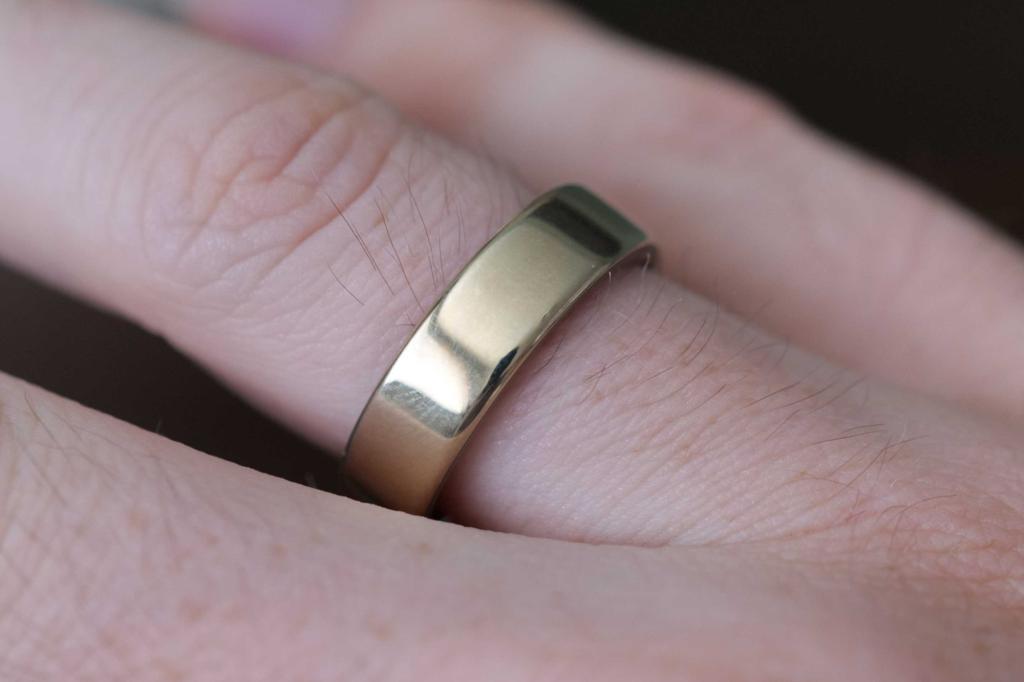
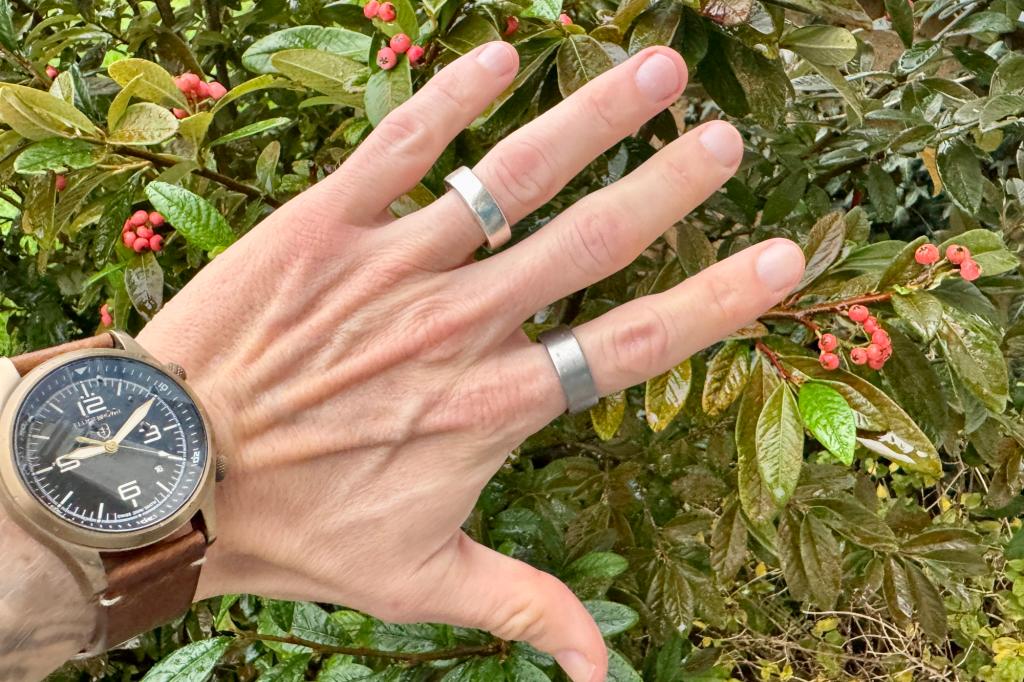
The Oura Ring 5 is the smart ring to beat right now. I wear it day and night for a month, and it never feels like tech.
It’s 40-percent smaller than the last generation, and you can genuinely feel the difference. Every other smart ring I’ve tested drew a comment from someone. This one hasn’t.
Comfort is excellent, even sleeping in it every night. The titanium build feels durable, and it’s rated for use up to 100 metres underwater.
Tracking accuracy has stepped up too. Readiness scores actually matched how I felt each morning, and it caught every workout and nap automatically. Battery life is strong as well, easily lasting a full week between charges.
The catch is cost. At $399/£399 upwards, plus a $5.99/£5.99 monthly fee just to unlock proper insights, it’s not cheap.
Why we chose it
Nothing else on the market matches this combination of size, comfort and accuracy. It’s the first smart ring I’ve worn that actually looks like jewellery, not a gadget. The readiness and sleep data proved reliably accurate against how I actually felt, most mornings.
Battery life meant it rarely got in the way of my routine. Yes, the subscription is annoying, and the price is steep. But for anyone serious about health tracking who doesn’t want to compromise on looks, this is the ring to buy.
2. Ultrahuman Ring Air
Scroll to see more →
| Specifications | Ultrahuman Ring Air |
|---|---|
| Materials | Titanium reinforced with Tungsten Carbide Carbon coating |
| Sensors | Heart rate, infrared PPG sensor for blood oxygen, six-axis motion |
| Connectivity | Bluetooth low energy |
| Battery | 24mAh LiPo battery around six days |
| Thickness | 2.45 – 2.8mm |
| Weight | 2.4 to 3.6 grams |
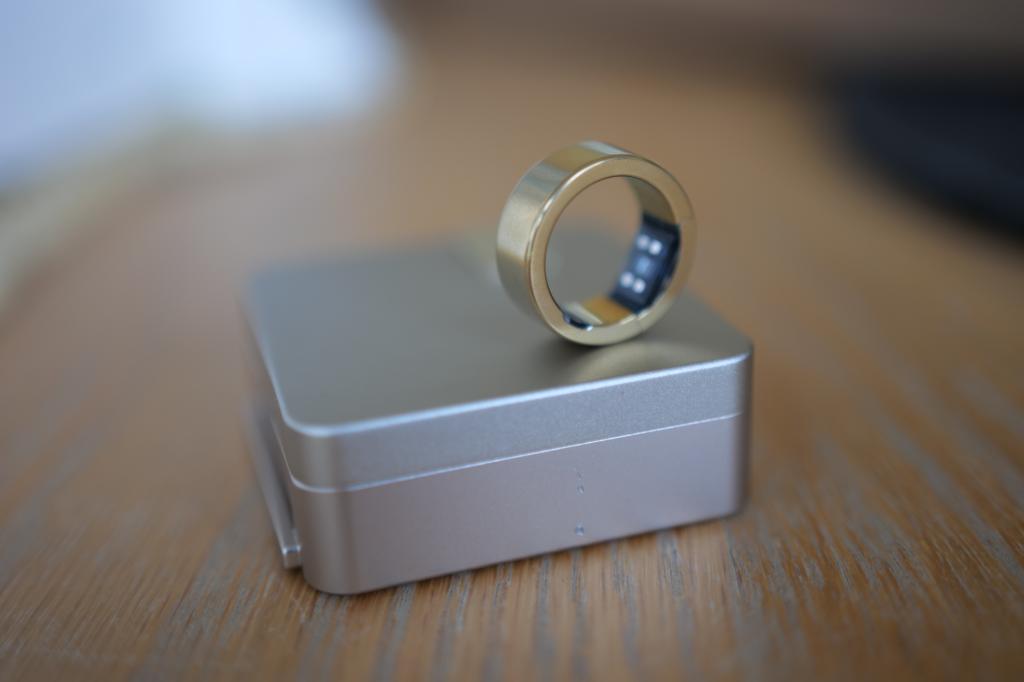
We wore the Ultrahuman Ring Air day and night for several weeks. It’s extremely light, and you genuinely forget it’s there.
We tested it alongside a Garmin Enduro, and the numbers lined up well. Step counts and resting heart rate were consistently close.
Sleep tracking is where it really shines. It flagged poor nights after late caffeine or stressful days, every time. The circadian rhythm guidance felt useful too, not just noise.
Battery life comfortably hit five days, even with every sensor running, and the waterproof build meant we never had to take it off.
It’s less convincing in the gym. Lifting weights felt uncomfortable, and heart rate during exercise wasn’t as precise as a chest strap.
The app pushes paid add-ons more than we’d like, but the core features are all included, which is more than can be said of Oura.
Why we chose it
For data-first people, this is a serious tool. Testing showed sleep and recovery insights that felt genuinely personalised once the metrics settled in. Battery life and comfort meant it disappeared onto our finger, which matters for a device you’re meant to wear constantly.
It’s not built for weightlifting, and the app’s upselling is a bit much. But for anyone who wants deep fitness and recovery data without strapping on a watch, the Ring Air is a strong pick.
3. Ultrahuman Ring Pro
Scroll to see more →
| Specifications | Ultrahuman Ring Pro |
|---|---|
| Materials | Titanium |
| Sensors | Continuous heart rate, HRV, body temperature, and a 6-axis motion sensor |
| Connectivity | Bluetooth 5.3 |
| Battery | Up to 12 days in Turbo mode and up to 15 days in Chill mode |
| Thickness | 2.65mm |
| Weight | 3.3 – 4.8 g |
The Ultrahuman Ring Pro is all about battery life – Ultrahuman quotes up to 15 days, and I’ve found that more or less accurate. That’s genuinely impressive for a smart ring.
Like the Ring Air above, it works without a subscription. Every core feature is included in the price, no monthly fee required, although there are a few optional services you can add for an extra price.
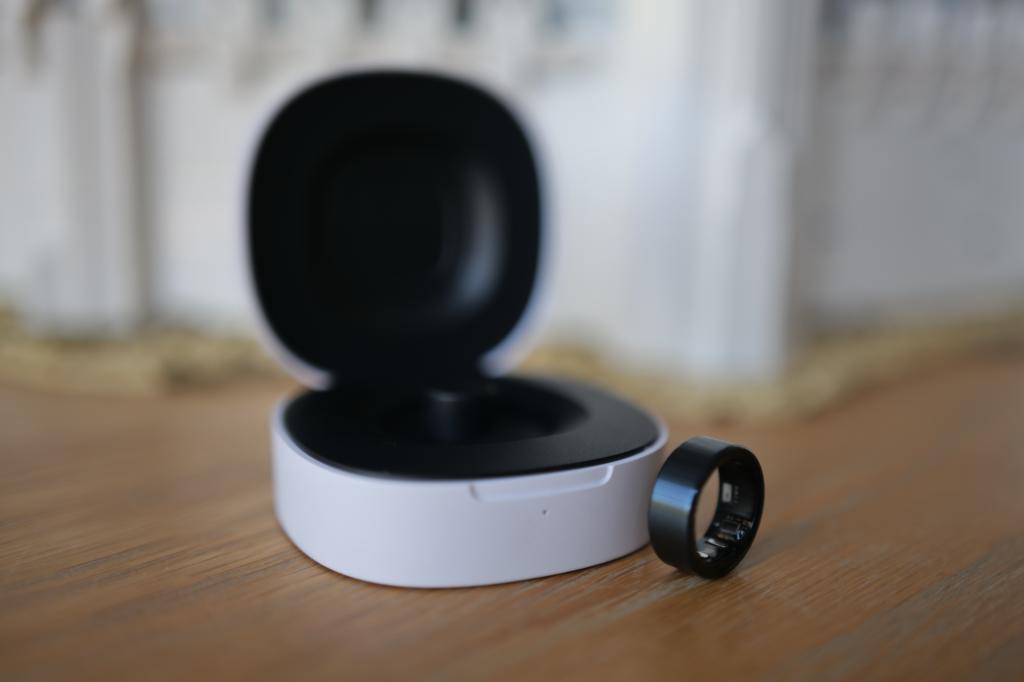
It also comes with a wireless charging case included, which is a nice touch (Oura makes you pay extra for that).
One feature I really like is the ProRelease safety design, which is a breakaway section designed to be easily separated by medical professionals in the event of finger swelling or trauma.
Now, the trade-off is size. It’s chunky, built to fit that bigger battery in, and I found it a little uncomfortable to wear. Honestly, I think it looks a bit goofy too. It doesn’t have the jewellery-like feel of some rivals.
Why we chose it
If battery life is your priority, nothing else comes close. Going over two weeks without charging changes how you use the ring day to day. No subscription and a bundled charging case make it feel like better value too, especially next to Oura.
It’s not the most comfortable or elegant smart ring we’ve tested, and the bulk is noticeable on the finger. But for anyone who wants maximum battery and no hidden costs, the Ring Pro is hard to beat.
4. Leep Ring 1
Scroll to see more →
| Specifications | Leep Ring 1 |
|---|---|
| Materials | Titanium shell with hypoallergenic inner lining |
| Sensors | PPG biometric heart rate monitor, skin temperature sensor, accelerometer, and SpO2 (blood oxygen) monitor |
| Connectivity | Bluetooth |
| Battery | 8 to 10 days with portable charging case providing up to 60 days |
| Thickness | 2.22 – 2.6mm |
| Weight | 2.5g – 6g |
The Leep Ring 1 proves you don’t need to spend big to get a decent smart ring. It’s US$199 / £169, less than half the price of most big-name rivals. It’s subscription-free too, so there’s no monthly fee hanging over you.
I’ve been genuinely impressed with the build quality. It doesn’t feel cheap at all, the titanium finish feels just as premium and metallic as rings costing twice as much (although the design is a little plain and utilitarian).
At 2.6mm, it’s slimmer than most competitors too, and battery life is strong at 8 days, with a charging case supplied in the box for another 60-plus days on the go.
The app is where it shows its price point. It’s clear and easy to read, but fairly basic and we did have a few syncing issues. It’s nowhere near as comprehensive as something like Ultrahuman.
Why we chose it
For anyone who wants solid sleep tracking and step tracking without the big-brand price tag, this is the ring to get. The build quality genuinely surprised us, it doesn’t feel like a budget product on your finger.
No subscription and a bundled charging case make it easy to recommend too. The app won’t satisfy data obsessives, but for simple, stress-free sleep guidance, the Leep Ring 1 delivers well above its price.
5. Luna Ring 2
Scroll to see more →
| Specifications | Luna Ring 2 |
|---|---|
| Materials | Titanium body with PVD coating (available in multiple finishes) Sensors |
| Sensors | Heart-rate (optical PPG), blood-oxygen (SpO₂), skin-temperature sensor, accelerometer / motion sensor |
| Connectivity | Bluetooth low energy |
| Battery | Up to five days, 30 days with charging case |
| Thickness | 2.9mm |
| Weight | 3 – 5g |
We’ve been wearing the Luna Ring Gen 2 daily for several weeks, including overnight, on walks, during workdays and alongside a Garmin Enduro 3 for comparison. On paper, it gets a lot right. It’s light, well-specced, and refreshingly free of subscriptions, which already puts it ahead of some big-name rivals. The included charging case is genuinely useful too, stretching battery life to around a month without needing a plug – a small thing that makes a big difference if you travel a lot.
In use, the ring delivers solid wellness tracking. Step counts closely matched our Garmin, sleep staging felt accurate, and automatic detection of obvious activities like walks and jogs worked reliably. Heart rate data was less precise during higher-intensity sessions, but that’s a familiar smart ring limitation rather than a Luna-specific flaw. As a general health companion, it builds a clear picture over time and offers sensible, easy-to-understand guidance in the app.
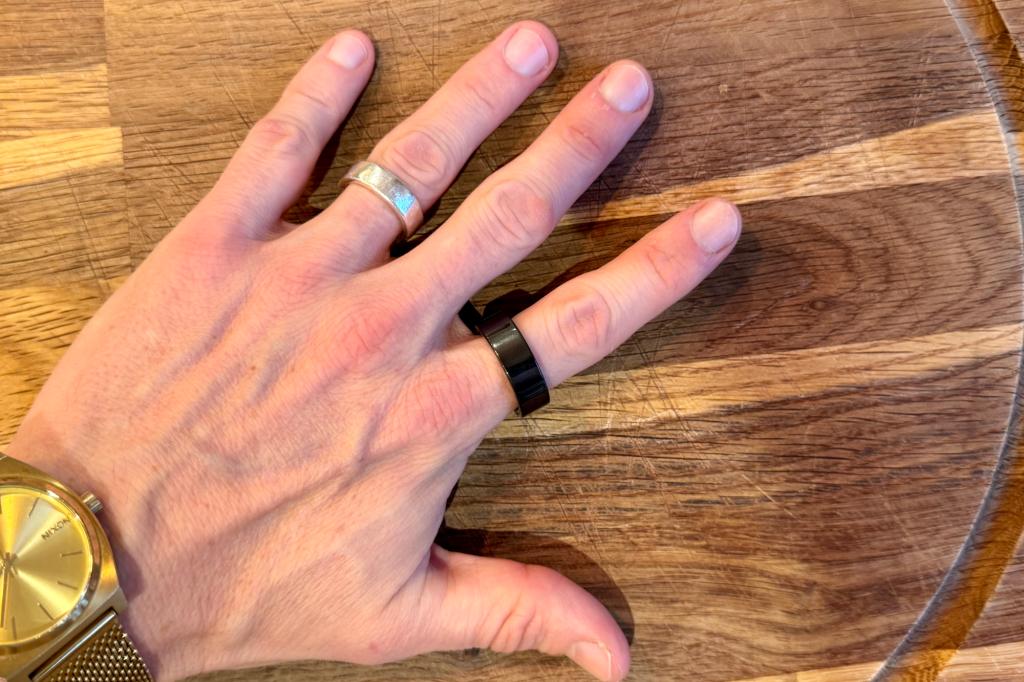
Where Luna falls down is comfort and finish. The protruding internal sensors make it feel bulkier than Oura or Ultrahuman, and the flashing green LEDs at night are distracting. We also had to take it off in the gym, where gripping weights was uncomfortable and scratching felt inevitable. The app is comprehensive and nicely laid out, but the AI tools feel basic and often no better than what you’d get elsewhere.
Luna Ring Gen 2 is smart, capable and good value. It just doesn’t feel quite premium enough to truly stand out.

6. Samsung Galaxy Ring
Scroll to see more →
| Specifications | Samsung Galaxy Ring |
|---|---|
| Materials | Titanium (black, silver, gold) |
| Sensors | Accelerometer, skin temperature, PPG |
| Connectivity | Bluetooth 5.4 LE |
| Battery | 18-23.5mAh (Size 5-13) seven days |
| Thickness | 2.6mm |
| Weight | 2.3 – 3g |
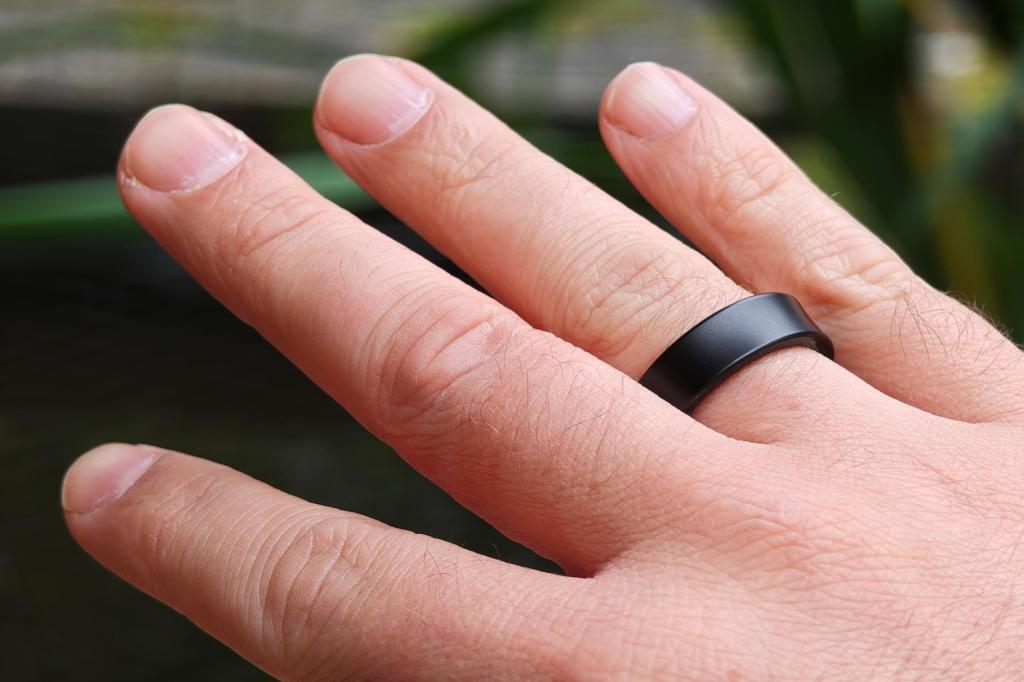
We’ve been wearing the Samsung Galaxy Ring day and night for a few weeks, pairing it with Android phones and comparing its data against a regular smartwatch. This might be Samsung’s first smart ring, but it doesn’t feel like a tentative debut. The design is impressively slim, genuinely jewellery-like, and easy to forget about once it’s on – especially compared to sleeping with a watch strapped to your wrist.
Wellness tracking is the Galaxy Ring’s strong suit. Step counts landed close to our smartwatch totals, sleep tracking felt consistent with how rested we actually felt, and Samsung Health does a great job of turning raw data into something useful. The Energy Score and sleep insights are especially good at nudging better habits without becoming preachy. Notably, there’s no subscription fee, which makes the £399/$399 price much easier to swallow than some rivals.
That said, it’s not a fitness tracker replacement. There’s no GPS, limited workout support, and anything beyond walking or running still needs your phone. Heart rate data is fine for general trends, but not detailed training. Battery life sat at around six days in real use, with the clever charging case making top-ups painless.
The bigger catch is compatibility. It’s Android-only, works best with Samsung phones, and adds little if you already wear a smartwatch all day. As a sleep-first, wellness-focused companion, though, the Galaxy Ring is a confident and polished start.
What to consider when buying a smart ring
Smart rings have quickly become one of the most popular categories of wearables, mostly because they solve the problem everyone has with smartwatches: nobody wants to strap a screen to their wrist 24/7 (especially overnight). But before you buy one, here are the points you’ll need to consider.
Sizing is the first hurdle, and it’s a bigger deal than with a watch. Most brands (Oura, Samsung, Ultrahuman, etc) post you a sizing kit before you commit to a purchase, and I’d always recommend using it and wearing them for a few days to find your true size. Fingers swell throughout the day, so you want a ring that’s comfortable at your largest.
Then there’s the issue of subscriptions. Oura still charges a monthly fee for full access to its insights, while most rivals, including Samsung, Ultrahuman, and Leep, don’t. It’s worth factoring into any price comparison.
Battery life and charging are worth checking too, since it varies more than you’d expect. Smart rings are teeny tiny, and battery life can be anywhere from four days to a week depending on the brand and how much always-on tracking you’ve got switched on.
Also thing about what you want tracking: sleep, heart rate variability, and readiness scores are fairly standard now, but things like blood oxygen, temperature trends, and cycle tracking aren’t universal. Smart rings are great at giving you an overall picutre of your health, but if you’re training for a marathon, then a GPS sports watch is still the better option.
Finnally, it’s important to think about design and finish. Do you want a gold ring to match your wedding band, or maybe a more masculine raw titanium finish? Whatever you pick, make sure you’re happy with it before purchasing.
Smart rings spec comparison
Scroll to see more →
| Specifications | Oura Ring 5 | Ultrahuman Ring Air | Ultrahuman Ring Pro | Leep Ring 1 | Luna Ring 2 | Samsung Galaxy Ring |
|---|---|---|---|---|---|---|
| Materials | Titanium (black, silver, brushed silver, stealth, gold, rose gold) | Titanium reinforced with Tungsten Carbide Carbon coating | Titanium | Titanium shell with hypoallergenic inner lining | Titanium body with PVD coating (available in multiple finishes) Sensors | Titanium (black, silver, gold) |
| Sensors | Digital skin temperature, heart rate, blood oxygen LED, accelerometer | Heart rate, infrared PPG sensor for blood oxygen, six-axis motion | Continuous heart rate, HRV, body temperature, and a 6-axis motion sensor | PPG biometric heart rate monitor, skin temperature sensor, accelerometer, and SpO2 (blood oxygen) monitor | Heart-rate (optical PPG), blood-oxygen (SpO₂), skin-temperature sensor, accelerometer / motion sensor | Accelerometer, skin temperature, PPG |
| Connectivity | Bluetooth low energy | Bluetooth low energy | Bluetooth 5.3 | Bluetooth low energy | Bluetooth low energy | Bluetooth 5.4 LE |
| Battery | 6 to 9 days per full charge | 24mAh LiPo battery around six days | Up to 12 days in Turbo mode and up to 15 days in Chill mode | 8 to 10 days with portable charging case providing up to 60 days | Up to five days, 30 days with charging case | 18-23.5mAh (Size 5-13) seven days |
| Thickness | 2.28 mm | 2.45 – 2.8mm | 2.65mm | 2.22 – 2.6mm | 2.9mm | 2.6mm |
| Weight | 2 – 2.69 g | 2.4 to 3.6 grams | 3.3 – 4.8 g | 2.5g – 6g | 3 – 5g | 2.3 – 3g |




Read the full article here


