







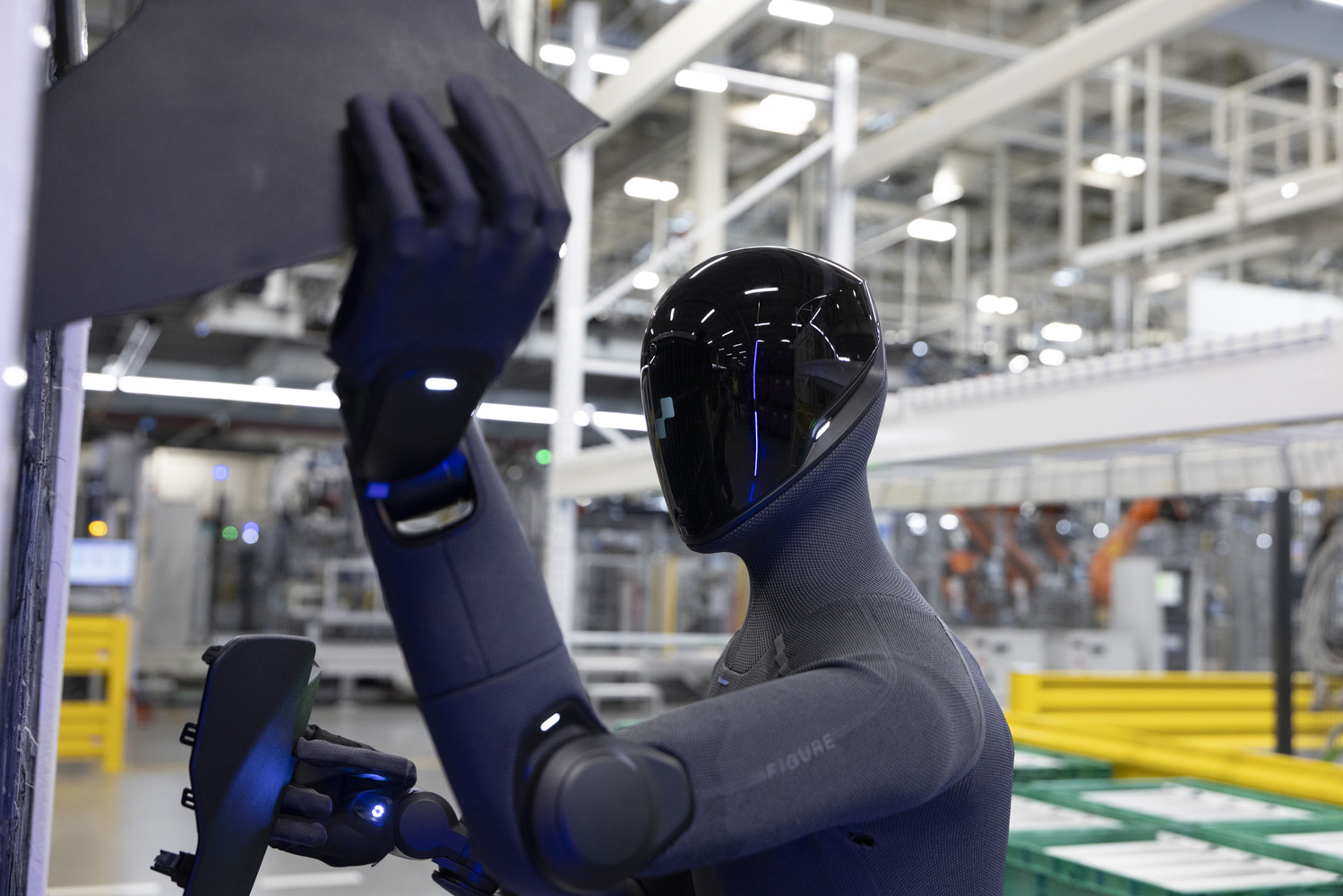
In a glimpse of the future, electric car maker BMW has recently upped its use of humanoid robots in its factory at Plant Spartanburg in South Carolina, USA. The facility employs 11,000 people who have now been joined by the humanoids, known as Figure 03.
They follow on from a test of a previous test version of the humanoid, unsurprisingly known as Figure 02. Both have been developed by tech firm Figure AI, working alongside BMW.
The robots are an example of so-called Physical AI, joining up the physical world with AI. While the previous pilot took place in the body shop supporting the production of more than 30,000 BMW X3s over ten months, Figure 03 will be deployed to solve “complex sequencing applications” in logistics.
What that really means is that they will ensure parts arrive in the right order they’ll be installed on the car rather than as a jumble of components. Essentially, Figure 03 will sort the parts into a trolley where the parts are presented in the correct way. The trolley will then be picked up by other transport and moved to the production line. This will save time for humans (and presumably other robots) putting vehicles together.
“Plant Spartanburg is the birthplace of humanoid robotics in BMW Manufacturing’s operational day-to-day activities” says Ulrich Wieland, head of Production Control and Logistics at BMW Manufacturing.
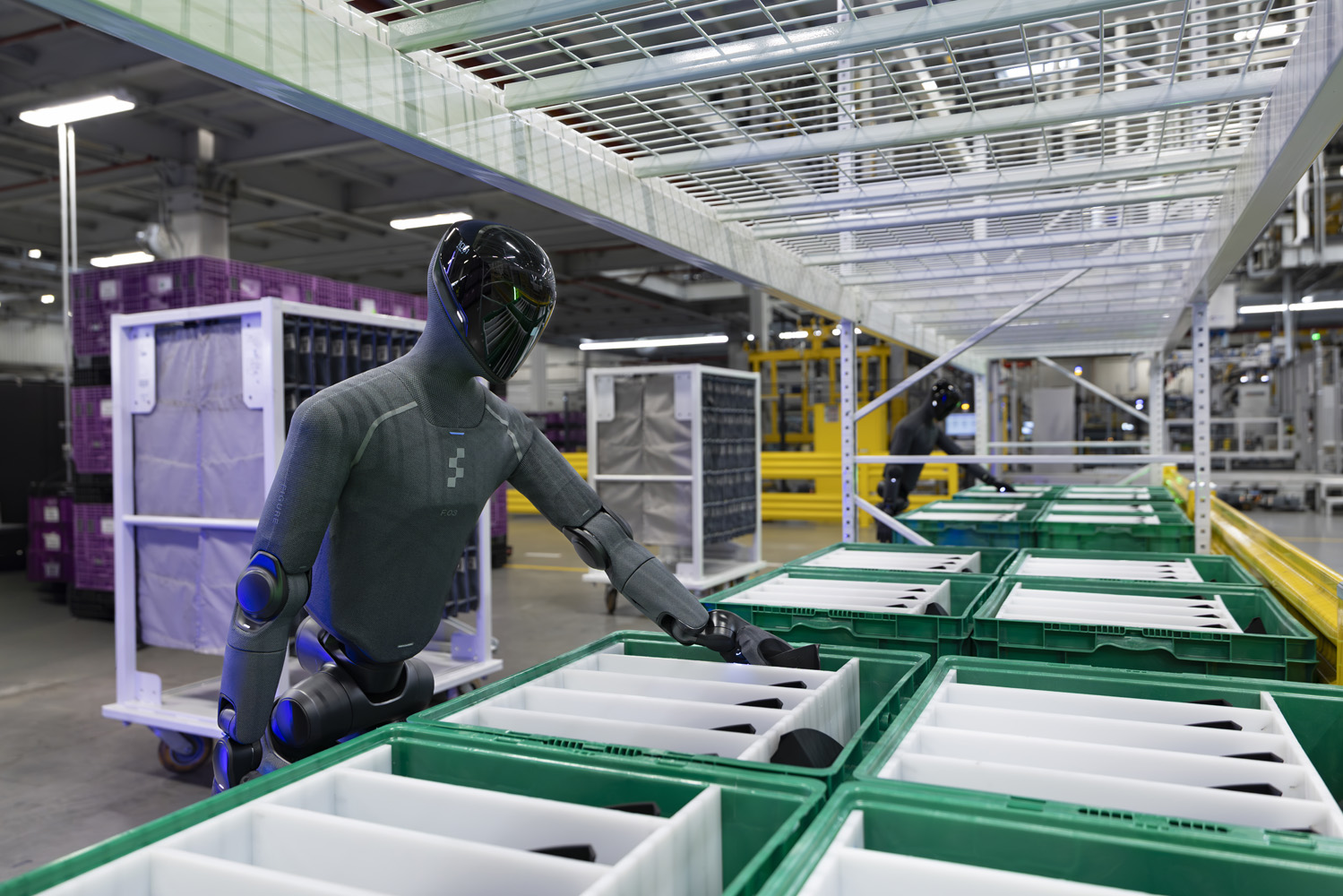
In the previous body shop pilot, the robot inserted sheet-metal parts for the welding process, which BMW says can be an intense task and which demonstrated that the humanoids could safely perform precise repetitive work. The use of the humanoids is part of the modernisation of the Hall 52 facility at Plant Spartanburg where variants of the BMW X3 and new electrified BMW iX5 will be assembled.
“Our 11-month deployment of Figure 02 proved that humanoids are no longer lab experiments – they can be a valuable asset in establishing a flexible, reliable manufacturing workforce,” says Brett Adcock, CEO of Figure AI.
“[Figure 03] introduces several new features [including] soft components designed for enhanced safety, wireless charging designed for higher availability and audio functions for speech-to-speech communication, along with improved hands with tactile sensors and palm cameras designed to increase precision and dexterity,” adds Adcock.
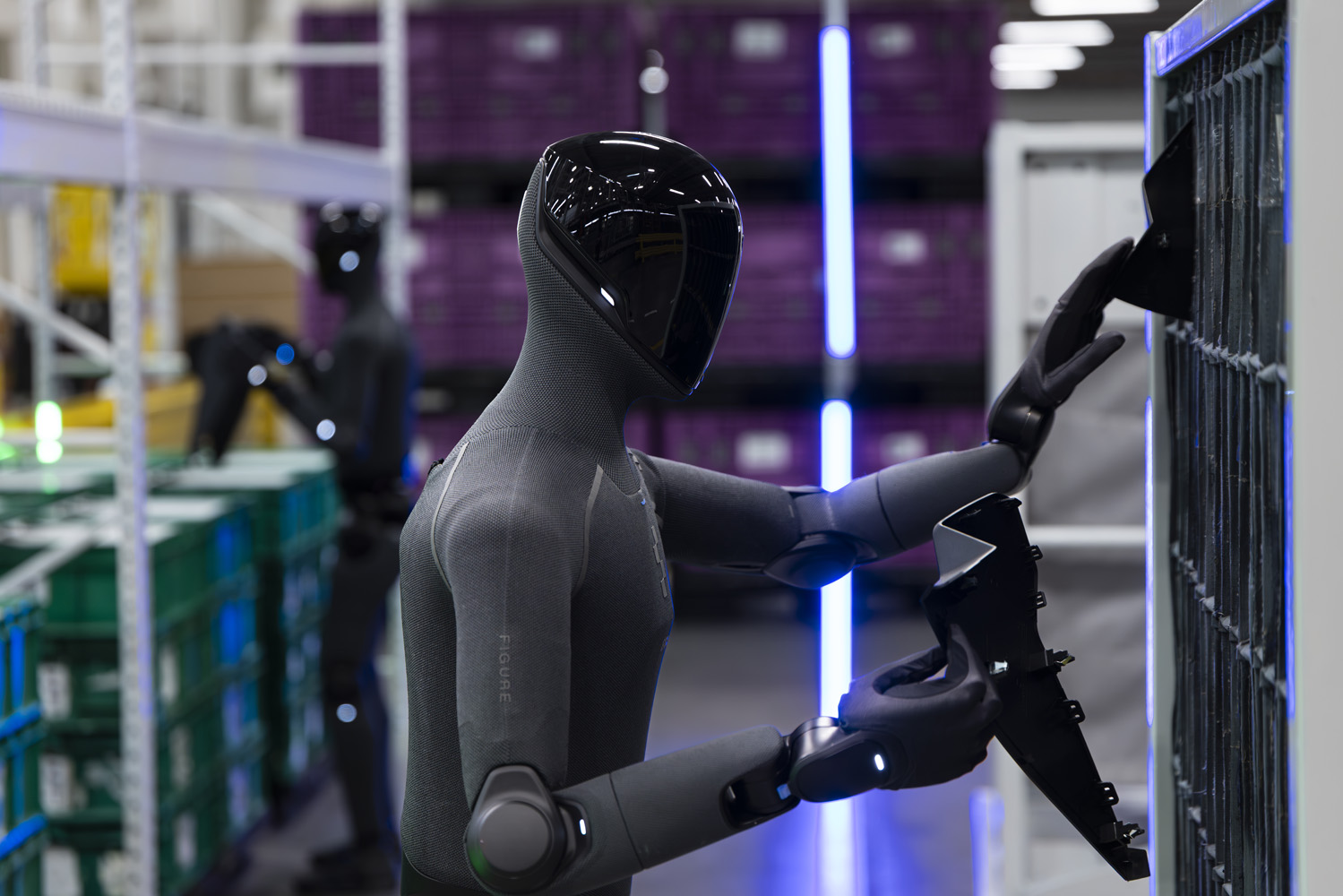
BMW says the use of humanoid robots “is a value-adding complement to existing automation,” not a replacement, but it does make you wonder what processes will be replaced by robotics over the next few years. However, BMW says that for now the “potential lies particularly in monotonous, ergonomically demanding, or safety-critical activities” with the aim to utilise employees where they are actually needed.




Read the full article here


