







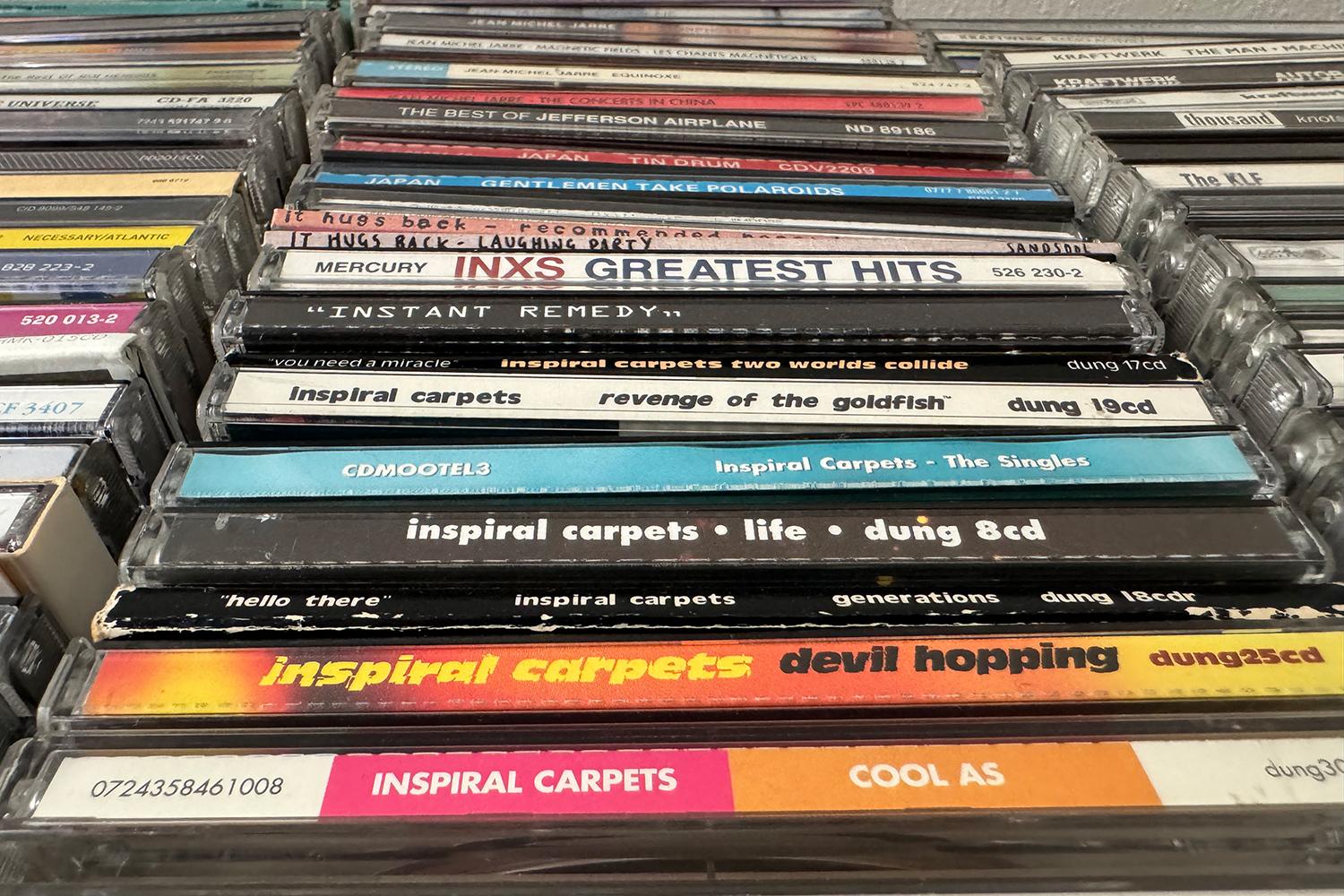
As Sony goes about killing gaming discs – to the chagrin of an enormous number of PlayStation gamers (don’t believe me? Check out the comments on the latest Wolverine trailer) – the humble shiny frisbee seems to be having a moment in the sun among music fans.
New reporting from Luminate claims compact disc sales have jumped by 16% in the first half of 2026, with 16.3 million units sold. That outstrips the growth of vinyl records, which only saw a 2.4% increase during the first half of 2026.
We’ve seen vinyl records and even cassette tapes enjoy a resurgence in popularity in recent years. Sales of classic used iPods are increasing as users seek music without a screen. So what’s drawing the increase in CD sales? Might it be that the format is still unsurpassed in terms of quality in the physical media realm? Probably not. Luminate points out it was the release of the K-Pop band BTS’ latest record had the largest impact on sales.
There are other factors in play too, including, Luminate says, that Gen Z have become aware of music made before this century. This happens from time-to-time. It’s usually when a song from the 80s or 90s appears on a streaming show. Then they act like they discovered it all by themselves. Anyway, that’s another gripe for another time.
Luminate’s mid-year trend report says: “CD sales surged 16 percent to 16.3 million units, out pacing vinyl’s modest 2.4 percent growth, thanks largely to BTS’ ARIRANG. Strip out BTS and the wider K-pop catalogue, and CD s ales still grew by 6.7 percent, helped along by 60 percent of Gen Z listeners now saying they most listen to music from the 1990s or earlier, up from just 18 percent in 2021.”
However, bizarrely, around half of the Gen Z and Millennial fans who bought a CD in the last six months don’t actually own a CD player, so perhaps we shouldn’t expect a full Discman revival?
Luminate reasons the phenomenon suggests “the CD has been recontextualised from a functional audio format into an affordable collectible. This behaviour underscores that for younger generations, the act of buying physical music is as much about aesthetic ownership and direct financial support for the artist as it is listening to the music on the product itself.”


Read the full article here


