







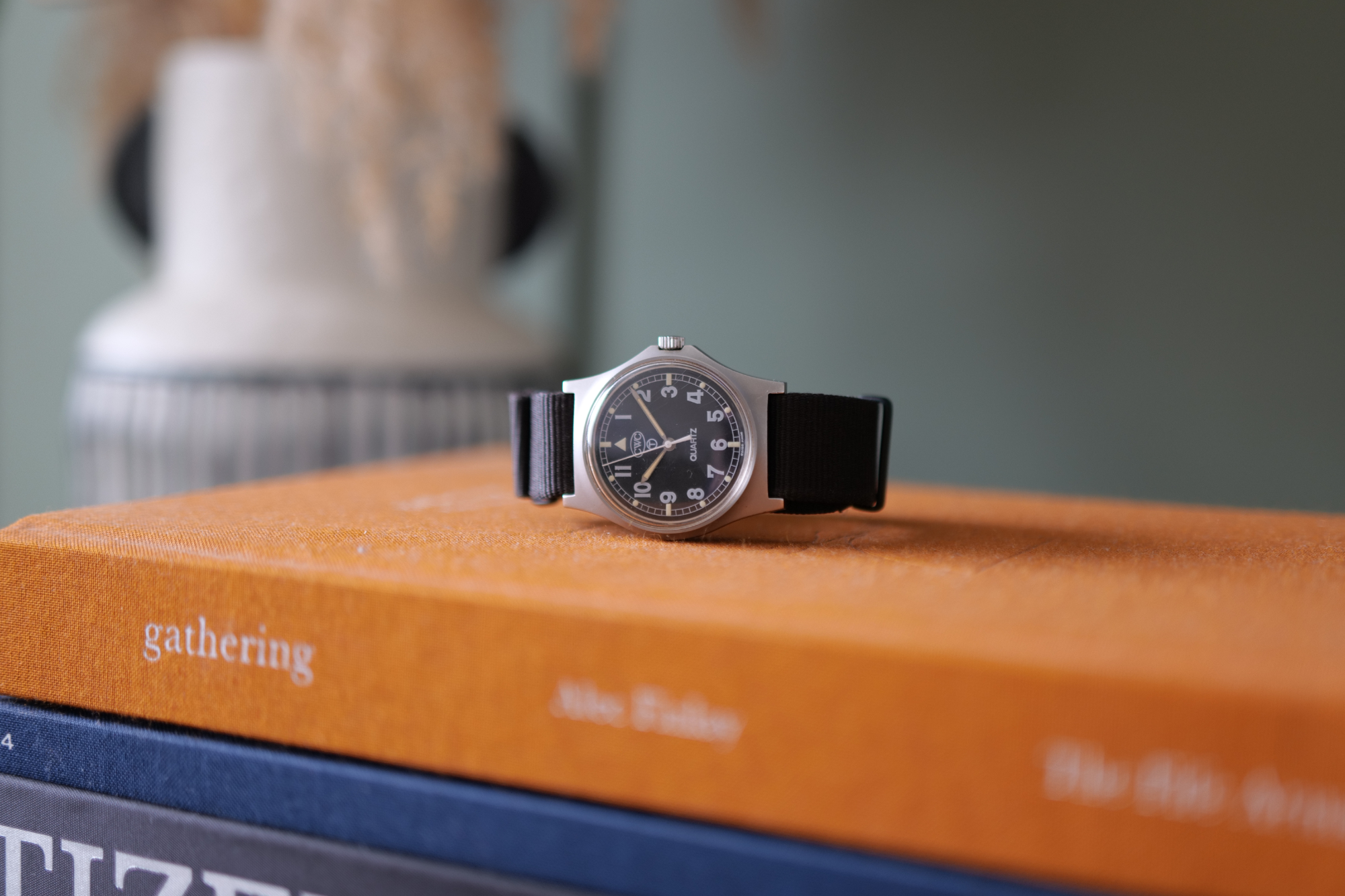
Without waxing nostalgic, there are some fantastic vintage watches out there, from the undiscovered to the iconic, unimpeachably timeless to painfully of their time. And while the modern watch release slate continues ever on, sometimes it’s worth taking a step back from the latest 1000m dive watch to see what older timepieces can offer.
In this current climate of endless heritage throwbacks, vintage watches are more in the spotlight than ever before – and if you’ve yet to explore why, then allow me to enlighten you with five reasons vintage watches are better than new.

1. Unsurpassed Heritage
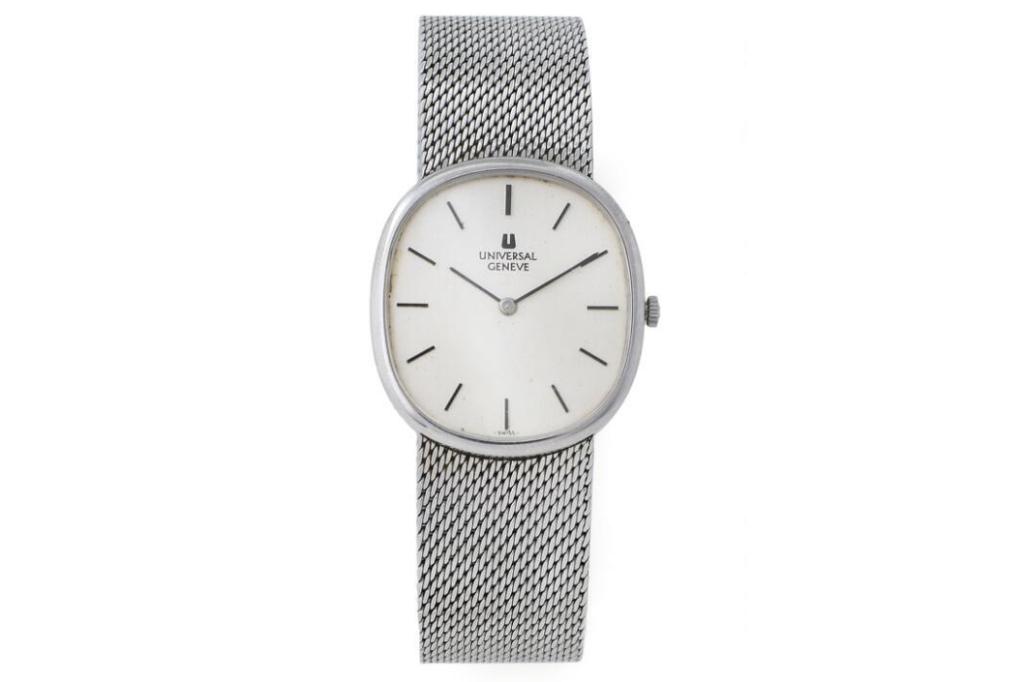
Vintage watches have history. I don’t just mean that they have a sales record longer than your partner history, but that they come from a completely different era.
Watches like the Dirty Dozen, built for the Ministry of Defence, are inseparable from WWII; certain Rolex Daytonas are forever linked to Steve McQueen and the Cartier Santos to the history of aviation.
And that’s before you start getting granularly specific to the watch industry, like the impact of the Zenith El Primero on automatic chronographs.
Yes, there are modern reissues that have a slight claim to that history – modern Omega Speedmasters, Zenith Revivals, the entirety of Nivada Grenchen – but their simulations. Even the highest fidelity of them don’t have that same weight of history, the feeling that you have a relic of a bygone era on your wrist.

2. Limitless Variety
Modern watches are boring. There, I’ve said it. Yes, there are some outliers, largely from independent watchmakers, but most new timepieces fit a clean archetype. You know what to expect with a modern dive watch and while that safety can be reassuring, safety isn’t exciting.
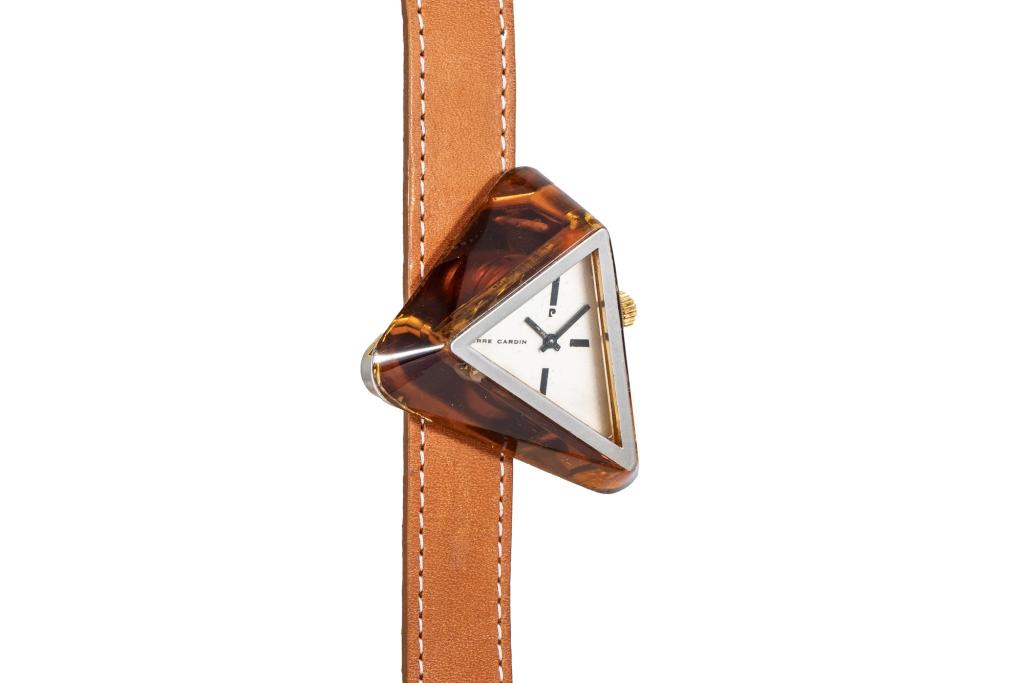
On the other hand, look at Pierre Cardin’s Espace watches from the early 70s, futuristic, geometric, artistic, or Tissot’s original Rock Watch, still an absolute steal in 35mm of granite. The stunning Philosophique was Audemars Piguet before Royal Oak calcification set in, and if you ever find a Domino’s Pizza Rolex (technically neo-vintage), get it.
It is worth noting that none of the pieces mentioned above came out at the same time, meaning it’s not just that watchmakers of the past took more risks, it means that when you’re drawing from the last century of watchmaking rather than just the last decade, the options are endless.

3. Guaranteed Rarity
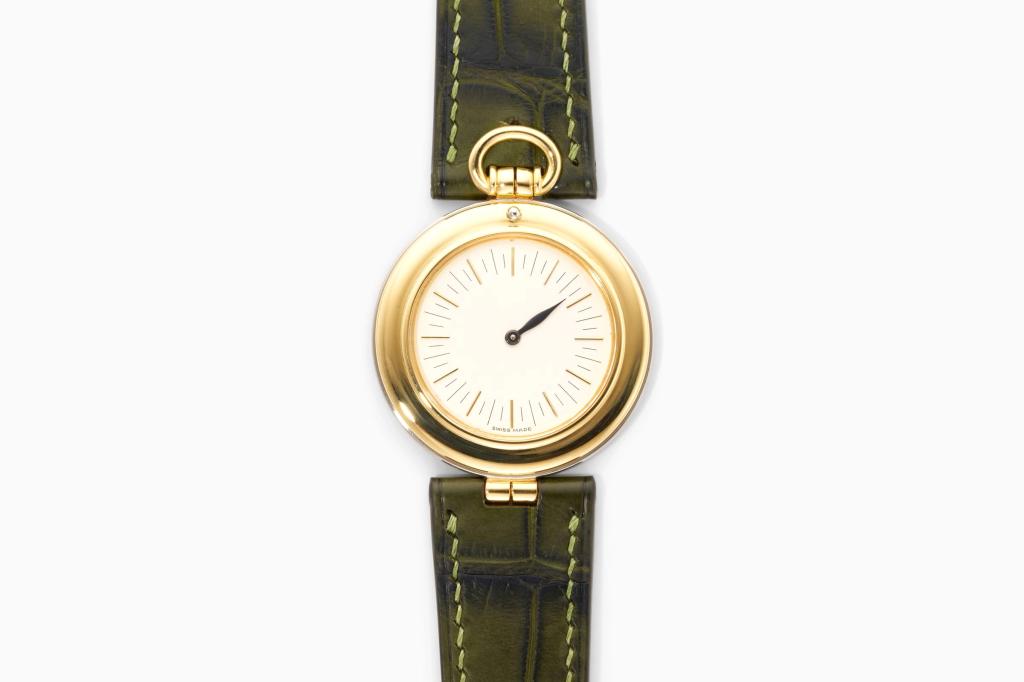
In the past, most watches were produced in a less industrial way than modern watches, meaning lower numbers. Combine that with the numbers that failed to survive the decades since their mainspring was first wound and you end up with relatively low numbers of watches.
I don’t even mean uber-rare grails either; yes, Patek Philippe unique piece minute repeaters are only an option for oligarchs, sheiks and the occasional billionaire tech CEO, but watches that were once common like Junghans’ handsome German military pieces are rarer than most modern watches.
This rarity means two things. First, it’s unlikely you’ll see someone else wearing one at the same time as you. Even if you’re a regular at watch meet-ups, chances are low. Second, it means that if you’re after a specific vintage watch, there’s the thrill of the hunt. You can’t just go into any retailer and grab one box-fresh off the shelf, you need to put the work in – and therefore really appreciate the final pay-off.
4. Graceful Aging
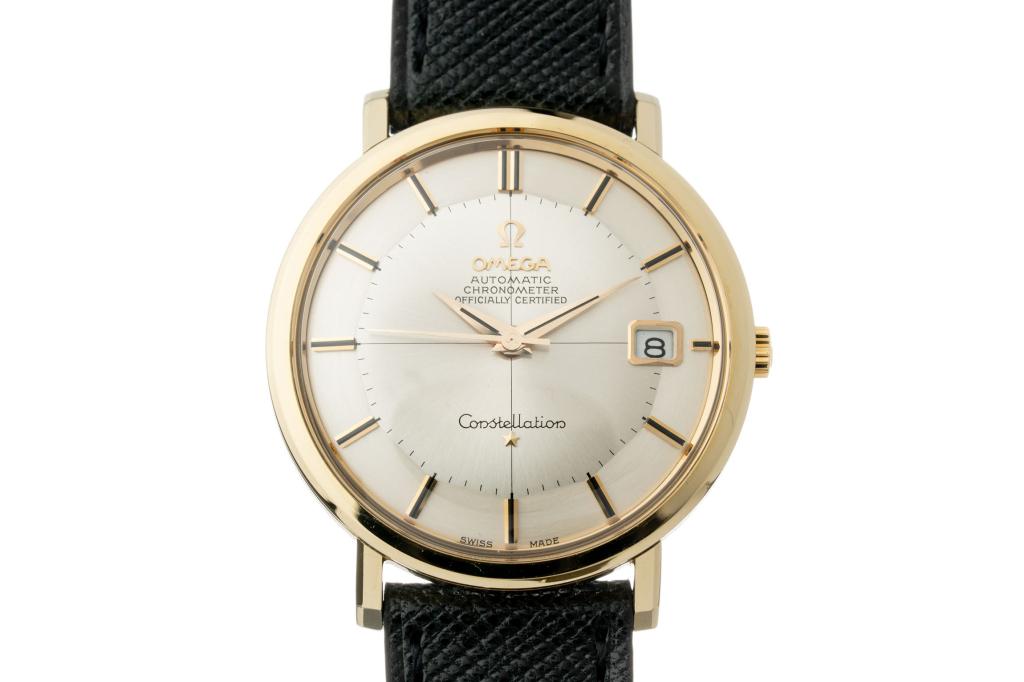
Most of the time, even if you have the exact same reference as someone else, your vintage watch will look and feel very different from theirs. I hate this idea when applied to every stone dial or modern bronze case, but it’s integral to what makes vintage special.
These are watches that have survived 50, 60 years or more and they wear that time. Slight imperfections, patinas, staining on the hands and dials, these aren’t imperfections as much as they are the story of that watch’s life and the lives of the people who previously owned it.
For example, I have a 1965 Omega Seamaster with a stamped caseback. On it is an oil derrick and the name of the Texaco architect it was awarded to for good service. It has slight imperfections across the silver dial but nothing drastic. Neither of these have a huge impact on value or desirability. What they do is make my otherwise relatively common watch unique. To completely ruin the Rifleman’s Creed, “There are many like it, but this one is mine.”
5. Impressive Value
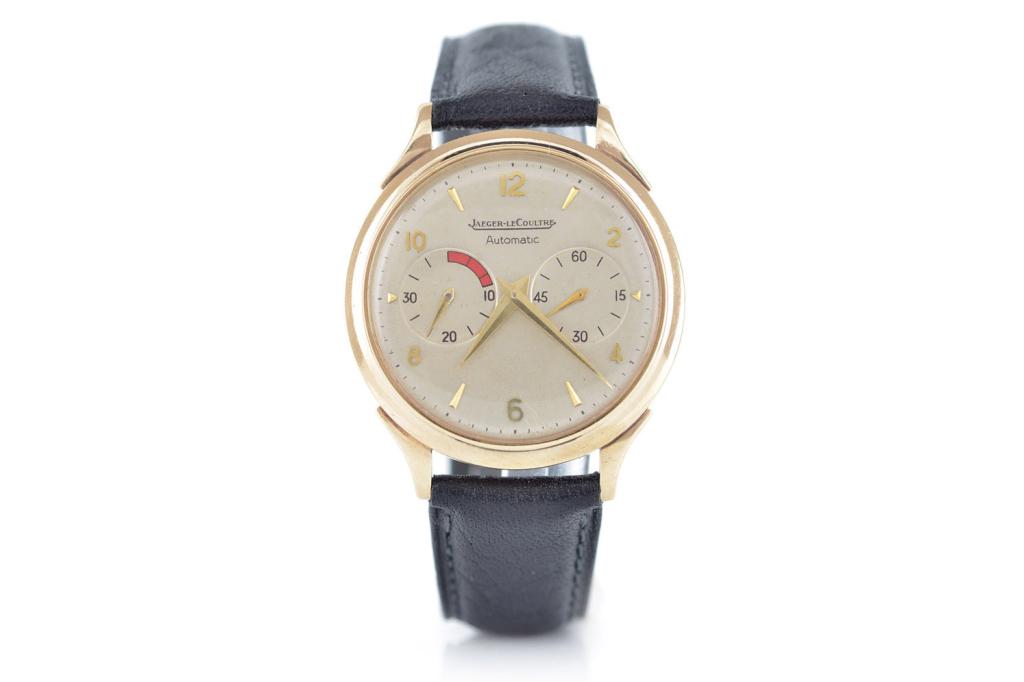
So, we have rarer watches that can be historically important and offer more variety. But honestly, one of the main reasons I often buy vintage is that you often get more for your money.
There has been material improvement in watchmaking over the decades. Modern movements are generally more reliable, shock-resistant and accurate than their outdated counterparts, water resistance is better across the board, alloys, coatings and materials are far superior. That’s why new, a Breitling Navitimer will cost you around US$10,000 / £8000. A vintage Ref. 806 however will set you back less than US$5000 / £4000.
That’s a story repeated across the watch world. Vintage seems to have been less affected by inflation and price hikes and it’s not like they have modern marketing budgets to pay for. If you’re happy to trade modern reliability for the less tangible benefits I’ve already outlined, then you can quite handily get a lot more for your money buying vintage than new.
Liked this? 7 reasons we still need mechanical watches in the age of the Apple Watch




Read the full article here


