






Nothing is more humbling for a frequent traveller than landing after a long-haul flight and realising that your body missed the time-change memo. There you are, feeling like a phone on one per cent, while everyone around you goes about their day functioning perfectly normally.
That is jet lag. Your internal clock is stuck on the time of your departure city, while the sun has got its hat on and you’re definitely not singing hip hip hooray. Wide awake at 3am, gagging for a nap at 3pm, and about as sharp as the knife from the flight that got you into this mess. The good news is that some wearables and sleep gadgets are starting to treat jet lag as something you can plan around, rather than trudging through your day in LA on strong coffee, sunglasses indoors and a healthy dose of denial.
Your body clock is not a fan of change

If you’ve ever gone down a rabbit hole researching jet lag at 4am, you’ll likely have come across the circadian rhythm. Best thought of as your body’s stubborn line manager who’s never once approved a flexible working request, the circadian rhythm is the master body clock controlled by a cluster of thousands of neurons in the brain called the suprachiasmatic nucleus. Try saying that after a nine-hour flight and two gin and tonics.
It runs on roughly a 24-hour loop, guiding daily patterns in sleep, temperature and hormone levels, and it takes most of its cues from light hitting your eyes. Individual organs keep their own mini-clocks, too, so when you cross time zones, your gut can be convinced it’s lunchtime while your brain is begging for lights out.
The direction you fly makes a big difference. Your natural body clock runs slightly longer than 24 hours, so stretching a day out (flying west) comes more naturally than squeezing one in (flying east). Your body, it turns out, is far better at procrastinating than rushing. Garmin leans on this with its Jet Lag Adviser feature, which builds a shift plan around your itinerary and sleep habits, precisely because five hours east and five hours west are two very different fights.
What the science tells us about travelling

Advice for beating jet lag typically includes staying hydrated (with water, disappointingly, rather than a Piña Colada), getting natural light at the right time of day, exercising, even if it’s just a short walk to remind your legs they still work, eating during the day and avoiding a big meal too late at night, and sticking to good sleep habits before bed, such as cutting blue light and keeping a consistent bedtime. None of this is remotely doable wedged into seat 34E with someone’s elbow in your ribs, but you can’t say you haven’t been told.
This advice still stands, but additional research from Oura and Whoop has also highlighted the effects of travel on your body. I have always found denial effective for combating jet lag, but knowledge is power, and if you understand what is happening to your body clock, you may find it easier to manipulate it to your advantage.
Oura has a long-running partnership with the Centre for Sleep and Cognition at the National University of Singapore, and a 2025 study that trawled 1.5 million nights of sleep data from more than 57,000 Oura members found something of note. While total sleep duration seemed to snap back within a few days of landing, sleep timing and structure, meaning how much deep and REM sleep you’re actually getting, can take far longer to settle.


Eastward travel performed worse in that dataset, delaying sleep onset and fragmenting rest more than westward travel, according to Oura’s summary. Meanwhile, Oura’s own numbers from over 300,000 members showed that travel days cost roughly half an hour of sleep on average, led to a noticeably lower Sleep Score, and caused dips in everything from heart rate variability to REM, light and deep sleep.
Meanwhile, in May 2026, Whoop collaborated with researchers from UCSF, UCLA and Monash University on a peer-reviewed narrative review in Sports Medicine examining how travel affects sleep, circadian rhythm, hydration, immunity and cognitive performance. The review concluded that travel affected “nearly every major system involved in performance and recovery”, from gut health and immune function to hydration and, unsurprisingly, sleep. In short, if it can go wrong, a long-haul flight will help it along.
The advice was that light, meal timing, and exercise timing still do most of the work, though it was also noted that “the role wearable technology can play in helping individuals understand how travel affects their bodies in real time” was important. Basically, your watch can’t fix jet lag, but it can absolutely make you feel guilty about it in real time.
The gadgets hoping to help with jet lag


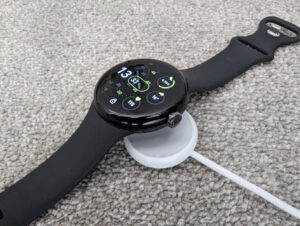
Garmin’s Jet Lag Adviser, which I briefly mentioned earlier, is arguably the feature that brought the idea of wearables helping with jet lag into the mainstream, launching way back in 2022. Enter your flight details into Garmin Connect, and it spits out a day-by-day schedule telling you when to seek light, when to hide from it, when to nap, when to work out, and when caffeine or melatonin might help, all synced to your watch face. There’s even a ‘feels-like time’ display so you can watch your body’s clock creep towards local time.
Whoop moved quickly to catch up (no pun intended). Since April 2026, it has automatically detected when you’ve entered a new time zone, sending a push notification and offering a chat with its AI coach about sleep timing, hydration and caffeine.
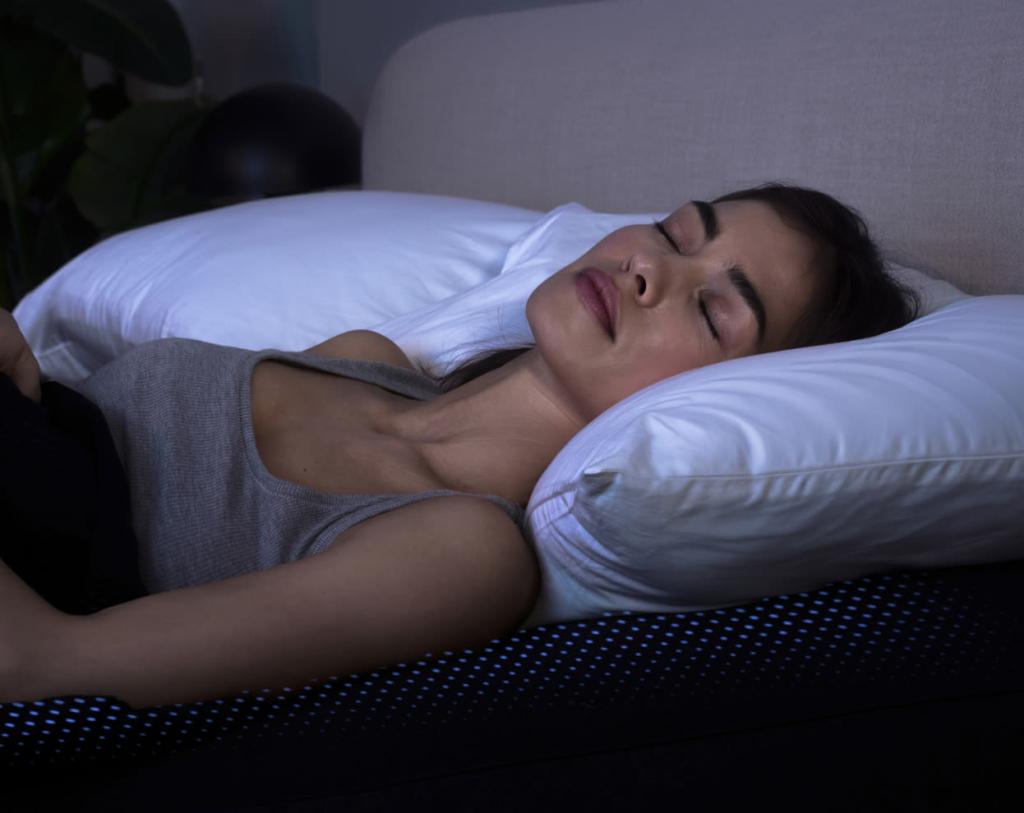
If a watch or fitness tracker feels too passive, Eight Sleep wants your entire mattress in on the fight. Its Pod system heats or cools the bed to nudge you towards sleep or wakefulness, and the company even sells a Jet Lag Supplement that combines melatonin with phosphatidylserine to take the edge off the cortisol spike that travel tends to cause.

If you’d rather skip the wearable altogether, Timeshifter was built with Harvard sleep scientist Dr Steven Lockley. It uses the same circadian science NASA has used to help astronauts adjust before launches, just in case you’re planning a space trip anytime soon. Feed it your flight details, chronotype and usual sleep pattern, and it generates a schedule of light, dark, caffeine, melatonin and naps down to the half-hour, while a ‘practicality filter’ makes sure it won’t tell you to avoid all light for six hours if you’re stuck in a window seat with a toddler next to you.
For the truly committed, there are light therapy glasses that skip the advice stage entirely and simply shine light at you. Brands such as Re-Timer, Luminette and Propeaq use LEDs to deliver a controlled dose of blue or green light straight into your eyes for 20 to 30 minutes at a time. Propeaq’s version pairs with an app that builds a jet-lag-specific plan from your flight details, alternating clear lenses for a wake-up dose of light with orange ones that block it later on, so you can get the timing right on the plane itself rather than waiting until you’ve landed. They look a little ridiculous, and wearing them in an airport lounge will guarantee you some looks, but that’s a small price to pay for tricking your brain into thinking it’s already morning.
Tips for beating jet lag


Nearly all of the gadgets above repackage the same handful of tools that sleep scientists have relied on for decades: light, sleep timing, and melatonin, but they make the advice easier to follow when you’re bleary-eyed in an unfamiliar hotel room at 4am, wondering whether the tiny kettle can be trusted (it probably can’t).
Even without any gadgets at all, Dr Tatiana Wilson, a circadian researcher at Newnham College, Cambridge University, said in a BBC article: “There are many ways to set the clock that we can control, including light, food, and exercise.” While Oura’s blog on beating jet lag has advice from sleep scientist Rebecca Robbins, that suggests tips like nudging bedtime by 15 to 30 minutes a day before a trip, getting morning light as soon as you land, dodging evening light if you’re trying to delay your clock, and keeping any recovery nap under 90 minutes.
If you’re looking to hack your body clock before a work trip or holiday, here’s a breakdown of the advice out there:
- A few days before travelling: shift bedtime 15–30 minutes a day toward your destination; chase morning light flying east, evening light flying west
- On the flight: keep hydrated, go easy on alcohol, sleep on hours that suit your destination
- On landing: get outside for daylight fast; keep naps under 90 minutes; eat on local time
- After travelling: expect roughly a day of adjustment per time zone, longer heading east
If you don’t want to have to calculate your body temperature minimum after eleven hours crammed into economy, though, having a watch tell you to get bright light now and avoid it after 6pm does a fair bit of the thinking for you. Ultimately, there’s no cure for jet lag, but between watches plotting your light exposure, apps calculating your nap schedule, and beds cooling you toward sleep, there’s more helping you out these days than a strong coffee and blind optimism.
Read more: The sleep tracking tech I personally use (and recommend) to get a good night’s sleep




Read the full article here


