








Buckle in, folks… the following makes for grim reading for anyone wanting to upgrade their smartphone, laptop, games console or computer in 2026 and beyond. The global memory shortage shows no sign of abating any time soon, which means the prices of consumer electronics and computer components are only going in one direction.
If you’ve been living under a rock, the tech world’s ongoing obsession with artificial intelligence (AI) has sent demand for datacenters soaring so high that the hardware suppliers simply can’t keep up. The ‘big three’ memory manufacturers – Micron, Samsung and SK Hynix – have diverted their production lines to more profitable enterprise-grade components, meaning fewer consumer-grade chips to go around.
The latest industry reports indicate AI and cloud computing firms are splashing monumental amounts of cash to sign long-term contracts with suppliers, sucking up as much as 70% of the world’s supply of RAM and flash storage. Phone and laptop makers, usually some of the biggest spenders, are being forced to ration what they can get their hands on and are handing the higher prices on to consumers.
Have we seen the worst of the price rises?
Definitely not. Kwak Noh-jung, CEO of manufacturer SK Hynix, told Reuters that 2027 will be the worst year ever for consumer memory, and it will not get better before 2030. Not that his shareholders are too worried: the firm pulled in a whopping $26.5 billion on its first day trading on the US NASDAQ in July.
Micron reckons it can only meet 40-50% of total market demand over the next few years. Samsung’s outlook is equally bleak, having turned down its own smartphone division in favour of more lucrative contracts elsewhere. All three firms are expanding operations to meet demand, but they won’t come online for some time yet.
New memory manufacturers in China should also help ease demand a little, at least domestically and within Asia, but that won’t happen until late 2027 at the earliest. Some estimates say 2028 will be the closest we get back to ‘normal’.
How much could prices rise by?

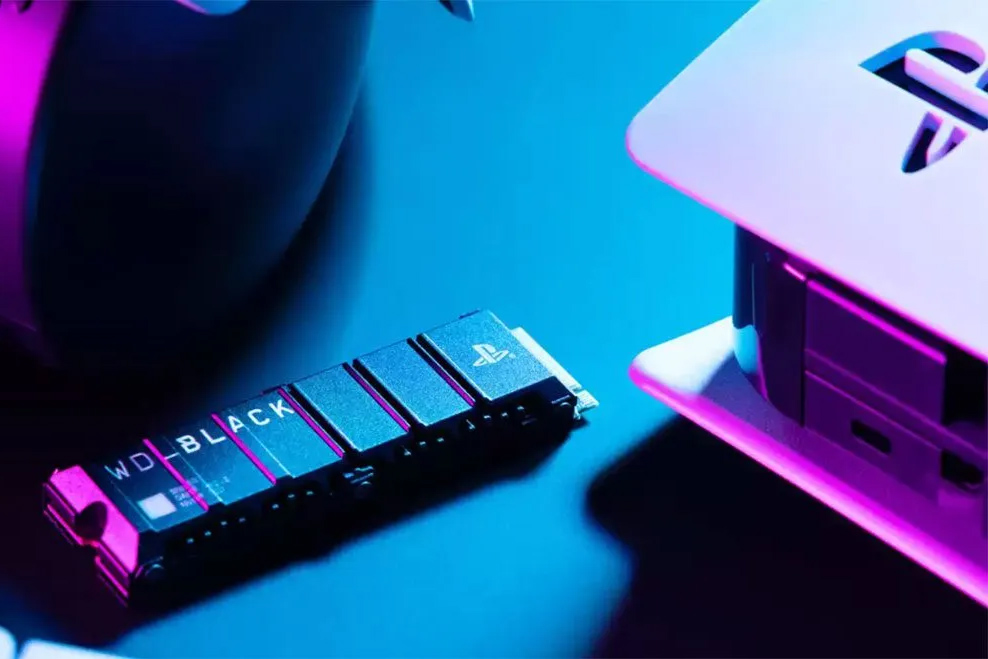
There’s almost no ceiling. The bigger question is how much higher can companies push prices up before consumers just give up and stop buying new tech. Until that happens, expect big jumps pretty much every quarter.
One report from investment banking firm Jefferies was more alarmist than Aletheia Capital’s prediction, but even the lower figures made for depressing reading. Expect anything from a 20-50% increase in Q3, followed by another 15-40% increase on top of that in Q4. No-one is willing to put a figure on the first quarter of 2027 just yet, as prices are so volatile.
What does that mean for the average consumer gadget? Conservatively you should expect an extra $100 on the cost of a new smartphone, or $300 on a new laptop. All three major games consoles have seen price increases already, but you can expect another round of hikes by 2027, if not sooner. PC builders needing DDR5 RAM should budget double what they might’ve done a year or so ago. And that’s just within the next three months.
There are other knock-on effects too. Samsung has long offered double storage deals on its latest smartphones, but the latest rumours suggest it’ll be scrapping the scheme for the Galaxy Z Fold8 and Flip8. Sony has reportedly delayed the PlayStation 6 by at least a year while it waits for prices to stabilise.
Ultimately, you should either be prepared to spend considerably more on your new tech than you did on your last upgrade, or be prepared to stretch your existing gadgets’ lifespan for a lot longer – late 2027 at the earliest.




Read the full article here


