

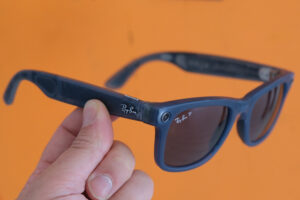


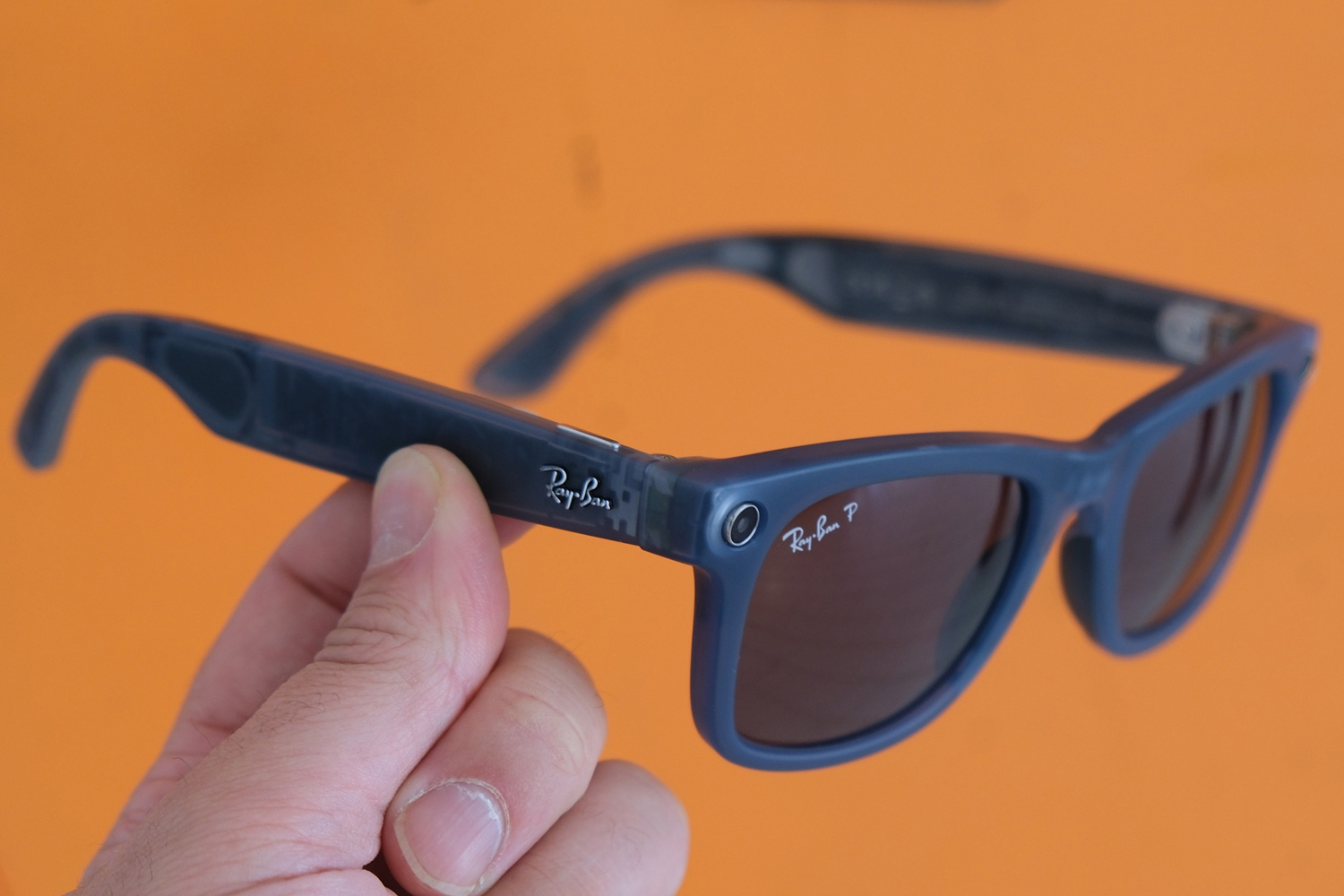
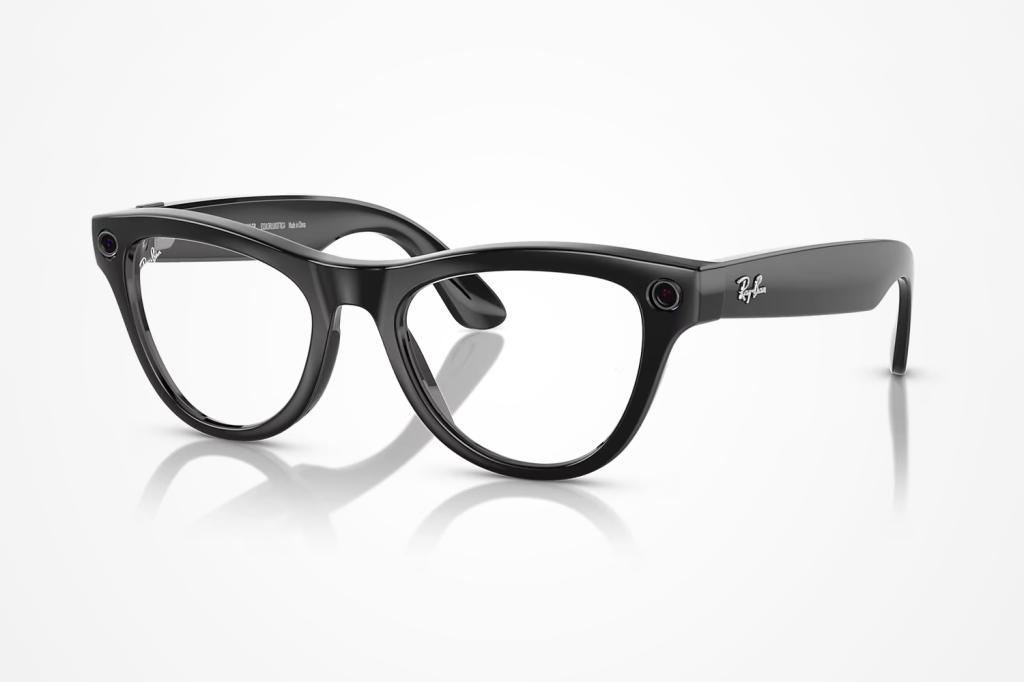
I loved the Meta Ray-Ban smart glasses when they first launched. Unfortunately, my initial review pair were the transition Skyler rather than the classic Wayfarer shape, and someone told me I looked like Velma from Scooby-Doo. They had a fair point, and once it was highlighted, I couldn’t unsee it. But now there’s another reason not to pick them up instead of my standard Ray-Ban sunnies.
Over the past few months, Meta’s smart glasses have acquired the nickname “pervert glasses”, and well, let’s face it, that makes Velma sound like a compliment. The unflattering nickname began circulating on social media earlier this year, after reports surfaced that some of the intimate footage users capture – including people undressing, using the bathroom, and other private moments – was being sent to human contractors abroad for AI training, often without the subjects ever knowing they’d been filmed.
The name stuck, and it doesn’t appear to be going anywhere anytime soon. More recent reports have surfaced that the glasses are being used to film pick-up and prank videos of women and strangers without their consent, before being posted on social media.
Seven million pairs have been sold, and Meta’s flagship AI hardware is now shorthand for secret recording. It’s a brutal rebrand for a product Mark Zuckerberg has spent years positioning as the future of wearable computing. But is it fair?

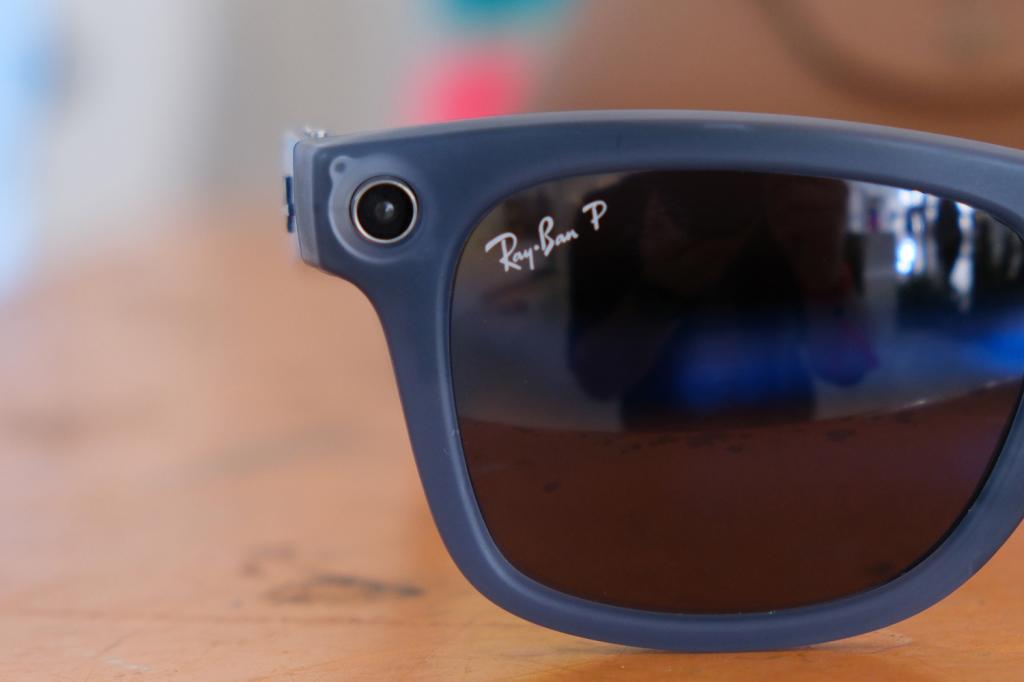
The recording light could be manipulated
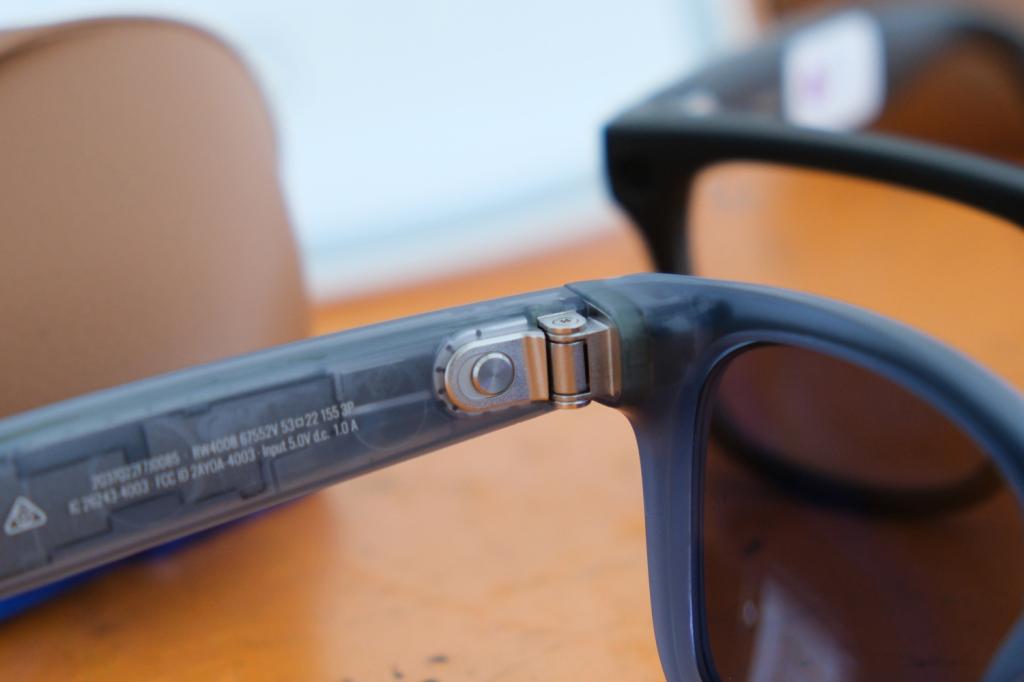
The only visible safeguard against covert filming on Meta smart glasses is a white LED in the corner that lights up while recording. It blinks briefly for a photo, and for a video, it continues to blink for as long as you are recording. The problem is that while some people you encounter while wearing these glasses will know what the light means, others will be blissfully unaware, and that shouldn’t mean their privacy is invaded.
That’s assuming the light is even visible. There have been cases of people putting black tape over it to hide it, and, further to the reports I mentioned above, there have also been instances of a black-market trend known as ‘Stealth mode’. This is where third-party modders have been charging for a service to disable the light, allowing recording without the light blinking at all. I mean, seriously, what is wrong with people?
Combined, these prompted Meta to release a mandatory update that disables the camera if the light is tampered with. The company has also begun actively removing Facebook Marketplace listings, ads, and social media posts advertising LED-removal modifications, and has threatened legal action, though, in all honesty, it should never have been possible to begin with.
They don’t look like a camera
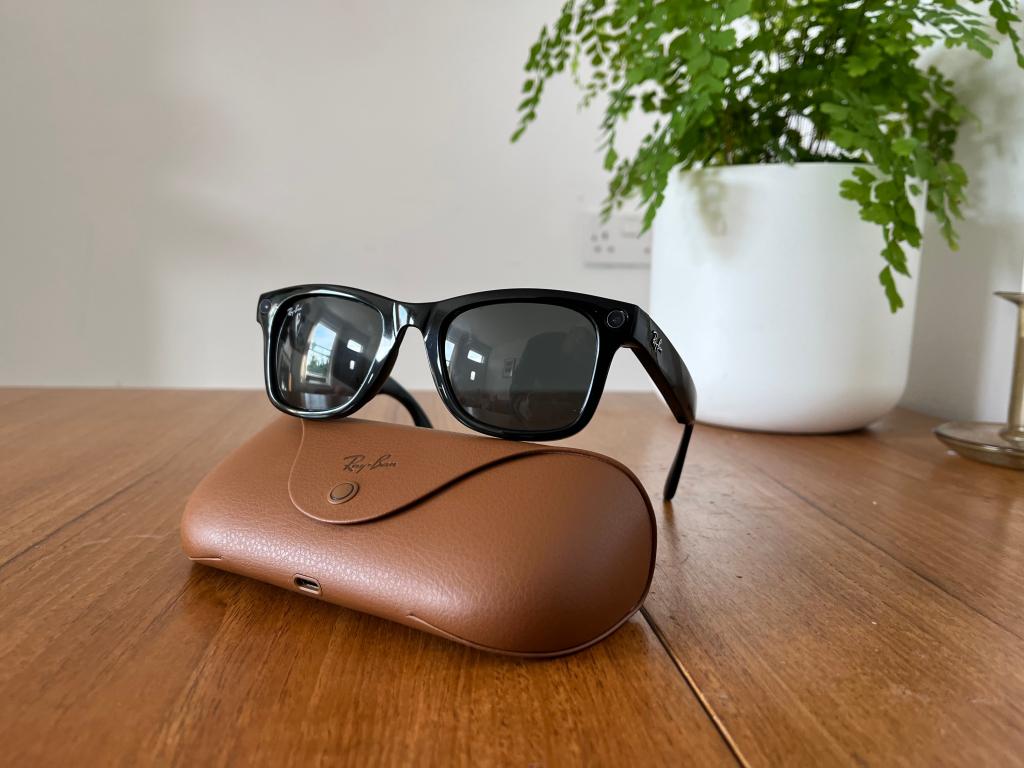
Ray-Ban Meta glasses look almost identical to ordinary sunglasses, which is part of their appeal and no doubt why so many millions of pairs have been sold. As I said, I loved them when they first came out. They are a far cry from previous alternatives like Google Glass, giving people access to a wealth of features without feeling as if they are wearing technology on their face.
But the downside is that many people standing near you will have no idea they could be on camera, and that, in itself, is contributing to the backlash against them. A Guardian journalist who wore a pair for a month wrote that the experience left her feeling like a “creep”, despite her innocent intentions (something that can’t be said for everyone who buys smart glasses, sadly).
Some people have weaponised the discretion
In the past, it was more obvious when someone was filming or taking a picture, as they would likely have had to hold a phone or camera up. Smart glasses are much more discreet, which has unfortunately highlighted some of the world’s less honest people. Speaking of which, a few aspiring influencers, self-styled pickup artists and pranksters were using the glasses to secretly film unsolicited approaches to women and strangers in public, then posting the footage online without the person’s knowledge or consent.
Meta-owned Instagram has since begun cracking down on that specific genre of content, and the BBC reported in July that UK convention organiser Monopoly Events banned the glasses from its events after attendees and guests raised the alarm about covert filming. The glasses have also been banned at Wetherspoons pubs in the UK and theatres, but it’s still a problem that won’t be fixed overnight.
They can be turned into a doxxing machine
And there’s more. In 2024, as reported by Forbes, two Harvard students attached Meta’s smart glasses to off-the-shelf facial recognition software and built a system called I-XRAY, capable of identifying a stranger’s name, address, phone number and family members within seconds. They used it to approach strangers on campus and correctly recite their home addresses back to them, purely to prove the point that it could be done. Technically, it could be done with any camera, as the facial recognition element had nothing to do with the glasses themselves, but hands-free, inconspicuous eyewear is unfortunately a very efficient delivery mechanism for that kind of software.
More recently, Wired and the New York Times reported on an internal Meta project, reportedly called “Name Tag”, which would allow wearers of the smart glasses to identify strangers and retrieve information about them via Meta’s AI assistant. More than 70 civil liberties, domestic violence and immigrant advocacy groups sent Meta a letter demanding that the company scrap it, arguing that no opt-out or design tweak could make silent identification of strangers in public safe and we have to say, we agree. Thankfully, it remains a reported feature rather than a live one, but even the idea of it is concerning.
Data handling is a little messy
Then we have the data handling issue. While you are in control of some of the data shared with Meta, when you use the Meta AI on the smart glasses, you have to agree to the terms of use, which, as the Svenska Dagbladet report points out, states: “In some cases, Meta will review your interactions with AIs, including the content of your conversations with or messages to AIs, and this review can be automated or manual (human).”
This is the case with many AI services, but the joint investigation by Swedish newspapers Svenska Dagbladet and Göteborgs-Posten traced footage to a Kenya-based Meta subcontractor, Sama, whose data annotators review clips flagged for AI training. One worker told the reporters: “We see everything – from living rooms to naked bodies”, while others said the queue includes people using the toilet, having sex, and clips that one described as capable of triggering “enormous scandals” if leaked.
The Svenska Dagbladet concluded its report with an anonymous Meta data annotator saying: “You think that if they knew about the extent of the data collection, no one would dare to use the glasses”, which doesn’t say a great deal for the smart glasses.

There is a strong accessibility use case
But while there are privacy concerns, there are also reasons why the Meta Ray-Ban smart glasses have been so popular over the last few years. One of those reasons is accessibility. Paired with Be My Eyes, Meta’s smart glasses allow blind and low-vision users to connect hands-free to a sighted volunteer who can describe their surroundings, read labels, or help them navigate without juggling a phone.
Built-in features of the Meta smart glasses can also read text aloud, describe scenes in detail, and provide live captions and translation, which can help those who are blind or visually impaired. They can also help those who are hard of hearing, with features like Conversation Focus, which boosts speech coming from directly in front of the wearer.
They are great for podcasts and calls
Then there is the extra features like calls and music streaming. Their audio might not match the quality of earbuds, but if you want to stay aware of your surroundings while listening to a podcast or taking a call when out and about, the Meta smart glasses allow you to do this, and they are surprisingly good at it.
Call quality is better than you would expect, and you don’t have to wear anything in your ears, so you can hear any traffic or announcements.
They allow you to keep your phone in your bag
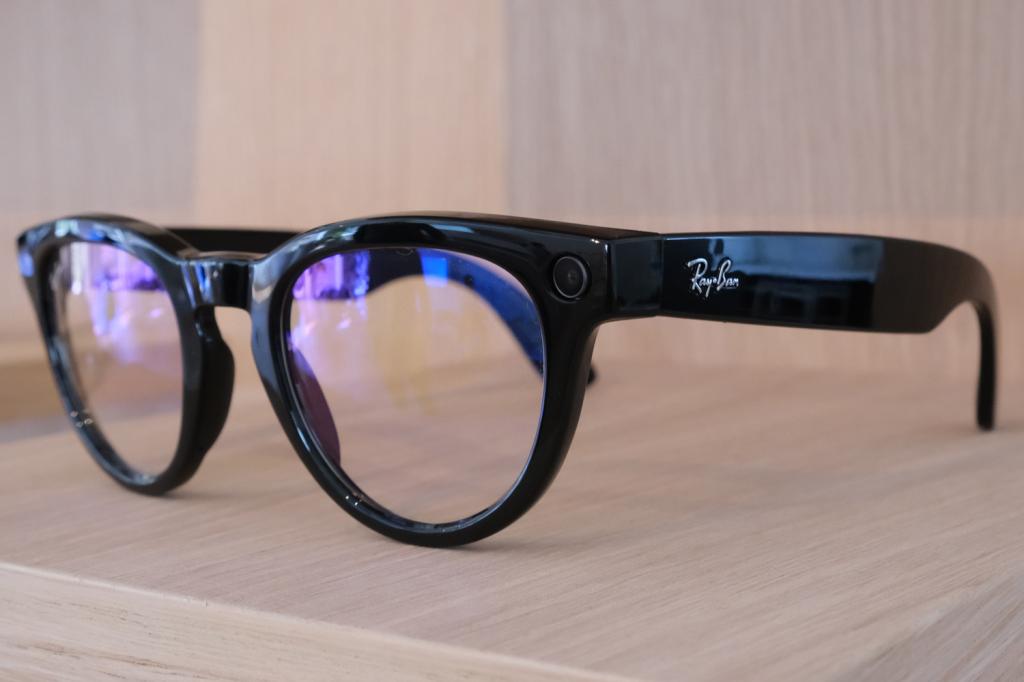
Being able to keep your phone in your bag is arguably the main reason to wear smart glasses, and a good one at that. Tapping the arm to take a quick photo (of a building or a nice sunset, rather than a person without their permission) is convenient. Using a voice command to start recording a video (again, not of someone without their consent) or to send a message can be handy.
Meta AI can identify a building, translate a menu, or answer a question out loud, too, all of which can be helpful in various situations. Add hands-free calls and music streaming, and there’s a real case for leaving your phone in your bag when you’re wearing them, which has its perks, especially when in a city.
The recording light at least exists
The recording light goes in their favour, too. Yes, people have taken advantage of a weakness in the recording light on Meta glasses in the past, but at least it’s there, and Meta has issued the compulsory update to turn the camera off if the light is tampered with (though that should have been there in the first place).
Compare that to a phone held at hip height or in a pocket, both of which allow people to film someone covertly with no hardware indicator, and you could argue that the light on Meta glasses at least tries to alert someone they are being filmed.
Some problems aren’t just a smart glass problem
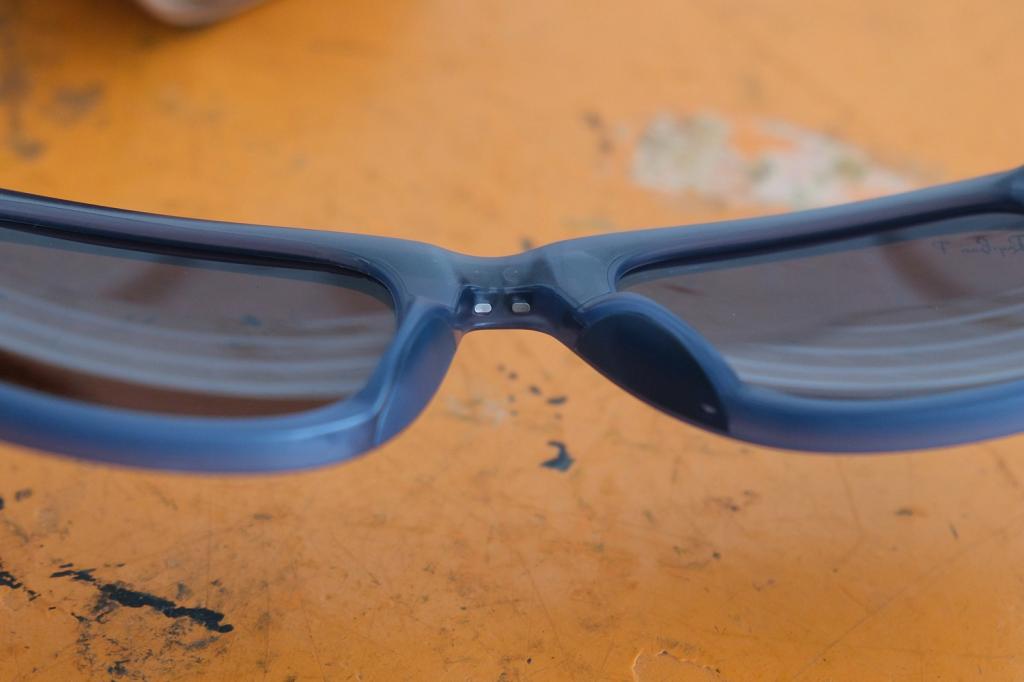
Some of the problems mentioned above, such as the doxxing demo and non-consensual footage, could also affect any camera device, not just smart glasses. People have been using smartphones to record others without their consent for years, after all. The problem is that the glasses add convenience and deniability, which is the opposite of what was needed and there’s no getting around that.
Creeps don’t need any extra help, and so while Meta’s smart glasses make a great case for themselves from an accessibility, style and convenience point of view, the privacy concerns are real too. And for now, they aren’t going anywhere.




Read the full article here