








How’s your brain doing? Mine’s fried. Shot. Kaput. Positively pickled. Between never-ending WhatsApp notifications and unwanted AI slop, I’m done. I can’t even relax on Reddit anymore – it’s just angry bots arguing with other bots and an algorithm that’s been sterilised beyond recognition. But I’m not here to talk about that. I’m here to talk about Lego. Or, more specifically, Lego and its impact on adult mental health.
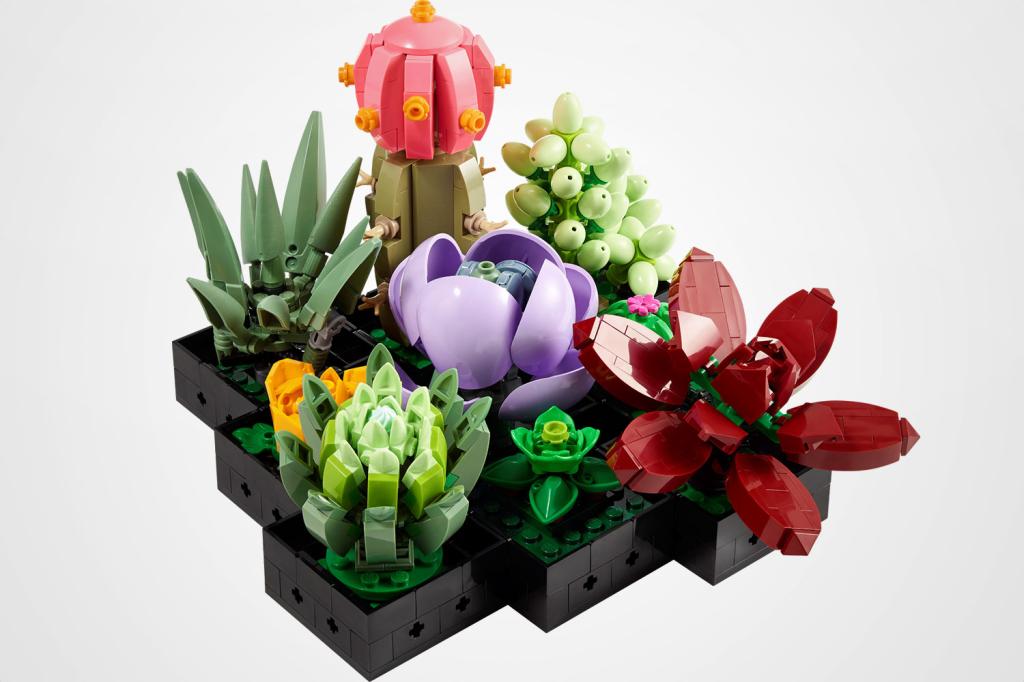
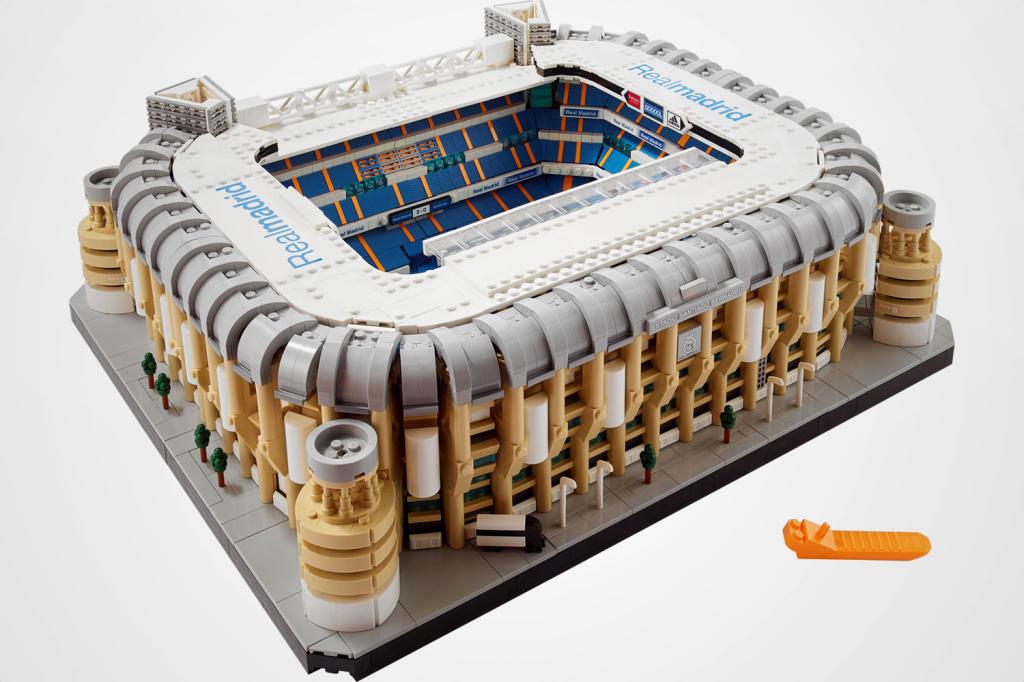
Today, it’s impossible to stroll through any Lego section without seeing shelves dedicated to intricate (and eye-wateringly expensive) models aimed squarely at grown-ups. Formula 1 cars, typewriters, cameras, bonsai trees, famous paintings and blockbuster film sets now sit alongside the fire engines and pirate ships that many of us grew up with.
Lego didn’t stumble into this market by accident, either. Over the past decade, the company has steadily expanded its 18+ range, recognising that adults weren’t just buying sets as gifts or for their children. They were buying them for themselves.
Why? Well, it turns out that Lego is a great tool to unwind after work, escape the constant pull of notifications, or simply give our brains something satisfying to focus on.
Now, I’m not saying that Lego is equal to therapy, and it certainly shouldn’t be treated as a replacement for professional support. But it does raise an interesting question – why do so many adults find snapping tiny bits of plastic together so calming?
Why your brain likes building things

Modern life leaves little room for uninterrupted attention. We bounce between emails, WhatsApp messages, news alerts, social media feeds, and an endless stream of small decisions. And somewhere along the way, tech went from helping us, to making us more stressed. Is it any wonder you’re so utterly exhausted?
Building a Lego set asks something very different of you. Instead of juggling dozens of competing demands, you’re looking for one brick, following one instruction and completing one small task before moving on to the next. It’s focused enough to hold your attention, without demanding intense concentration that leaves you mentally drained.
Psychologists have long described the flow state – when you’re completely absorbed in an activity that feels engaging without being overwhelming. Time seems to pass more quickly, distractions fade into the background, and your attention settles on what’s directly in front of you. People can experience this flow while playing music, cooking, painting, woodworking or gardening. And Lego happens to tick many of the same boxes.
It also offers something that’s surprisingly rare in adult life – immediate, visible progress. Most of modern work involves projects that take weeks or months to complete, with little sense of achievement or anything tangible along the way. A Lego build, by contrast, rewards you every few minutes. Another page of instructions finished. Another section completed. Another recognisable part of the model taking shape. Each small win is another delicious hit of dopamine, and a warm, fuzzy sense of achievement.
There’s another factor, too. Unlike doomscrolling while “watching” TV, Lego occupies both your hands, and your attention. You’re physically interacting with something in front of you, which naturally leaves less room for absent-mindedly reaching for another screen. For me at least, that alone is enough to make an evening feel noticeably different.
What does the research actually say?

Lego has, understandably, leaned into the idea that building can help people relax, and its own surveys suggest adults are actively looking for hobbies that help them switch off. That’s interesting, but also more than a little biased. We can do better.
Over the past few years, several reviews have found that taking part in creative hobbies can have a positive effect on wellbeing. Drawing, knitting, pottery, woodworking, crafting and other hands-on activities have all been linked with lower stress levels, improved mood, and greater life satisfaction. Researchers are careful not to claim these activities treat mental health conditions, but they do suggest they can become an important part of a healthy routine.
One of the biggest studies, published in Frontiers in Public Health, analysed data from more than 7000 adults in England and found that people who regularly took part in arts and crafts reported higher life satisfaction and a stronger sense that their lives were worthwhile. The benefits remained even after accounting for factors such as age, health, and employment status.
Naturally, building a Lego set won’t magically make, say, someone’s anxiety disappear. And again, it isn’t a substitute for professional support. What it can do, though, is create space for something many of us don’t get enough of – an hour spent concentrating on one enjoyable task, without the usual incessant background pings, dings, pop-ups and God knows what else competing for our attention.
Why Lego can feel different from other hobbies
I hate not being good at something immediately. Which is why I hate the guitar. And why I bloody love Lego. Because with the latter, you don’t need artistic talent or months of practice before you’ve produced something that you’re proud of. Open the box, follow the instructions, and, a few hours later, you’ve built something that looks and works exactly as intended. If only I could do the same with a Fender strat and Stevie Ray Vaughan’s rendition of Little Wing. Sadface.emoji
This reliability, for me, is one of Lego’s biggest strengths. How many of us would love to paint, sketch, or make something with our hands, yet never start because a blank page or lump of clay brings another set of decisions. Lego takes those decisions away, and it feels so… refreshing.
There’s a time and patience element intertwined in all this, too. Modern Lego display sets are designed to be savoured rather than rushed. Spending eight or ten hours assembling a model sounds daunting on paper, and yet, that’s the entire point. The finished model – whether it’s a bunch of brick-built flowers, a vintage camera, or the Millennium Falcon – still matters, of course, but the time and journey spent getting there is really what it’s all about.
Of course, for millions of people, Lego is simply another hobby. For others, though, it’s become part of a routine that can help quiet the noise and stresses of daily life. Spend an evening building instead of scrolling, and you may end up feeling calmer, not because because the bricks themselves have any special powers, but because you’ve spent an hour doing something absorbing, creative, and free from constant interruptions.
There’s also something wonderfully refreshing about doing something with no real expectation beyond enjoying the process. Most other things we encounter or use insists on turning everything into a metric. Watches score our sleep, apps measure our productivity, and social media (not so) subtly causes us to compare ourselves with everyone else. A bag of Lego bricks asks remarkably little in return. There are no notifications to check, and no streaks to maintain. Just pick up the next piece, and whack it on.
All of this, and more, is why Lego has found such an enthusiastic audience among adults. It would be easy, of course, to dismiss this all as nostalgia wrapped in expensive boxes, but that’s only a part of the story. For millions of us, Lego gives us the permission to slow down for a while – and in a world that’s constantly competing for our attention, that may be the cleverest thing it’s built yet.




Read the full article here


