






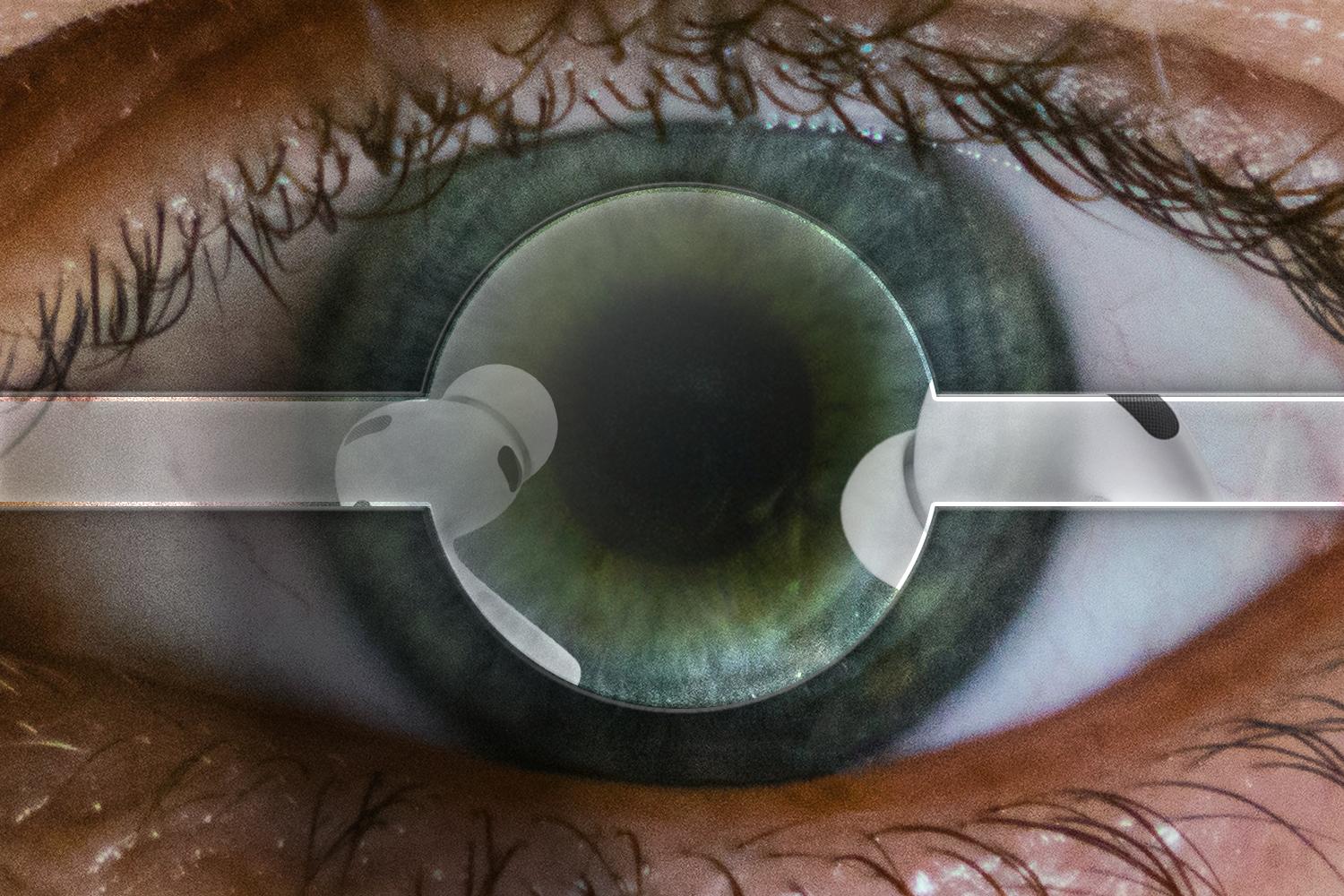
Meta’s latest smart glasses, announced this week, are cheaper and ditch Ray-Ban branding and the Wayfarer design. Otherwise, they do exactly what you’d expect Meta smart glasses to do. Which is why much of the conversation around them – and smart glasses as a whole – inevitably ended up as a row about privacy.
That focus isn’t wrong. But in some ways it’s a shame, because smart glasses have the potential to change people’s lives for the better, in truly meaningful ways. For example, when paired with machine learning and AI, they can be powerful accessibility aids to the partially sighted, helping them decode what’s around them in real time and thereby better navigate the world.
That got me thinking about accessibility in my own relationship with tech, especially as I am now OH NO THINGS ARE GOING WRONG years old. And it made me wonder what Apple smart glasses might look like – both when countering Meta’s obsession with surveillance and also aiming for the mainstream (unlike Apple’s existing and famously expensive honking great headset).
The clue is perhaps found in the AirPods Pro.
Pod people

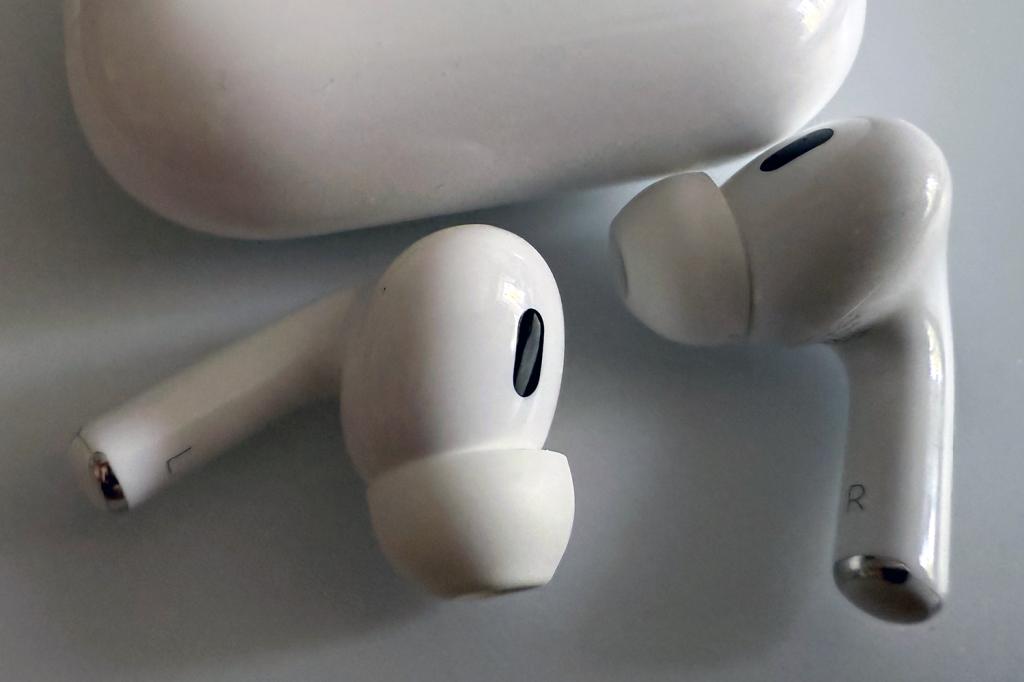
I’ve never reviewed AirPods Pro for Stuff (boo!), so here’s a very short opinion: they’re fantastic. I can stick them in my lugs and audio bounces between devices. Music on my Mac? Sorted. Distracted by a game on my iPhone? (Or, er, something terribly productive on my iPhone?) Audio switches seamlessly in a manner that feels a little like magic.
But the more interesting bit is what Apple has layered on top. AirPods Pro are increasingly useful as personal health and hearing tools. You can use them to run a hearing test and track changes over time. And you can fiddle with settings to adjust what you hear, not only from on-device audio but also the sounds around you.
Unlike a traditional hearing aid, AirPods Pro get an audial smart overlay too. Directions when walking. The means to answer calls. Alerts about the meeting you’re late for because you got distracted by the call, missed the directions you were given, and went on an exciting unplanned journey.
But also, Apple is Apple. Despite the odd wobble, it remains resolutely privacy-first and guided by the notion that it sits at the intersection of technology and the liberal arts. The main problem with Meta glasses is… Meta. Its products so often feel like they’ve been designed by tech bros for tech bros.
Glass holes
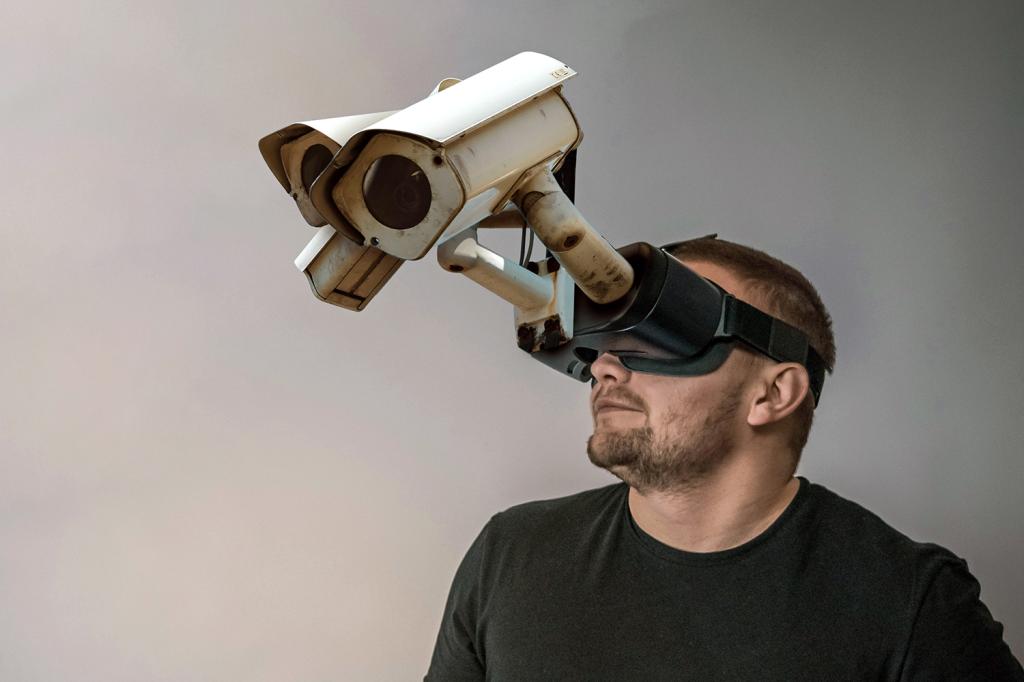
Meta wants to know everything about everyone. Ethics are not a priority. Hence the eagerness to slap glasses on everyone’s face and record everything through countless camera holes. And, yeah, shocker that a company whose roots lie in rating women on university campuses now sells tech gear favoured by (invariably male) creeps and weirdos who gets kicks from uploading obnoxious, inappropriate, unacceptable interactions with women to TikTok and YouTube.
Apple smart glasses would extend the philosophy behind the AirPods Pro. Respectful of privacy. Designed to better humanity rather than amplify some of its worst instincts. Imagine a wearable with eye tests, eye health tracking and the ability to dynamically adjust what you see. (Why, yes, I will soon need reading glasses alongside my distance vision ones…) And they’d still fire audio into your lugs via speakers on their arms. Video recording is the thorny bit, so maybe… just don’t do that?
There’s probably a better solution, but it won’t come from Meta. I don’t trust that company. And I don’t want to wear tech that immediately identifies me as tech bro-adjacent anyway. But I might just buy Apple smart glasses that do meaningful, mindful things and power up my peepers. Although, given Apple’s recent price hikes, I’d best resign myself to paying a whole lot more than $299.




Read the full article here


