






If you found yourself on this page after Googling “How to lose weight”, you’re not alone. I’ve searched for it countless times, along with hunting for any tech, gadgets, apps, or quick fixes that could help. And therein lies the trap. I found it easy – very, easy – to whip up a list of tech that could help me lose weight. Smartwatches, fitness trackers, apps – the list is endless.
But as anyone who grew up in a household of dust-laden ab-rollers, crunch machines, and other wacky fitness nonsense peddled to the masses in the 90s can attest to, it’s remarkably easy to waste a lot of money on snake oil.
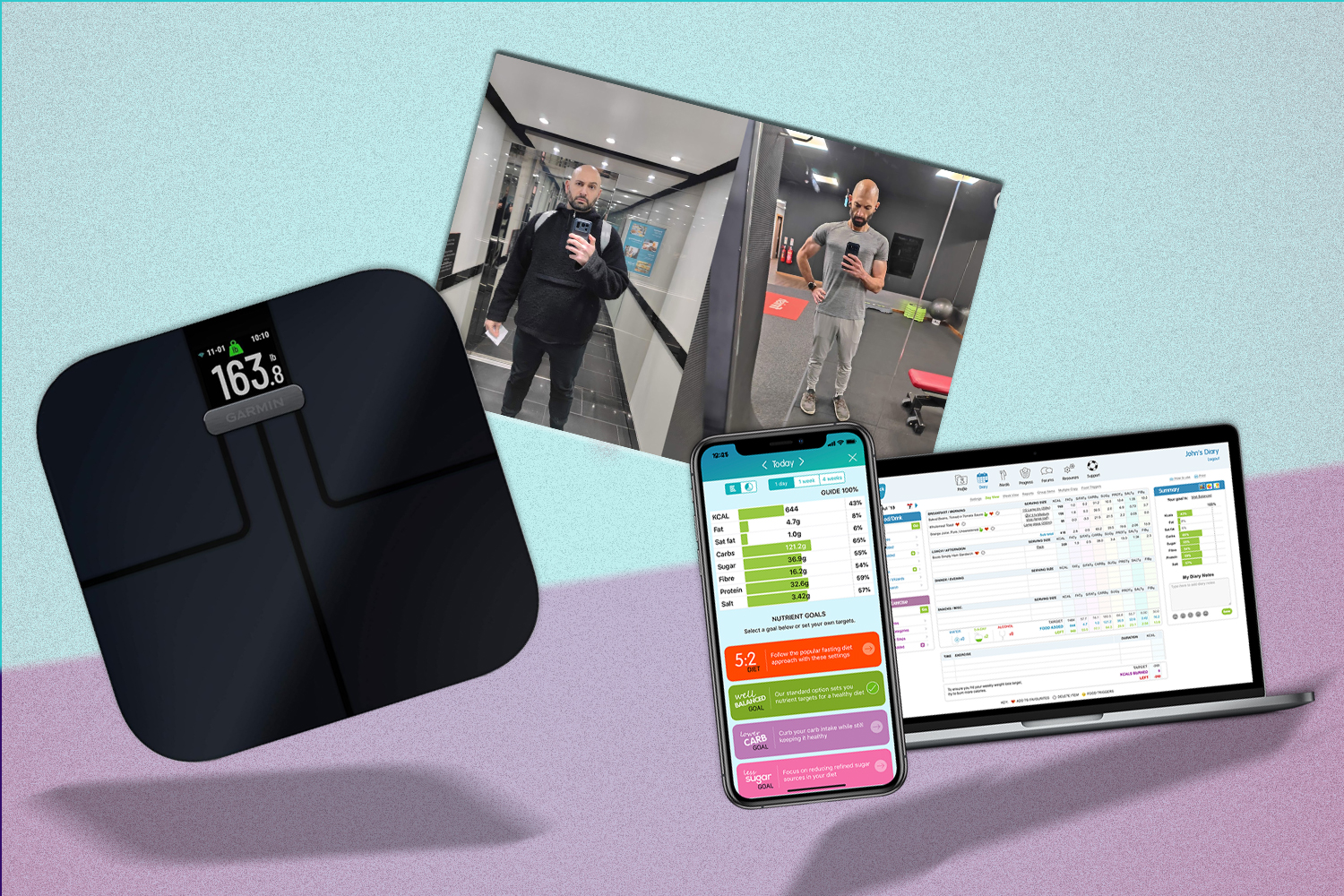
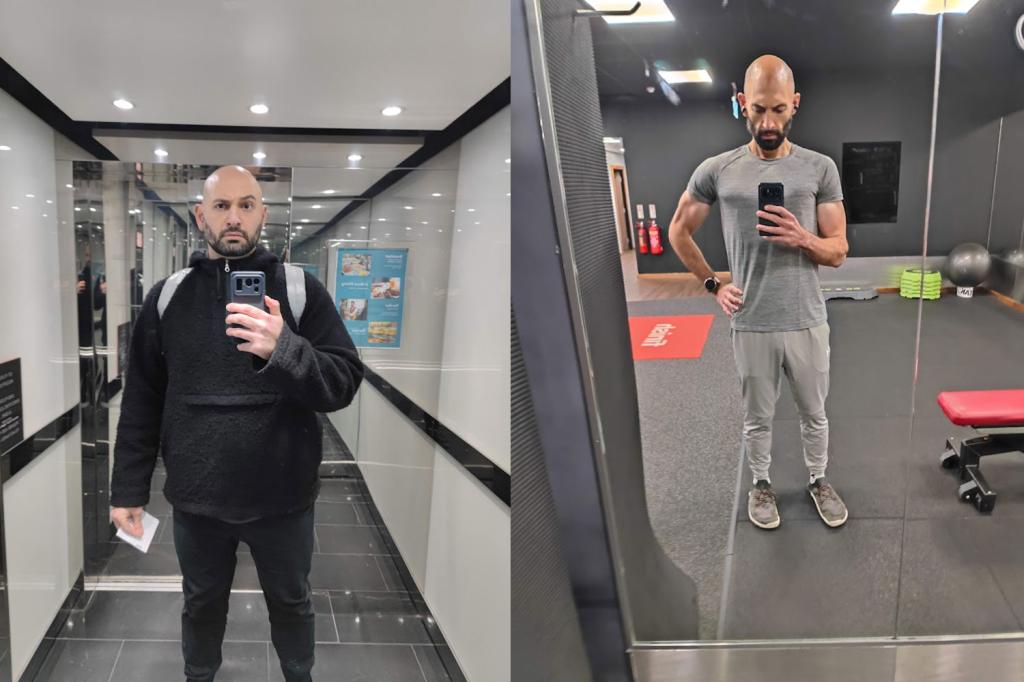
And that’s where this feature comes in. It’s a “best tech to help you lose weight” buying guide of sorts, based on my experience losing 37kg / 82lbs in nine months, starting at 112kg / 247lbs and ending up at 75kg / 165lbs. It’s far from the only way to get the job done (Stuff Deputy Editor Tom Morgan has shared his own experiences), and for many people, it’s a sensible starting point.
Tech didn’t lose the weight for me, of course, but it made it much easier. Every app and gadget below solved a problem that had derailed me countless times before, whether that was underestimating portion sizes, panicking over a random weigh-in, or convincing myself I needed another shiny, new, overly complicated plan, instead of simply staying consistent. S
With that in mind, my first recommendation is also the most important – and it’s not an expensive smartwatch or a set of smart scales. In fact, it’s completely free…
Set your baseline

One of the best, least gimmicky methods for losing weight is calorie counting – measuring your daily caloric intake of food, and aiming to consume around 500 calories less than your body burns in a day. I’ve explained it below, but if you want the full masterclass, I recommend RP Strength’s free YouTube series. It taught me everything I needed to know, and I can’t recommend it enough.
Before you set your calorie intake, you need to know how many calories you burn a day. There are plenty of free online calculators available. I used this one. After entering your stats, it estimates two main things. The first is your BMR (Basal Metabolic Rate) – the calories your body burns simply keeping you alive – heart pumping, kidneys filtering – all the important stuff.
The second vital stat is your TDEE (Total Daily Energy Expenditure), which builds on that by factoring in your everyday movement, from walking the dog and doing the housework, to going to the gym. Even fidgeting and aimlessly wandering around while on hold to Halifax burns small amounts of bonus calories – that sort of thing is known as NEAT (Non-Exercise Activity Thermogenesis).
Your TDEE is the really important number because it’s a rough estimate of your maintenance calories – aka, the calories needed for your body/organs to function, combined with the extra calories it needs for running around, walking, and generally living your life. Eat around the same calories as your TDEE and, generally speaking, your weight should stay fairly stable. Eat below it consistently, and you’ll lose weight. Eat above it, and you’ll gain it.
Of course, no calculator is perfect, and it’s advised to underestimate things like your daily physical activity levels to ensure that you’re definitely in a caloric deficit when you start. You can tweak things every few weeks if you don’t see the changes you want on the scale – just cut out a couple of hundred calories from your daily intake and check your progress again in a week.
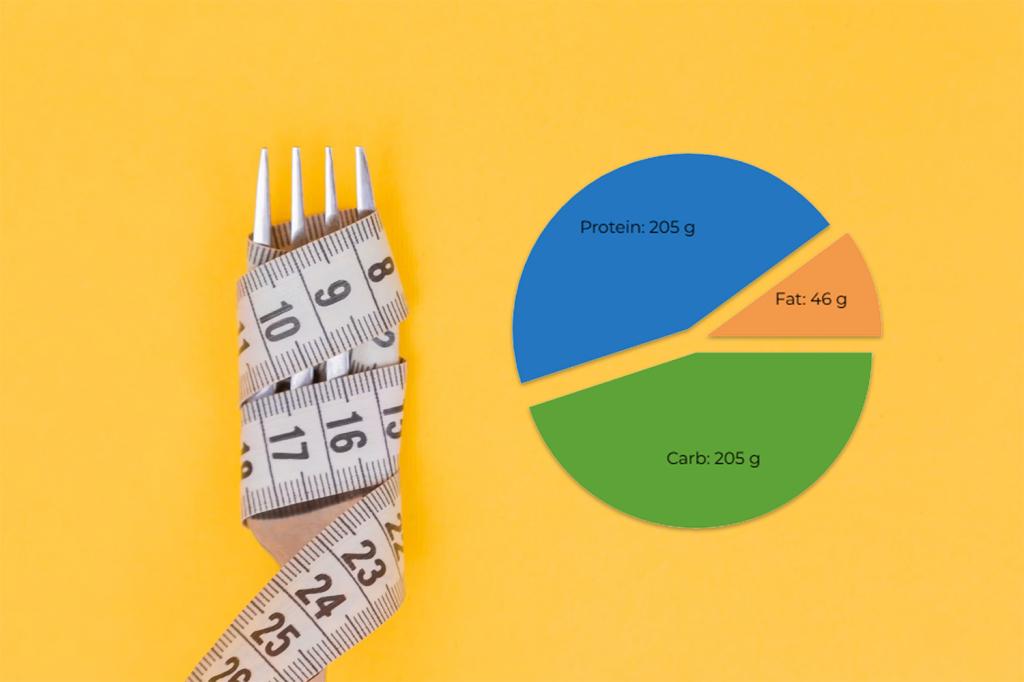
The calculator also suggests the amount of macros – protein, carbohydrates and fat – to consume to help you reach your goal. Because while a calorie deficit ultimately drives weight loss, you’ll still want to consume enough protein to ensure that you keep (or even better, gain) muscle, while mostly losing fat. For most people, even those who regularly train hard at the gym, the general consensus is that you can aim for around 0.62-0.82 grammes of protein per pound of bodyweight, which will put you in a position to build/keep muscle, while shedding excess fat.
Once you’ve put in all your details, you should have all the numbers you need to get started. You’ll have a daily calorie target that’s around 500 calories less than your TDEE, and you’ll know what macro targets to hit. Now it’s time to download your secret weapon:
Nutracheck makes tracking food a million times easier
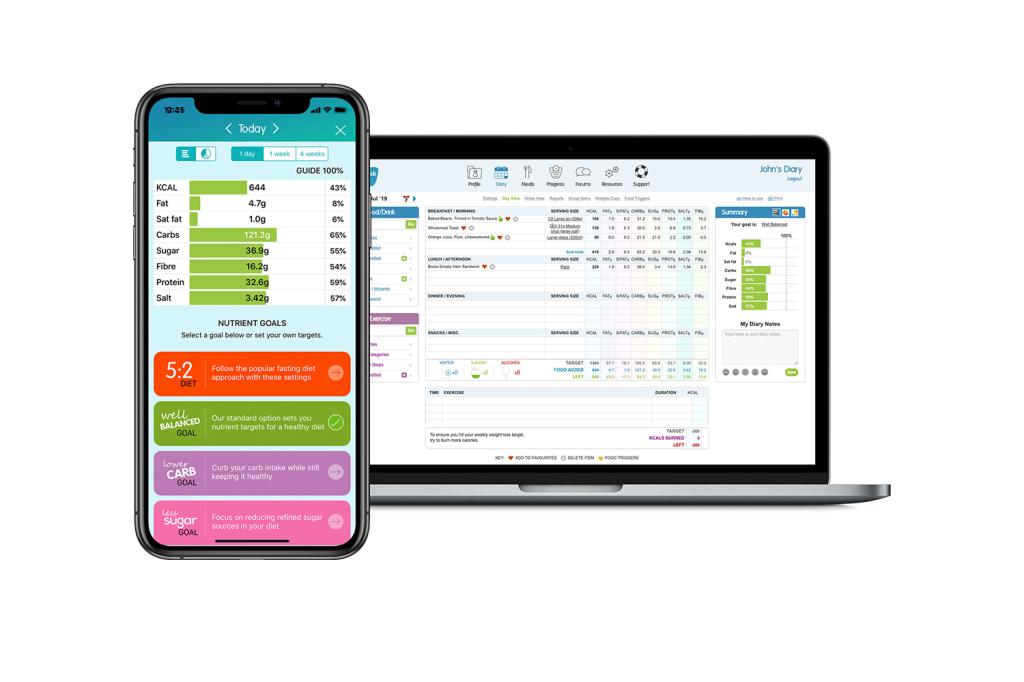
If I was forced to recommend just one thing from this entire article, it’s a calorie-counting app. I use Nutracheck, but millions of people also use MyFitnessPal, with plenty of other alternatives available.
In essence, these apps are simply here to help you log what you eat, and they can be a brutal wake-up call. Before Nutracheck, I honestly thought I had a decent idea of how much I was eating. Looking back, I couldn’t have been more wrong.
I’d eyeball portions, glug olive oil into a pan without measuring, throw a generous handful of grated cheese over dinner, or keep picking at nuts while cooking because, well, they’re healthy, right? Those little extras barely registered in my mind, yet they were quietly adding hundreds of calories to my day.
The first week was full of brutal realities. Within days of weighing everything properly, I realised a homemade chilli I’d always considered a sensible dinner could easily top 1500 calories once I’d added rice, cheese, sour cream, and oil into the mix. Nothing in that meal was unhealthy or bad, per se. My portions were simply far too large. And when your daily target is around 2400 calories, it’s not hard to see why the scales aren’t changing when one meal takes up more than half of that daily calorie budget.
I’ll admit that weighing every ingredient sounds like a massive faff, which is exactly why I spent years doing my best to avoid it. But calorie counting apps like Nutracheck make things a million times easier than they used to be. You can scan practically any barcode to log food, and you can do the same when creating homemade meals, scanning and weighing ingredients, telling it the portion sizes, and having everything worked out for you.
At the time of writing, it’s £29.99 a year or £6.99 a month, and I’d still describe it as one of the best subscriptions I’ve ever paid for – not just because it helped me reliably and consistently lose weight, but also because it completely changed my unhealthy relationship with food.
Using this calorie-counting method, there’s no more guilt or an ever-growing list of “bad” foods that are forbidden. I still eat pizza, munch on popcorn, enjoy chocolate, and even cool down with an ice cream. The difference isn’t what I eat. It’s finally understanding how much I can eat. As long as I hit my protein, fibre, and my five-a-day fruit and veg target, the rest is fair game. It sounds complicated, but after a week or two, you’ll naturally get a feel for what works for you.
As for the Nutracheck app itself, it wouldn’t be half as powerful without the next item on this list…
These OXO kitchen scales became the most important gadget in my house
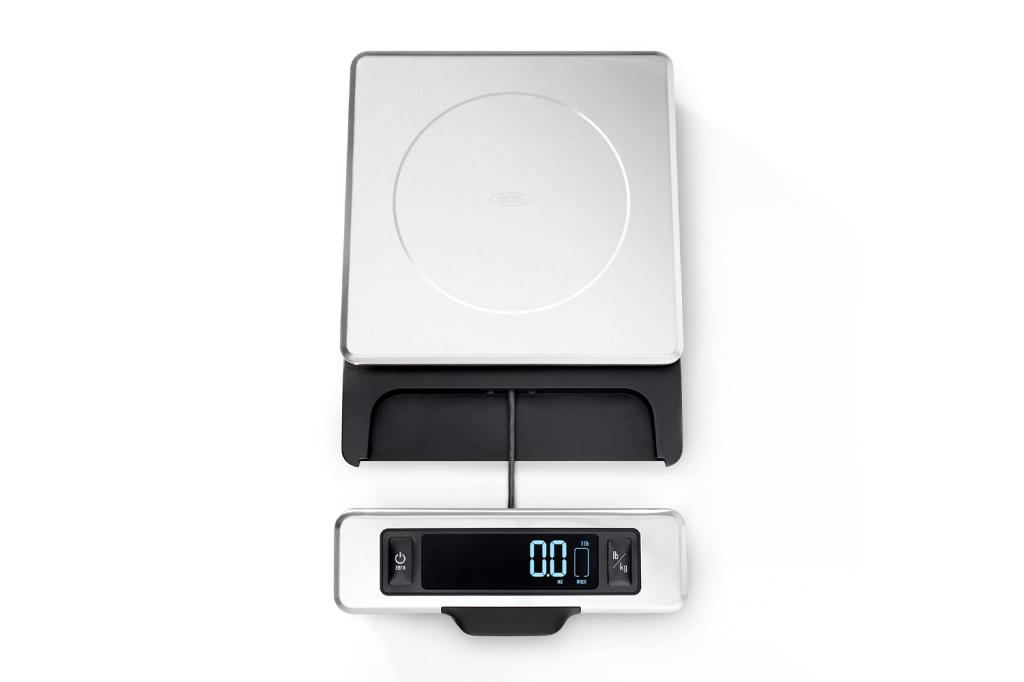
Calorie counting apps are only as accurate as the numbers you feed into them, which is where a decent set of kitchen scales comes in. After trying both cheap and expensive scales, I settled on what seem to be the best, most reliable ones for the price – the OXO Good Grips food scales.
They look good, have a stainless steel surface for wiping clean, and are remarkably consistent. Other scales I’ve tried in the past would give me different back-to-back readings. Hell, even the more expensive Heston Blumenthal-branded Salter scales I first bought would have the weight fluctuate in front of my eyes without me even doing anything. But the OXO scales have yet to let me down, after years of use.
They’re also brilliantly designed – put a large mixing bowl on most kitchen scales and you’ve got no chance of seeing the screen. Pull the display out on these, though, and the problem disappears.
They’re not smart. They don’t sync to an app. They don’t need charging, firmware updates or a subscription. They simply do one job exceptionally well, day after day, and, damn it, that’s exactly what all good tech should do.
Step up
Everything we’ve discussed so far covers the food consumption side of things, with good reason. While it’s technically possible to lose weight by increasing your exercise and not changing your diet, it’s unlikely to take you very far. It’s depressingly easier to smash an entire pizza, for example, than it is to spend hours on a treadmill burning it off. That’s why a combination of restricted calories and exercise is recommended for most people.
That exercise, by the way, can be both cardio sessions like running, or resistance training using weights – or ideally, both. Perhaps even more important than dedicated, purposeful exercise, though, is your NEAT – the extra daily calories you burn through walking, fidgeting, doing the dishes, vacuuming, etc.
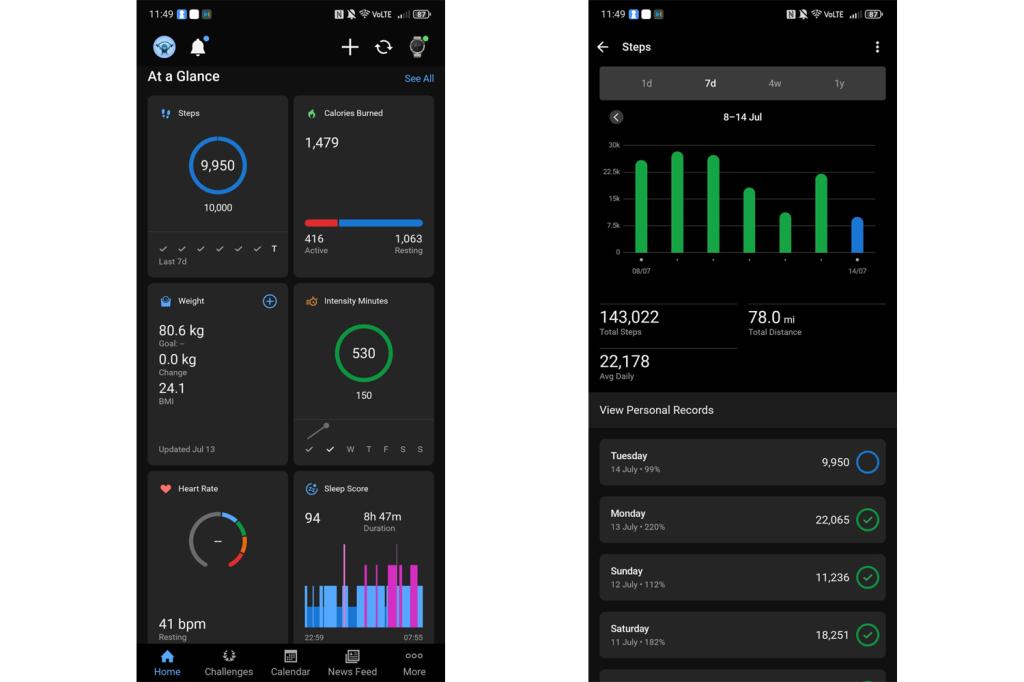
However you go about this depends on your daily life, but the general rule target of 8000-10,000 steps on average is a great target to aim for. If, like me, you have the luxury of working from home, then you could also set up a standing desk with a walking pad. Using this method, I average about 25,000 steps on any given weekday. I’m walking on it as I type these very words, in fact. I realise that this effort and expense will be above and beyond for most people though, and you really don’t have to take things that far.
Naturally, you can get your extra activity however you like, whether it’s walking the dog or going for a stroll each time you have a phone call. Whatever your exercise levels and activity choices, it’s worth grabbing a fitness tracker or smartwatch to help keep on top of what you’re roughly walking/burning each day. For what it’s worth, I have a Garmin smartwatch to track my steps and log my workouts, but honestly, a completely basic, cheap fitness band like the Xiaomi Smart Band 10 above will do the job just fine.
As with everything discussed here, none of these fitness tracking numbers are absolutely accurate. But combining, say, your steps and calories burned from your tracker with how many calories you’re consuming each day, you’re giving yourself a way higher chance of hitting that -500 calorie daily deficit, with far, far less guesswork. Which brings us on to the last (and for many, most stressful) piece of the puzzle.
The Garmin Index S2 taught me to stop fearing the scales
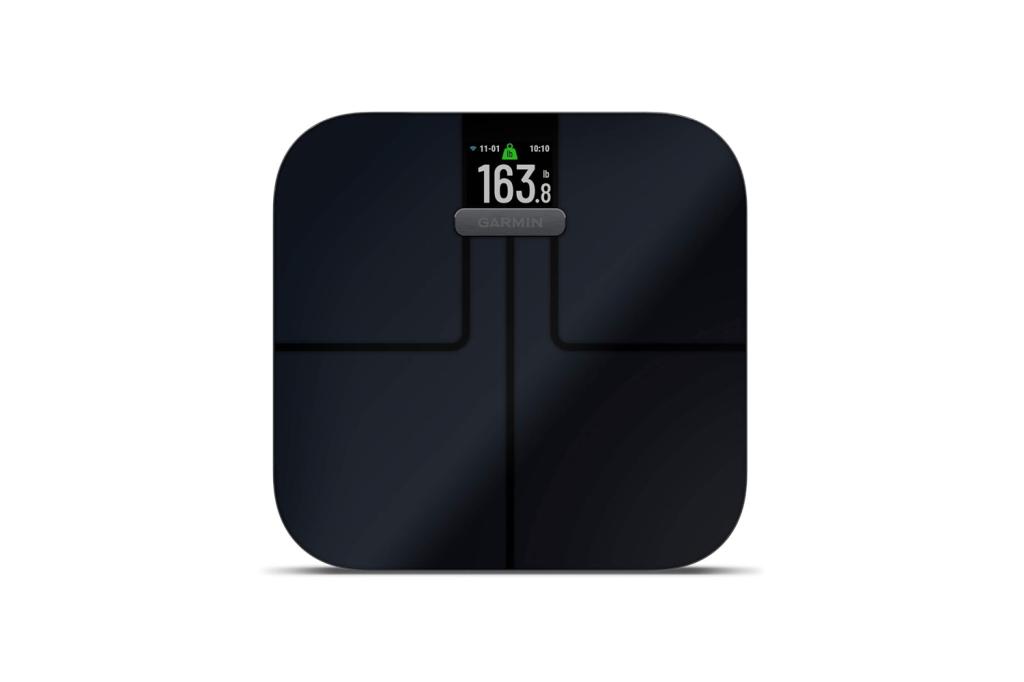
Most people don’t have a great relationship with scales. I certainly didn’t. I’d step on, see a number I didn’t like, and immediately convince myself the diet wasn’t working. I’d question everything I’d done over the previous week and wonder whether I needed to change something.
Ironically, the thing that cured that anxiety was weighing myself more often. Throughout my weight-loss journey, I stepped on my Garmin Index S2 smart scales every morning before eating or drinking anything, in an effort to be as consistent as possible. The more data I collected, the calmer I became, as I soon realised that body weight is incredibly noisy.
Eat a particularly salty meal, and you might retain extra water the next morning. Eat later than usual, sleep badly or simply drink more water, and the scales can move in ways that have absolutely nothing to do with body fat. Once you understand that, individual day-to-day weigh-ins stop carrying so much emotional weight.
Instead of reacting to a random Tuesday morning, for example, I started looking at the trends over weeks and months. And that’s where health-tracking apps like Garmin Connect come into their own. Watching the weight graph gradually slope downwards was incredibly reassuring because it proved the process was working, even when the occasional weigh-in suggested otherwise.
The Index S2 also estimates body fat percentage, skeletal muscle mass and other body composition metrics. They’re interesting, but I treat them as estimates that are useful for spotting long-term trends rather than precise measurements.
Of course, having a Garmin watch which uses the same app means my steps, workouts, daily calories, weight, and health stats all live in one app, with Nutracheck the only other one I need to keep things ticking along. You don’t need apps, a smartwatch, or connected scales, of course. But if, like me, you find data and progress charts motivating, then by all means join in.
Now comes the hard part
I’d say that’s all there is to it, but I know it seems like an overwhelming amount. The main thing is to ease yourself into all this slowly. Spend the first few weeks simply logging what you’re already eating into your calorie app of choice – this gives you zero pressure on the diet front, while getting you used to the calorie-tracking process. Once you feel ready, work out your calorie targets in the calculator linked in the first section, then ease yourself into eating at a daily 500 calorie deficit.
Note that at no point so far have I said anything about waking up at 5am, taking an ice bath while screaming positive affirmations into the sunrise, before running to the gym for a brutal three-hour Hyrox workout. These are the mad things you read about The Rock et al. doing in preparation for a movie (and even then, it’s all nonsense), but the reality is that as long as you do a bit of whatever exercise you enjoy the most – and somewhat regularly – that’s enough, and already far more than what most people are doing.
And if you stick it out until it becomes a habit, it won’t even matter if you’re enjoying the process or not. You’ll just find yourself doing everything automatically, smashing your goals with far less effort and guesswork than before. Because ultimately, losing weight (and fitness in general) is all about setting yourself up for success with the best general advice for a broad range of people. After that, it’s up to you to spend the following years, months, and even the rest of your life figuring out what things work best for you, and what tweaks or changes you’ll want to make to work around your body and preferences. If, like me, you lack patience and have always chased instant results, this is a sobering realisation.
For what it’s worth, I’ve found that switching up your perspective helps. Think of this as a lifelong hobby, and a series of constantly shifting goalposts. You’ve finally lost that extra 20kg you’ve carried around for years? Amazing. Now what? Focus on building more muscle? Sure? Want to improve your flexibility now that you’re more mobile? Start yoga. Ease into running. Keep working on shaving down your lap times. The list is endless, and you’ll never be bored.
Lastly, remember to never cut calories for more than 12 weeks max at a time (it’s possible to go longer but not recommended as its brutal and the risk of crashing out skyrockets), and always take a break and eat at maintenance for as long as you were dieting for. After that, you can cut back down if you have more to lose, eat at maintenance, or up your calories by a few hundred over what you burn to gradually put on more muscle without gaining as much fat.
Either way, you’ve got decisions to make. Hopefully, after reading this, that thought will feel more empowering, and less terrifying. Feel free to DM with any questions, and good luck!




Read the full article here


