







Introduction
Can’t make up your mind between a commuter electric bike and something that’ll survive longer journeys – including over the rough stuff – but aren’t quite feeling fit enough to go down the gravel bike route? Touring e-bikes sound like your sweet spot. If value for money also ranks pretty highly on your wish list, the Nomads Pro should absolutely catch your eye.
The more advanced version of Fiido’s long-range, load-lugging e-bike makes the switch from a rear motor to a much more potent mid-drive one, adds an air suspension front fork for greater comfort and control on rough terrain, and is rocking uprated disc brakes. Flat handlebars, a comfort-minded saddle and pre-fitted pannier rack also mean it’s built to go the distance. Yet at £1818/€1999 directly from Fiido (roughly $2450, though it’s not officially sold in the US currently) it’s a whole lot cheaper than the average tourer.
The price gap is partly down to it using components that wear names Western riders will be unfamiliar with – but have there been any shortcuts made elsewhere in the name of cost saving? After a month of rides both long and short, I’m ready to reveal the answer.
What are the Fiido Nomads Pro’s design highlights?
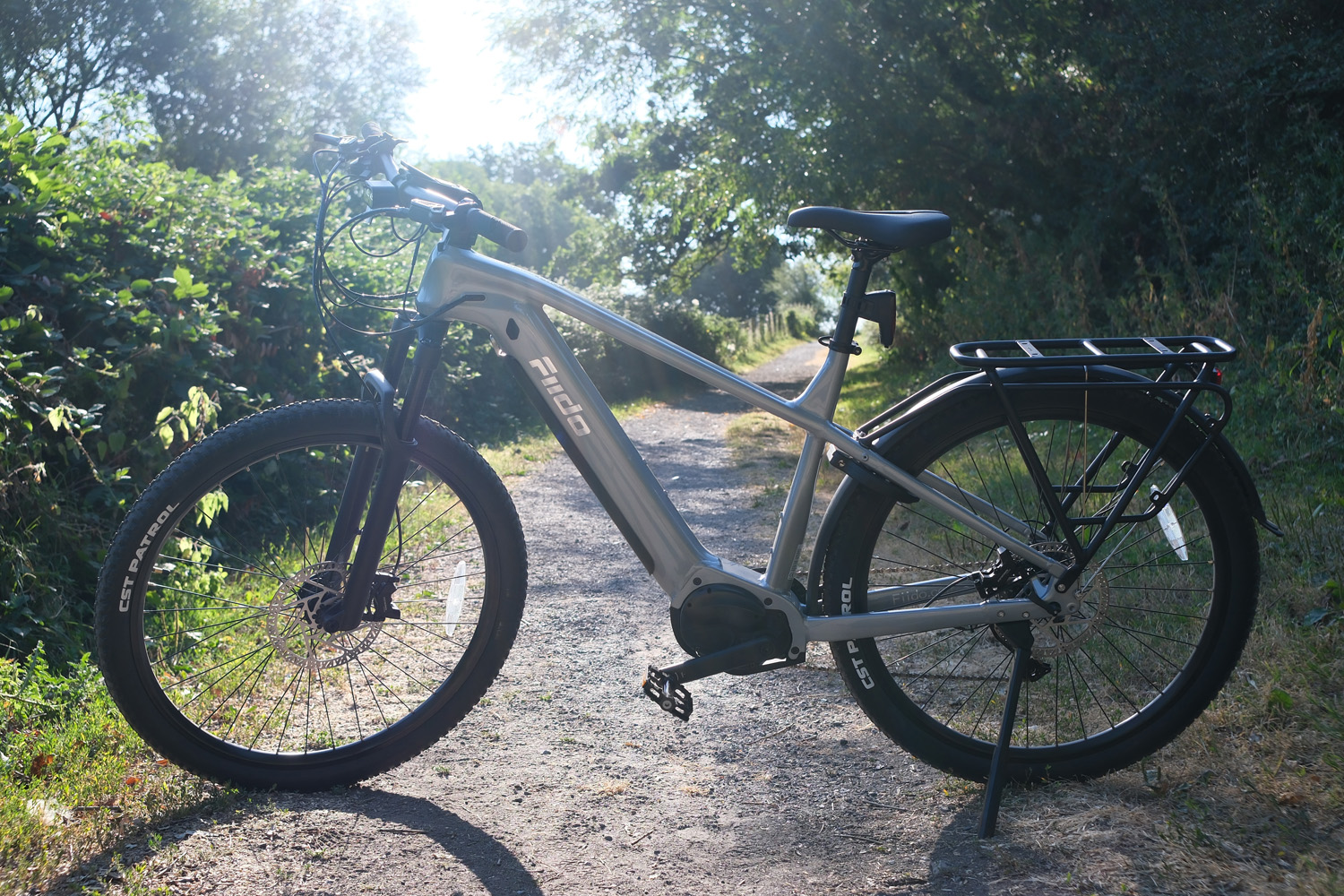
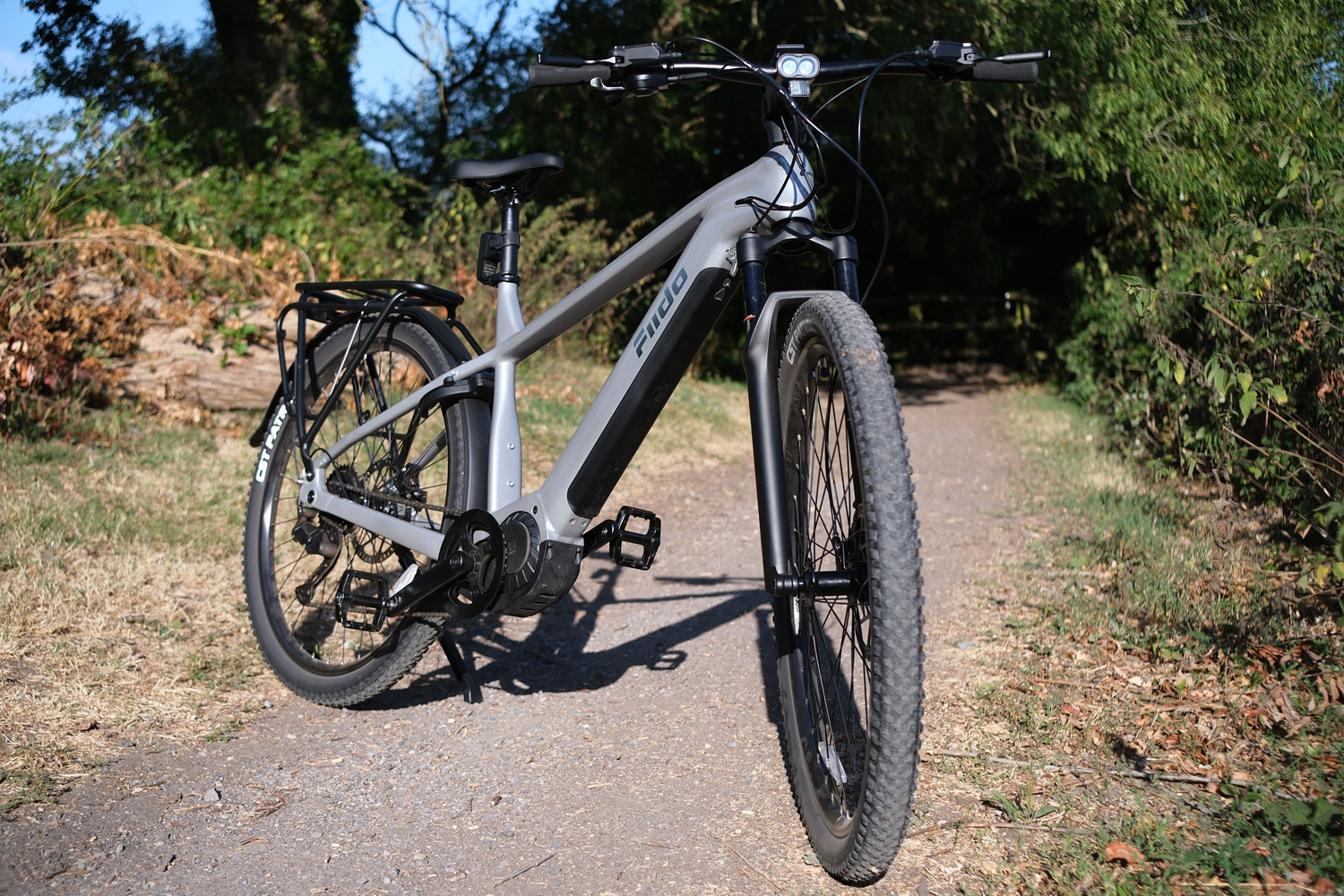
The Pro isn’t all that different from the regular Nomads. Other than the silver paint scheme (which has rather jazzy glitter flecked throughout), the biggest change is the swap from a rear hub motor to a mid-mounted one. It’s made from aluminium alloy, with welds that are near seamless at the top of the frame – something of a rarity on affordable models. The ones around the electric motor are more noticeable, but are partly covered by the pedal cranks.
It’s still a sharp looking e-bike thanks to the angled top tube and partially integrated cabling. The downtube is so thick that you’re never going to convince anyone you’re riding a mechanical bicycle, but I’m still happy the battery is stowed inside it, rather than on the outside in a spot that could otherwise be used for a bottle holder. You don’t get any included, but there are mounting points for two.
Fiido does include a generous toolkit in the box to help you get set up, including multiple Allen keys, a screwdriver, Y-shaped hex key and two spanners – basically everything you’ll need to get up and rolling, with no need to add your own equipment. That includes a set of flat pedals, front and rear mudguards, and a preinstalled pannier rack at the rear. The handlebar bell felt a bit redundant given the cockpit screen has a digital bell built-in, so I left it off. About the only thing you don’t get is a shock pump for adjusting the front suspension.
Construction was simple enough, with clear but basic paper instructions and a more detailed video guide online. Lining up the front wheel to avoid the brake disc scraping on the pads took a few tries, but otherwise attaching the handlebar and wiring in the lights to the cockpit controller were the trickiest bits. I was ready to ride in about twenty minutes.
My review unit did have a little play in the brake levers and the suspension lockout lever was loose, with no way to adjust either using the tools provided. The seat post quick release clamp also needed some extra tightening. More irritating was the fact the screw thread for the front mudguard was a little too large for the included screw, so I had to go without it. Based on coverage of the bike in European markets these seem like isolated incidents, and ones I’m confident Fiido would address quickly.
What features make the Fiido Nomads Pro stand out?
The Nomads Pro has a generous mix of low-fi and high-tech features, starting with an integrated kickstand and mechanical horseshoe lock built into the seat stays. It ensures the rear wheel is going nowhere without the right key, though it’s not as convenient as the VanMoof S6’s hub-based kick lock, which disengages automatically when your phone gets within Bluetooth range.
A separate key (you get two of each) also keeps the battery bolted into the frame. The charging port is built into the battery rather than the bike, so you don’t have to bring the whole thing to a mains socket to charge it – a big win over more tightly integrated ebikes like the VanMoof.
The rear rack is sturdy and can lug up to 25kg of gear. I imagine it comes preinstalled so that it can more tightly integrate the rear light. The original Nomads had these built into the seat stays, but rather low down; if you were in full bikepacking mode they’d be obscured by kit. This one is much more noticeable.
Pressing one of the handlebar-mounted buttons flicks it into life, along with the twin bulb front light. Both give good illumination for dusk rides, but I’d still consider investing in a more potent front light if you’re planning some major nighttime excursions (or commutes in the winter months).
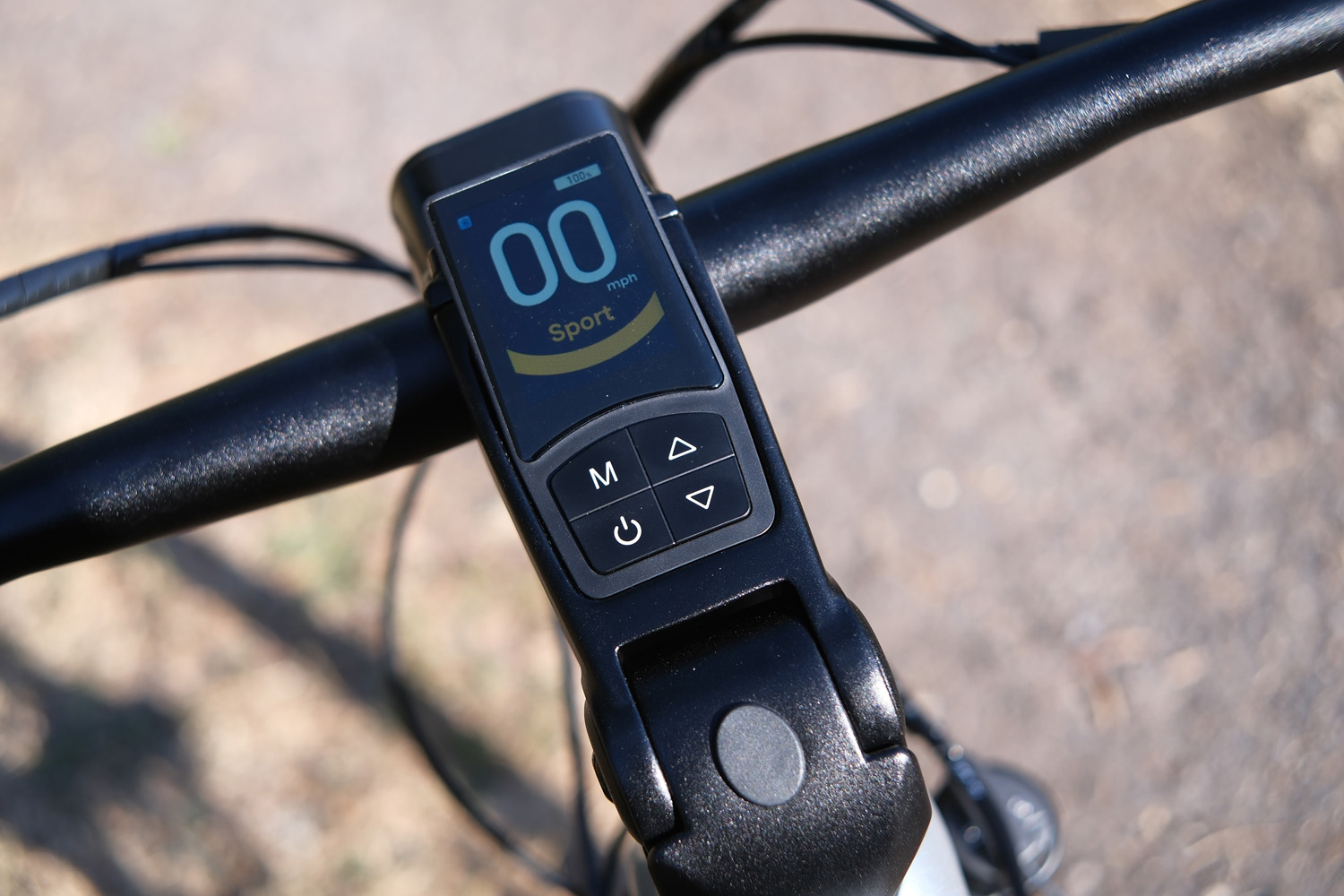
I liked having speed controls, the walk assist mode and digital bike bell on the handlebar, as it meant I didn’t have to reach for the cockpit controller quite as often. It has a colour display that’s usefully bright for daytime visibility and sharp enough that I had no trouble reading the handful of data screens. The main screen largely shows speed, along with a colour to represent the active power mode and a percentage of your remaining battery life; the others are better for tracking distance.
A box-fresh Nomads Pro offers three ride modes, but a quick trip to the smartphone companion app lets you expand this to five. Turbo and Turbo+ maximise power delivery, but aren’t so dramatically different from the Sport mode for leisure riding that I didn’t feel I was missing out. It’s only when attempting tougher ascents that the extra torque felt needed. For the most part I stick with either Eco or Normal.
The companion app also has a typical selection of settings to adjust, a mileage record and a remote battery lockout.
What is the Fiido Nomads Pro like to ride?
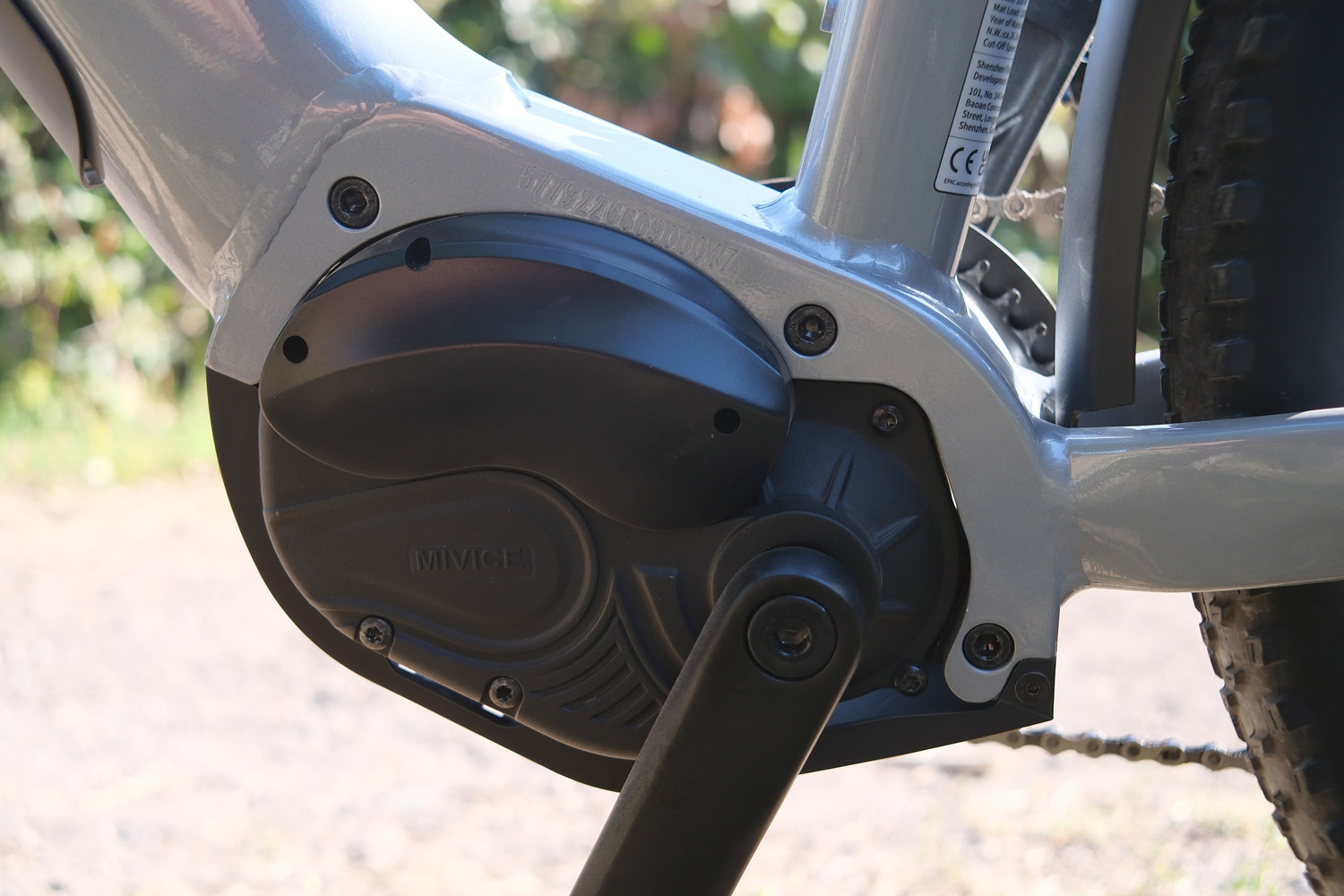
In anything but the Eco mode, the Nomads Pro’s 250W mid-motor kicks in with noticeable and reassuring levels of assistance as soon as you begin pedalling. The more powerful settings get you to the legal limit with very little effort, while you’ll still be doing most of the work in the lowest one.
It quickly adapts to your choice of nine Shimano CUES gears, selected using mechanical shifters on the flat handlebar and switched smoothly in either direction. You’ve got to be in a lower gear for ascents, as the motor won’t do all the work. I also thought the way the motor kicked in with all (or at least a substantial amount of) its torque the second you dropped below the legal limit for assistance could make for lurchy progress, at least while in higher gears. The (much more expensive) Canyon Grizl:ONfly CF Daily gravel e-bike I tested last year was far more seamless.
This bike has grip to spare, thanks to chunky 29×2.1in tires that easily coped with loose gravel and dusty dirt trails. The 120mm air suspension fork really helps swallow a lot of vibrations and bumps, while having the motor in the middle really helps with weight distribution.
I can’t fault the Nomads Pro’s braking ability; 4-piston hydraulic discs provide impressive amounts of stopping power to both front and rear, even while the motor is delivering full electric assistance.
The saddle also proved to be a great middle ground between road and mountain bike designs, with a generous width, sensible amount of padding and a pressure relief channel down the middle. It was comfortable enough for a 20 mile route across mixed terrain without padded shorts, which bodes well for weekend-long adventure rides.
Speaking of range, I found Fiido’s 47 mile estimate to be largely on the money – so long as you stick to Eco mode. The more potent power settings will drain it quicker. At a smidge over 26kg, riding with zero battery isn’t impossible – but it won’t be much fun either, especially if you’ve been going since 100% charge. If range matters most, a Dual Battery kit (which includes rear wheel racking and two additional battery cells) can add as much as 137 miles of range for an extra £637.
Should you buy a Fiido Nomads Pro in 2026?

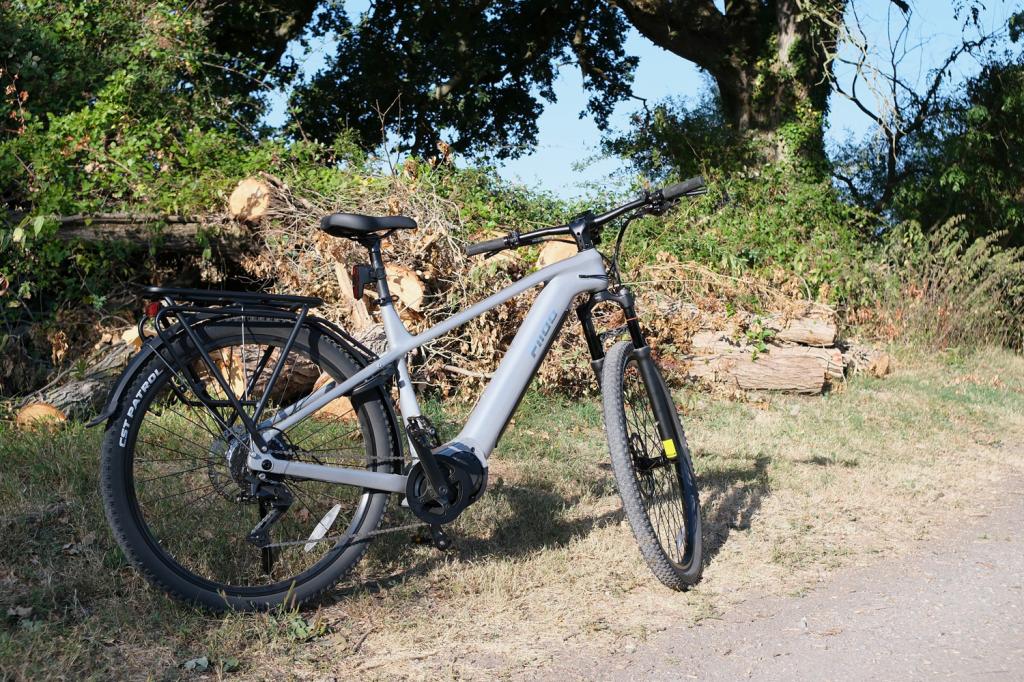
I enjoyed my time with the Nomads Pro; it’s a wonderfully honest electric bike that’s built to tackle a range of scenarios, from casual commuting to long-distance adventures over mixed terrain. Using components from lesser known manufacturers everywhere but the gearset has helped keep the price down, while the powerful motor ensures you’re never short of assistance so long as you’ve got battery remaining.
It’s not quite as advanced as the best tech-first ebikes I’ve ridden recently and its weight means I’d definitely want to bring an extra battery rather than get caught short on a long trek. My specific bike also had a few fitment issues and it could be a bit smoother with the handover between assisted and purely pedal-driven riding.
The price gulf to something like a Specialised Turbo Vado 3 5.0 is several thousand pounds, though, so you’re really getting a lot of bike for your money here.
What are the Fiido Nomads Pro’s technical specifications?
Scroll to see more →
| Specifications | Fiido Nomads Pro |
|---|---|
| Motor | 250W mid-drive |
| Battery | 418Whr |
| Top speed | 15.5mph (UK) |
| Range | Up to 47 miles |
| Charge time | 6 hours |
| Frame | Aluminium |
| Shifters | Shimano CUES |
| Brakes | Disc |
| Weight | 26.2kg |




Read the full article here


