




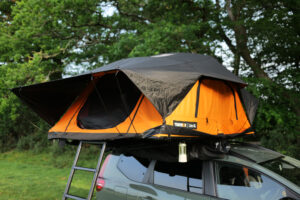


Over the past couple of years I’ve noticed more and more rooftop tents on the road, and one brand keeps popping up more than any other. TentBox has become the Hoover, the Teflon, the Tupperware of rooftop tents – the name people use even when they mean the category.
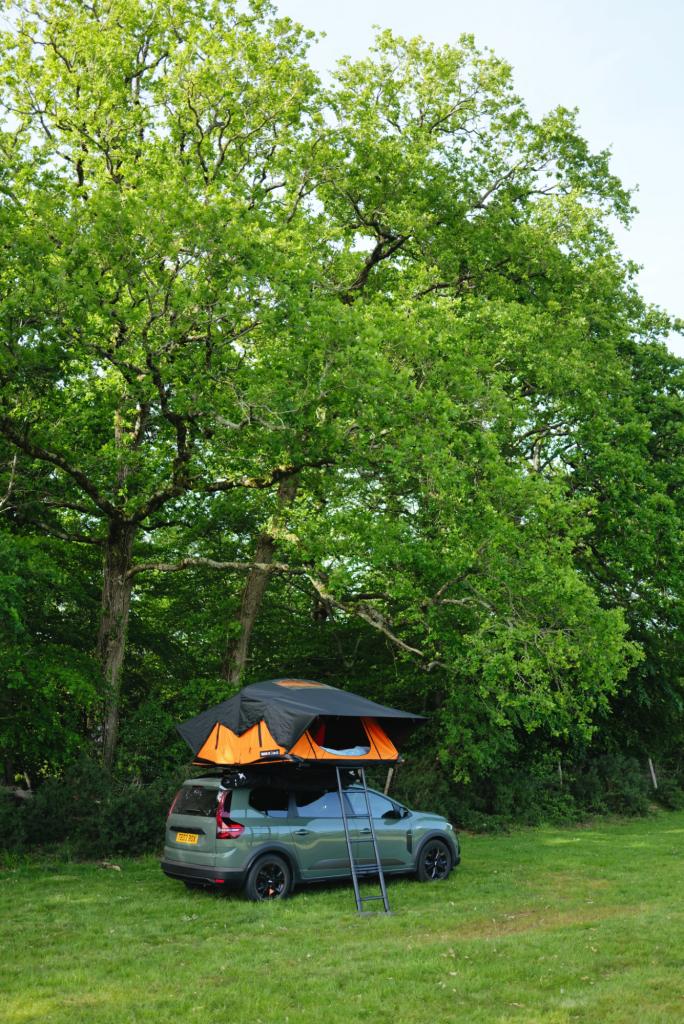
So I packed up a load of outdoors gear, my wife and three-year-old and headed to Dorset to see what all the fuss is about, testing the newly refreshed TentBox Lite XL.
Setup and fitting
First things first: getting it onto the car. I picked the test unit up from TentBox’s HQ in Southampton and watched two members of staff lift it onto the roof rack, and attach it, helped along by an electric ratchet wrench. It didn’t take long at all – though it’s worth remembering these are people who do this all day, every day, so of course they made it look effortless.
Even so, I was surprised by how straightforward the whole process was. The real sticking point for most owners will be simply lifting the thing up and down off the roof. TentBox calls this model the “Lite”, but at 62kg it’s still not exactly featherweight, and you’ll definitely want two people on hand to install and remove it.
Once it was up there, TentBox peeps talked me through folding and unfolding the tent – once was enough for me to feel confident doing it solo.

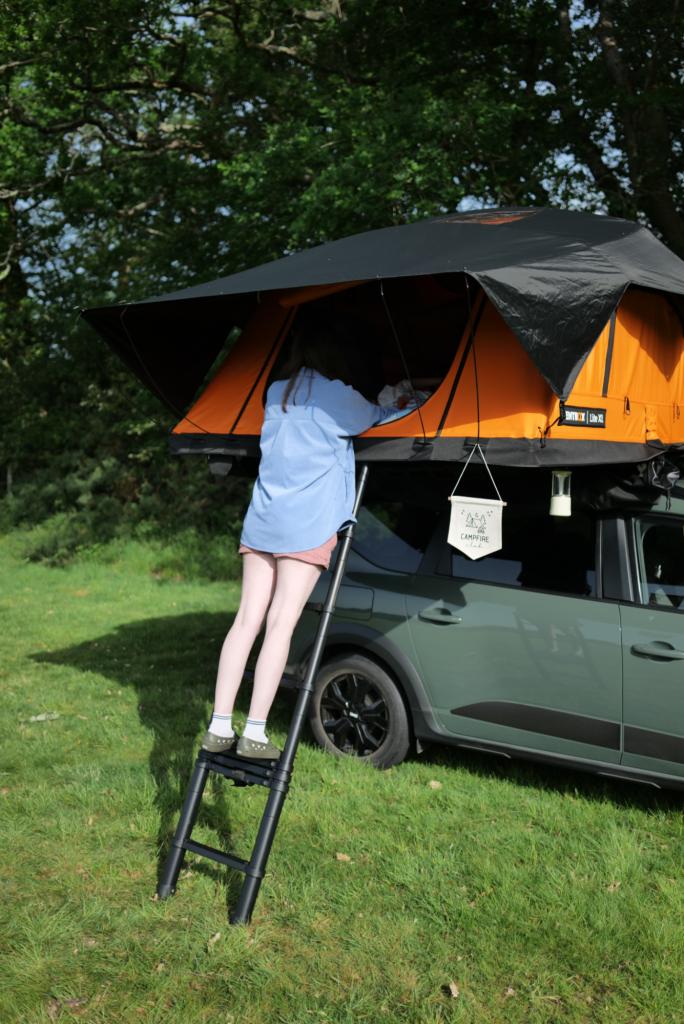
There’s none of the faff of threading poles through channels or untangling guy ropes that comes with a traditional tent.
TentBox says it can be pitched in around five minutes, and I don’t doubt that’s achievable with practice. Over my few days with it, my best unhurried time was 9 minutes 31 seconds. Worth noting, though, I’m 6ft 1in, so reaching up to secure/remove the tension poles was easy for me. If you’re shorter, or own a taller car, factor in a step stool and a bit more time.
Design and living with it
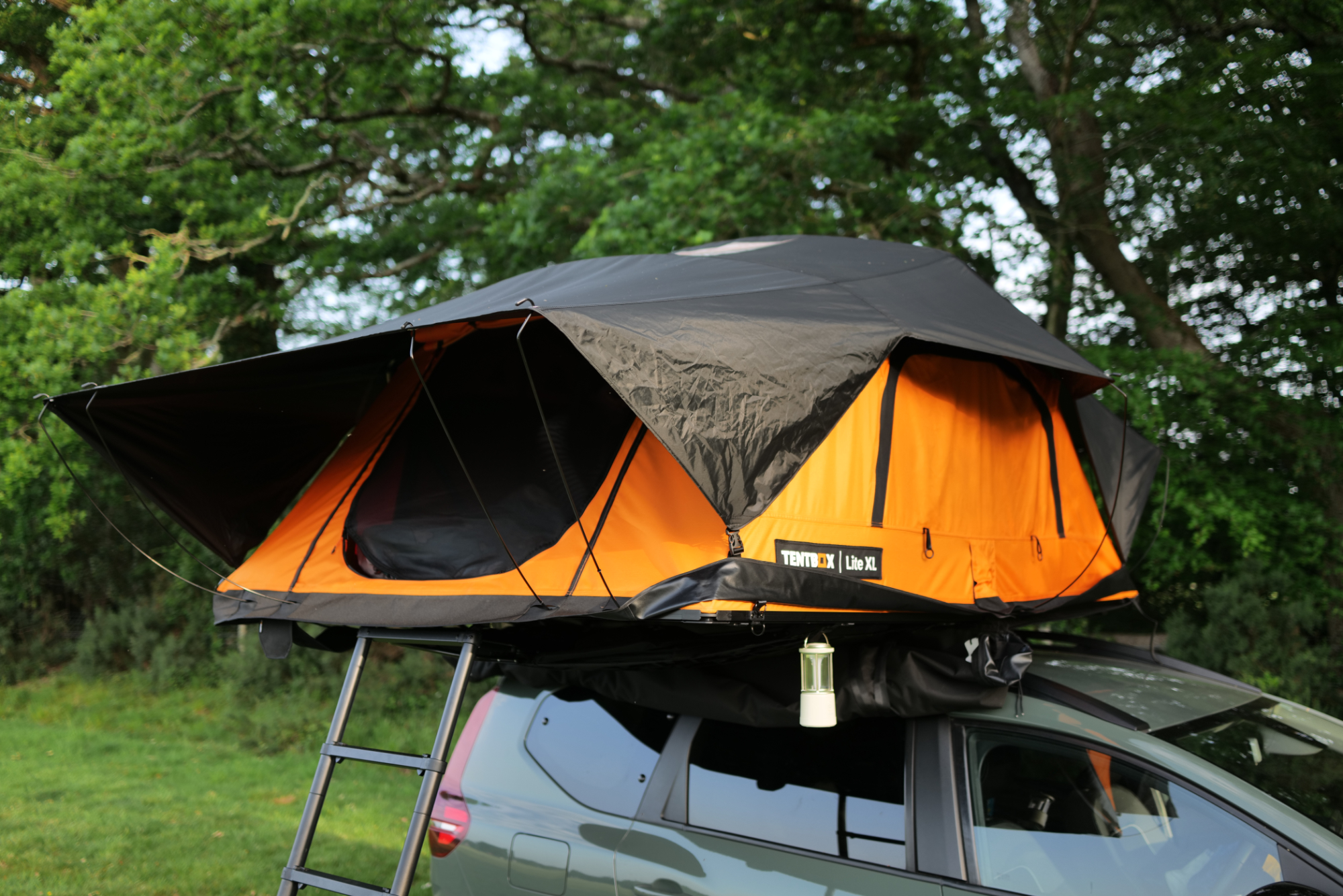
I tested the Lite XL in the brand’s orange ‘Sunset’ colourway, and it’s a looker – bright, distinctive, thoroughly Instagram-friendly. You certainly won’t forget where you’re pitched.
Inside, the pale fabric keeps things bright and welcoming. If you’re a light sleeper, though, you’ll want to either choose one of the darker options, Forest or Flint, or pack an eye mask.
Living with it day to day is where the small details really show. There are storage pockets running around the interior, and the wipe-clean section by the entrance makes life easier when muddy boots are involved. The cover rolls away and secures with Velcro without blocking your car doors, the tension peg bag hangs neatly out of the way, and the mesh storage net beneath the bed platform swallowed everything from wet jackets to our folded camping chairs.
These are the kind of refinements that come from a brand that actually uses its own product and listens to a genuinely engaged community.

Speaking of community – when driving around Dorset, another TentBox owner coming the other way started flashing their lights and waving. We panicked slightly, wondering if something had come loose. It happened again a few miles later, and we twigged: this is just what TentBox owners do to each other, a bit like the wave between original Land Rover Defender drivers.
I’d originally planned to test the standard Lite, which sleeps two, but after speaking to the team we switched to the Lite XL, which sleeps four, for the extra room. It was the right call. With space for up to four adults, we had plenty of room to spread out rather than being on top of one another – which was useful in 28°C/82°F heat.
The redesigned interior mattress is genuinely comfortable, too, and the tent feels properly private – private enough that we could get changed with the door open and not feel exposed.
Any downsides?
Cost is the obvious downside. At £1349 for the Lite, and £1999 for the Lite XL (not available in the US) this is a serious step up in price from a traditional tent.
There’s also the logistics of day trips – if you want to drive off and explore, you either leave gear behind to reserve your pitch and risk it being taken, or pack everything into the boot and risk losing the spot altogether. We chose the latter and got lucky.
Of course, if you do drive somewhere, you’ll also need to pack the TentBox away, and unpack it again when you get back. You don’t have that with a traditional tent.
And one, final, minor downsite is that after a weekend of driving around, the front of the cover was also thoroughly caked in dead bugs.
TentBox Lite XL Verdict
Downsides aside, I’d take this over a traditional tent every time. Being lifted off the ground, and the extra comfort that comes with it, makes a genuine difference to how a camping trip feels.
TentBox Lite XL specs
Scroll to see more →
| Specifications | TentBox Lite XL |
|---|---|
| Sleeping capacity | 4 |
| Set up time | As low as 5 minutes |
| Wind rating | Up to 50mph (Gale force 9) |
| Seasons | Four seasons |
| Internal weight capacity | 300 kg |
| Anti-bug mesh | Yes, on all windows and doors |
| Mattress size | 240 x 180 cm |
| Dimensions (open) | 183 x 240 x 115 cm |
| Dimensions (closed) | 183 x 120 x 25 cm |
| Weight | 62 kg |




Read the full article here


