




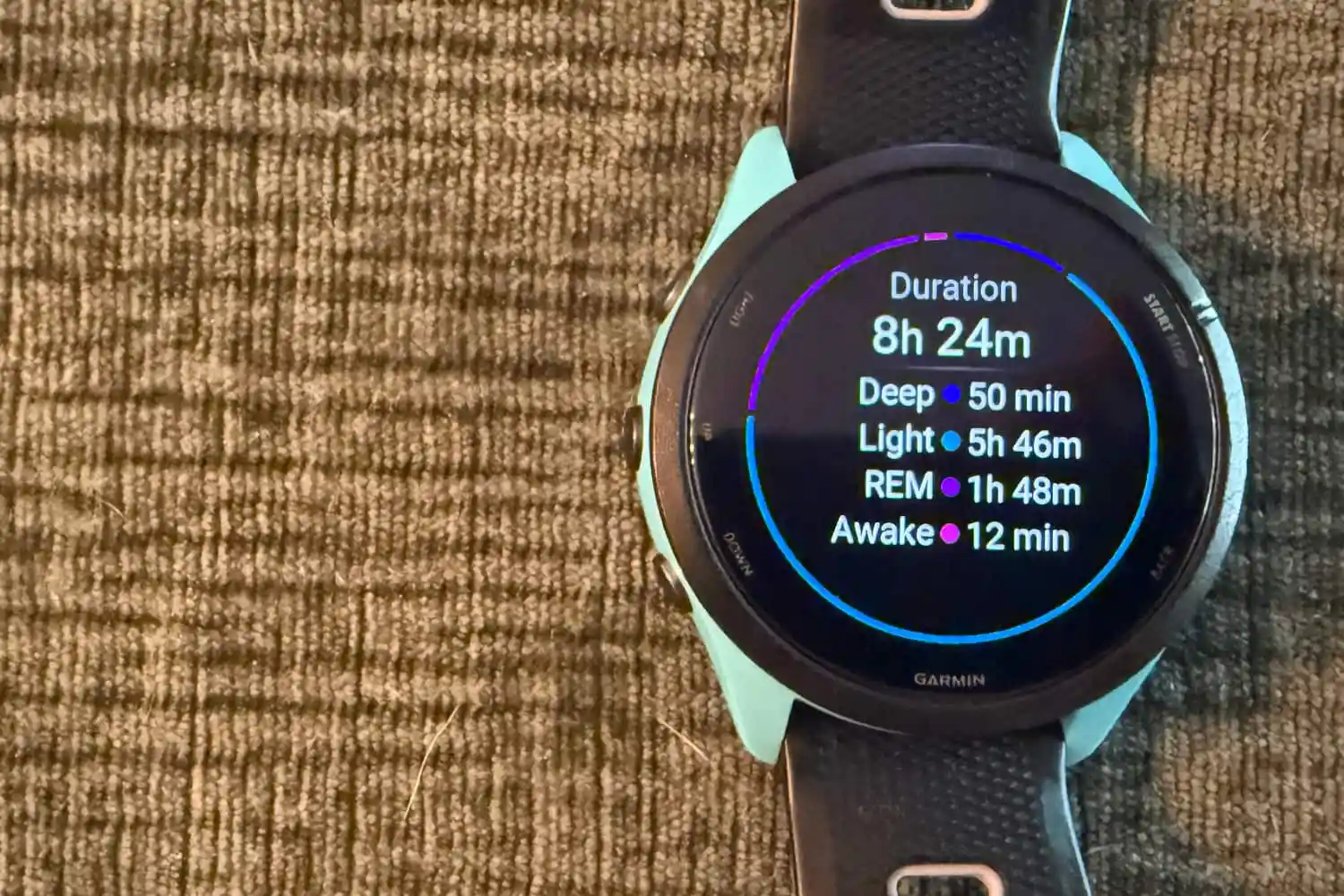
The so-called ‘blue light’ from LED screens on smartphones and tablets has earned a bad rap over the last decade, with studies linking the electronic light to a negative effect on sleep onset, duration and quality. However, the evidence this light is the main culprit is far from conclusive.
Is an hour of screen time before bed impact your ability to get enough restorative sleep? It’s unlikely to help for a number of reasons. Are the effects significant? That question has failed to draw a firm consensus among the scientific community.
Furthermore, it’s a multi-layered discussion. Is tech’s impact on sleep really down to blue light tricking your brain into thinking its daytime? Or the content on your phone or tablet keeping your brain active, and preventing you from turning off the lights?
Here are the key arguments.
What is blue light?
Cleveland Clinic defines blue light as a “segment of the visible light spectrum with a shorter wavelength and higher frequency than most other lights we can see.” The healthcare institution explains that the shorter the wavelength, the greater the effect on the naked eye. It goes onto say that this blue light is “almost as powerful as the ultraviolet (UV) rays we get directly from the sun.”
This type of light is emitted by electronic displays like smartphones, laptops, tablets, televisions, VR headsets, et al. LED and fluorescent lighting also qualifies.
However, what our brains see as white light is actually blue light coated in a chemical called yellow phosphor. The blue light leaks out of those LED screen and that’s largely perceived to be the problem.
How is blue light said to impact sleep?
In around 2015, studies began to be published linking blue light from device use to impacted sleep quality. Researchers found a link between blue light exposure and a suppression of the melatonin hormone. Melatonin production helps to regulate our circadian rhythm – our body’s internal 24-hour clock that’s largely informed by daylight hours and darkness.
The theory is that too much exposure to this blue light after dark, when the body’s natural rhythm is to slow down and prepare for rest, tricks the brain into thinking it’s still daytime. As 2021 Harvard University article explains that exposure to blue light “will stimulate the melanopsin-containing cells and alert the brain, making it think it is daytime.”

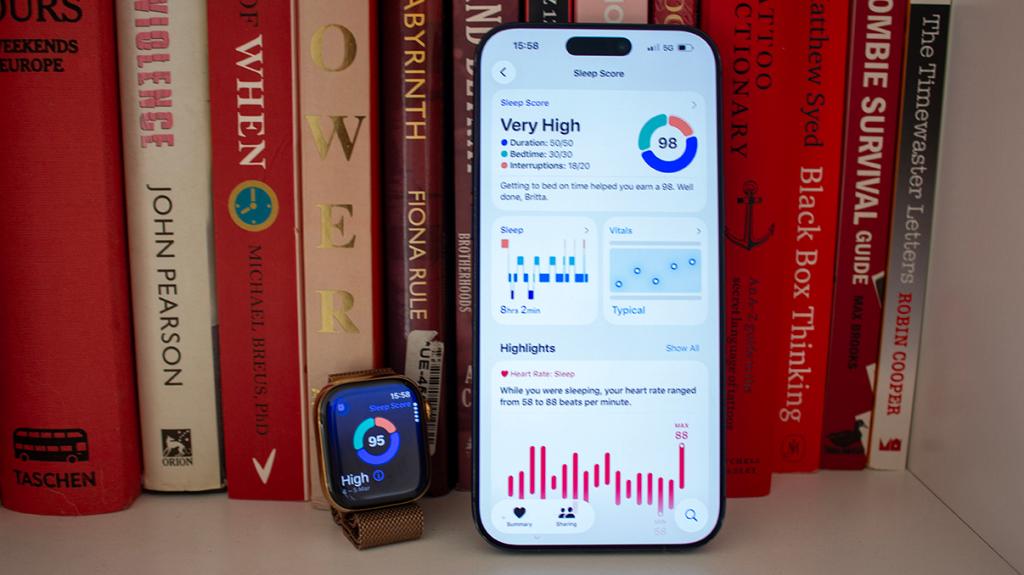
A 2015 study from Chang et al investigating Light Emitting eBook reader use “took longer to fall asleep and had reduced evening sleepiness, reduced melatonin secretion, later timing of their circadian clock, and reduced next-morning alertness than when reading a printed book.”
Another study from Chinoy el al (2018) found that “When using light emitting tablets, participants rated themselves as less sleepy in the evenings and less alert in the first hour after awakening on the following mornings.”
So, it’s settled then? Blue light = bad for sleep
Not so fast.
One more recent study (Silvani et al, 2022) into the effects of blue light called it a “murky field” that also overlooked other perceived benefits of exposure in other situations, such as boosting mood and daylight alertness.
Speaking to the BBC, a Stanford University professor Jamie Zeitzer called some of the studies into blue light and sleep “deceptive” and claimed the amount of blue light emitted by most phones and tablets are “inconsequential” compared to what we receive from the sun or what participants are subjected to in some lab tests.
“We bring someone into the laboratory, and they are exposed to very dim light all day long. And then they are given a bright light stimulus,” he said, pointing out this didn’t reflect the everyday experience of most humans. “The more light that you get during the daytime, the less impact the light in the evening has,” he added.

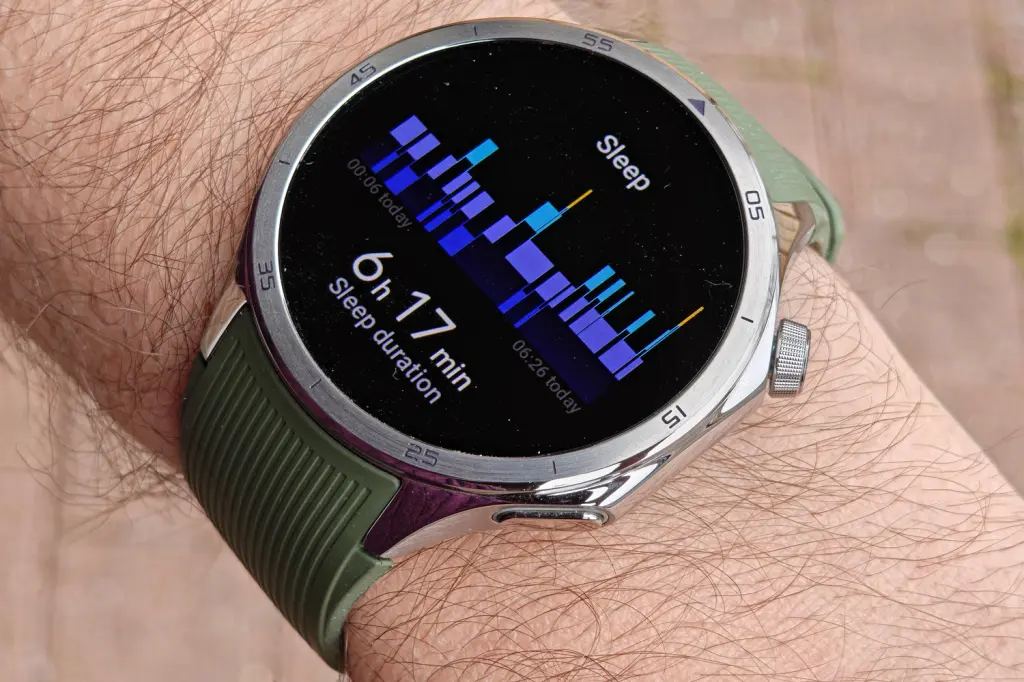
And while there may be effects caused by blue light, they may not be that significant. A study published in Sleep Medicine Reviews in 2024 linked blue light from technology to sleep onset delays of no longer than ten minutes.
Michael Gradisar, PhD, the co-author of the study opined: “Screen time before bed is often blamed for sleep problems, but our findings show they are not the main contributors. Most sleep problems can be attributed to people having irregular and inconsistent sleep habits. It’s also essential to get an adequate amount of natural light during the day and establish a consistent bedtime routine.”
Further more, after analysing a collection of 73 studies, The Conversation concluded light from devices such as smartphones and laptops is nowhere near bright or blue enough to disrupt sleep. Some of those studies pointed out device screens emitting 80-100 lux are paltry in comparison to the 1,000-2,000 lux researchers have claimed would be enough to disrupt sleep significantly. It aggregated 11 studies to conclude that blue light caused just a 2.7-minute delay in sleep onset among participants.
Better sleep is a holistic endeavour
It seems widely accepted that blue light = bad sleep. The major tech companies accepted it by building Night Modes that alter the colour temperature, and Dark Modes that reverse traditional black backgrounds and white texts. Loads of companies offer blue light reducing specs to be worn while engaging in screen time to help reduce those effects.
However, there’s no overwhelming consensus about the profoundness of any effects of blue light exposure from technology. And blue light/brightness isn’t the only thing about tech use that can damage sleep.
If you’re playing engaging and exciting video games that stimulate the brain, you may have a harder time switching off. Also, if you’re texting with a pal or don’t put your phone into do not disturb mode, those alerts are going to have an effect as you’re nodding off. If you’re browsing content that causes you to worry or binging shows designed to keep you engaged, then sleep is unlikely to come easily. If you’re using tech after your usual bedtime then, yeah, your sleep is being displaced.
Get better sleep hygiene routines of gradually reduced stimulation, consistent bedtimes, a cool room with a comfortable environment, etc. And yeah, try and limit that tech use because that blue light certainly isn’t helping, even if the effects aren’t quite as pronounced as expected as we’ve been led to believe.




Read the full article here


