






Back in January, I was crouched on the CES show floor making laser blaster noises with a Lego X-wing, utterly sold on the idea of Lego Smart Brick. Six months on, with the Star Wars launch sets built, tested, and largely gathering dust, and a batch of new Pokémon sets now sitting on my son’s shelf, I’ve got a very different, and much more complete, picture of these new tech-pack bricks.
What are Lego Smart Bricks?
For anyone catching up – Lego Smart Brick is Lego’s new interactive building system, built around a brick that looks just like a standard 2×4, but is actually packed with sensors, an accelerometer, lights, and a tiny built-in synthesiser.
Slot it into a build alongside Smart Tags and Smart Minifigures, and the model reacts to how it’s moved, tilted, or positioned near other pieces. All of the sounds are generated in real time rather than played from pre-recorded samples.
The CES high
My first hands-on with Smart Brick was, frankly, a lot of fun. There’s no screen, no app for kids to get distracted by, just a brick packed with sensors that reacted to how you moved it.
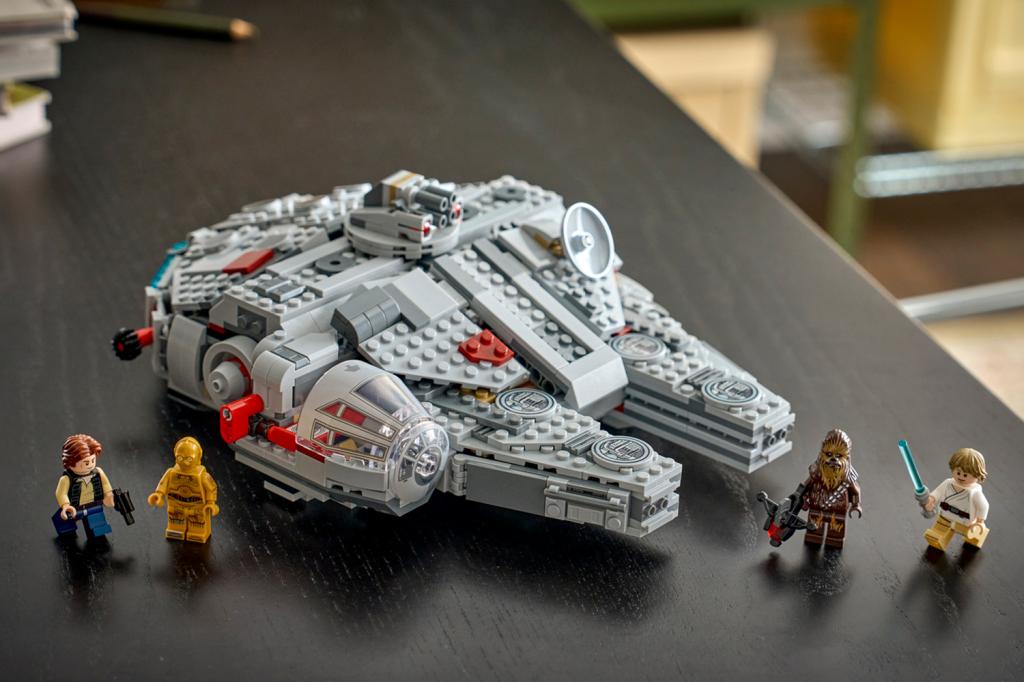
Lego originally showed off its Star Wars sets. Tilt the X-wing and the engine pitch changed. Bring Vader’s TIE Fighter close to a Rebel outpost and the blasters kicked in. Move Palpatine onto his throne and the brick blasted out its own synthesised version of the Imperial March.
But, maybe, above all that, I was super impressed with the technology inside.
I left Las Vegas convinced Lego had actually cracked something. It felt playful rather than gimmicky, and crucially, it didn’t feel like tech for tech’s sake.

Then I got them home…
Demo tables staffed by enthusiastic Lego reps are one thing, but living with these sets day to day is another.
The sound is the first crack in the illusion. What felt charming and lo-fi on a noisy show floor sounds thin and a bit naff in a quiet living room. These are synthesised parps and burbles and laser sounds, not samples, and once the novelty wears off, they do start to grate a bit.
Some die-hard Star Wars fans aren’t happy with the sound effects’ lack of accuracy, either, though that doesn’t bother me so much.
The battery life is the bigger disappointment. Forty-five minutes of play time is actually fine for children (it’s certainly enough spaceship dog fighting my 3.5 year old), but if the Smart Brick isn’t placed on a charger at the end of a play session, then it’ll be dead by the next one. That’s really frustrating, and, more often than not, results in the bricks not getting played with.

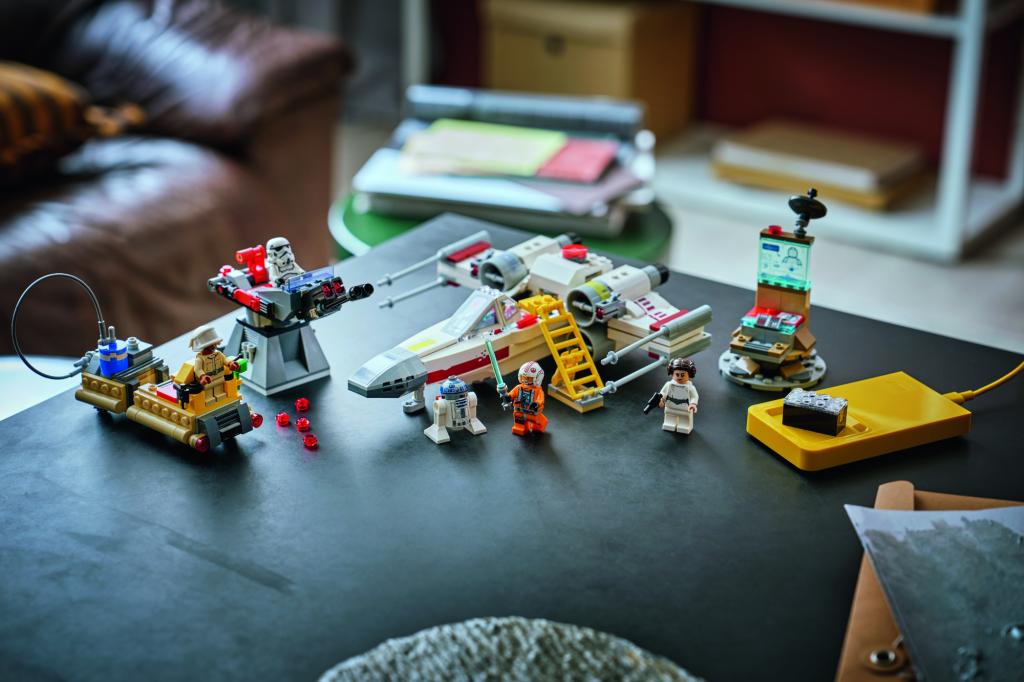
Then there’s the price. $70 / £60 for the TIE Fighter, $90 / £80 for the X-wing, and $160 / £140 for the Throne Room Duel set. That’s a little premium over equivalent standard Star Wars sets. If that wasn’t bad enough, you can buy the Mos Eisley Cantina set for $80 / £70, and not even get a Smart Brick included.
And, let’s be honest, the sets themselves aren’t Lego’s finest work (it’s no Minias Tirith). The builds feel like they were designed around finding somewhere to slot the Smart Brick in, rather than the brick being designed around a genuinely great set.
Was Star Wars the right launch partner?
I don’t think Star Wars was the right franchise to introduce this technology with. Star Wars has a very rabid fanbase, with very high expectations. A synthesised approximation of engine roars and John Williams’ score was never going to live up to the versions already lodged in people’s heads.
My son hasn’t shown any interest in the Star Wars Smart sets since I first built and tested them back in January. They’ve sat in a plastic tub ever since, largely untouched.
Then Pokémon arrived
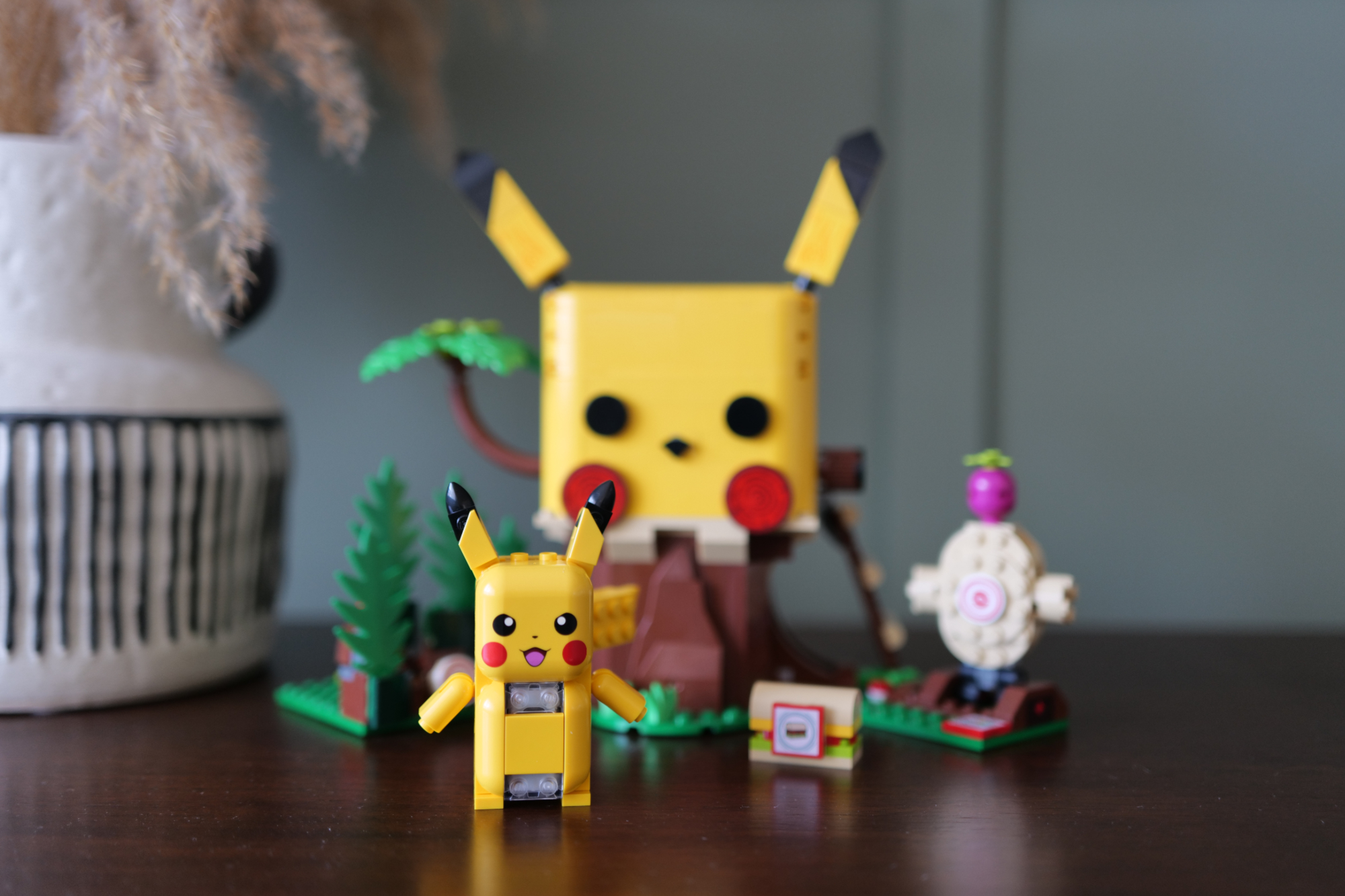
A few weeks ago, Lego sent over its new Pokémon Smart Play sets, including the Training House with Pikachu and the Charizard vs. Jolteon Ultimate Battle set. These have completely reset my opinion of the platform.
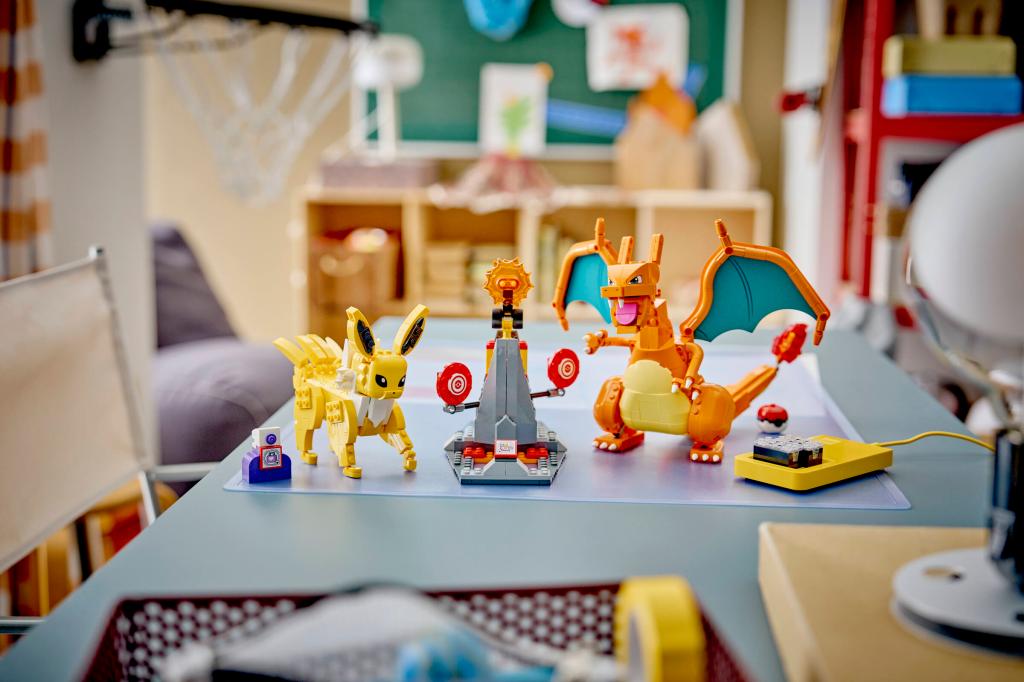
For a start, these are good models (the Pikachu is so cute). The Smart Brick has been integrated really well and doesn’t feel bolted onto these builds as an after thought. Pikachu reacting to being moved around and snoring when he lays down, or a battle playing out between two Pokemon, taps into exactly how kids already play with Pokémon toys. It’s really imaginative.
The sets themselves are simply better designed too, they’re more playable and more open-ended. My son has really enjoyed playing with them.
What I’d actually like to see
Going back to my CES notes, the demos that stuck with me most weren’t the Star Wars builds at all. It was the unlicensed demo stuff, a duck that quacked when you waddled it, a dinosaur that snored when laid flat, a music box that sped up the faster you spun it. None of it existed to service a franchise. It just existed to make you play with it.
Eight months on, that’s still what I want most from Smart Brick. Pokémon has proven that Smart Bricks can be fun to play with. But those CES prototypes proved something else, that Smart Bricks don’t need an IP at all to be imaginative.
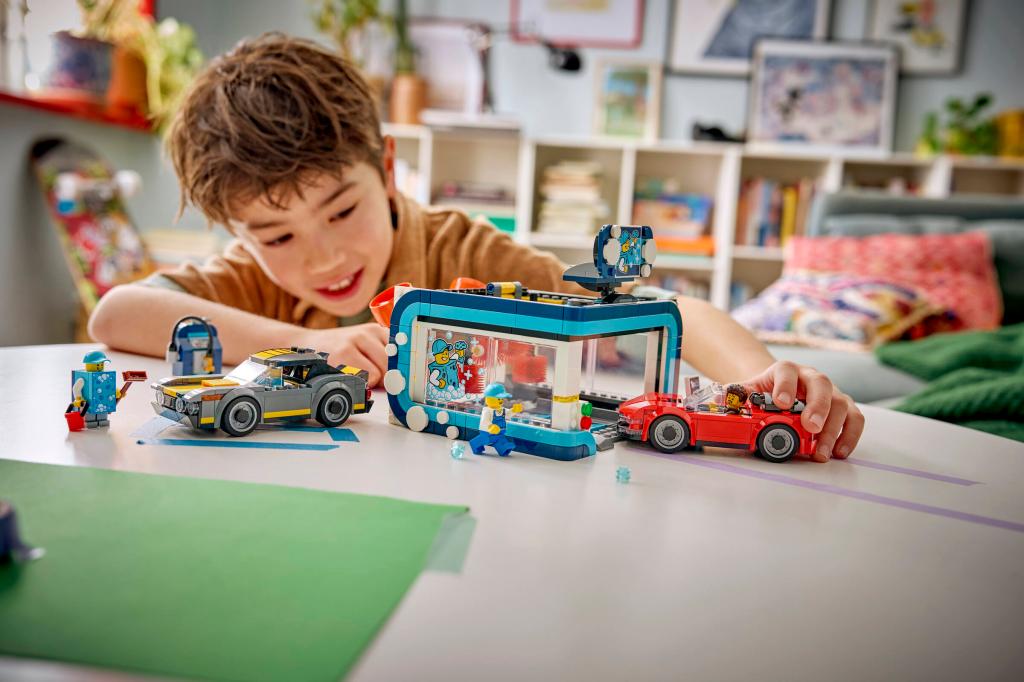
Left to its own devices, without a script to follow, it invites kids to make up their own rules for how something should behave.
Lego City feels like it would have been a far smarter starting point, engine revs, sirens, and general everyday chatter don’t need to live up to any iconic source material, and City has always thrived on exactly the kind of open-ended, make-it-up-as-you-go play that Smart Brick is best at.
Liked this? Best upcoming Lego sets 2026: the coolest new Lego builds coming this year that you’ll want to buy




Read the full article here


