






In response to these videos, other creators started sharing what appear to be screenshots of partnership offers they’d received from PR firms working on Higgsfield’s behalf. All of this led fans to the conclusion that Higgsfield has been trying to use creators to boost its profile and garner goodwill from the public. Almost immediately, fans began dragging Haapoja and Kolder for seemingly working with Higgsfield. Haapoja’s and Kolder’s videos are not labeled as ads and neither the creators nor Higgsfield responded to The Verge’s questions about whether these were paid partnerships. But in producing and posting videos that feel very much like ads for Higgsfield, both creators left portions of their audiences feeling alienated.
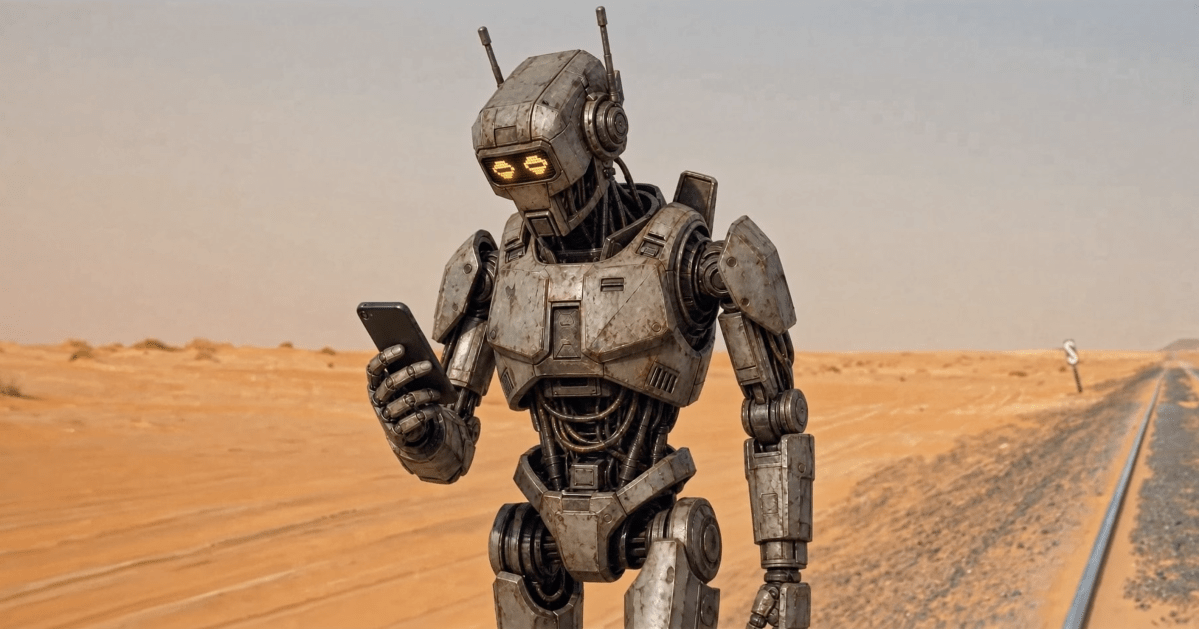
Haapoja and Kolder enthusiastically frame Higgsfield and Seedance 2.5 as innovative tools that have the potential to revolutionize the entertainment industry. Haapoja’s is kind of like an infomercial where he explains how Cully Hill Boys — Higgsfield’s feature-length film starring AI-generated duplicates of YouTubers Mikyle “N3on” Rafiq and Matt Kiatipis — was produced with prompts. Haapoja also demonstrates Seedance 2.5’s capabilities with AI-manipulated footage of himself placed in different sci-fi settings. Kolder’s video — titled “AI is replacing me” — tells a story that starts off with an explanation of Kolder’s background in video production before it becomes a fictionalized, Chappie-esque narrative in which he explores Mauritania with the help of a robot. Both videos blend footage of real people with distinctly uncanny AI-generated imagery.
On Threads, Haapoja’s video was met with pushback from fans and other creators who consider him their peer. Marques Brownlee took issue with Haapoja likening generative AI to the Canon EOS 5D Mark II (an iconic DSLR known for making shooting in 1080p full HD more affordable for independent filmmakers). Brownlee also emphasized that unlike the 5D Mark II (a physical tool people still had to learn how to use), gen AI is “trained on real human-made material without any credit.”
Unlike the overwhelmingly negative feedback to Haapoja’s video, Kolder’s comments section on YouTube was more of a mixed bag, with many viewers responding positively. But for every few “absolute cinema!” or “amazing transitions!” comments, there are people lamenting that “AI defeated our king” and insisting that “no AI can replace creative artists.”
The negative reactions to Haapoja’s and Kolder’s videos have been much louder than most of the responses to some of Higgsfield’s other recent creator collaborations. Cully Hill Boys debuted last week without all that much fanfare, which made it seem like viewers might not have had particularly strong feelings either way about it. When you scroll through some of the posts that Cully Hill Boys’ cast shared about the film, there’s a mix of AI boosters cheering Higgsfield on and people knocking the company for being a slop purveyor. For the most part, those criticisms haven’t been aimed at the film’s cast — who gave Higgsfield the right to use their likenesses, but were otherwise not as directly involved in the project’s production as traditional actors would be.
What’s different about Haapoja’s and Kolder’s posts is how they come across as sponsored advertising intended to ingratiate the creators’ audiences with Higgsfield. Even though neither of the creators goes so far as to say “you, too, should absolutely be using these products,” that certainly seems to be the underlying message. The caption for Kolder’s video appears to contain what looks like an affiliate link, offering a 30 percent discount on an annual Higgsfield subscription.
As common as partnerships between brands and creators are today, Haapoja’s and Kolder’s cases show what can happen when people with large social media followings involve themselves with products and companies that don’t align with their audiences’ values. This is a potential issue with basically any product, but by endorsing generative AI in particular, creators are opening themselves up to becoming focal points for people’s negative feelings about the technology. That’s what happened earlier this month when OpenAI invited a gaggle of influencers to a luxury resort in New York for a “Summer Club” retreat. None of those content creators uploaded anything as substantial as lengthy videos showing off OpenAI’s tools, but their posts about the trip and receiving OpenAI-branded swag were more than enough to leave their followers turned off.
While companies like OpenAI and Higgsfield can afford (to some extent) to rub people the wrong way with their advertisements, creators who agree to partnerships with AI companies are in a much more complicated position. Creators can only secure such deals after building large followings, but those followings often consist of people who see them as trustworthy individuals with beliefs similar to their own. For creators like Haapoja and Kolder, whose appeal as filmmakers lies in their own human creativity, this bargain is especially risky. At a time when many AI services and tools are seen as a threat, endorsing the technology can signal to their followers that they aren’t someone to be invested in.
Read the full article here


