

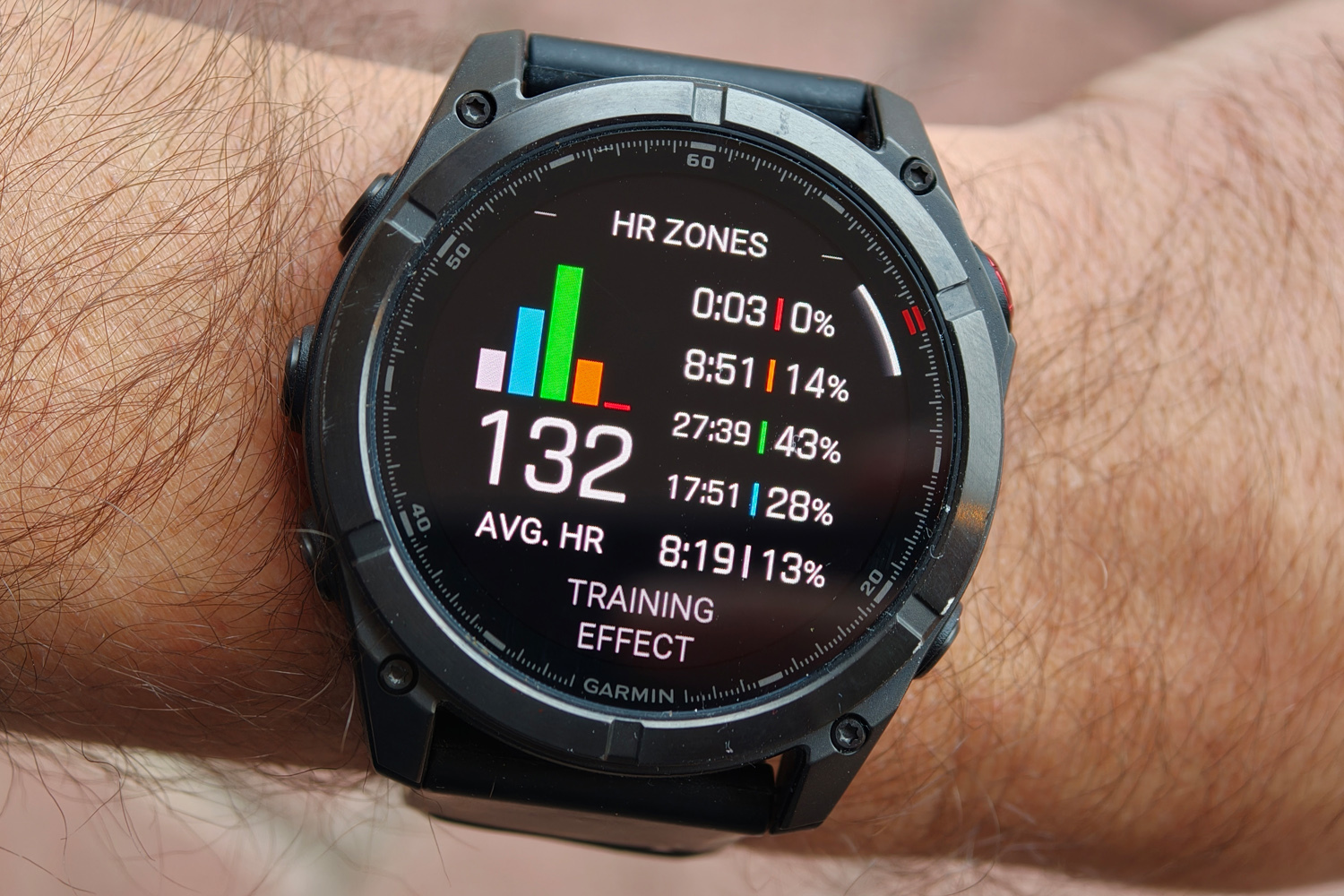
The best fitness trackers, smartwatches and health apps promise to help us move more, eat better, and understand exactly what our bodies are doing. They count every step, analyse every workout, and record every calorie we eat. But does any of it actually work?
I’ve used plenty of it myself over the years, from a Garmin watch and treadmill desk, to calorie-tracking apps and connected bathroom scales. Together, they’ve helped me understand my habits, measure progress, and saved my brain from having to think about all this stuff too much.
None of these tools does the actual work for you, mind. So, how useful is all this technology really, what should you actually track, and would you ultimately be better off without it?
People were fit long before tech showed up
People were getting fit long before Instagram fitness influencers peddled peptides in their sliders. Take Eugen Sandow above. Considered the father of modern bodybuilding, he achieved a physique in 1894 that would be classified as elite even now – and that was long before the extracurricular “supplements” found in modern bodybuilding. And if it wasn’t obvious, he managed to achieve all this without a step tracker, fitness band, app, or subscription in sight. Lucky dude. But I digress.
I could, right now if I liked, leap outside and start jogging. My Garmin watch would let me know my heart rate, pace, cadence, recovery score, and VO2 max. But what if I, the madman that I am, took it off and ran anyway?
The run would still exist, of course. I’d have got some solid steps in, and burned some calories. I wouldn’t know the amounts, true, but I still would have gone out and done the thing. And here’s the big secret: Doing The Thing is the crucial bit. You just have to do your Thing – whether that’s weights, running, tennis, walking – consistently enough for your body to see the benefits of it. We’re talking weeks for some stuff, months for others, and years, depending on your goals and starting point.
In other words, you don’t need to count your steps before they benefit you. A run still improves your fitness if Strava never hears about it, and your burning lats don’t care whether you record your pulldowns in a notebook or an app.
The same applies to losing weight. In simple terms, your body weight will generally fall when you consume less energy than you use over time. A fitness tracker can’t create that deficit for you, and wearing a smartwatch won’t cancel out what you eat.
Getting fitter and losing weight aren’t necessarily the same goal, either. You can become stronger or improve your cardiovascular fitness without losing much weight. You can also lose weight without becoming significantly fitter.
That distinction determines what might be worth tracking. A runner may care about pace and distance, while a powerlifter would be far more interested in sets, reps and loads. If weight loss is the goal, food intake and the longer-term trend on the scales may tell you far more than a daily readiness score, too.
In general, at least 150 minutes of moderate-intensity activity or 75 minutes of vigorous activity each week is recommended for the general population, along with strength activities thrown in if possible. Brisk walking counts, as do running, cycling, swimming and plenty of other activities that require no specialised tech.
None of this means that fitness tech is useless, of course. It just means that the fundamentals exist independently of it. Exercise, food choices, and everyday movement produce the results. Gadgets and apps can simply make those things easier to understand and manage. And if you’re anything like me, that extra guidance is priceless.
Turning data into action
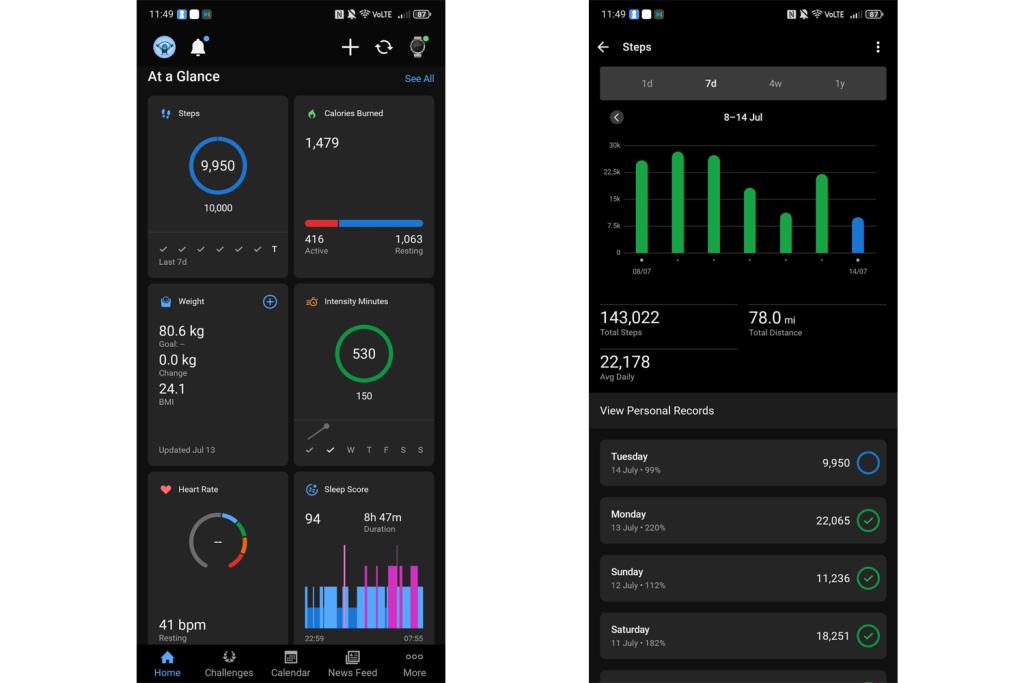
A fitness tracker is at its most useful when the information it collects changes what you do next. Let’s take steps as an example. I aim for at least 10000 a day. If I check my watch in the evening and see I only need another 500 to hit my goal, that’s enough to get me off the sofa for a quick walk around the block.
Now, I’m not saying that one block walk is the difference between a six-pack and a beer belly. But how about, say, 100 block walks. Or 1000? This small nudge to get up and start moving is where trackers can really earn their keep – a review published in The Lancet Digital Health, covering more than 160,000 participants, found that activity trackers were associated with modest increases in physical activity – equivalent to around 1800 additional steps and 40 extra minutes of walking each day on average.
The same principle applies elsewhere. Recording your regular route can show that you’re gradually running it faster. Logging gym sessions reveals whether you’re becoming stronger. And tracking food can expose sneaky calories that were flying in under the radar.
Stay grounded
While I’ve been singing the praises of stats and data, it’s important not to treat them as law. Things like step counts, calories burned, and calories consumed are all estimates. Solid estimates, but estimates all the same.
So use fitness trackers. Use apps. Use smart scales. But use them as a guide that you can tweak as you see fit. If you’re consistently doing all the right things with the aim of, say, losing weight – like eating your meals, tracking your steps, logging your workouts etc – and the number on the scale hasn’t dropped in two weeks, for example, don’t blindly carry on because the numbers in the apps seem okay. You’ll want to look at cutting out around 150 calories – even if all the apps and stats say that you should still be in a deficit.
If we had diagnostic ports like cars, this would all be much easier. But we don’t. The best we can do is use all these tools to better learn about what works for our own bodies and preferences.
After a while, you might decide that you no longer want or need to record everything. Or maybe you’re happy to let the tech continue taking some of the mental load off for you. Either way, there’s no right or wrong approach – provided that tracking remains useful rather than becoming a source of guilt or anxiety.
So don’t buy a fitness tracker because you hope wearing it will somehow make you fit. But if you’ve got some willpower, patience, and above all, consistency, then the right tech can simply make finding – and sticking to – your routine a little bit easier.


Read the full article here
