





Garmin’s take on the no-screen fitness tracker is finally official. The Cirqa puts automatic activity detection and 24/7 health monitoring in a distraction-free device which – unlike class king Whoop – doesn’t require an ongoing subscription.
I got the chance to try the compact and lightweight tracker at a London gym space ahead of the July 24 public release. It’s still early days – especially as a sluggish Play Store update meant I wasn’t able to pair to my Android phone – but it already looks like the Cirqa gets a lot right.
How does the Cirqa stand out from other screen-free wearables?
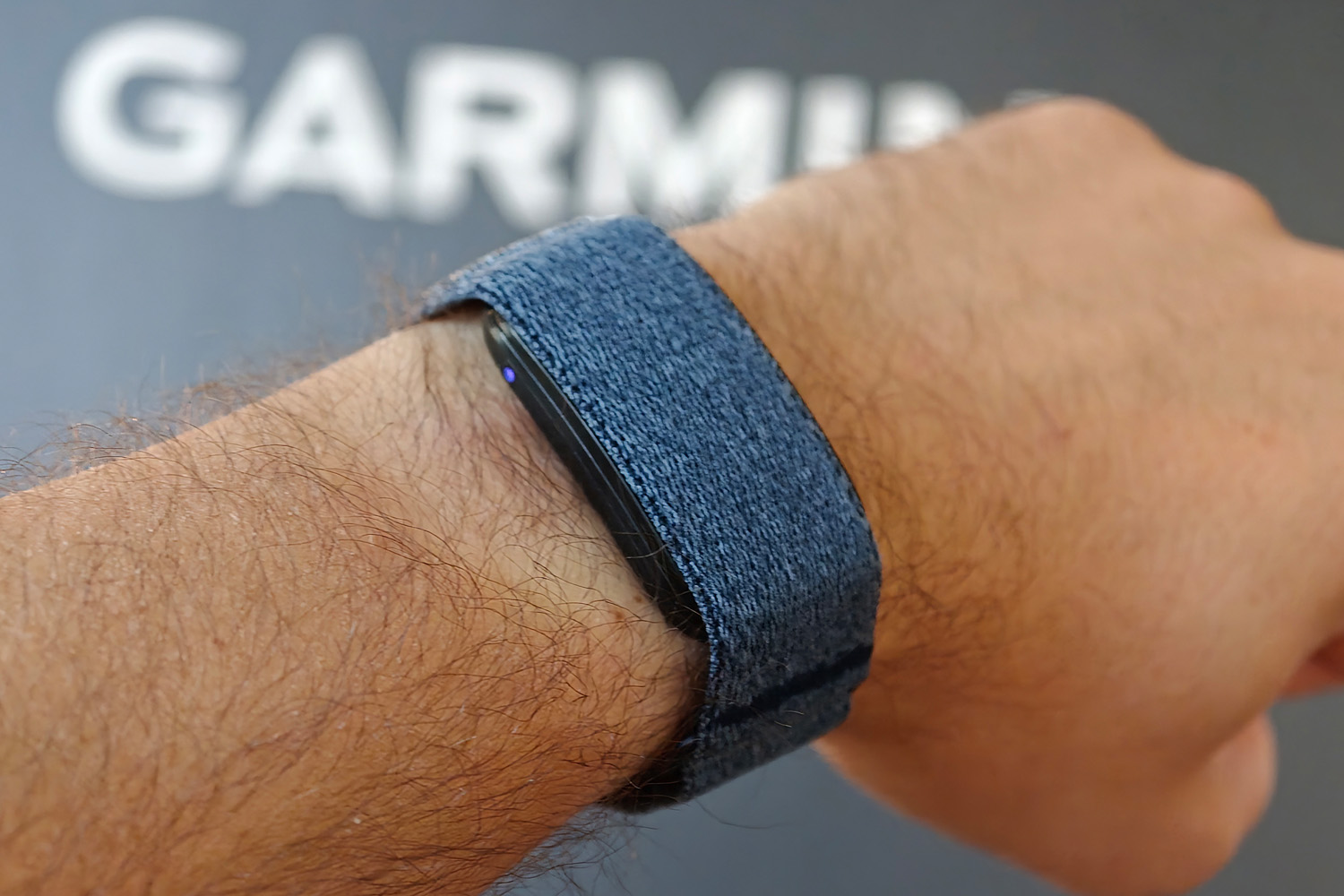
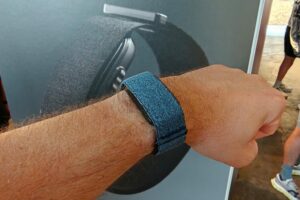
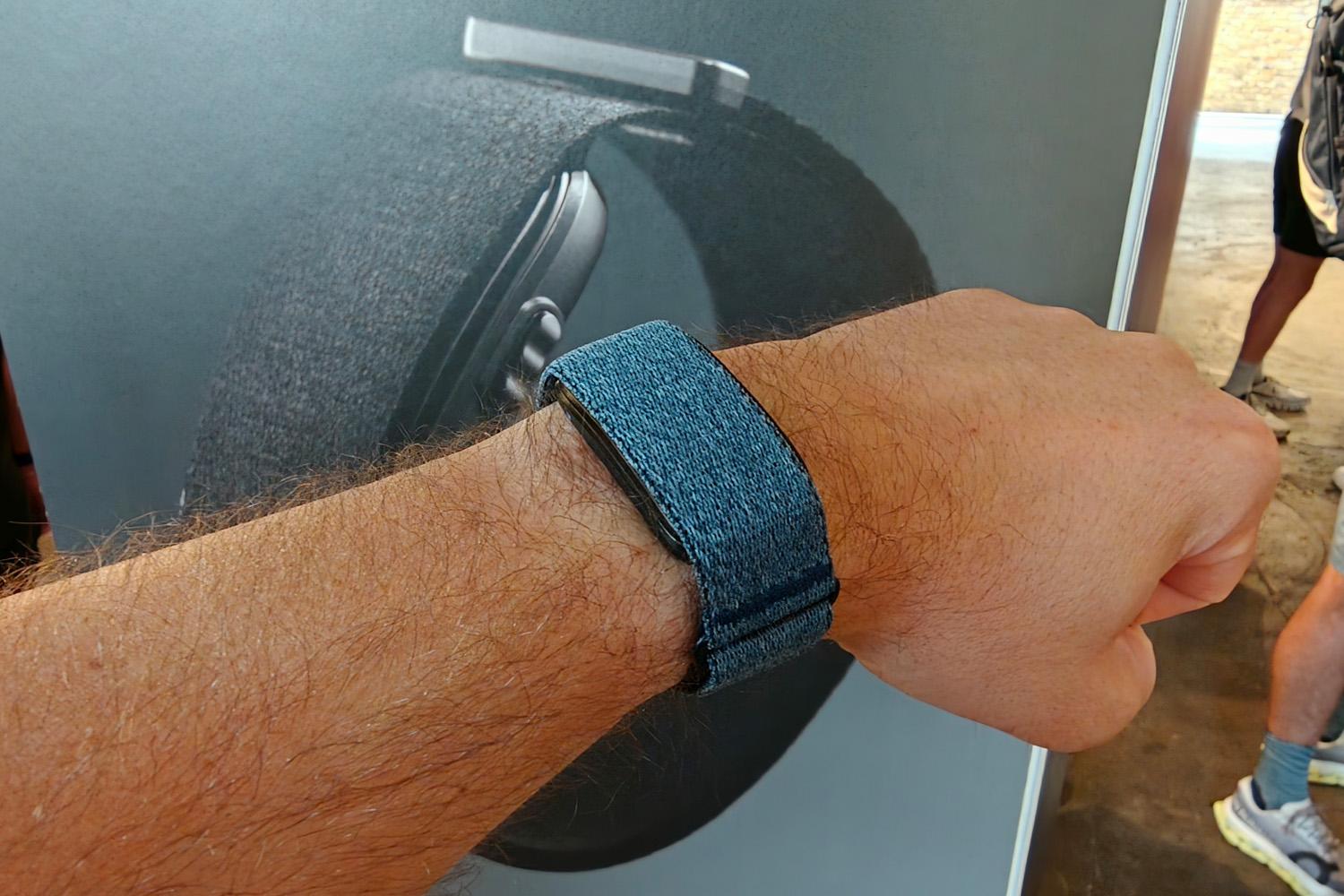
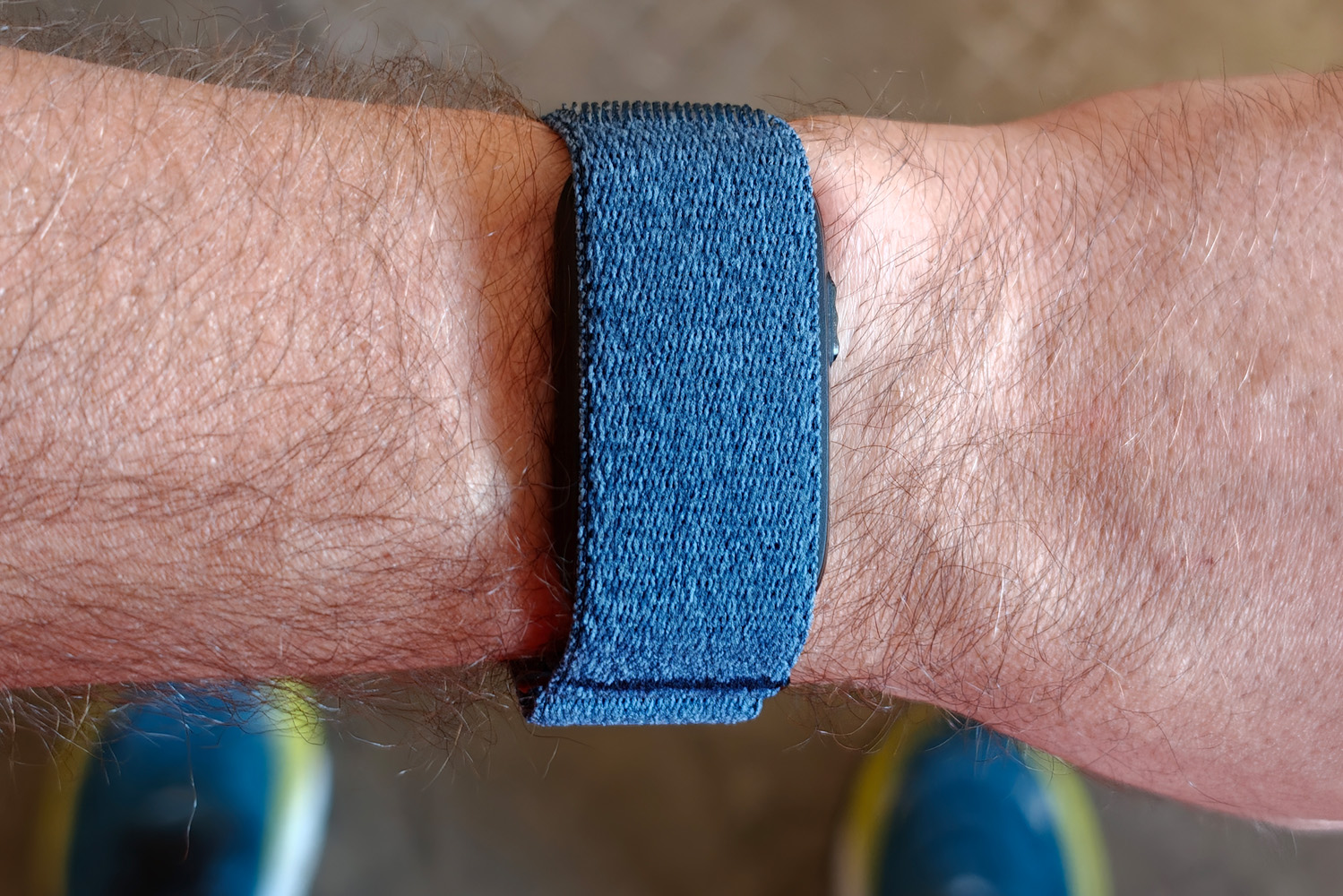
The Cirqa isn’t a huge departure from the string of screen-free fitness and wellbeing wearables we’ve seen recently, from the Polar Loop to the FitBit Air. The black plastic tracker module arrives pre-fitted to a washable, sweat-resistant fabric band that proved instantly comfortable.
It’s launching in four colour choices – Mauve, French Gray, Captain Blue, and Black – and either small/medium or large/extra large sizes. I had no trouble fitting the S/M version around my wrist. Velcro keeps it firmly in place while the loop is easy to adjust.
While it appears to be the chunkiest among the no-screen tracker crowd, there’s room inside for a bigger battery good for up to 10 days of life between charges, and some welcome extra connectivity. ANT+ support as well as Bluetooth will make it easier to hook up other fitness gadgets like cycle computers. It’s still very light. I sleep just fine with the chunky Fenix 8 Pro smartwatch on my wrist, so expect to snooze like a baby while wearing this instead.
The single on-device button starts and stops activities manually, saving the need to edit them within Garmin Connect later or reaching for your phone. Otherwise it’s a set-it-and-forget-it deal, whether worn on your wrist or as an arm band (for more accurate readings in certain activities like cycling, though it’s an added extra).
I’m glad Garmin has fitted a vibration motor that can be used as a silent wake-up alarm. It also buzzes on the hour during a workout to remind you it’s still keeping an eye on your vitals.
What can the Cirqa track?
Garmin says the Cirqa was built for 24/7 health monitoring beyond the typical steps counted, hours slept and calories burned. The sensor suite measures heart rate, stress, blood oxygen saturation and skin temperature, which are converted into the firm’s easy-to-understand Body Battery metric.
There’s menstrual cycle tracking and period predictions, which share data with the popular Natural Cycles birth control app.
VO2 Max and heart rate variability are on board, along with a training readiness score and guidance on recovery between sessions. There’s no onboard GPS tracking, but it can be supplied by a connected smartphone.
It also breaks down sleep into separate stages to give guidance on optimal sleep duration as well as an overall sleep score. With an average ten days of battery life between charges, you’ll be able to wear it to bed for over a week before needing to find some time to refuel. It uses the same charging pins as existing Garmin devices, which should be good news to existing Fenix and Forerunner watch owners.
The big one will be automatic activity tracking, which apparently adapts over time based on what workouts or sports you favour.
Everything then feeds into Garmin’s tried-and-tested Connect companion app. I’ve loved its comprehensive exercise data and deep health insights ever since I used a Fenix 8 Pro as part of a months-long weight loss journey, so I look forward to getting similar amount of depth from a smaller, distraction-free device.
How accurate the sensor proves for the 80+ activities it can track remains to be seen, at least for me – other journalists with iPhones had no problem getting set up because Apple had pushed the latest version of Garmin Connect to the App Store. Google wasn’t quite so quick on the draw, meaning my Android handset couldn’t pair to the Cirqa and sync the data from a sweaty fitness class. It will be ready for when the tracker launches on July 24, so fitness fans on Google’s ecosystem won’t be left twiddling their thumbs.
I could only see the Cirqa’s Connect app integration in demos, but it seems to deliver the more detailed metrics I’d expect from one of Garmin’s higher tier wearables. It’s shaping up nicely for a tracker that costs less than two hundred bones.
Are any Cirqa features locked behind a paywall?
Garmin makes a big deal about not requiring a subscription to get the best from the Cirqa. Unlike rival Whoop, which demands a fee to access its insights, you’re really getting everything with a single price of entry. All the health and exercise data is included for free.
Anyone serious about their health and fitness can still sign up to the paid-for Connect+ plan, but the functions and features are no different to the ones you’ll get with a Fenix or Forerunner on your wrist. That includes coaching programmes, nutrition tracking and active intelligence insights.
Is the Garmin Cirqa a Whoop beater?
That answer will have to wait until I’ve properly tested it, but I already think the Cirqa stands the best chance of dethroning the screen-free wearable champ.
Garmin’s health and workout data is extensive, battery life is competitive, and you only have to fork over your credit card once rather than every month. You don’t have to own a Garmin smartwatch already to get the best from it, either.
The Garmin Cirqa will be going on sale from July 24 in the US, UK and Europe. It’ll set you back $200/£180/€200. My full review will follow soon.




Read the full article here


