







Introduction
The Find X9 Ultra has a very high bar to clear. Its predecessor was one of 2025’s best phones for photography – possibly the best, depending on who you ask – and the competition has only gotten stronger in the months since. Five hundred megapixels’ worth of rear camera sensors ought to help…
Oppo has gone even harder on hardware than it did for the outgoing Find X8 Ultra, resulting in one of the widest zoom ranges of any phone – and that’s before taking the optional lens extender accessory into account. Long-term camera consultant Hasselblad is also front and centre now, while the rest of the spec sheet is naturally full of top-shelf tech.
Perhaps most importantly, it’s not a China exclusive anymore: the firm is finally ready to bring its take on the Ultra phone formula to Western audiences in a more official capacity, though that doesn’t include the USA. It lands at an undeniably premium price – £1449 SIM-free in the UK – but with fewer worries about region-specific software or the need to import one on the grey market, is this now the new high bar for phone photography in Europe as well as China?
Design & build: Hasselblad homage

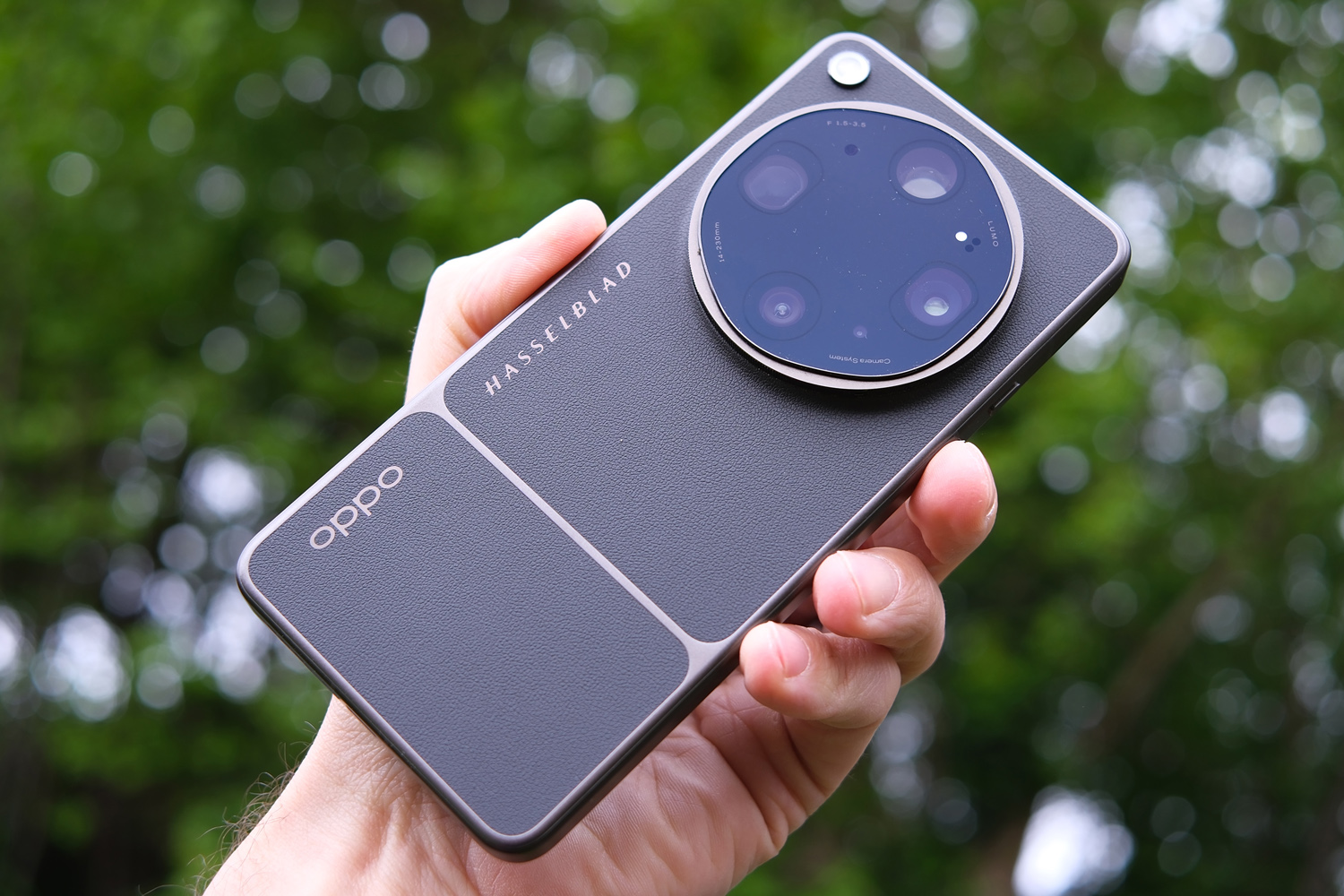
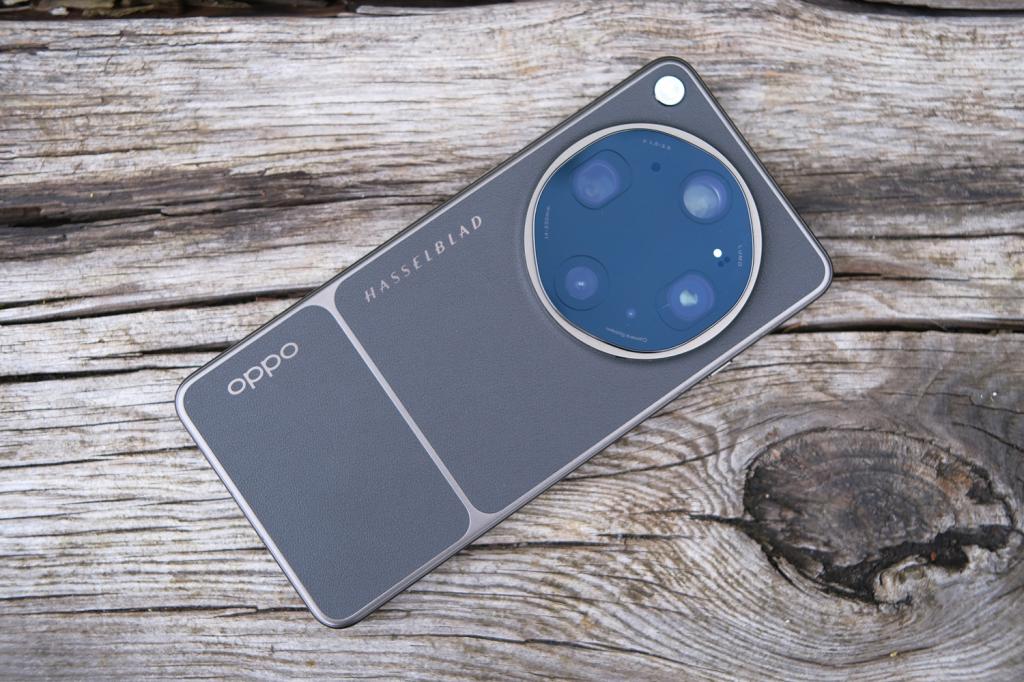
I’ve only seen the Canyon Orange variant in photos – named because the back panel is covered in wavy contours like you’d find in the deserts of the American West – but for me the definitive Find X9 Ultra will always be Tundra Umber. The earthy metal mid-frame and vegan leather rear are direct nods to Hasselblad’s renowned X2D medium format camera. The two firms share top billing, their horizontal logos clearly signalling this phone is to be used for landscape photos. I can’t think of a single rival that looks as purposeful.
The only colour flourishes – in Hasselblad’s signature orange, no less – are on the pressure-sensitive Quick Button at the side and around the colossal camera island, which has a subtle hexagonal shape to add a bit of extra character. The knurled finish around the edge then does a convincing impression of a digital camera’s focus ring, though it doesn’t actually rotate like the Xiaomi-built Leica Leitzphone. It’s also quite the departure from the offset square bump seen on the Find X9 Pro.
Oppo has stretched the Ultra’s Quick button out a bit compared to the Pro, but I still found it just a little too far to stretch my index finger while also keeping the entire screen in view. Functionality is unchanged: it’s a handy shortcut into the camera app, physical shutter button (with half-press to lock focus) and a swipeable zoom dial. You can pick whether to jump between the different cameras’ focal lengths, or completely variable zoom if you don’t mind some extra digital enhancement. It still can’t be set to trigger other camera modes or features like Apple’s Camera Control.
This is neither a slim nor light handset, but that’s the price you pay for such a serious set of cameras. They stick out a fair way from the phone body, but never to the point I was catching it on my trouser pockets. It’s unavoidably top-heavy, but the flat sides and sensible dimensions gave me enough to grip that I could use it one-handed without worrying I’d send it tumbling to the floor with every tap or swipe.
Like pretty much every Chinese phone brand, Oppo continues to fly a flag for the humble IR blaster. The one included here can be useful for controlling older tech that lacks Bluetooth or a companion app.
The Find X9 Ultra also has the best kind of ultrasonic fingerprint sensor – one that lets you add new prints by simply dragging a digit around the screen, rather than press and lift a bunch of times. It’s super-fast and doesn’t care if you have wet hands. The selfie cam can handle basic facial recognition, but isn’t able to authenticate your banking apps like a Google Pixel 10 Pro XL.
Screen & sound: front runner
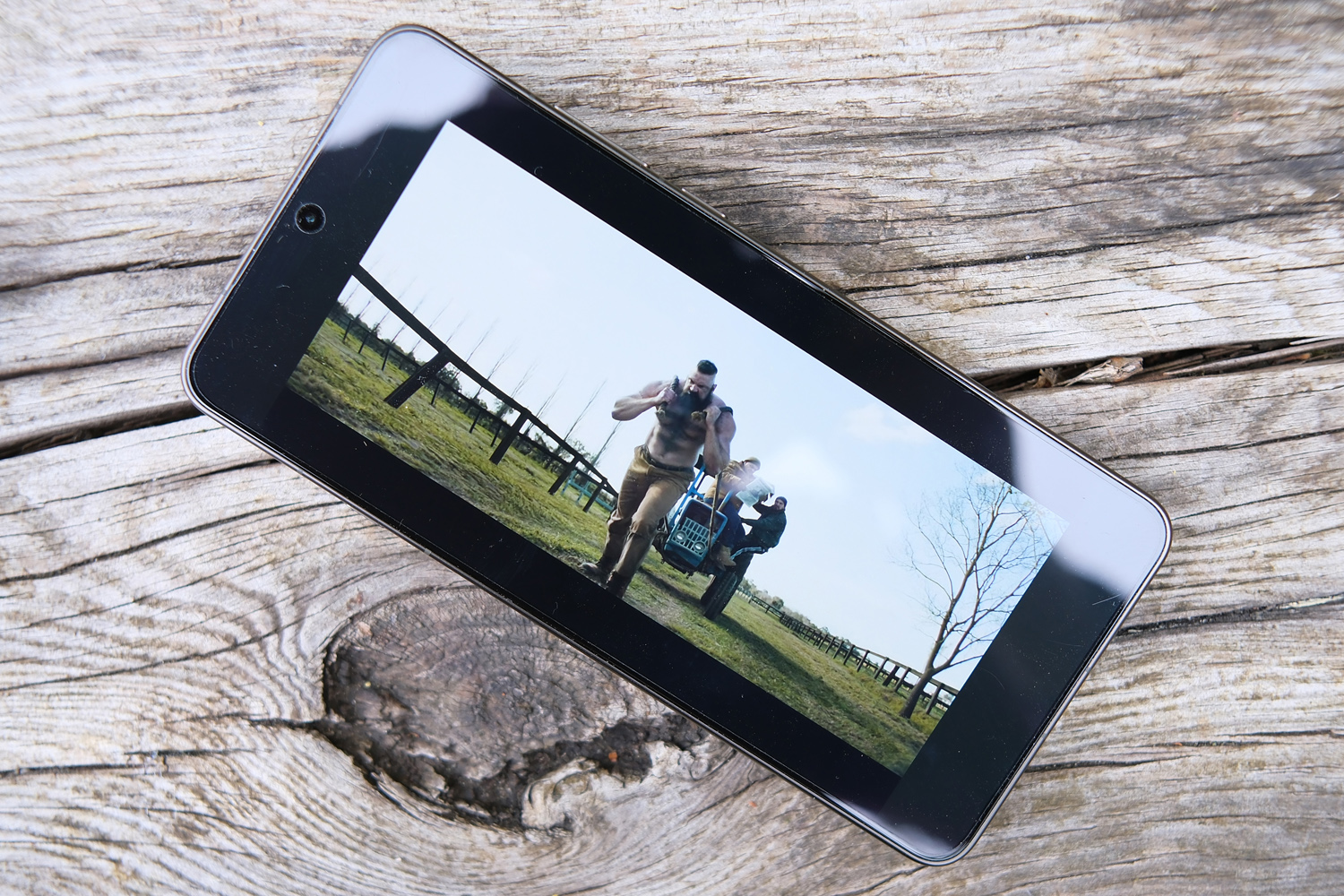
Every bit of this phone is flagship-grade, not just the cameras. Case in point: the 6.82in display is a stunner, with one of the highest resolution/refresh rate combos around.
The 3120×1440 OLED panel looks gloriously sharp at all times, really letting you pick out the fine details in your photos and videos, while supported games are impressively smooth at the maximum 144Hz. LTPO tech lets it dip as low as 1Hz for power savings when showing static content and it settles at 120Hz everywhere else, so website and app scrolling always feels perfectly responsive with zero stutter.
Fully flat glass is back in fashion after a few years of curved edges being all the rage, so naturally that’s what you get here. Viewing angles are as good as I’ve seen from an OLED. Contrast and black levels are elite, guaranteeing even the darkest of streaming service scenes have real impact.
Colours are fantastic right out of the box, striking a good balance between natural hues and the more vibrant ones seen elsewhere. A quick trip to the Settings screen can dial this up or down if you like a certain look, while the colour temperature wheel lets you get really granular. Brightness is on par with the Find X9 Pro, managing a peak 3600 nits for HDR content (Dolby Vision and HDR Vivid are both supported) or 1800 nits full-screen while outdoors. Even on the brightest days I had no issues with visibility. It also gets very low at night, with a bunch of effective eye comfort modes to preserve your peepers while doomscrolling in bed.
OK, so the bezels might not be quite as razor-slim as the class best – including Oppo’s own Find X9 Pro – and reflections aren’t dispatched as effortlessly as the Galaxy S26 Ultra’s Gorilla Armor glass. But those really are minor quibbles.
There’s not quite as much to praise on the sound front, but the Find X9 Ultra’s down-firing main speaker and earpiece tweeter still put in a strong showing. I could detect enough bass that songs had a bit of depth to them and the uncluttered mid-range emphasises vocals and speech well enough. It’s not short on volume either.
Camera hardware: zoomin’ on up
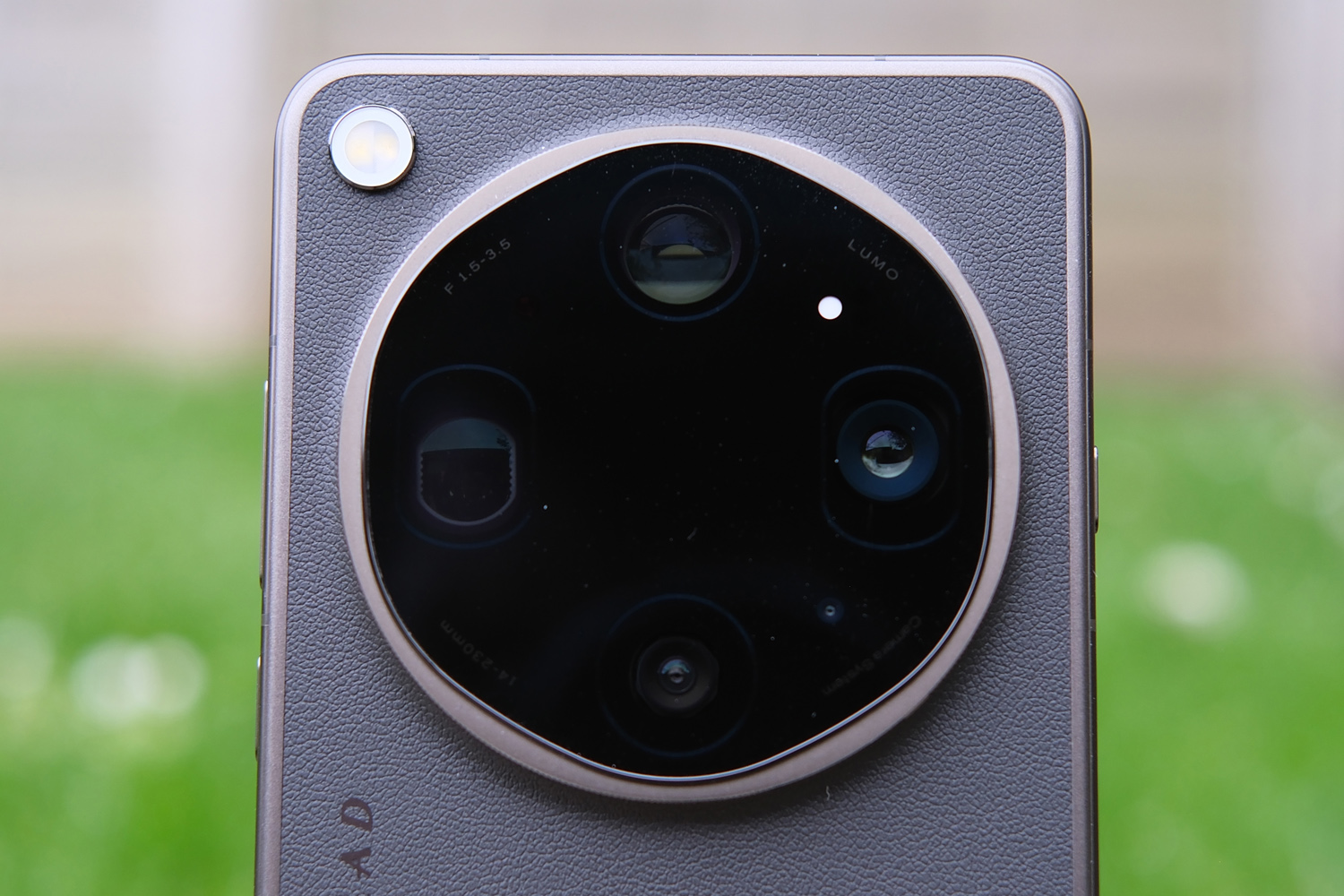
The Find X9 Ultra’s huge rear camera island is hiding a unique blend of heroic hardware. Oppo calls it a penta-camera setup, because there’s a 3.2MP colour spectrum sensor supporting the four headline acts; it works behind the scenes to measure white balance across the whole scene and has five times the dynamic range of the one used in the outgoing Find X8 Ultra.
Things only get more interesting from there. The lead sensor may not be as physically huge as Xiaomi 17 Ultra‘s 1in one, but at 1/1.12in it’s not far off. The Sony-supplied LYT-901 also has four times the pixel count at 200MP and a wider f/1.5 aperture, so gives up nothing in terms of light capture. Sensor cropping then gives 2x zoom that’s practically lossless; the 50mm equivalent focal length is a photographer favourite.
At 1/1.28in, the primary telephoto lens is one of the biggest you’ll find on any phone, and larger than some rivals’ main snappers. It’s got an equally huge 200MP pixel count and fast f/2.2 aperture, while the 15cm minimum focus distance lets it double as a telemacro shooter for close-ups.
The second telephoto is what sets the Find X9 Ultra apart from every other phone. The last handset with a native 10x zoom lens was Samsung’s Galaxy S23 Ultra, but it relied in a relatively tiny 1/3.52in sensor with a mere 10 megapixels and narrow f/4.9 aperture. The Find X9 Ultra’s 50MP, 1/2.75 sensor is physically larger, has five times the pixel count, and a much wider f/3.5 aperture. The result is over 300% more light gathering ability, plus 20x lossless magnification through sensor cropping. Simply put, no other handset gets you closer without relying on digital zoom or AI algorithms.
While the 50MP ultrawide isn’t quite so flashy, it does get a significantly bigger sensor than last year for increased light-gathering abilities. All in, you’re getting a ridiculously versatile focal range coverage of 14-460mm – or even more if you plump for the Hasselblad Earth Explorer Kit. The optional accessory pack adds a chunky grip case with a physical two-stage shutter button and zoom dial, an adapter that can swallow any 67mm lens filter, and an attachment for the OPPO Hasselblad 300mm Explorer Teleconverter. Once the portly lens protrusion is affixed you’re getting 13x optical zoom, or 30x with sensor cropping. I didn’t get one in time for this review, so will be covering it separately post-launch.
The 50MP front-facing selfie cam also leaves nothing on the table, packing autofocus and the ability to record 4K/60p video.
Camera image quality: ready for my close up
Unsurprisingly the Find X9 Ultra delivers outstanding images in virtually all lighting conditions, from every lens. The level of detail on display can be simply stunning at times, even without reaching for the Hi-Res mode that saves the main sensor’s entire 200MP output. The combination of large sensor and wide lens aperture really maximises the depth blur on display.
Dynamic range is excellent, balancing areas of extreme brightness with those of deep shadow but without the overly processed look of some rivals. Colours are always convincing and true to life, even against tricky artificial lights and sunsets. There’s a filmic quality here even before you reach for the Master mode and its film simulation filters, but without the vignetting or boosted contrast seen on Xiaomi’s latest effort.
Consistency across all four rear cameras is excellent, with the ultrawide (usually a weak link) matching closely for tone and exposure. Detail isn’t quite as precise here, but the gap isn’t huge, and it’s not short on dynamic range either. Impressively it holds up once the sun goes down, as long as you have a steady hand – it’s the only lens that doesn’t have optical image stabilisation.
The 3x zoom is fantastic for street scenes and portraits, getting you usefully closer to the action but still preserving a good amount of bokeh. It’s quick, even before activating the action mode, so I was able to get crisp shots of my cat with little effort. Being able to punch in for largely lossless 6x shots, or get super close for wonderfully clean macros, only adds to its versatility. It then takes the lead over the Xiaomi 17 Ultra in low light, where the larger sensor and wider aperture are able to make all the difference.

Really though, it was the 10x zoom that proved the most fun to use. Shots that would’ve looked mushy or overly processed on any other phone came out crisp and packed with detail. Squirrels in my garden, bands playing across crowded venues and distant buildings were all on the cards, meaning I was reaching for my phone to snap a quick pic more often than I otherwise would. There’s considerably more noise than with the other lenses, but never to the detriment of the image; if anything, it gives a more analogue feel that I absolutely love.

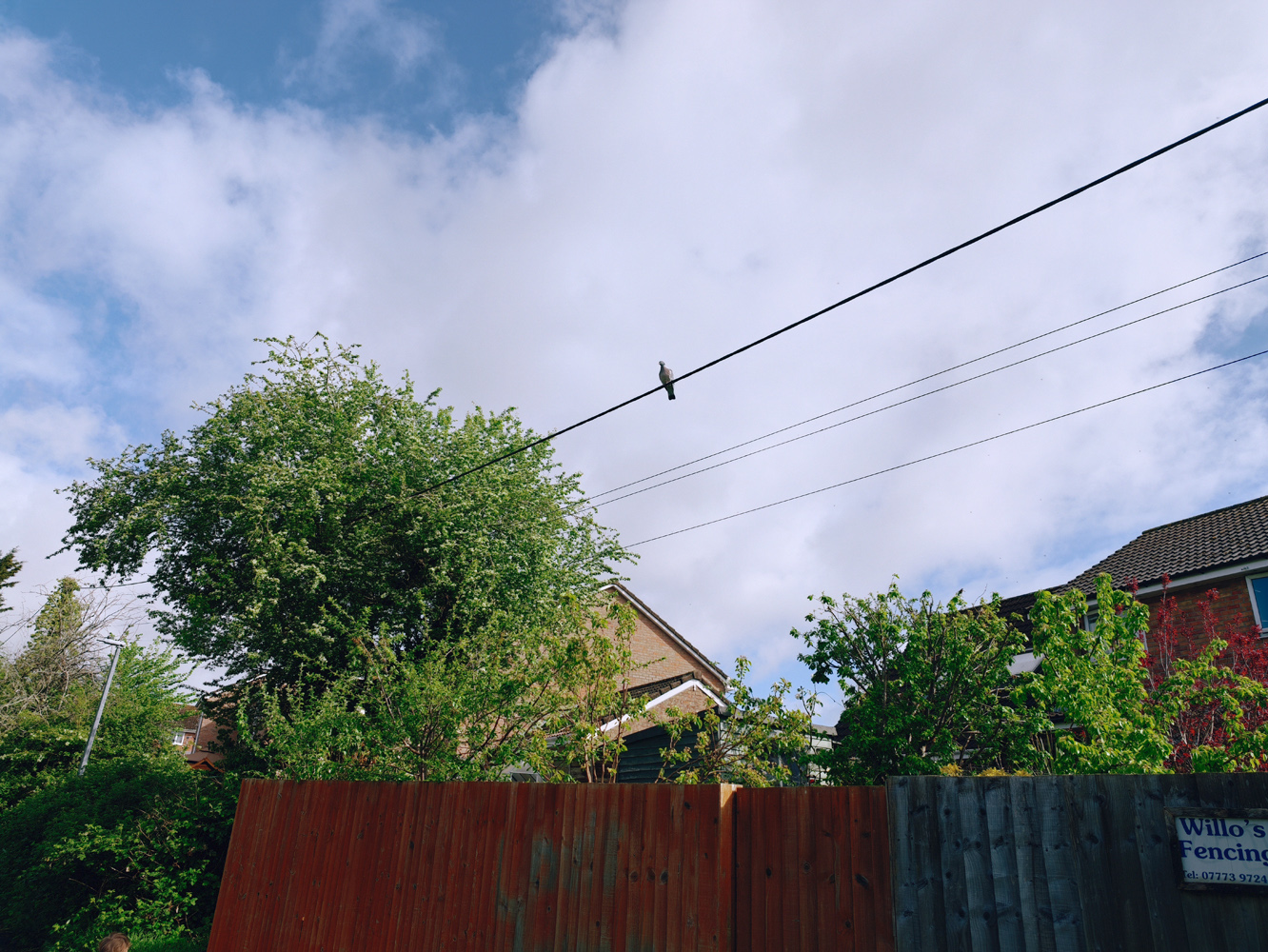



20x magnification is where Oppo’s machine learning image processing begins to step in more heavily to join the dots. It’s most noticeable on street signs, where the text doesn’t quite look right, but I’d still prefer the Find X9 Ultra’s treatment over rivals using 5x zoom lenses as the base for shots that are often more generative than reality.
That’s not to say Oppo is immune from this; there’s clearly still a lot of software work going on behind the scenes to help create the Find X9 Ultra’s stunning shots. Take a bunch of pics at once and it can take a good few seconds for the final versions to render in the photo gallery. But the results are always convincing, with signs of noise reduction, smoothing or sharpening (depending on the scene) being rather subtle until digital zoom comes into play.
Hasselblad Master Mode bypasses AI entirely, giving you full creative control. That means it’s easier to get a duff shot if you’re not careful with the Pro settings, but is otherwise the mode that’ll convince serious photographers that a phone really can replace a dedicated digital camera. With no artificial brightening, my resulting snaps had a lot more character right out of the camera.
Software experience: mind your manners
The X9 Ultra is running a slightly fresher version of Oppo’s ColosOS 16 interface than the X9 Pro was when I reviewed it at the tail end of 2025. Visually not a lot has changed, with the biggest upgrade being a new treatment for lockscreen notifications. You now have the option to collapse everything down into a tiny capsule, for a clear view of your lockscreen wallpaper even if you’re Mr. Popular. It feels a bit Samsung-inspired, while the various transparency effects are a more overt nod to Apple’s Liquid Glass.
At least Oppo doesn’t overwhelm with its AI assistance. The X9 Ultra has a bunch, of course – name a modern flagship phone that doesn’t – but they’re mostly in the background. Think having the voice recorder transcribe conversations and label different speakers in real-time, or offering to summarise long chunks of text. It works as well as any of these modes do, with your data being offloaded to a server somewhere for the actual processing.
Mind Space, a hub that uses machine learning to categorise and summarise your screenshots, voice notes and text, even gets a dedicated button at the side of the phone – though it’s easy enough to reprogram through the Settings menus. It plays nicely with Gemini, Deepseek and Perplexity if you want to get granular with context-aware questions based on your notes. I’m fully invested in Google Keep for all my notes and largely avoid AI, so quickly changed it to toggle Do Not Disturb mode instead.
There’s the usual abundance of preinstalled apps that jostle for your attention alongside Google’s Android defaults, but you can largely ignore Oppo’s own web browser and health app if you’re all-in on Chrome and Fitbit. Interconnectivity is still a big Oppo focus too, with sharing software for Mac computers that doesn’t need a QR code or internet connection to beam files and photos from the phone.
Oppo’s long-term software commitments are decent, if not fully on par with Google and Samsung. That still bodes well for anyone wanting a half-decade of service from a handset that comfortably costs four figures.
Performance & battery life: platinum grade
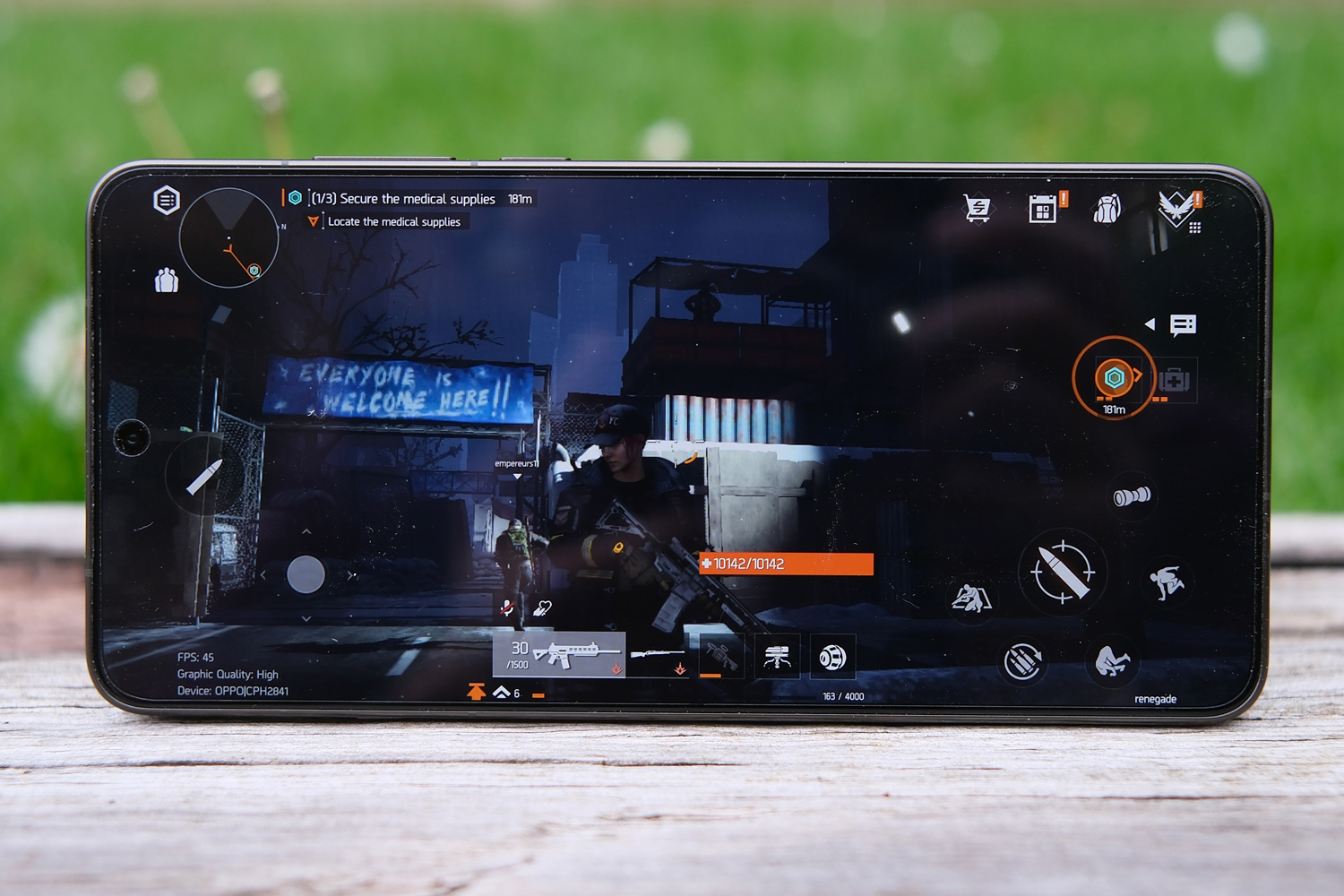
With such a strong photography focus, the Find X9 Ultra’s other hardware almost seems incidental – but that doesn’t mean Oppo has skimped in any way. There’s a Snapdragon 8 Elite Gen 5 chipset at this phone’s heart, putting it in the upper echelons of flagship performance. Memory and storage options are suitably beefy, with my review unit having 12GB and 512GB respectively.
In my usual tests the Oppo was on par with major rivals using the same silicon. It either drew level with or sat just behind the Samsung Galaxy S26 Ultra and it’s souped-up ‘for Galaxy’ chip, making it simply one of the most potent handsets available right now. This phone absolutely tears through apps, with enough grunt to process 4K video clips on device and not get overly toasty in the process.
In everyday use Android runs like a dream, whether scrolling through simple social apps or split screen multi-tasking. Demanding Play Store apps like The Division: Resurgence defaulted to high details and played very smoothly, with no hitching or stutters. You really can’t ask for more than that in 2026.
| Oppo Find X9 Ultra benchmark scores | |
| Geekbench 6 single-core | 3637 |
| Geekbench 6 multi-core | 10,987 |
| Geekbench AI | 6126 |
| Speedometer 3.1 | 28.8 |
| PCmark Work 3.0 | 15,847 |
| 3DMark Wild Life Extreme | 7148 |
The Find X9 Ultra also puts in a star turn on the battery front, but given Oppo’s quick adoption of high capacity silicon-carbon tech that doesn’t come as a huge surprise. The 7050mAh cell is actually a step down from the Find X9 Pro’s mammoth 7500mAh unit, though it’s still significantly bigger than anything you’ll find in a current-gen Samsung, Google or Apple handset. It also eclipses rival Xiaomi’s 17 Ultra, which ‘made do’ with 6000mAh for its global variant.
No matter what I did with it, this phone showed exceptional staying power. Even enthusiastic shutter bugs will struggle to drain it in a single day; I regularly managed two with more restrained use. A travel day with lots of 5G connectivity, GPS mapping, Bluetooth music streaming and photography still didn’t put it deep into the red. If you’re coming from a recent Galaxy or Pixel handset, this will be a revelation.
There’s very little hanging around once it is finally time to charge. Even if you don’t have one of Oppo’s SuperVOOC power bricks (which max out at a rapid 100W) a regular USB-PD adapter can still deliver 55W. Oppo still favours its own 50W wireless charging standard over the slower Qi2, though, so there’s no support for magnetic accessories.
Oppo Find X9 Ultra verdict

It’s an excellent handset everywhere else, with flagship performance, an impressively long-lasting battery, slick software and a gorgeous display – but the Find X9 Ultra’s biggest strength is how it sets the pace for photography-first phones. Oppo has delivered year-on-year improvements for every sensor and the firm is now comfortably the class leader for long-range zoom. Colours are authentic and detail is nuanced in ways few rivals can match.
That said, Vivo and Xiaomi have also brought their A game this generation. Mobile movie makers might feel better served by the X300 Ultra (if it’s available in their territory), while Xiaomi’s Leitzphone commits harder to the camera brand tie-in through Leica-badged theme and widgets – though you pay even more for it. All three take superb stills; the winner in any given shooting scenario often falls to personal preference on colour treatment. They also highlight how much ground Google, Samsung and Apple have lost by prioritising algorithmic image processing over cutting-edge sensor hardware.
I’d still spring for the Oppo, though. Only serious snappers will be able to justify the high cost of entry, but that 10x zoom is just so versatile.
Oppo Find X9 Ultra technical specifications
Scroll to see more →
| Specifications | Oppo Find X9 Ultra |
|---|---|
| Screen | 6.82in, 3120×1440, 1-144Hz AMOLED |
| CPU | Qualcomm Snapdragon 8 Elite Gen 5 |
| Memory | 16GB RAM |
| Cameras | 200MP + 200MP telephoto (3x) + 50MP telephoto (10x) + 50MP ultrawide rear, 50MP front |
| Storage | 512GB/1TB |
| Operating system | Android 16 w/ ColorOS 16 |
| Battery | 7060mAh w/ 100W wired, 50W wireless charging |
| Dimensions | 163x77x9.1mm, 236g |




Read the full article here


