








Some people check the news or the football score in the morning – I check my Oura app. It’s not just the sleep score I pay attention to, though; there’s another number that needles me more than any sleep or readiness score ever does: Sleep Debt.
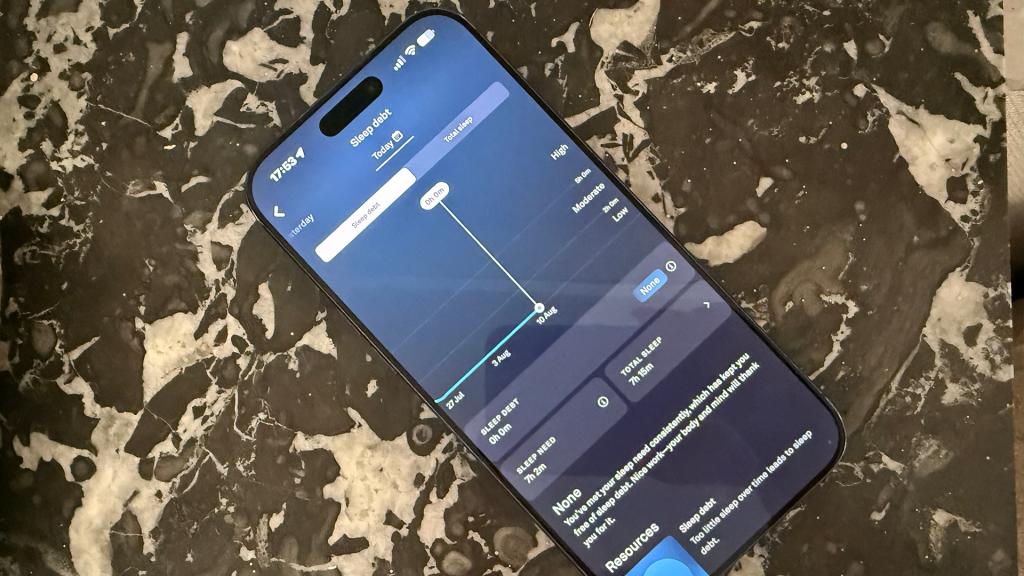
For Oura specifically, the Sleep Debt figure first appeared as a new Sleep Health Hub feature in December 2025 (clearly, no one at Oura wanted anyone to have any fun at the Christmas party). It is presented in hours and minutes, and it ticks up whenever I short-change myself on rest (though I am currently at 0 hours and 0 minutes, so pat on the back for me).
Other sleep trackers like EightSleep, Whoop and Ultrahuman have their own versions of sleep debt, all with the same idea. You can also find out your sleep debt using a sleep debt calculator, though this won’t be based on your personal data and is more of an average estimate. Once you have the number, if you’re anything like me, it will immediately feel like an overdue bill. The question is, can you actually clear it, or is the damage already done?
What is sleep debt?


Sleep debt is, quite simply, the gap between the sleep your body needs and the sleep it gets. Most adults need between 7 and 9 hours, though this varies from person to person. Sleep trackers can therefore be more helpful for calculating sleep debt because they take into account your personal needs and data. Sleep debt also accumulates. Miss an hour a night for a week, and you’re down seven hours, even if no single night looked disastrous.
According to the NHS, the odd rough night is nothing to worry about, but a pattern of short sleep is what does the damage – to mood, concentration, and how well you cope with an ordinary day. The Sleep Foundation says the same: it’s cumulative and comes from everyday things most of us barely register, a late meeting here, one more episode there, not just back-to-back all-nighters.
How sleep trackers calculate sleep debt
I mentioned you can use a sleep debt calculator to estimate your sleep debt, but these won’t be as accurate as a sleep tracker because they are based on an estimate of sleep need – the 7 to 9 hours for an adult average – rather than on your individual need.
Sleep trackers, meanwhile, all differ slightly in their approach, but many will use your data to determine the sleep your body actually needs, so you might only need 7 hours, while your partner or friend might need 9 or 10 hours. Sleep debt is then calculated by tallying the sleep you track against the sleep your individual body needs.
Oura calculates your Sleep Debt by comparing what you actually slept, night by night, with your personal ‘Sleep Need’ – a figure it builds from 90 days of your own data rather than the blanket “eight hours for everyone” rule. It’s weighted towards the most recent fortnight, so a bad week counts for more than one you’ve mostly slept off.
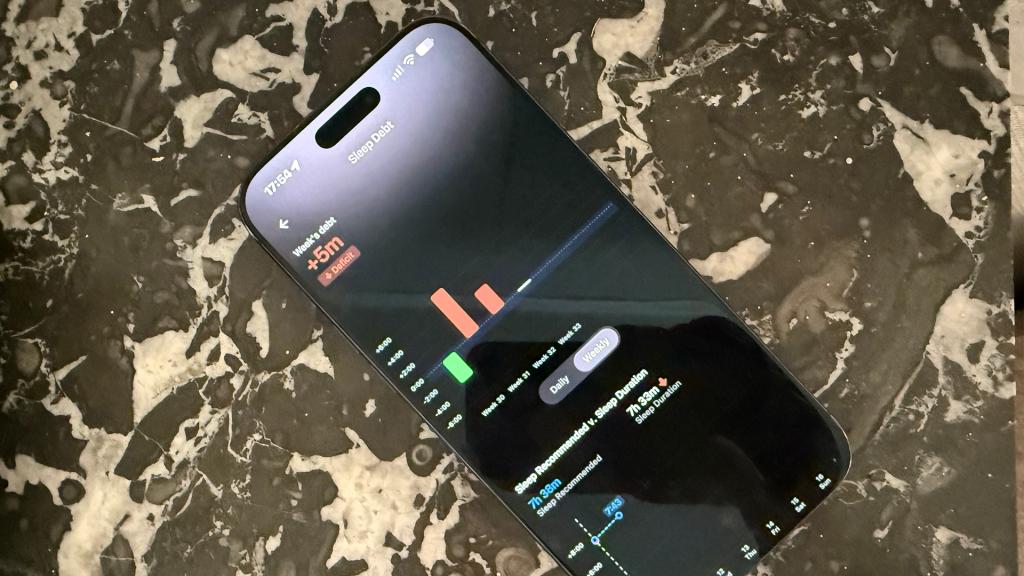
Ultrahuman, Whoop and Eight Sleep report broadly similar figures, though I’ve found the numbers rarely agree across devices, just as their sleep-stage readings and sleep scores never quite line up. Ultrahuman builds a personal sleep need from your own history and tracks the shortfall, but uniquely resets the debt every week, so you start fresh rather than carrying a rolling balance.
Whoop’s Sleep Planner is the most dynamic: it factors in your physiological baseline, the previous day’s “Strain”, naps, and any accumulated debt to recalculate exactly how much sleep you need each night, so your target shifts depending on how hard you trained. EightSleep’s sleep debt, meanwhile, tracks the last seven nights against a year-long personal baseline, reporting a running debt or surplus and nudging you with suggestions when you dip into the pink (note, this is refreshingly not red like Ultrahuman).
Same concept, different maths. But what they all have in common is that it isn’t about last night; it’s about the pattern.
Can you pay sleep debt back?

This is where the bad news comes in. For years, the received wisdom was that a lie-in fixed everything, but that’s not the case. Weekend catch-up sleep does something. Studies cited by the Sleep Foundation show it can ease short-term sleepiness and knock the edge off a bad mood. But it’s not a clean, pound-for-pound repayment.
Sleep scientist Dr Lindsay Browning, writing for Trouble Sleeping, notes that some of the metabolic and cardiovascular effects of chronic short sleep don’t reverse just because you slept in on Saturday. Browning cites research suggesting it can take roughly four days to recover from a single hour of lost sleep. Do the maths for a typical work week, and Sunday’s lie-in is never going to cut it.
There’s also the timing problem. Sleeping three hours later on a Saturday, then trying to be up for work on Monday, creates what researchers call social jet lag, essentially giving your body clock a mini transatlantic flight it didn’t ask for (and with no beach to relax on at the end).
Oura supports this idea on its blog: extra hours in bed at the weekend don’t necessarily fill the sleep stages you actually missed, such as deep sleep and REM, which are the ones doing the restorative work. Its advice is blunt about the maths, too – trying to undo months of short sleep in one long lie-in is, as Oura puts it, “like cramming for an exam or crash dieting”. You might feel a bit better, but you haven’t fixed anything long-term. Instead, it suggests “creating new, healthy habits” to clear the debt.
How to pay back sleep debt

It’s fair to say that if your sleep debt is mounting, the fix isn’t a marathon sleep session; it’s small, steady increases over several nights. Not one big withdrawal reversed, just gradual, quiet repayment (with a bit of interest).
- Consistent wake-up time, always. Even weekends. This is the single change every expert I’ve read around this topic seems to agree on. Shame really, as it’s the one that’s the hardest to stick to.
- Naps as a top-up. A short nap can help you pay off some sleep debt from the night before, reducing fatigue and increasing cognitive performance.
- Look at the trend, not the day. One late night doesn’t wreck the week. A fortnight of them will, so try to be mindful of your entire week.
- Get up earlier rather than staying up late. If you do need to eat into your sleep time for something like work, it’s suggested that you get up earlier than going to bed late, as this helps you clock the important stages of sleep.




Read the full article here


