

Sometimes a bad cup of coffee comes down to the beans, but more often than not it’s the person holding the kettle. You might not think your coffee-making needs work, but there’s a very good chance you’re guilty of making one of these five mistakes, no matter how expensive your coffee machine is or how fancy your beans are.
If you’ve ever taken a sip of your morning brew and found yourself disappointed that you haven’t managed to replicate the superb flat white from your local coffee shop, before you throw in the towel, check you aren’t committing any of these cardinal coffee sins.
1. Stale beans
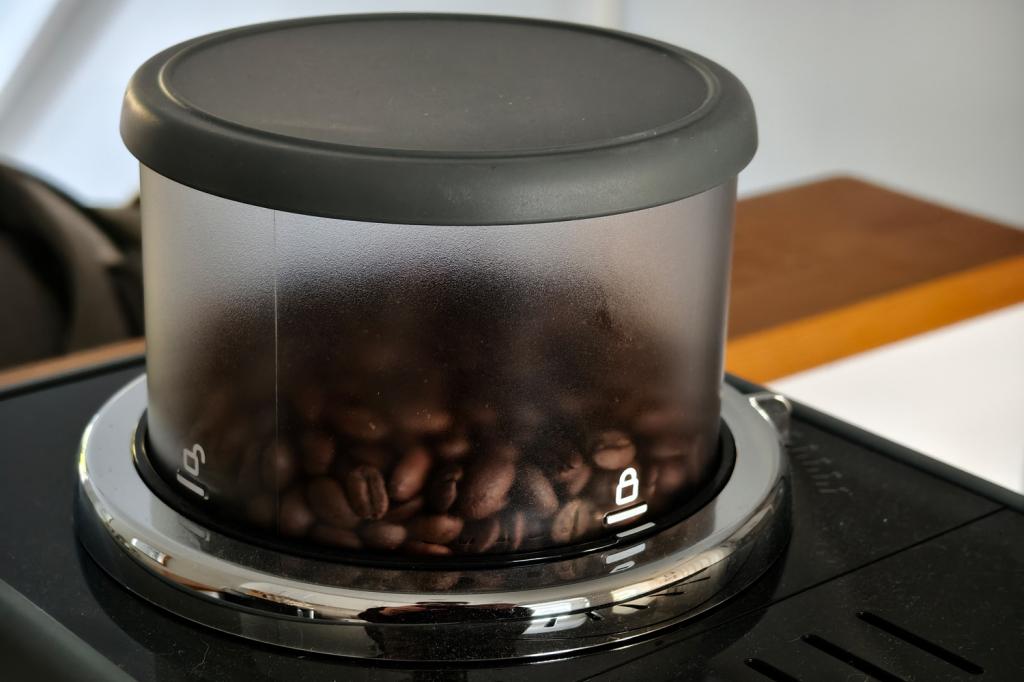
The fridge is great for keeping your fruit and veg fresh, but there’s no dedicated coffee drawer for a reason. It’s a big coffee storage no-no. Instead, you should store your beans in an airtight container in a cool, dark cupboard.
According to UK roastery Redber Coffee, this will protect the beans from the four sworn enemies: oxygen, light, moisture and heat. But there’s more to this mistake than just bad storage.
Even if you store coffee beans correctly, they don’t stay fresh forever. It doesn’t matter what fancy Tupperware you put them in. Redber says that “stale coffee beans lose their oils and aromas, resulting in a dull and lifeless brew,” and nobody needs that at 7am.
Before you start brewing your coffee, it’s recommended you look for beans with a roast date rather than just a best-before date, and make sure you use them within three weeks.
2. Not measuring your scoops
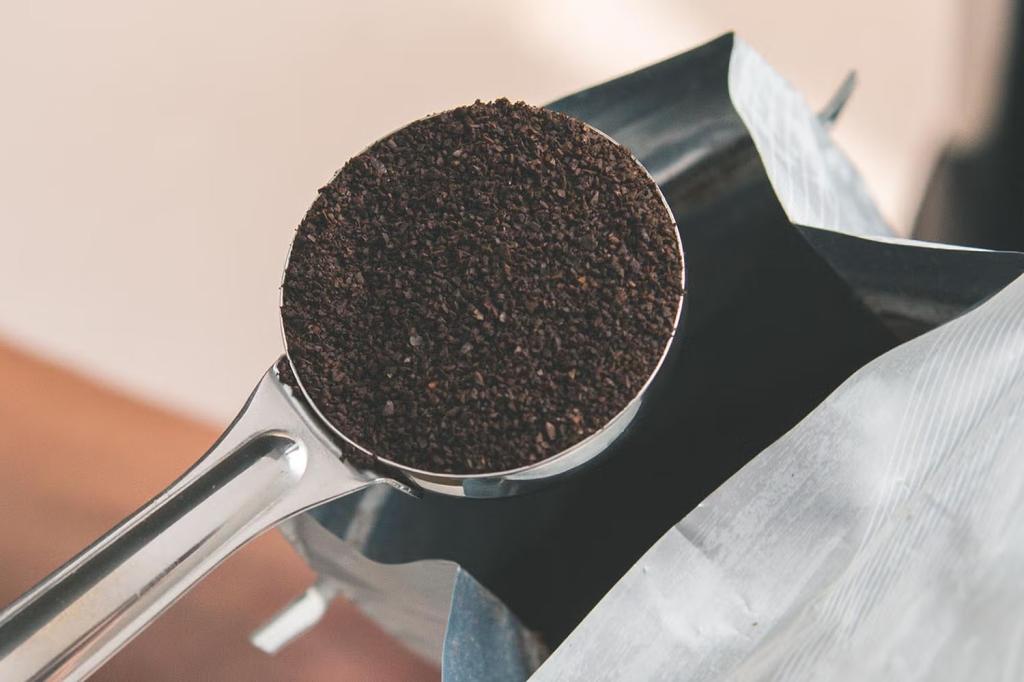
If you’re tipping coffee into your machine with the confidence of someone who ‘just knows’, then you should stop doing this immediately. Not least because if you do manage to make the perfect cup one morning, how are you going to know how much coffee to add tomorrow to replicate it? There is also some science to the whole coffee-making thing. Whether you like its coffee or not, Starbucks is one of the most famous coffee brands in the world, so it’s fair to say it knows a thing or two about the process.
Its at-home brewing guide says that too little coffee makes for a bitter cup, while too much makes for a weak cup and sometimes a sour one too. Its baseline is two level tablespoons of grounds per 6 fl oz of water (around 180ml), and it recommends diluting with hot water if you want a weaker brew to ensure the best flavours are still extracted from the beans.
Redber has a similar recommendation for a starting point, using a 1:16 ratio of 1 gram of coffee for 16g (or 16ml) of water, before you start tweaking to your preferred taste. A basic kitchen scale will set you back around the same as a bad flat white, so buy one and get measuring.
3. Wrong water
Burnt coffee is not the one. It’s easy to assume boiling water is the best bet for brewing coffee, but water straight off a rolling boil scalds the grounds, while water that’s not hot enough won’t extract the flavours you’re probably hoping for.
Starbucks points out that coffee is roughly 98 per cent water, so you really don’t want to get this part wrong. It’s a bit like putting bad tonic into a G&T.
The sweet spot for temperature is said to be between 90C and 96C, but if you don’t have a fancy temperature-controlled kettle to set your water at that precise temperature, or a thermometer to check it, Redber suggests waiting 30 seconds after a full boil before you start pouring.
Think about the water you’re putting into the kettle too – according to Starbucks, it should be filtered, but not distilled or mineral water.
4. Getting the grind wrong
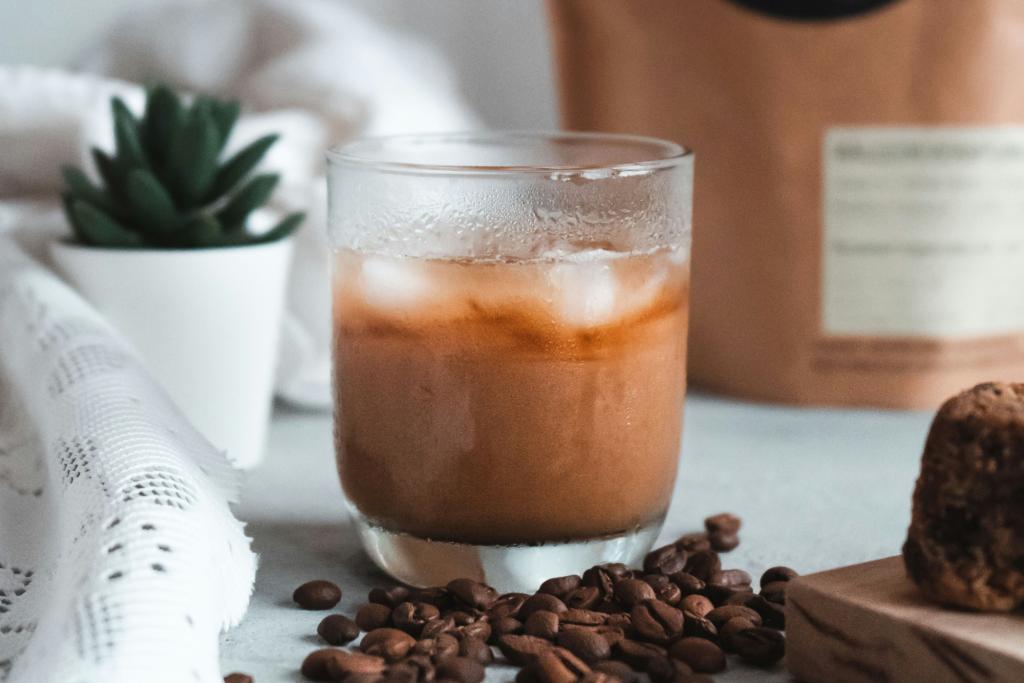
Using the same grind setting for everything isn’t going to give you the best results. It’s possible, sure, just as wearing flip-flops to the beach, the gym and a job interview is possible, but only one of those instances would be considered appropriate. According to Redber, a grind that’s too coarse under-extracts and tastes sour, while one that’s too fine can over-extract, leading to bitterness.
For cafetière or cold brew, Starbucks recommends a coarse grind, similar to kosher salt. A medium grind, similar to cornmeal, is suggested for drip coffee and Moka pots. A fine grind, similar to table salt, is recommended for pour-over and cone coffee, while an extra-fine grind, similar to powdered sugar, is recommended for espresso.
Redber and Starbucks also both suggest using a burr grinder over a blade grinder to achieve a consistent grind size. Last but not least, grind just before you’re ready to make your coffee rather than too far in advance to maximise flavour.
5. Not cleaning your equipment
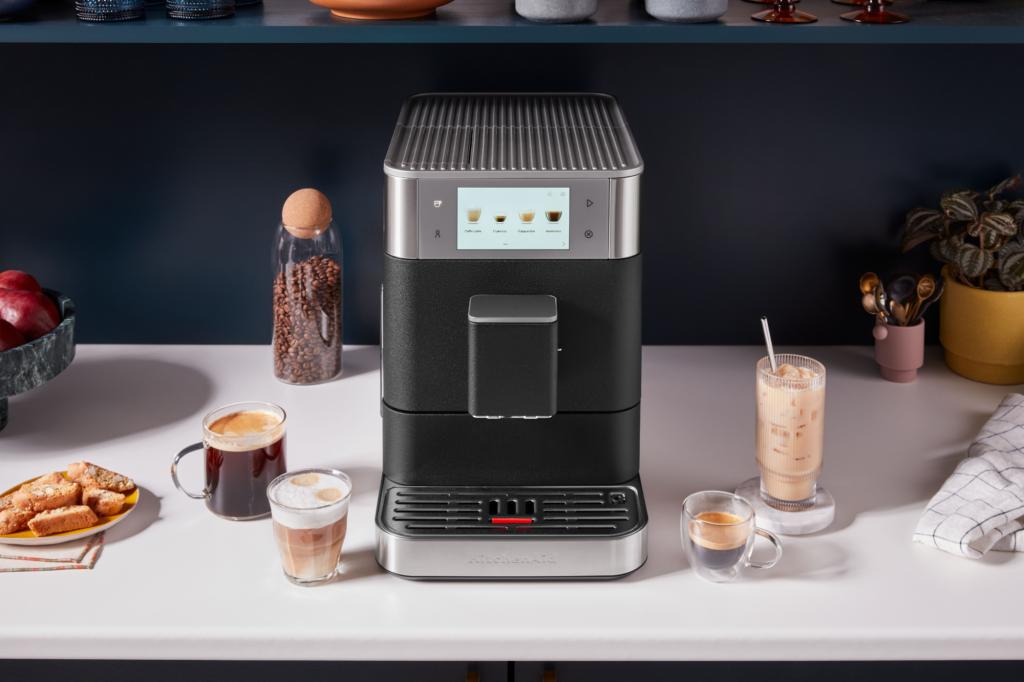
We get it. You’ve only just got time to make your brew in the morning before running out the door. Cleaning your machine afterwards isn’t likely to be high on the priority list, but it is something you should do.
Coffee oils and residues build up inside your machine over time, resulting in bitterness and cuppas that taste a little off. You should clean your equipment regularly, from your grinder and filters to carafes. Yes, even the filter – give it a rinse before you start.
None of the above requires barista training or a four-figure machine. Just a scale, a little patience and the humility to admit that yes, you have been doing the fridge storage thing this whole time.
Read more: Best coffee machines in 2026 for budding baristas


Read the full article here
