





It’s easy to think AI is just for funny cat pictures or summarising a report you can’t be bothered to read. But there are several ways it’s making a real difference. Take researchers at Queen Mary University of London, for example, who have used AI to assess your pecs and predict how long you have left or whether you’re at risk of heart failure. Turns out skipping chest day might cost you more than your gym selfie.
In the study, which was funded by the British Heart Foundation and published in the Journal of the American College of Cardiology, AI was used to analyse more than 55,000 anonymised chest MRI scans to develop a new way to spot sarcopenic obesity – weak muscle hiding under extra weight. By dividing a person’s weight in kilograms by the mass of their pectoral muscles in grams to create a “sarcopenic obesity index”, they found that more than half of those in the top 15 per cent of scores had a higher chance of dying from heart problems, a 37 per cent higher risk of death from any cause, and a 31 per cent chance of heart failure. Not exactly the score you want to top the leaderboard on.
The tool will be tested in clinical practice this year, but it’s not alone. AI is also being trained to read routine retinal scans for early clues about heart and kidney disease, as well as to analyse voice recordings to spot subtle changes that might indicate worsening heart failure. The common thread here isn’t just AI, but that these tools are looking for signs of trouble before you feel unwell. Now, you can’t buy an AI chest scanner for your bathroom cabinet, no matter how much you’d like one sat next to your electric toothbrush. But there are already some gadgets out there that do try to catch symptoms early.
Smartwatches like Apple Watch, Samsung Galaxy Watch and Google Pixel Watch

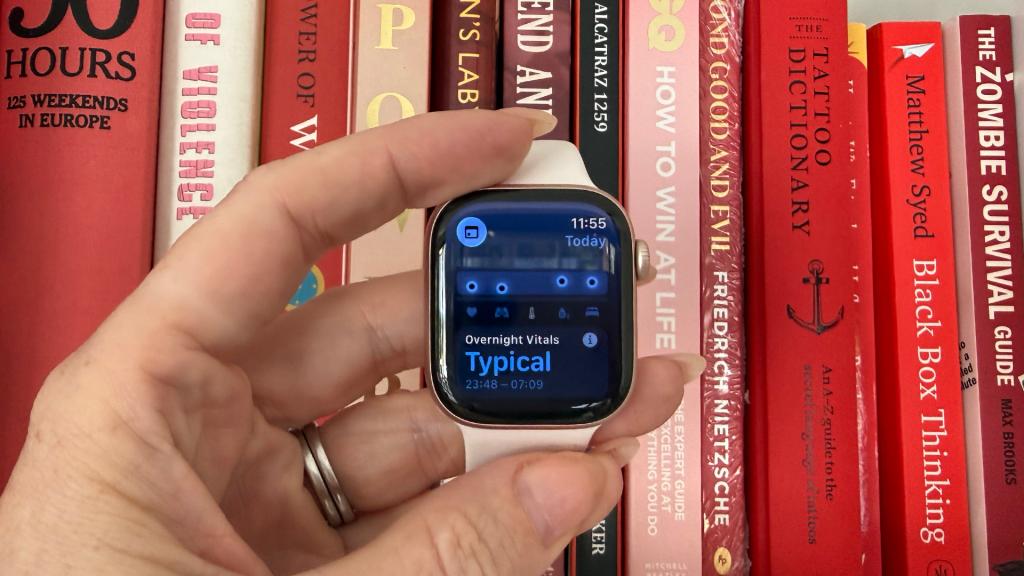
There was a time when a watch’s job was to let you know if you were late, and while these still will, they might also tell you something far more important. The Apple Watch has offered early-warning features for years, and it’s not the only smartwatch that does either, with both Samsung Galaxy Watches and Pixel Watches also worthy of mention.
For the Apple Watch, it all started with the ECG app in 2018, arriving on the Watch Series 4 alongside irregular heart rhythm notifications to help detect signs of atrial fibrillation (AFib). Samsung followed with ECG on the Galaxy Watch 3 in 2020, with irregular heart rhythm notifications arriving a few years later, while the Pixel Watch has offered an on-demand ECG app since its 2022 launch.
All three smartwatches, and others, also have fall detection, which uses the accelerometer and gyroscope to detect a hard fall, but that’s not all. The Apple Watch Series 9 and newer, and Samsung’s Galaxy Watch 7 and newer also have FDA-cleared sleep apnea detection, tracking breathing disturbances overnight and flagging the condition if a consistent pattern shows up.

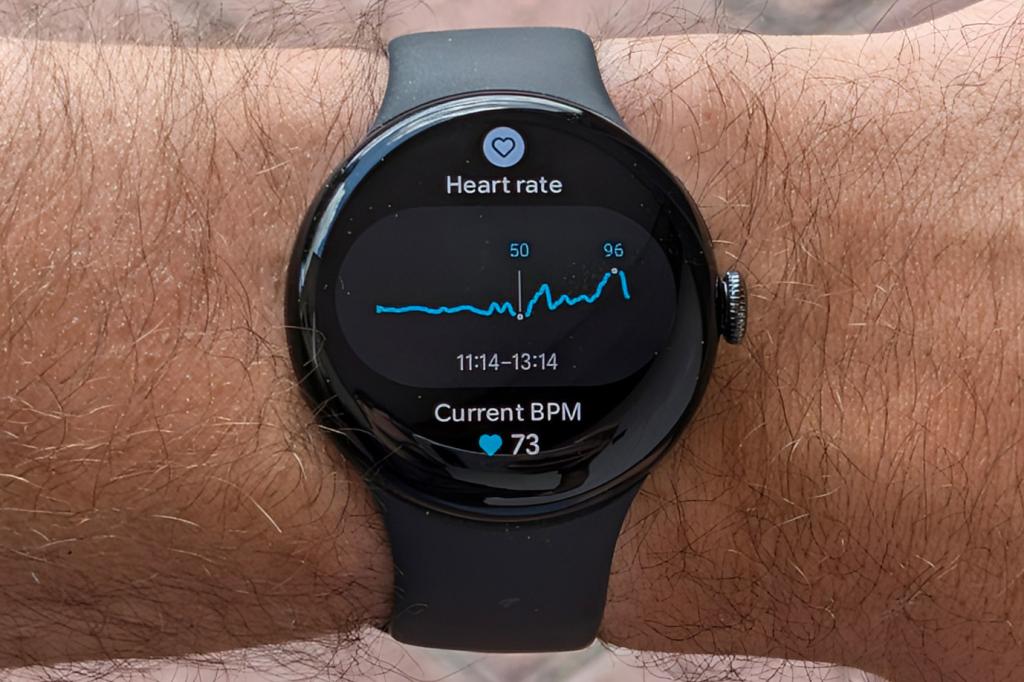
The Pixel Watch, meanwhile, introduced a feature called breathing emergencies this year on the Pixel Watch 4 and 5, which uses an AI algorithm that reads heart rate, motion, and altitude sensors to spot a critical drop in blood oxygen saturation and automatically call for help if the wearer doesn’t respond. It’s currently available in a handful of European markets, including the UK, but it hasn’t been cleared by the US FDA yet.
Then there’s hypertension notifications if you’re talking Apple Watch (Series 9 or newer), using machine learning on everyday heart data to flag signs of chronic high blood pressure, and blood pressure trends through Google’s Health Guardian feature if you’re talking Google. This passively analyses pulse and motion patterns collected over the month while you sleep, delivering a monthly data point rather than a live reading. It is rolling out this year to the Pixel Watch 3 and newer, as well as the Fitbit Air. While both Google and Apple are careful not to call their devices medical tools, any warning nudge about a condition with very few symptoms is better than nothing.
Smart rings like Oura Ring and Ultrahuman
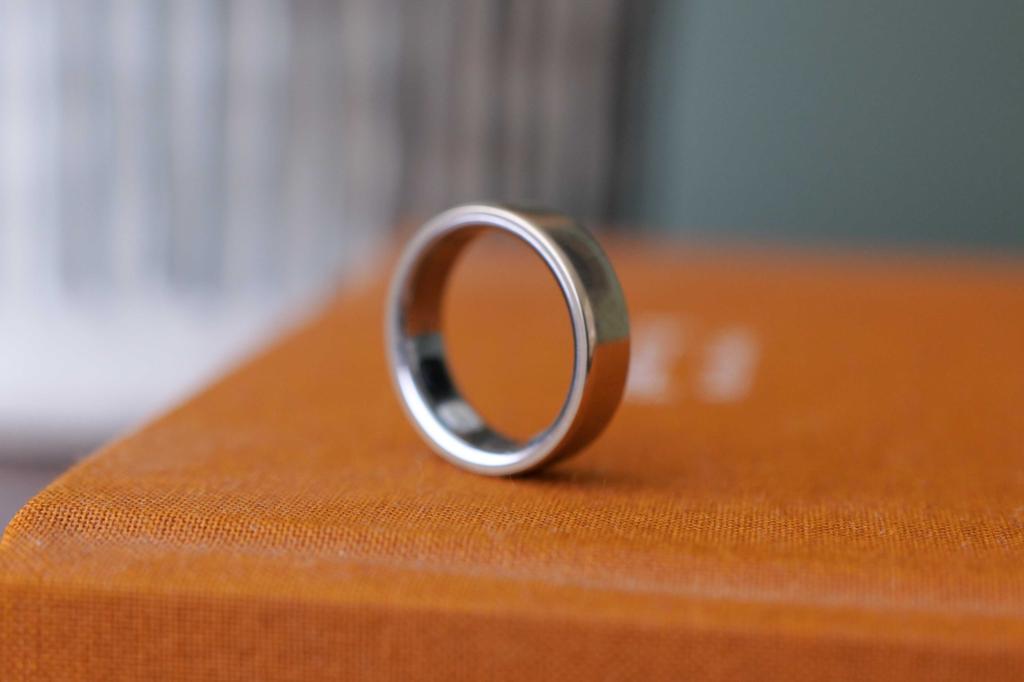
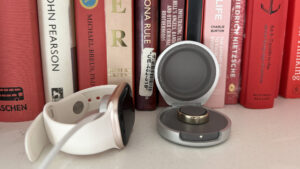
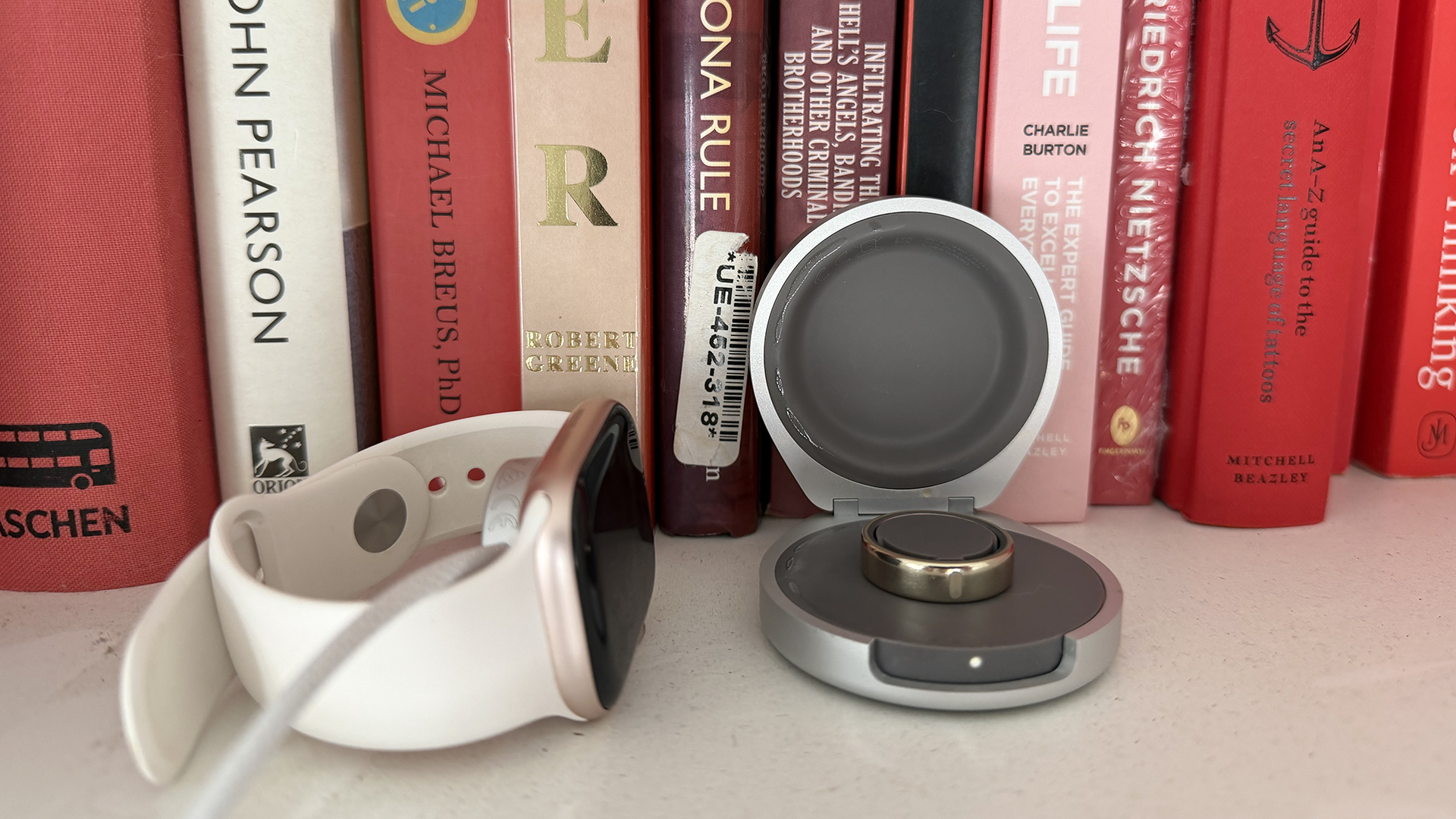
Smart rings might be best known for offering insights into health data such as your heart rate or stress levels without being as obtrusive as a smartwatch, but some of these small wearables do a lot more than tell you how much REM sleep you got.
Oura users in the US, India and UAE now have access to a feature called Health Radar, specifically designed to do exactly what we are talking about here – catch signs of trouble early, with features such as Blood Pressure Signals to detect cardiovascular strain and nighttime breathing trends.
The Health Radar complements the existing Symptom Radar, which monitors combined shifts in skin temperature, respiratory rate, resting heart rate, and heart rate variability. Competitor smart ring maker Ultrahuman also covers a gap Oura hasn’t filled yet, offering AFib detection and overnight heart rhythm readings via a paid monthly ‘PowerPlug’ subscription.
Glucose monitors like Ultrahuman M1 and M2 Live

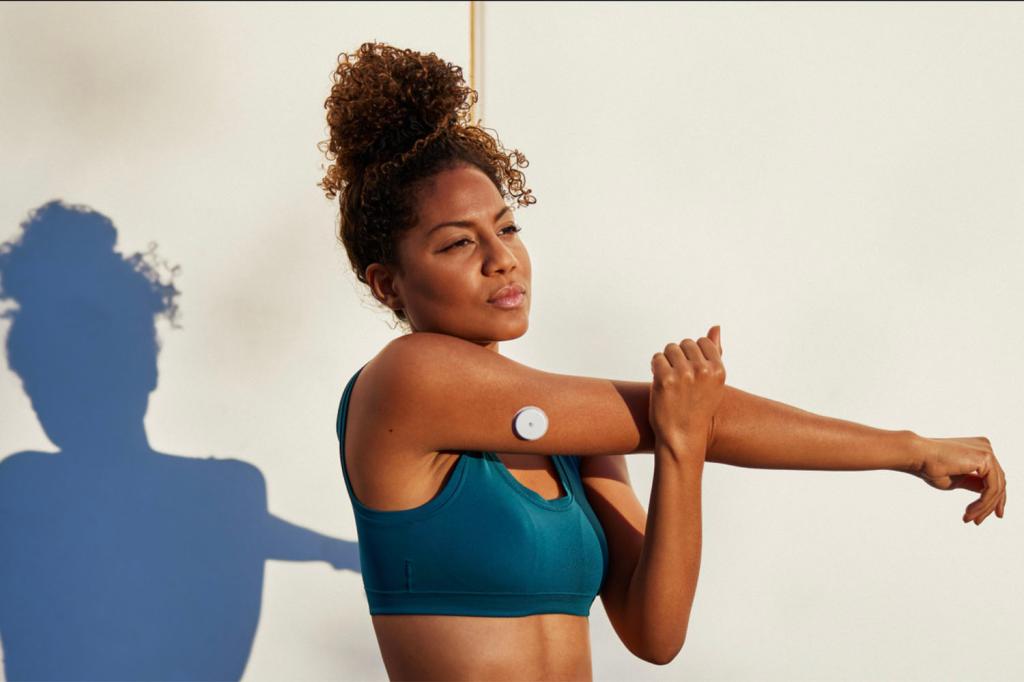
There are a couple of glucose monitors out there, like Dexcom’s Stelo, but the idea behind Ultrahuman’s M1 and M2 Live is to look beyond blood sugar as an isolated number. Both turn blood sugar into something you can track every day, using a small glucose sensor worn on the arm that feeds data straight into the Ultrahuman app. The app turns the readings into a Metabolic Score out of 100, giving you one simple number for how well your body is handling the food, exercise and sleep you are getting.
M1 is the original version, using Abbott’s Freestyle Libre sensor, while M2 Live is the newer, cheaper option, using Abbott’s over-the-counter Lingo sensor. The M2 Live is currently only available in the US though so keep that in mind. The idea of both is the same, however: catching blood sugar problems early, while helping “connect the dots between metabolic health data and lifestyle markers,” according to Ultrahuman. They are aimed at adults aged 18 or over, not currently on insulin and looking to improve their overall health and wellness, as well as those with prediabetes.
Smart blood pressure monitors like Withings BPM Core

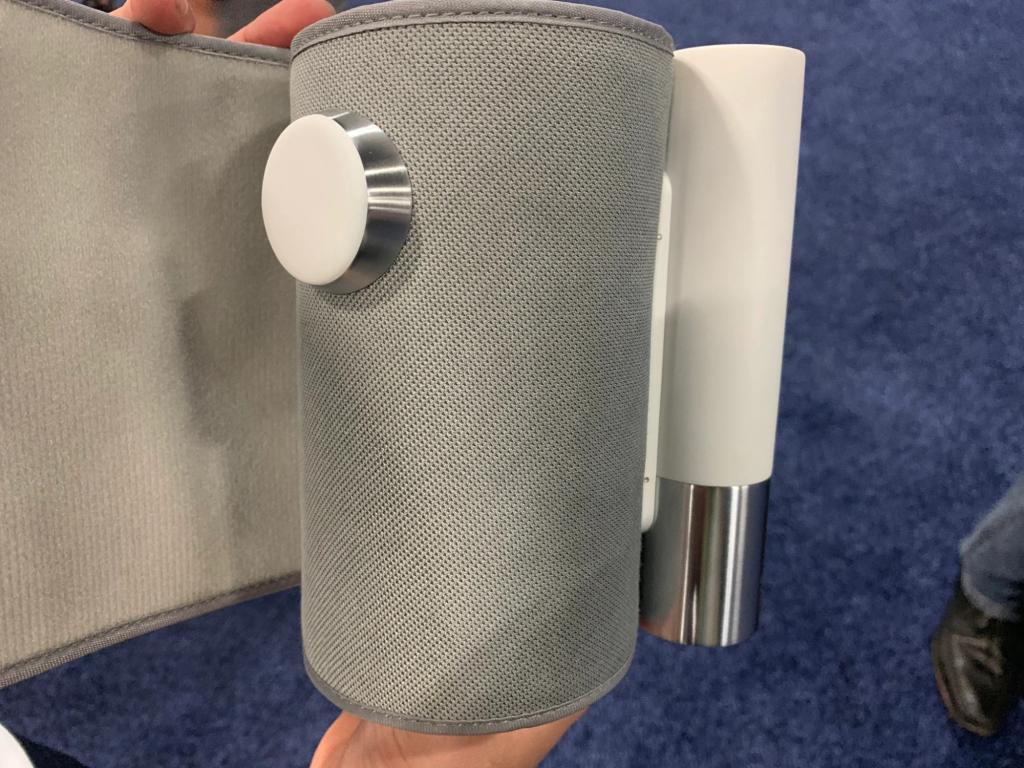
Some smartwatches, like the Samsung Galaxy Watch, can, depending on the model, provide an estimated blood pressure reading. However, they are not as accurate as a blood pressure cuff, which is where devices like the Withings BPM Core come in. It might look like an ordinary blood pressure cuff, but it doubles as a single-lead ECG for irregular heart rhythms and has a built-in digital stethoscope too, listening out for heart valve irregularities that might otherwise only be spotted by your GP in a physical exam.
The Withings BPM Core stores all your readings and syncs them to the accompanying app, so you can hand your doctor months of trend data rather than a single, nervous waiting-room reading that you knew would shoot up the minute you saw the white coat. There’s also Omron’s Complete, which doesn’t include a stethoscope but does offer both a blood pressure cuff and a single-lead ECG to screen for AFib, tachycardia and bradycardia in one reading.
Seizure monitors like Empatica EpiMonitor
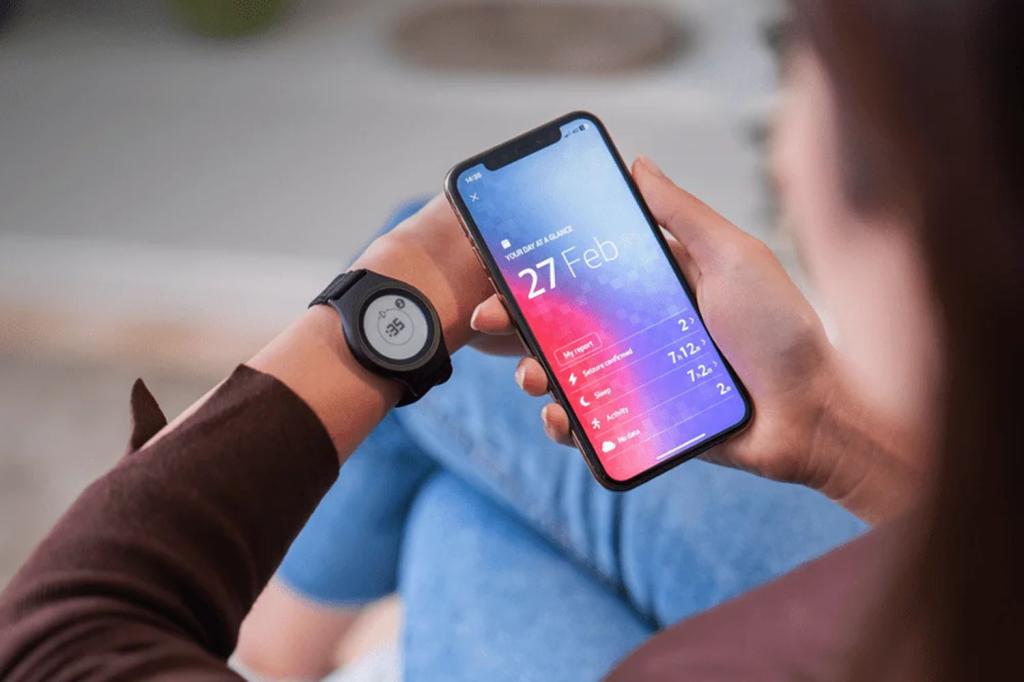
Wearables built specifically for epilepsy may be a smaller category, but they could be life-changing for the people who rely on them. Sadly, they can’t predict an upcoming seizure, but the idea is to send help more quickly than it might otherwise arrive. Empatica made its name with the Embrace2, which was the first FDA-cleared wrist-worn wearable for epilepsy monitoring. That has since been retired in favour of its successor, the EpiMonitor.
This device monitors for the physical signature of a convulsive seizure and the associated movement pattern, automatically alerting chosen contacts to the person’s location. The idea is that help can be sent even if the person having the seizure can’t call for it themselves. Within this space, there is also Smart Monitor’s SmartWatch Inspyre, a wrist-worn device that detects the repetitive shaking motion of a convulsive seizure and alerts chosen contacts if detected.
None of these devices is a substitute for an actual doctor, of course, all of them make it very clear they aren’t medical devices and none of them are judging your pecs like Queen Mary’s new algorithm either. But if your body is dropping hints that something isn’t quite right somewhere, there is a chance one of these devices might pick up on one of those hints, and it could help you tackle an issue before it becomes a major one.
Liked this? Torch fat and build muscle with these innovative fitness gadgets and workouts




Read the full article here


