






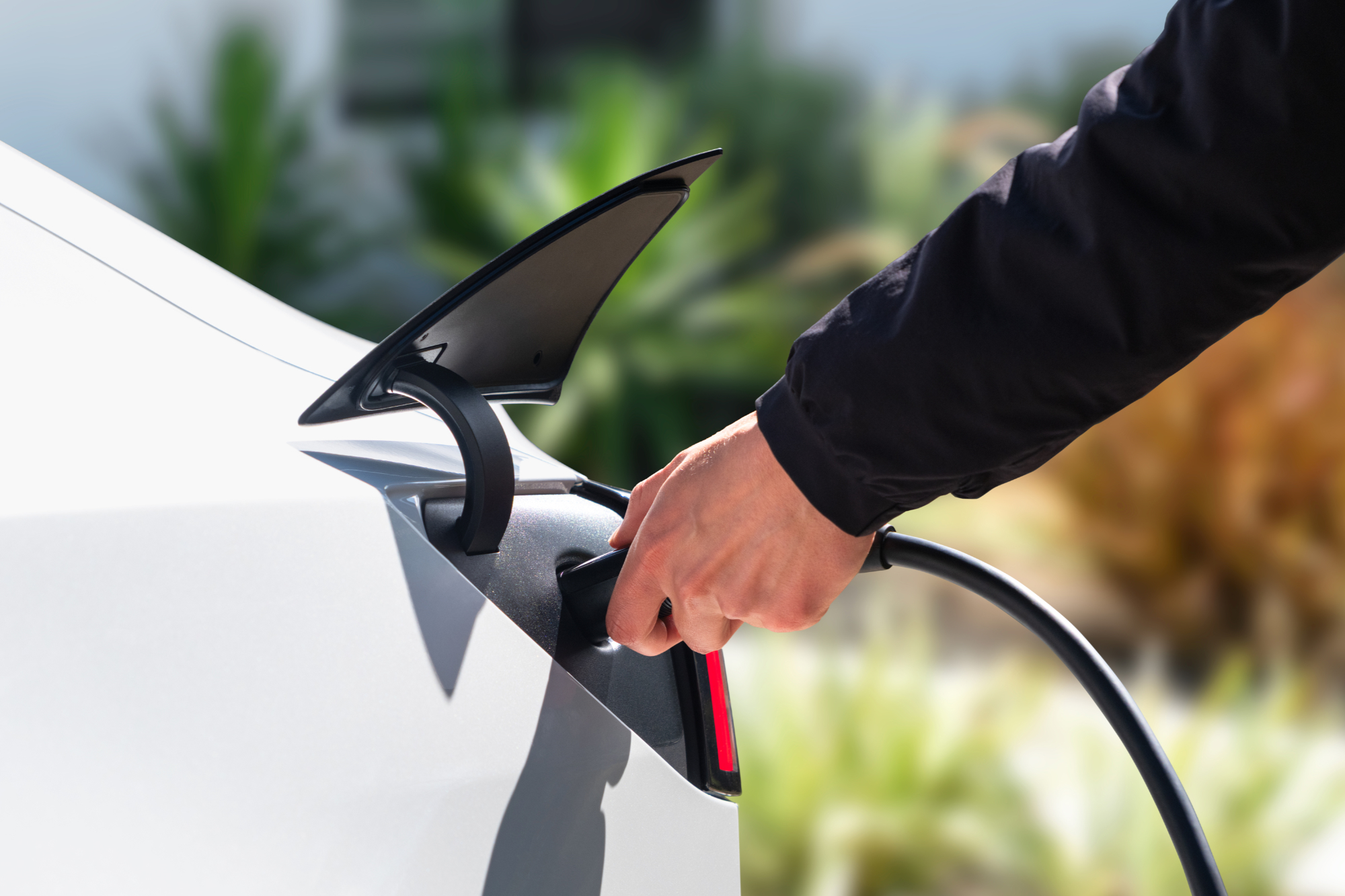
I’ve lost count of the number of times I’ve pulled into a EV charging station, seen six charging bays, and still had nowhere to plug in. Not because every bay was occupied by a charging car. Because half of them were occupied by cars that had finished charging twenty minutes ago, the other half are filled with ICE cars, and the other half were broken…
That’s the thing about public EV charging – there’s no official rulebook, no laws in place, no driving test question about it, nothing printed on the back of your provisional licence. And yet every regular EV driver has, through years of practise, worked out exactly what the etiquette should be.
Not everyone’s read the memo, though, especially those new to EV ownership. So, for the uninitiated, here we have some basic common courtesies when it comes to charging.
Avoid these mistakes, and keep a shared, still-maturing piece of infrastructure working reasonably well for everyone using it. After all, petrol drivers had decades to settle into the norms of the forecourt.
1. Petrol and diesel cars don’t belong in EV bays. Ever.
This one should go without saying, but “ICEing” (parking a combustion car in an EV bay) remains a genuine source of frustration, particularly at supermarkets and retail parks where EV bays are often the ones nearest the door. If you’re not charging, the bay isn’t for you, no matter how tempting the extra ten metres of walking saved might be.
2. Move your car when you’re done
This is pretty big one too – charging etiquette research consistently puts “bay hogging” at the top of the list of driver bugbears, and every EV owner I’ve spoken to has a story about it. You plug in, you nip off for a coffee or a wander round the services, and you come back within a reasonable window of your car finishing. It really is that simple.
What you don’t do is treat a charging bay as a free parking space for the rest of your shopping trip. Most rapid chargers now apply an idle fee once your car’s stopped drawing meaningful current. It helps to keep charing bays turning over.

3. Charge to what you need, not to 100%
On a rapid or ultra-rapid charger, the speed curve quickly tails off past about 80-percent. You’ll spend nearly as long adding that last 20-percent as you did adding the first 80-percent. If there’s a queue forming, or even if there isn’t, unplugging around 80-percent and getting back on the road is generally the more considerate move, unless you genuinely need the full range for the next leg of your journey.
I’ll admit I didn’t always follow this myself until I properly understood how charging curves work. It felt counterintuitive to leave with anything less than a full battery. But now I’m a model EV charger.
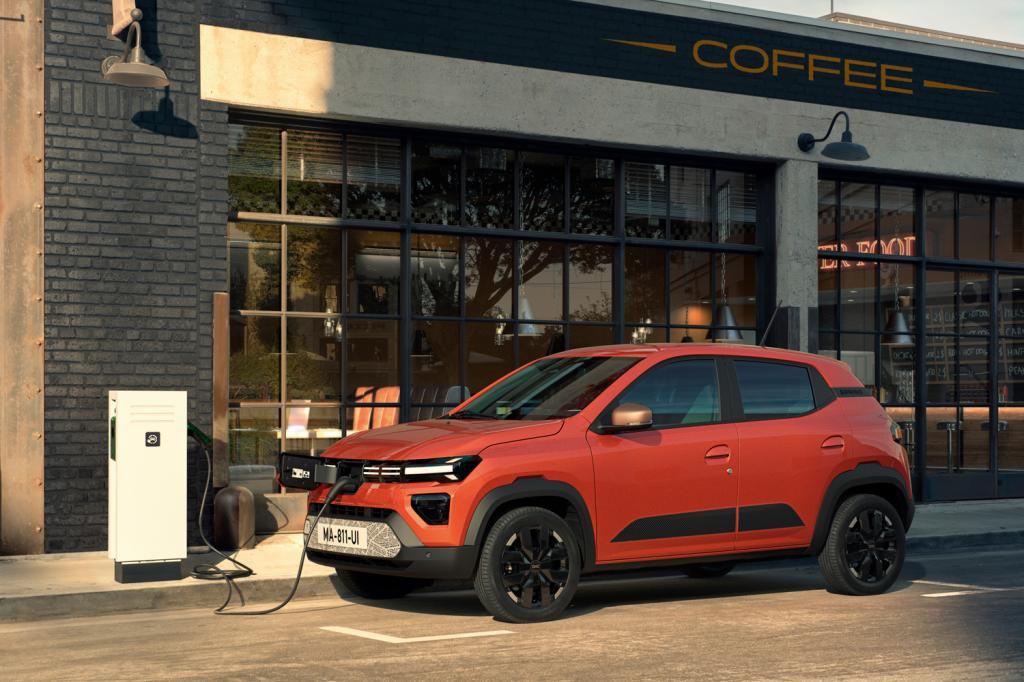
4. Park within the lines, cable and all
Charging cables are heavier and less forgiving than a fuel nozzle, and bay layouts vary wildly between networks. Park too far from the unit and you’ll find the cable won’t reach, or it’ll stretch across a walkway or another car’s path. Take a second to line up properly before you get out.
It sounds obvious, but wonky parking is one of the most common reasons a perfectly good charger sits unused.
5. Report faults, don’t just walk away
Broken chargers are still one of the biggest frustrations in the public network, and every driver who finds one dead and says nothing is leaving the next person to discover it the hard way.
Most apps have a one-tap fault report button. Use it. It’s a small act of collective maintenance that makes the whole network marginally better for everyone who charges after you.

6. Don’t camp on the fastest charger for a slow top-up
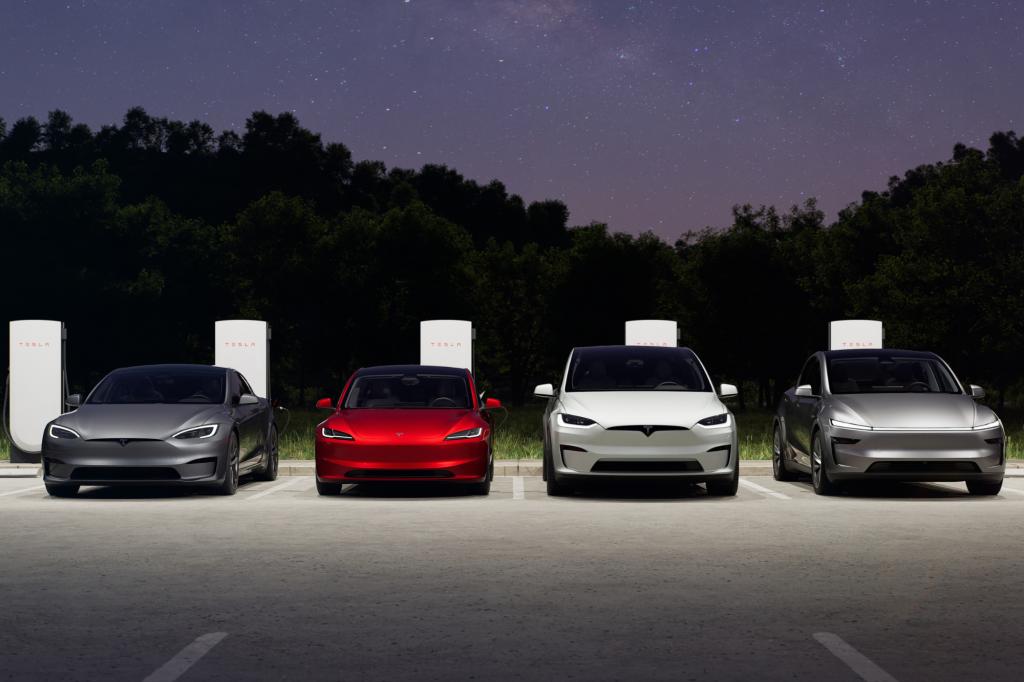
If a site has a mix of speeds, and you only need a modest top-up to get home, consider whether you really need the 350kW bay or whether a slower unit would do the job just as well while freeing up the fast charger for someone who’s running on empty and has a long journey in front of them.
Equally, if you know you’re going to be a while, and don’t need ultra-fast charging, then opt for the slower charger instead (your battery will thank you later).
This one’s softer etiquette than hard rule, but it’ll get more and more important as EV numbers grow and charging sites get busier.
7. Be patient with people still learning the ropes
Not everyone charging in public is a seasoned EV pro – plenty are on their first or second public charge, still working out apps, payment methods, and which cable fits what.
A bit of patience here goes a long way, and honestly, a lot of the friction around charging etiquette softens once you remember that most of it isn’t malice. It’s inexperience.
Liked this? Busted! This is the myth about EVs I believed… before owning one




Read the full article here


